Your digging level
Description
Ninkyo eiga ("chivalry films") is a Japanese subgenre of yakuza cinema that idealizes traditional gangster honor codes (ninkyō) and depicts stoic, principled protagonists who uphold loyalty, obligation, and personal sacrifice. Typically set in the late Meiji to early Shōwa eras or in nostalgically framed postwar locales, these films contrast old-world ethics with the encroachment of modern, corrupt syndicates.
Aesthetically, ninkyo eiga blends elegant period costuming and formal blocking with ritualized confrontations, blood-oath ceremonies, and climactic duels. Musically, scores often draw on enka and ryūkōka song idioms and traditional Japanese timbres (shamisen, shakuhachi) alongside Western orchestral melodrama, underscoring themes of melancholy, honor, and tragic duty.
Popularized primarily by Toei in the 1960s, the form codified the “honorable outlaw” archetype—an image that would haunt and inform later Japanese crime cinema even as grittier, documentary-flavored cycles supplanted it in the 1970s.
History
Ninkyo eiga emerged in Japan in the early-to-mid 1960s as a codification of earlier gambler and bakuto pictures, drawing ethical and stylistic cues from jidai-geki and chanbara samurai dramas. While yakuza eiga already existed as a broader crime-film category, the ninkyo cycle crystallized as stories about virtuous, duty-bound outlaws who placed giri (social obligation) and ninjō (human feeling) above personal gain.
Toei became the key studio championing the form. Breakout cycles included Brutal Tales of Chivalry (Ninkyō Yakuza), the Abashiri Prison series (launched by director Teruo Ishii and star Ken Takakura), and the Red Peony Gambler (Hibotan Bakuto) films starring Junko Fuji. Directors such as Tai Kato, Kōsaku Yamashita, Shigehiro Ozawa, and Sadao Nakajima refined the template: a noble protagonist torn between loyalty to an oyabun and compassion for innocents, culminating in a ritualized, cathartic showdown.
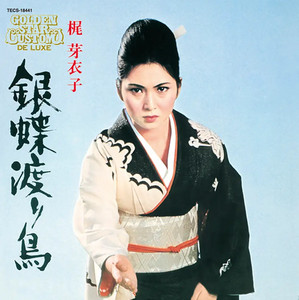
Music and song culture were integral: enka-inflected title themes and ryūkōka-style ballads reinforced the genre’s nostalgic, bittersweet aura, often sung or recorded by the films’ own stars.
By the early 1970s, audience tastes swung toward realism. The hard-edged, "jitsuroku eiga" (true-record) cycle—spearheaded by Kinji Fukasaku’s Battles Without Honor and Humanity (1973)—deconstructed the romantic code of ninkyo eiga, replacing ritual honor with documentary-style brutality and political cynicism. The ninkyo cycle waned, though its stars and directors often crossed into the new mode.
Ninkyo eiga left a durable imprint on Japanese screen archetypes: the chivalrous loner, oath-bound loyalty, and the tragedy of honor in a changing world. Its iconography, musical language (use of enka and traditional timbres), and codes of conduct influenced later yakuza depictions and resonated internationally in honor-driven crime melodramas.