

Your digging level
For this genre
0/8
🏆
Sign in, then listen to this genre to level up
Description
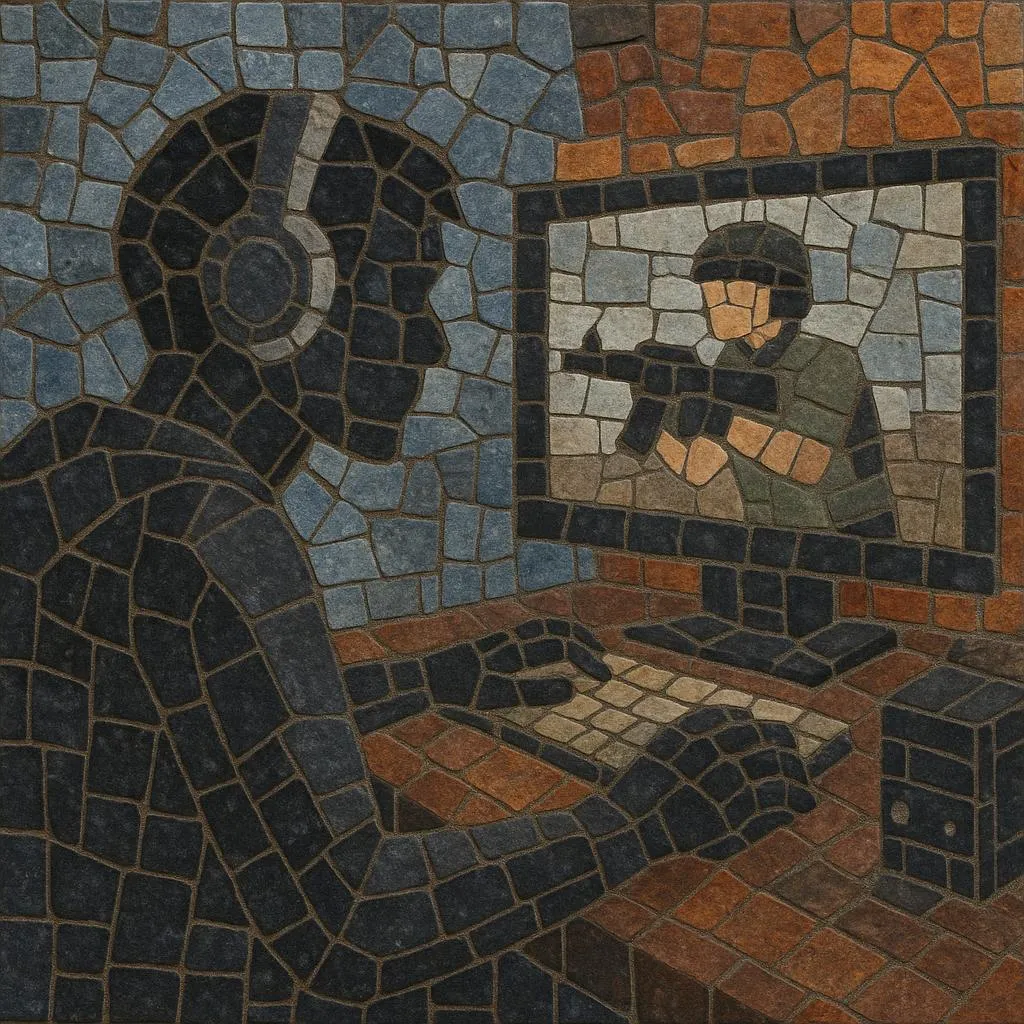
Machinima is a form of animation that uses the real‑time graphics engines of video games to create scripted or improvised films.
Creators stage performances inside a game or engine, capture the action from virtual cameras, and assemble the footage with traditional post‑production—much like live‑action filmmaking, but inside a simulated world. The technique ranges from quick, voice‑over comedy skits to fully storyboarded cinematic narratives with custom assets, motion paths, and multi‑actor choreography.
Early machinima emerged from first‑person shooter demo recordings and quickly evolved into serial storytelling and internet video, helping pioneer real‑time virtual production long before modern game‑engine filmmaking became common.

The Many Scams & Downfall of Machinima (2006 - 2019)
SunnyV2

What Happened to All of the Machinima Videos?!
JampackSam

The Dark Past of Machinima
Arctic Gaming

The Downfall of Machinima
Chum
History
Origins (1990s)
• Machinima crystallized in the mid‑to‑late 1990s when PC shooters like Doom and Quake allowed players to record "demos" (in‑engine replays). Fans began scripting these replays to tell stories rather than just document gameplay. A landmark is Diary of a Camper (1996) by the Rangers clan in Quake, often cited as one of the first narrative machinima films.
Web Video Boom (2000s)
• As broadband and web video matured, machinima moved from hobbyist forums to broader internet culture. Halo’s theater/forge modes and PC modding scenes enabled character blocking, lip‑sync workarounds, and orchestration of ensemble casts.
• Rooster Teeth’s Red vs. Blue (2003–) proved that a serial, character‑driven machinima could sustain long‑form audience engagement. Around the same time, creators experimented across engines (The Movies, Source, World of Warcraft, EVE Online) to expand genres—drama, documentary pastiche, political shorts, and talk shows (e.g., This Spartan Life).
Tools and Professionalization (2010s)
• Valve’s Source Filmmaker (2012) and Garry’s Mod lowered barriers to cinematic control (lighting, rigs, camera splines). YouTube monetization and community platforms briefly professionalized machinima networks and studios, though platform and rights issues eventually reshaped the ecosystem.
• The line between machinima and real‑time virtual production blurred as creators adopted game engines for previs, cutscenes, and stylized shorts.
Legacy and Evolution (2020s–)
• Modern virtual production in Unreal/Unity, VTubing, and live in‑engine performance all reflect machinima’s core idea: directing actors and cameras inside a real‑time world. While the label “machinima” is used less formally today, its methods directly informed today’s creator workflows for game‑engine cinematics, animated series, and live virtual shows.
Choose an Engine and Style
• Pick a game/engine that suits your tone and control needs: Halo (theater/forge), Source Filmmaker or Garry’s Mod (cinematic control), Minecraft (Replay Mod), GTA V (Rockstar Editor), or Unreal/Unity for full virtual production.
• Decide on format: short sketch comedy, episodic series, music video, or dramatic short.
Pre‑Production
• Write a tight script and shot list. Storyboard key beats and plan sets, props, and character skins/mods.
• Rehearse blocking with stand‑ins or networked players. Assign roles (actors, camera op, director, audio).
Performance and Capture
• Use in‑engine tools: free camera/noclip, camera paths/splines, time scaling, depth of field, and lighting passes.
• Record multiple takes and angles (wide, OTS, inserts). Capture lossless/high‑bitrate video (e.g., via OBS) at a stable frame rate; record clean dialogue and wild tracks separately.
• For ensemble scenes, sync performers via voice comms and visual marks; log take numbers meticulously.
Audio and Post
• Perform ADR for clarity; add foley, ambience, and licensed or original music (respect game and music IP).
• Edit in an NLE: assemble selects, refine continuity, add lower thirds/graphics, color‑grade (game engines benefit from contrast and subtle film emulation), and mix to broadcast‑safe loudness.
Craft Tips
• Treat the game world like a soundstage: control lighting and eyelines, cheat geography, and use cutaways.
• Embrace engine strengths (stylized visuals, large sets) and mitigate limits (facial acting) with smart framing, props, and voice direction.
• Build a reusable pipeline: project templates, asset libraries, capture presets, and consistent naming conventions.

how to create a Sims 4 story || beginner-friendly Sims 4 Machinima tutorial || solitasims
Solita Sims

Creator Diaries: How I Record & Edit Machinimas (In Depth) || The Sims 4
Shiipty

The sims 4 - How to make a music video/ machinima
SiMs Stories

Comment réaliser un MACHINIMA?📽️ || Guide complet || SIMS 4 TUTO
Sunny

Top albums

Best playlists
Machinima
Melodigging

J.T. Machinima
xaxerov
En mode jt machinima
Toga280
MACHINIMA
Aurelien Corbiere
![[HD720] Krewella Live Mix @ Machinima RECHARGE3 (12/6/13)](https://i.ytimg.com/vi/j1o9cKomCPs/hqdefault.jpg)
[HD720] Krewella Live Mix @ Machinima RECHARGE3 (12/6/13)
Krewella France
Top tracks
Locked
Share your favorite track to unlock other users’ top tracks
Upcoming concerts
in this genre
