Your digging level
Description
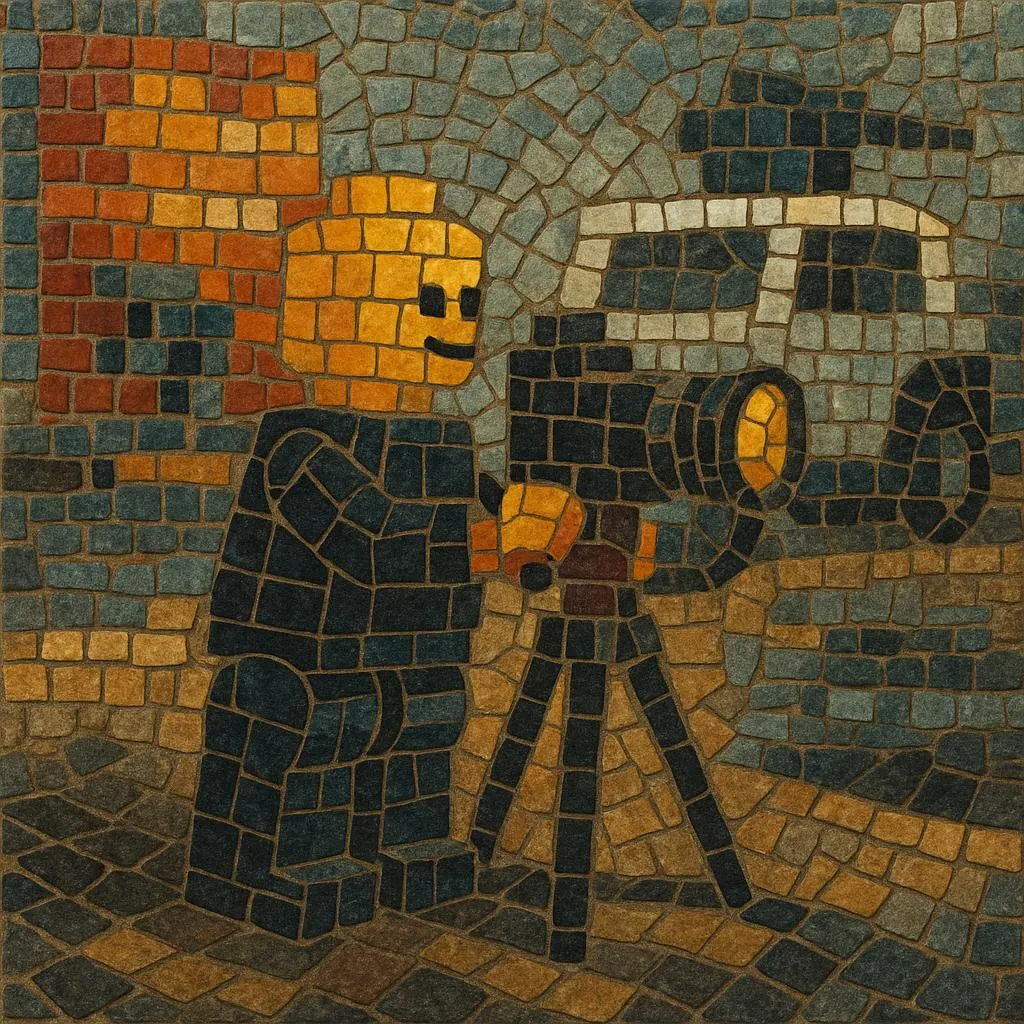
Brickfilm is a stop‑motion animation style that uses interlocking plastic bricks—most commonly LEGO—and their minifigures to tell stories. Filmmakers build sets from bricks, pose figures frame by frame, and photograph each incremental movement to create motion when the images are sequenced.
The medium embraces the toy’s modularity: walls, props, vehicles, and even special effects can be constructed from bricks, while post‑production adds sound design, music, and occasional CG compositing. Though it spans every genre (comedy, action, sci‑fi, drama), brickfilm is united by its playful, tactile aesthetic and the unmistakable look and limitations of minifigure performance.
Since the late 1990s and early 2000s, brickfilm has flourished online, with a large community of hobbyists and professionals sharing work, techniques, and running fast‑turn contests. The style ranges from rough single‑weekend shorts to meticulously lit, cinematic productions shot with dedicated stop‑motion rigs.
History
Early experiments with LEGO stop‑motion appeared in the 1970s, shortly after affordable home movie cameras enabled amateur animation. Among the earliest known examples is the Danish short "En rejse til månen" (1973), and the Australian film "The Magic Portal" (1989, Lindsay Fleay) became a touchstone for the form—showcasing narrative ambition, lighting control, and the expressive potential of minifigures.
The spread of consumer digital cameras and nonlinear editing tools, plus early web video, catalyzed a global brickfilm community. Brickfilms.com (founded in 2000) helped standardize best practices, host festivals and tutorials, and launch recurring contests (e.g., THAC—Twenty‑Four Hour Animation Contest; and BRAWL—Brickfilm Rapidly All Week Long). LEGO’s own "Studios" kits (circa 2000) bundled a USB camera and props, lowering barriers to entry and further popularizing the style.
As YouTube matured, dedicated brickfilm channels gained millions of views. Animators adopted DSLR or mirrorless cameras, motion‑control sliders, Dragonframe software, and more sophisticated lighting and sound workflows. While The LEGO Movie (2014) and related projects were CGI, their success created new audiences for brickfilm, and advertisers occasionally commissioned LEGO stop‑motion spots, bringing some creators into commercial work.
Brickfilm continues to thrive as a participatory, DIY artform. Community contests, online academies, and social media short‑form keep output brisk, while a subset of creators pursue festival circuits or branded content. Technically, productions blend practical brick effects with subtle CG cleanup, but the core remains the tactile stop‑motion look that defines the medium.
-
•
Concept and storyboarding: Write a concise script suited to minifigure acting and brick‑built environments. Thumbnail key poses and camera angles; plan shots to minimize set rebuilds.
•Set building and props: Use plates and tiles for stable floors; removable wall sections for camera access; SNOT (Studs‑Not‑On‑Top) techniques for texture. Build modular, swappable sections for quick continuity fixes.
•Performance and frame rate: Animate at 12–15 fps for a classic brickfilm feel (or 24 fps for ultra‑smooth motion). Prioritize readable silhouettes and strong key poses; anticipate the minifigure’s limited joint range with clever cheats (head tilts, hand props, replacement arms or custom rigs).
•Camera, lighting, and stability: Lock down the camera on a rigid tripod; use manual exposure, focus, and white balance. Light with small LED panels and flags/diffusion; control spill and specular hits on glossy bricks. Use onion‑skin and frame‑assist tools (e.g., Dragonframe) to catch jitters.
•Practical effects: Simulate water, smoke, or debris with trans‑clear elements and cotton; wire‑remove rigs in post. Brick‑built motion lines and single‑frame "smear" builds can sell fast action.
•Post‑production: Plate‑clean in compositing (dust, rig removal), add sky/scale with subtle matte paintings. Foley with real objects (brick clicks, cloth swishes), layer SFX libraries, and score with royalty‑free or original music that matches on‑screen beats and cuts.