Your digging level
Description
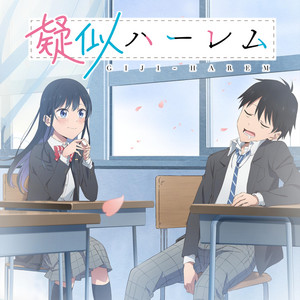
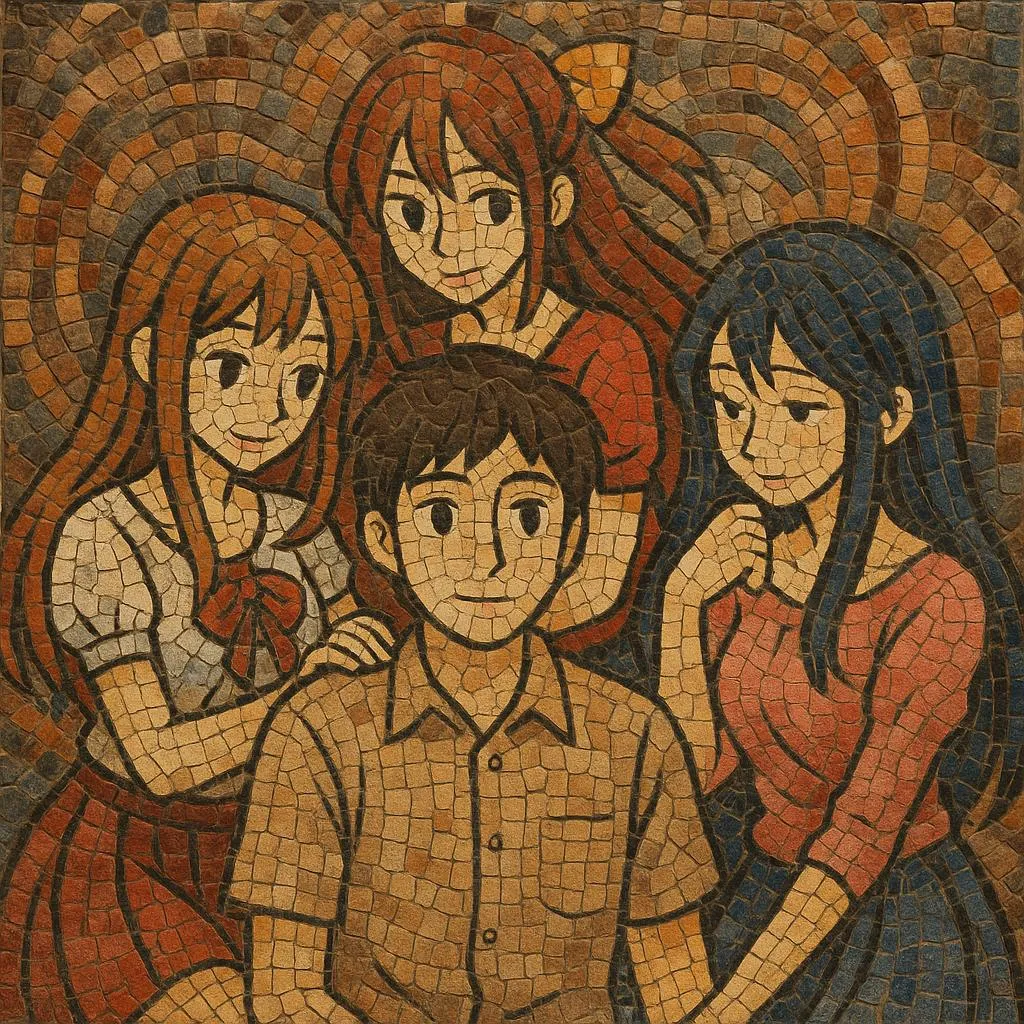
Harem is primarily an anime/manga narrative genre in which multiple girls develop romantic interest in the same male lead (and, in gender-flipped “reverse harem,” multiple boys gather around a female lead).
In music discourse, “harem” most often refers to the sound world that accompanies harem anime: bright, hook-driven J‑pop/J‑rock opening themes, tender or wistful ending ballads, and character songs performed by voice actors (seiyu). These tracks emphasize youthful infatuation, comedic misunderstandings, and ensemble chemistry, using glossy pop production, catchy refrains, and sometimes choral “group of friends” textures to mirror the multi‑love‑interest setup.
Thus, while harem itself is a story genre, it has a recognizable musical profile within the broader sphere of Japanese anime music (anisong).
History
Precursors to the harem setup appear in series like Urusei Yatsura (late 1970s/early 1980s) and Ranma ½ (1989), where pop-forward anime themes and character songs helped define a “youth romance + comedy” sonic palette. As the harem concept clarified in the early–mid 1990s (e.g., Tenchi Muyo!), opening and ending themes leaned into buoyant, guitar-and-synth J‑pop with instantly memorizable choruses.
The late 1990s/early 2000s—epitomized by titles like Love Hina—solidified harem as a mainstream anime subgenre. Musically, this era cemented conventions: upbeat OPs (often major‑key, 140–170 BPM), tender ED ballads, and seiyu‑sung character songs. The broader anisong industry matured, with labels and producers tailoring singles for chart crossover while still serving narrative themes of awkward crushes, triangles, and ensemble dynamics.
Through the 2010s and 2020s, harem anime diversified (rom‑com, fantasy, isekai crossovers), and so did the music: EDM‑tinged pop, pop‑rock, and idol‑style arrangements coexisted with classic anisong hallmarks. Seiyu units, duos, and idol‑adjacent acts continued to deliver OP/EDs and character CDs. Despite stylistic variety, the core aims remained: bright, catchy OPs that present the ensemble cast, and EDs that offer reflective, romantic closure.
Write as if scoring or fronting a harem anime OP/ED: catchy, glossy, and character‑driven. Favor upbeat, major‑key pop for openings and gentler, romantic ballads for endings. Consider voice‑actor (seiyu) delivery—clear diction, bright timbre, and emotionally readable phrasing.