Your digging level
Description
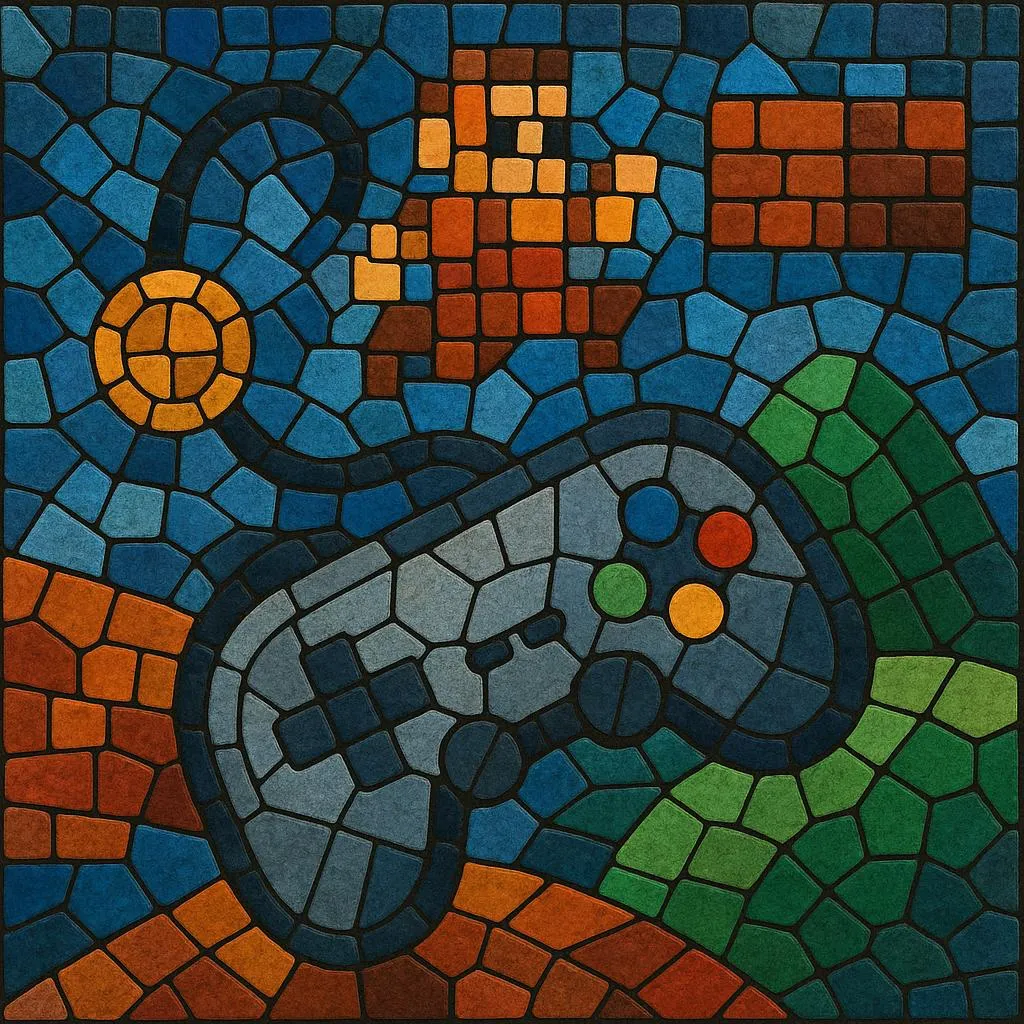
Video game music (VGM) is the soundtrack or background music composed specifically to accompany and enhance interactive gameplay.
In its earliest decades, VGM was bound by severe hardware constraints: simple programmable sound generators (PSG) and later FM-synthesis chips limited composers to a handful of monophonic channels, basic waveforms, and tiny memory footprints. Those constraints forged a distinctive, catchy, loop-based idiom—often called “chip music” or “8‑bit”—that became the emblematic sound of early games.
As technology advanced, VGM expanded into rich orchestral, rock, electronic, and hybrid palettes and adopted adaptive/interactive scoring techniques so the music could change with the player’s actions. Today it spans everything from intimate, textural ambience to full symphonic epics, while still celebrating its retro chip heritage.
History
Arcade and early home-console titles established the idea of dedicated music for games. With just a few tone channels and no sample playback, composers wrote short, looping motives designed for memorability and efficient CPU use. The limitations of PSG chips codified the bright, melodic “chip” aesthetic that defined the era.
FM-synthesis and expanded channel counts brought thicker harmony, bass movement, and percussion tricks (noise channels, arpeggiation, rapid note retriggering). Composers leaned into strong hooks and modal interchange to maximize color within tight technical bounds. This period created many of the medium’s most recognized leitmotifs.
Optical media enabled streamed audio, realistic instruments, and genre diversity (orchestral, rock/metal, jazz, ambient, world). Dynamic music systems began to crossfade or layer stems in response to gameplay, planting the seeds of modern interactive scoring.
High‑fidelity middleware (e.g., FMOD, Wwise) and robust engines allow fully adaptive scores (vertical layering, horizontal re‑sequencing, procedural systems). VGM now ranges from chamber minimalism to hybrid cine‑electronic epics and includes a vibrant indie scene that often revisits chip aesthetics. Parallel fan and doujin communities, remix culture, and concert tours have cemented VGM as a standalone listening tradition.