Your digging level

For this genre
0/8
🏆
Sign in, then listen to this genre to level up

Description

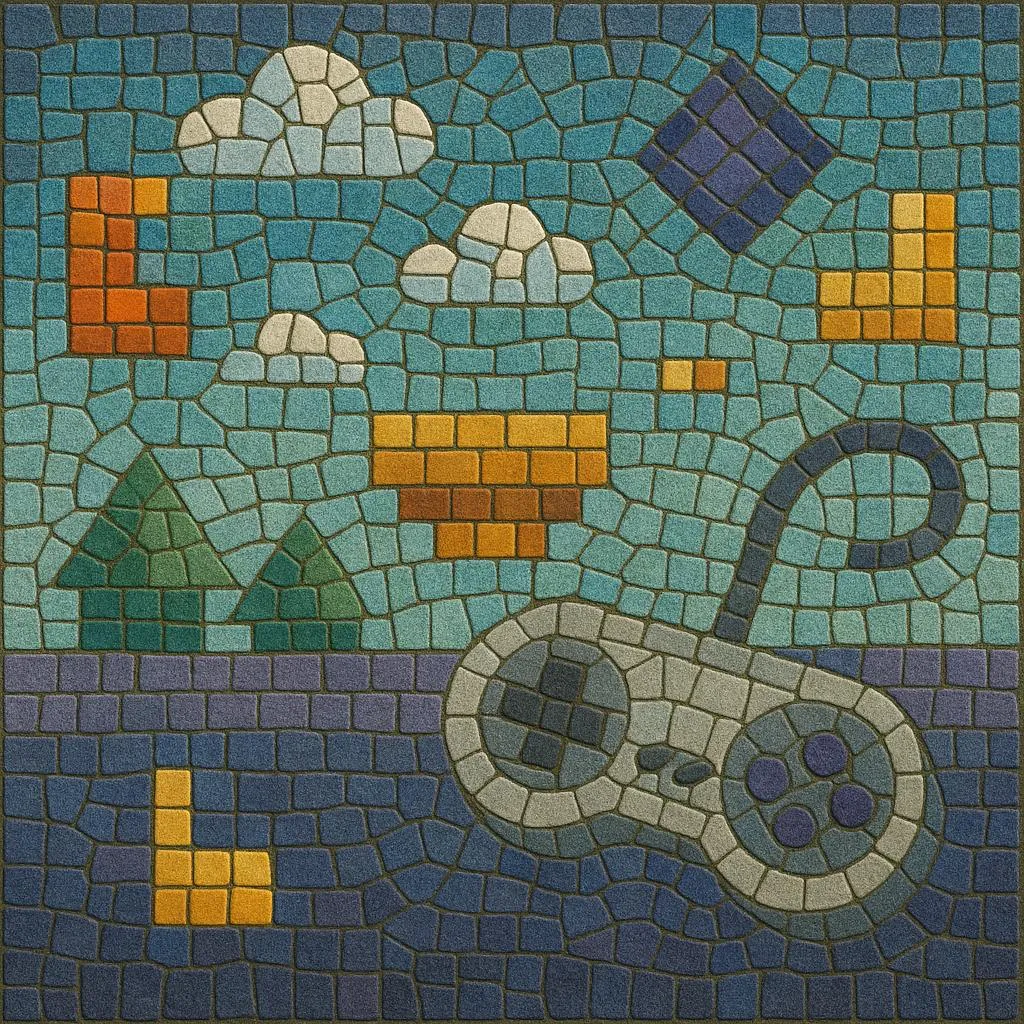
Game mood is a contemporary, internet-native style that blends chill, loop-friendly electronic production with the melodic signifiers of video game music. It is crafted to sit comfortably behind gameplay, streaming, studying, or casual listening.

The palette typically includes soft synth pads, gentle sidechained chords, arpeggiated leads, and light, clicky drum programming. Subtle chiptune timbres, sparkling bell or mallet tones, retro console textures, and synthwave-adjacent pads are common, while arrangements avoid intrusive vocals and sharp transients so the music remains non-distracting.

Tempos are usually mid-slow (often 70–100 BPM or 120–140 BPM in half-time), harmonies are diatonic and consonant, and tracks are structured in seamless loops or gradual layer builds. The overall feel is soothing, nostalgic, and lightly propulsive—ideal for maintaining focus while preserving a sense of playful immersion.


Sources: Spotify, Wikipedia, Discogs, RYM, MB, user feedback and other online sources

History

Origins

Game mood emerged in the early-to-mid 2010s at the intersection of video game music (VGM) culture, the rise of streaming platforms (Twitch, YouTube, Spotify), and a broader appetite for functional, focus-friendly sound. Producers drew on nostalgic game timbres (8/16-bit textures, modal melodies), synthwave’s retro-futurist pads, and the soft pulse of lo-fi hip hop and chillhop.

Streaming Era and Playlist Culture

As livestreaming and long-form gaming content took off, creators needed music that was copyright-safe, loopable, and non-distracting. Independent producers and netlabels began supplying gentle, polished cues with light game aesthetics—music that reads as “gamey” without being tied to a specific title. Editorial and user playlists labeled around gaming/streaming focus (“game mood,” “gaming background,” etc.) helped consolidate the style.

2020s Consolidation

By the 2020s, game mood had normalized as a distinct lane within background/functional electronic music. Its fingerprints—soft pads, chiptune flourishes, mellow sidechain sway—spread into adjacent niches like lo-fi VGM, indie game soundtracks, and study/focus playlists. The sound now sits alongside ambient, chillhop, and synthwave as a go-to atmosphere for relaxed play and creative work.

How to make a track in this genre

Sound Palette and Instrumentation
•   Use soft polysynth pads (slow attack, moderate release), gentle sidechain compression to create a breathing pulse, and warm, round sub-bass. •   Add game-adjacent colors: arpeggiators, simple square/saw leads, bitcrushed one-shots, bell/mallet (FM, M1, DX-type) tones, and console-style SFX sprinkled subtly. •   Keep drums light and clicky: short kicks, soft snares/claps, crisp but tame hats; avoid overly bright transients to remain non-intrusive.
Harmony, Melody, and Form
•   Favor diatonic, consonant progressions (I–vi–IV–V, ii–V–I variants) with extended chords (maj7, add9) for warmth. •   Write short, earworm motifs that can repeat comfortably; use call-and-response between arp and lead. •   Structure for looping: 8–16 bar phrases, gradual layer swaps, and seamless transitions so tracks can run under speech/gameplay.
Rhythm and Tempo
•   Typical feels: 70–100 BPM (lo-fi sway) or 120–140 BPM in half-time. Light groove; subtle swing can add humanity. •   Sidechain or volume-duck the music bus slightly to make space for voice/chat SFX if the track will live under streaming audio.
Mixing and Space
•   Smooth highs, controlled lows; prioritize midrange clarity for dialogue compatibility. •   Use short ambiences (room/plate) and gentle delays to create width without washing out definition.
Arrangement Tips
•   Introduce one fresh element every 8 bars (counter-melody, texture, percussion tick) to sustain interest without breaking focus. •   Include a sparse intro/outro for easy looping and streamer-friendly fades.
Optional Aesthetic Touches
•   Retro console references (coin, menu blips) at very low level. •   Color grading via mild tape saturation or gentle vinyl-style noise for warmth (keep quiet to avoid fatigue).

Top tracks

Locked
Share your favorite track to unlock other users’ top tracks

Upcoming concerts

in this genre
Influenced by
Has influenced

Download our mobile app

Get the Melodigging app and start digging for new genres on the go
© 2026 Melodigging
Melodding was created as a tribute to Every Noise at Once, which inspired us to help curious minds keep digging into music's ever-evolving genres.
Buy me a coffee for Melodigging