Your digging level

For this genre
0/8
🏆
Sign in, then listen to this genre to level up

Description

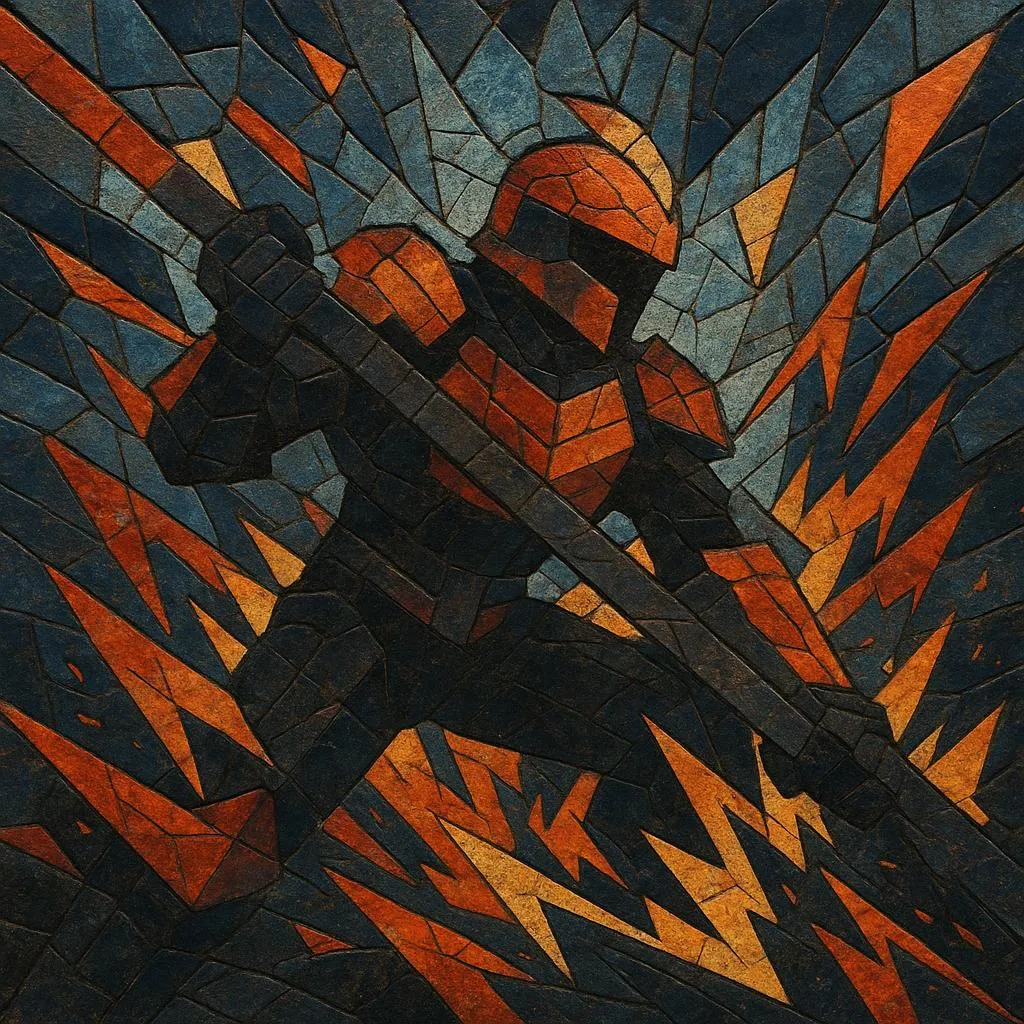
Bossbeat is an internet‑born, high‑octane branch of EDM tailored to evoke the intensity of a video‑game “boss fight.” Producers fuse modern dubstep and trap sound design with melodic, leitmotif‑driven writing borrowed from video game music and film scoring, aiming for cinematic build‑ups and explosive, riff‑like drops.

Characteristic features include minor‑key motifs, fast and syncopated percussion, halftime switch‑ups, aggressive bass design (growls, reeses, metallic FM), and hybrid orchestral layers (brass stabs, choirs, epic drums). The result is music that feels both dance‑floor ready and narratively dramatic—perfect for action montages, game content, and creator culture.


Sources: Spotify, Wikipedia, Discogs, RYM, MB, user feedback and other online sources

what’s “bossbeat”?
what’s “bossbeat”?
blustre

History

Origins

Bossbeat emerged during the 2010s from online producer communities orbiting YouTube, SoundCloud, Newgrounds, and later TikTok. As EDM styles like dubstep, trap, and color bass matured, a cohort of creators began writing tracks engineered to feel like the climactic, high‑stakes energy of a video‑game boss battle.

Early Catalysts

Monstercat‑adjacent artists and the Geometry Dash/Newgrounds ecosystems helped normalize a hybrid of festival‑sized drops and game‑score melodicism. Producers borrowed leitmotif writing from video game music and cinematic scoring while keeping club‑oriented sound design and EDM structures intact.

Aesthetics and Codification

By the late 2010s, community tags and playlists (e.g., “boss fight/boss music” vibes) converged on a recognizable recipe: minor‑mode themes, big melodic hooks, halftime rhythmic pivots, and layered orchestral hits around dubstep or trap drops. The term “bossbeat” circulated in beat‑making and content‑creator circles to describe these purpose‑built, dramatic bangers.

2020s Spread

Short‑form video platforms broadened the audience as creators used bossbeat tracks for gaming highlights, animation edits, and action‑heavy reels. This feedback loop pushed producers to refine the formula: tighter transitions, bigger stings and impacts, and more thematic intros that telegraph “final‑battle” stakes within seconds.

Legacy

Bossbeat now sits at the intersection of EDM and media‑score culture—informing cinematic dubstep, gaming‑centric EDM, and electro‑orchestral hybrids—while remaining a go‑to mood for content needing instant epic intensity.


How to make a track in this genre

Core Palette
•   Tempo: 140–160 BPM (often 150–155), with halftime switches (75–80 BPM feel) for contrast. •   Tonality: Minor keys (Aeolian, Phrygian) with chromatic runs and occasional modal mixture for menace. •   Motifs: Write a short, memorable theme (a “boss motif”) that can survive multiple orchestrations—synth lead, brass, choir, or bass.
Sound Design and Orchestration
•   Bass: Layer reese foundations with FM/WT growls, metallic yoys, and formant movement. Automate filters and distortion for talking, “monster” articulations. •   Leads: Supersaws or monosynth leads with portamento for heroic hooks; double with trumpets/horns or choir for cinematic scale. •   Hybrid Layers: Add trailer‑drum hits, tom runs, taikos, risers, whooshes, and braams. Use orchestral stabs to punctuate downbeats and transitions.
Rhythm and Groove
•   Drums: Tight, punchy kicks; snappy snares/claps; off‑beat hats; fill with triplet rolls and glitch fills before drops. Alternate 4/4 festival stomp with halftime for drop impact. •   Syncopation: Use call‑and‑response between motif and bass shots; leave micro‑gaps for impacts and FX to breathe.
Structure and Arrangement
•   Intro/Hook: Establish motif quickly with filtered synth or piano + subtle percussion. •   Build: Intensify with rising noise, pitch‑bent uplifters, and rhythmic density; tease drop motif. •   Drop A/B: Drop A states the main idea; Drop B varies harmony, bass phrasing, or orchestration (e.g., switch to halftime or add choir/strings). •   Breakdown/Finale: Brief atmospheric reset, then a condensed, maximal final drop or key‑lift.
Mixing and Mastering
•   Headroom for impacts; sidechain musical elements to kick and sub. •   Bright, modern top‑end on leads and FX; keep sub mono and controlled. Use parallel compression on drums for weight.
Optional Media Scoring Touches
•   Leitmotif Development: Reharmonize your theme over different chords for “phases” (as in multi‑stage boss fights). •   SFX Integration: Sword swishes, mech servos, or UI beeps in rhythm can sell the boss‑arena fiction.
How to Make Epic Boss Fight Music in FL Studio
Emil Ludvigsen

Best playlists

The Sound of Bossbeat
Every Noise at Once
Bossbeat
Bossbeat
Chosic
Best of Bossbeat
Best of Bossbeat
volt.fm
HipHop Mix 2025 – Girl Boss Chill Beats for Success
Lunar Vibes
MIX BOUSS BY DJIKAZ - ET SI J'ECHOUE ? @boussofficiel
DJIKAZ

Main artists

Top tracks

Locked
Share your favorite track to unlock other users’ top tracks

Upcoming concerts

in this genre
Influenced by
Has influenced

Download our mobile app

Get the Melodigging app and start digging for new genres on the go
© 2026 Melodigging
Melodding was created as a tribute to Every Noise at Once, which inspired us to help curious minds keep digging into music's ever-evolving genres.
Buy me a coffee for Melodigging