Your digging level

For this genre
0/8
🏆
Sign in, then listen to this genre to level up

Description

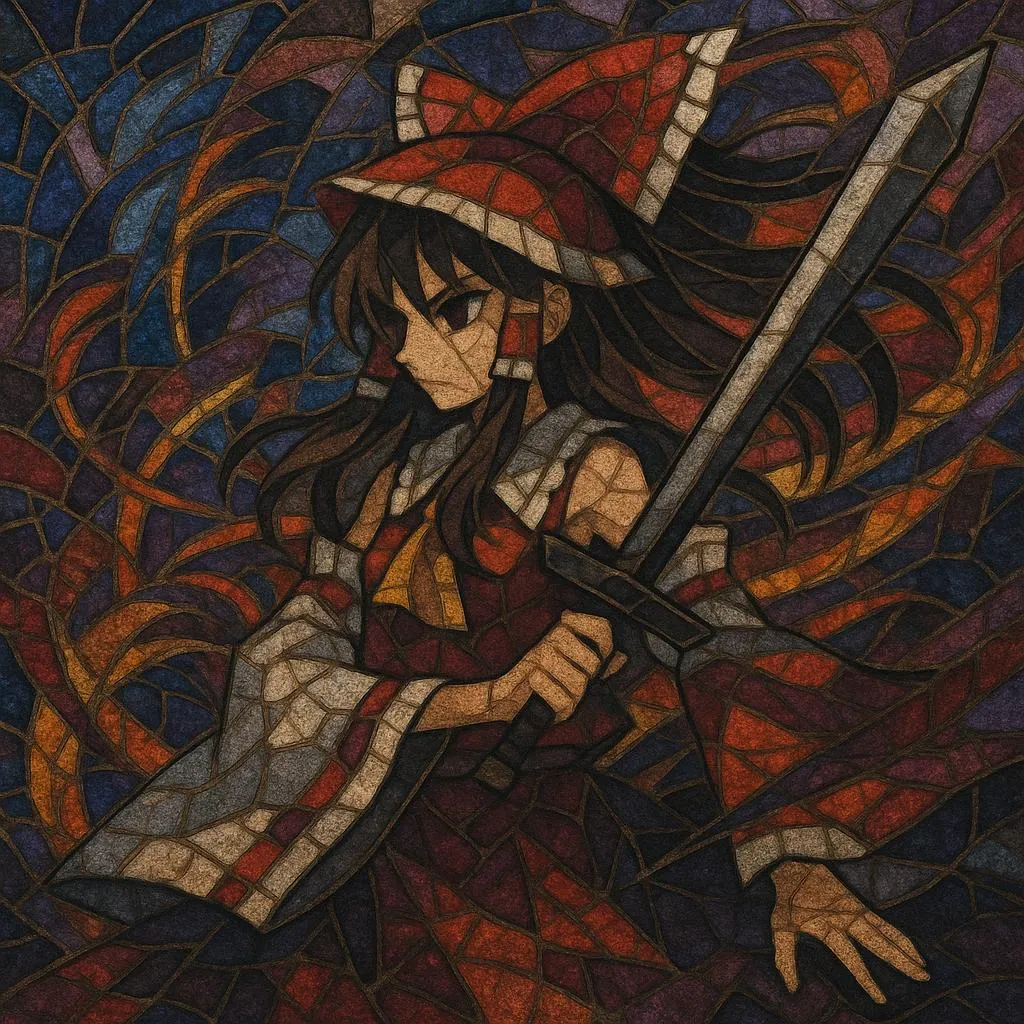
Touhou is a fan-driven music ecosystem that centers on the melodic boss themes and stage pieces from the Touhou Project games by ZUN (Team Shanghai Alice), and the vast culture of doujin (independent) arrangements derived from them.

While the original soundtracks draw on jazzy harmonies, ear‑catching melodies, and fast, arcade‑ready pacing, the broader “Touhou” tag usually denotes the enormous body of remixes that reimagine these themes as rock/metal, trance, eurobeat, denpa, jazz, orchestral, and more. Character leitmotifs, brisk BPMs, bright “ZUN‑pet” synth/brass timbres, and dramatic modulations are common fingerprints.

The style is deeply tied to Japanese doujin culture, with circles releasing CDs at events like Comiket and Reitaisai and sharing on platforms such as Niconico Douga and YouTube, where meme‑driven hits (e.g., eurobeat or denpa takes) helped globalize the sound.


Sources: Spotify, Wikipedia, Discogs, RYM, MB, user feedback and other online sources

History

Origins (PC‑98 to Windows era)

Touhou Project began in the mid‑to‑late 1990s on the PC‑98 platform, where ZUN’s early scores combined chiptune/FMsynth aesthetics with catchy, modal-tinged melodies suitable for bullet‑hell gameplay. The shift to Windows titles in the early 2000s (e.g., Embodiment of Scarlet Devil, 2002) brought a lusher MIDI/synth palette—bright synth trumpets, piano, and driving rhythm sections—that became iconic among fans.

Rise of the doujin arrangement culture

From the 2000s onward, Japanese doujin circles rapidly adopted Touhou themes as raw material for arrangements. Events like Comiket and especially Reitaisai (founded 2004) created a marketplace and community for CDs spanning rock/metal bands, EDM producers, jazz big bands, and string ensembles. Platforms like Niconico Douga further amplified distribution, fueling meme songs and high‑velocity stylistic crossovers.

Globalization and stylistic breadth

By the late 2000s and 2010s, Touhou remixes had become a lingua franca across internet music: eurobeat (A‑One), electro/house (Alstroemeria Records), denpa (IOSYS, COOL&CREATE), progressive/metal (Demetori, Unlucky Morpheus), acoustic/classical (TAMUSIC), and jazz (Tokyo Active NEETs) all flourished. Western arrangers and bands joined the scene, and Touhou’s leitmotifs became recognizable beyond gaming communities.

Lasting impact

Touhou’s open, remix‑friendly culture helped shape modern doujin music practices, encouraged cross‑genre arranging as a norm, and influenced adjacent internet scenes (utaite singers, Niconico producers, VTuber covers). The hallmarks—memorable melodies, fast pacing, and bright synth‑brass—remain instantly identifiable.

How to make a track in this genre

Core palette and tempo
•   Aim for brisk arcade energy: 150–190 BPM is common (faster for eurobeat/trance takes). •   Use bright lead timbres: synth brass (“ZUN‑pets”), square/saw leads, and crisp piano. Layer octave‑doubled melodies for punch.
Harmony and melody
•   Start with a strong, singable motif; treat it as a character leitmotif that can survive re‑harmonization. •   Use diatonic centers with modal color (Dorian, Mixolydian) and occasional borrowed chords. •   Employ jazz‑leaning extensions (add9, 11, 13), secondary dominants, and bold modulations (e.g., up a whole step) to heighten drama.
Rhythm and form
•   Stage/boss music often follows an arcade loop: short intro → A (theme) → B (contrasting section) → return/loop. Keep momentum high with motoric ostinatos and off‑beat accents. •   For EDM arrangements: build tension with risers and snare rolls; drop into a driving four‑on‑the‑floor or syncopated bass pattern. •   Don’t fear 3/4 or 6/8 for waltz‑like tracks; Touhou canon includes these meters.
Arrangement tips by sub‑flavor
•   Rock/Metal: Double the melody with guitar/piano; use pedal‑point riffs, gallops, and dramatic stops. Add solos that quote or vary the main theme. •   Trance/Eurobeat: Side‑chained pads, supersaw stacks, energetic fills, and key‑rise modulations before the final chorus. •   Denpa/Pop: Cutesy, hyperactive vocals with call‑and‑response, onomatopoeia, and character‑driven lyrics. •   Jazz/Big band: Re‑harmonize with walking bass, brass section hits, and modulating shout choruses while preserving the leitmotif. •   Orchestral: Orchestrate the melody across strings/woodwinds, use percussion swells for boss‑fight scale.
Production and presentation
•   Prioritize a clear, forward lead; automate filters and brightness to mirror bullet‑hell intensity curves. •   Keep loopability in mind: craft seamless loop points if targeting game‑style playback. •   Titling and art often reference characters/lore; lyrics (when present) commonly narrate character POVs or story beats.

Top tracks

Locked
Share your favorite track to unlock other users’ top tracks

Upcoming concerts

in this genre
Influenced by
Has influenced

Download our mobile app

Get the Melodigging app and start digging for new genres on the go
© 2026 Melodigging
Melodding was created as a tribute to Every Noise at Once, which inspired us to help curious minds keep digging into music's ever-evolving genres.
Buy me a coffee for Melodigging