Your digging level
Description
Volkstümliche Musik is a commercially oriented, folk-inspired popular style from the German-speaking world that blends traditional alpine sounds with pop-friendly songcraft. It emphasizes singable melodies, simple harmonies, and themes of Heimat (homeland), countryside life, love, and family.
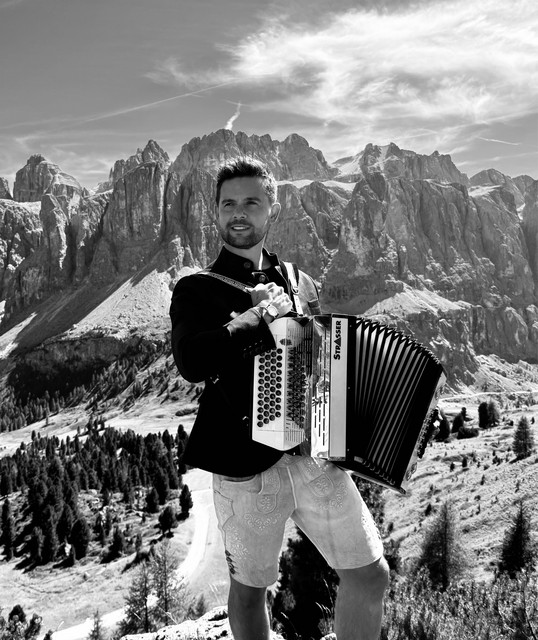
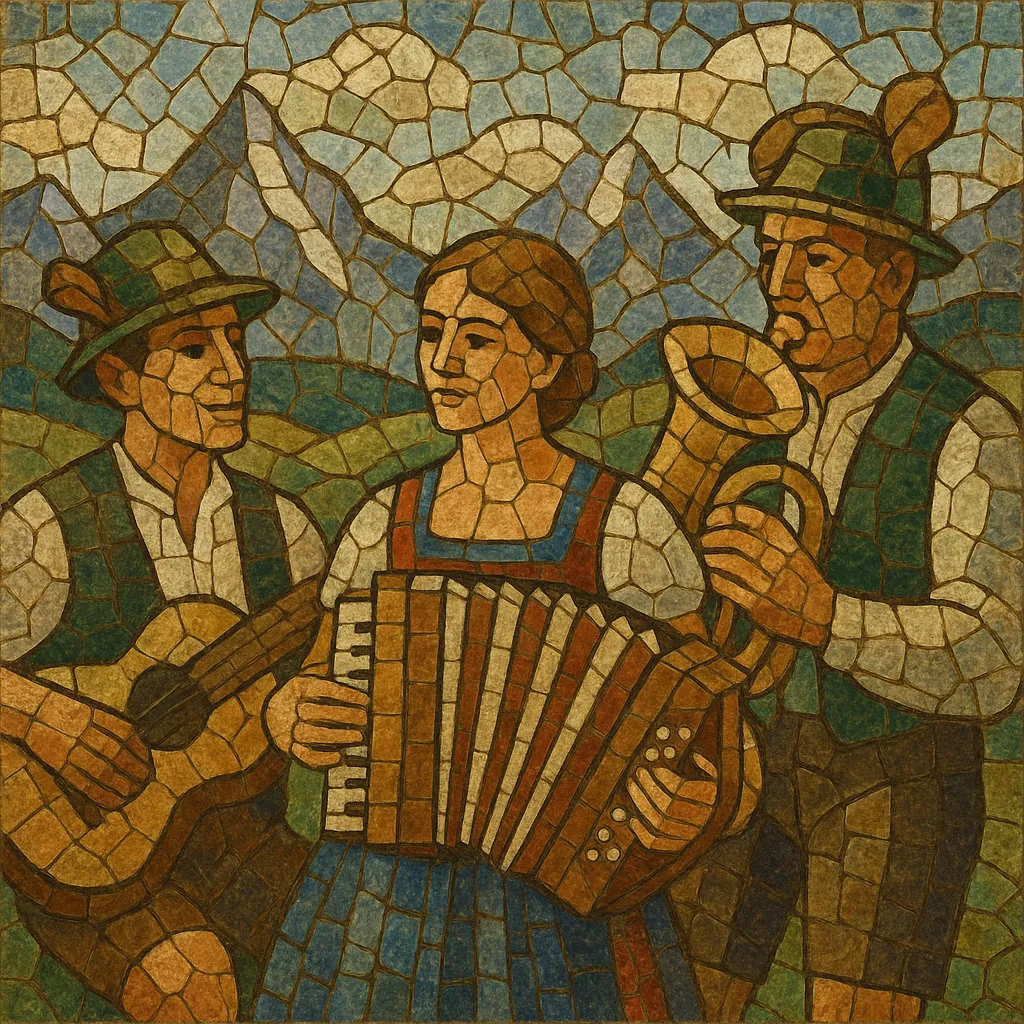
While rooted in regional folk (Volksmusik), the genre is polished for radio and television, featuring brass band timbres, accordion, yodeling elements, and danceable rhythms such as polka, waltz, and marches. Its accessible aesthetics and sentimental tone made it a mainstay of variety shows and festivals across Germany, Austria, and Switzerland.
History
Volkstümliche Musik emerged in the 1960s when traditional German and Austrian folk practices were adapted to the structures and production values of contemporary popular music. Early exponents drew on polka, waltz, Ländler, brass band traditions, and yodeling, but presented them with concise song forms and studio polish suited to records and radio.
The genre’s popularity accelerated with the rise of television variety programming and festivals. Shows such as Musikantenstadl (launched in the 1980s) created a nationwide platform for artists and groups, standardizing a cheerful, family-friendly image. The repertoire favored strophic songs with catchy refrains, sentimental lyrics about rural life and Heimat, and danceable grooves.
By the 1980s and 1990s, the style’s sonic identity was firmly established: brass and accordion timbres, diatonic harmonies (I–IV–V progressions), moderate tempos, and choreography-friendly arrangements. The audience skewed broad and intergenerational, with strong support in German-speaking regions and among diaspora communities.
In the 2000s, a younger generation remixed folk markers with pop/rock and contemporary production, paving the way for Neue Volksmusik, while more traditional acts sustained the classic sound. Large televised events, folk festivals, and themed tours continue to reinforce the genre’s communal spirit and celebratory ethos.