Your digging level
Description
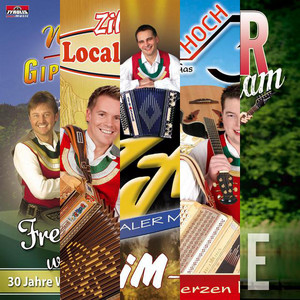
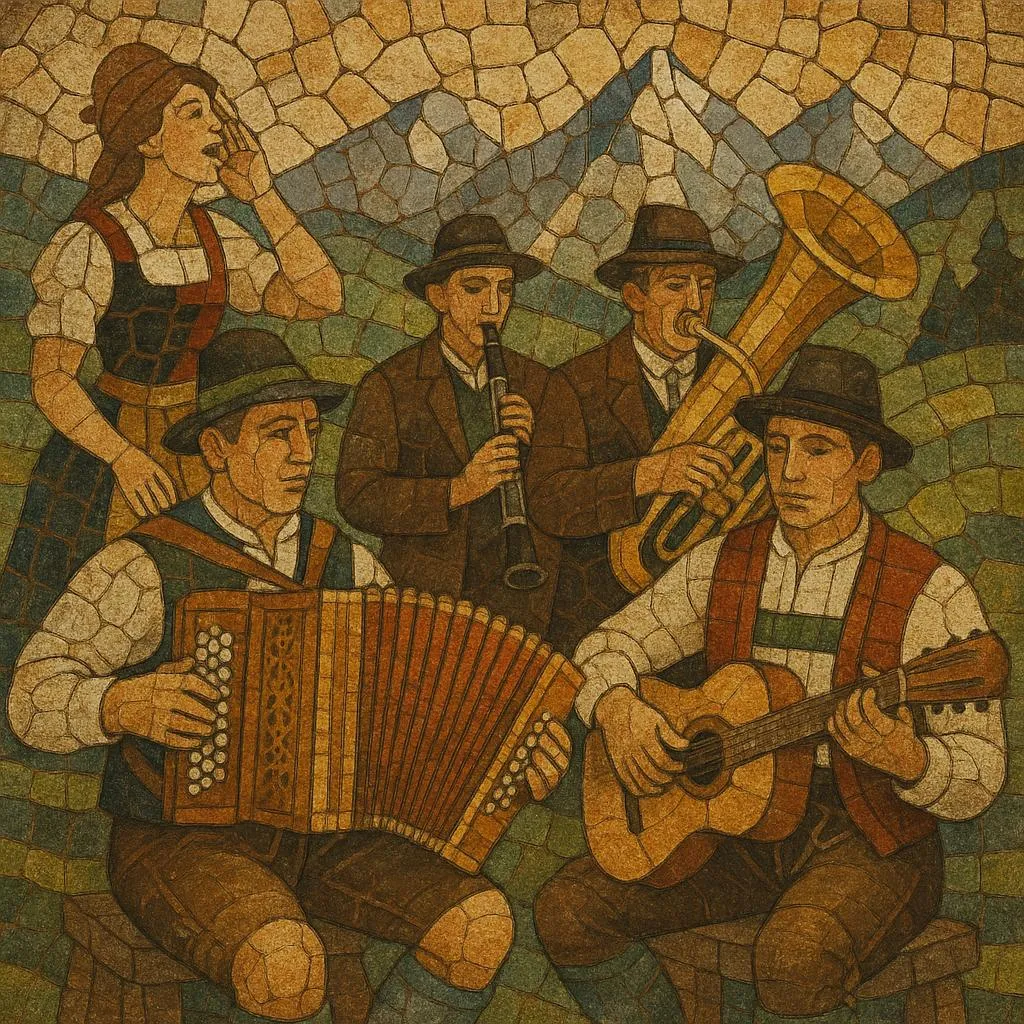
Zillertal is a regional style of Alpine folk music from the Zillertal valley in Tyrol, Austria. It is rooted in village dance and song traditions (polka, Ländler/Boarischer, waltz, marches) and is instantly recognizable for its diatonic button accordion (Steirische Harmonika), robust brass and clarinet timbres, guitar or harp accompaniment, and frequent yodel passages.
In modern performance, Zillertal music ranges from intimate string or harmonica-led Stubenmusik to stage-ready volkstümliche Schlager with catchy refrains, call-and-response, and upbeat polkas designed for communal dancing. Lyrics often celebrate home, mountains, seasons, courtship, and conviviality, sung in Tyrolean/Austro‑Bavarian dialects. The style balances rustic authenticity with showmanship, preserving traditional forms while welcoming amplified instruments and pop-leaning arrangements.
History
Zillertal’s documented prominence begins in the early 1800s, when local singing families from the valley (notably the Strasser and Rainer ensembles) popularized Tyrolean part-singing and yodel across Europe and North America. Their touring made the Tyrolean yodel and rustic Alpine repertoire internationally visible, and set a template for small-group harmony with portable instruments.
At home, the repertory centered on social dances—polkas, Ländler/Boarischer, waltzes, and marches—played on diatonic button accordion, fiddle, zither or hackbrett (hammered dulcimer), guitar, and later brass. This music functioned at weddings, harvest feasts, and taverns, with strophic songs and instrumental Tänze that encouraged community participation.
After WWII, radio, records, and festivals professionalized Alpine folk performance. Zillertal groups adopted tighter stage formats, brighter brass/clarinet voicings, and the popular Oberkrainer-influenced combo (accordion, clarinet, trumpet, baritone horn, guitar/kontrabass). From the 1960s onward, TV and touring circuits favored cheerful, danceable sets and dialect songs that fit the volkstümliche Schlager market while retaining regional flavor.
By the late 20th century, some Zillertal acts fused folk with pop/rock backlines (“Alpenrock”), while others stayed acoustic. Today the style thrives at Alm- and festival stages, in Oktoberfest repertoires, and on regional broadcasting. Young bands keep the dance core (polka, waltz, Boarischer) alive, mixing time-honored yodel techniques and dialect storytelling with polished arrangements and modern amplification.