Your digging level for this genre

0/8
🏆
Sign in, then listen to this genre to level up

Description

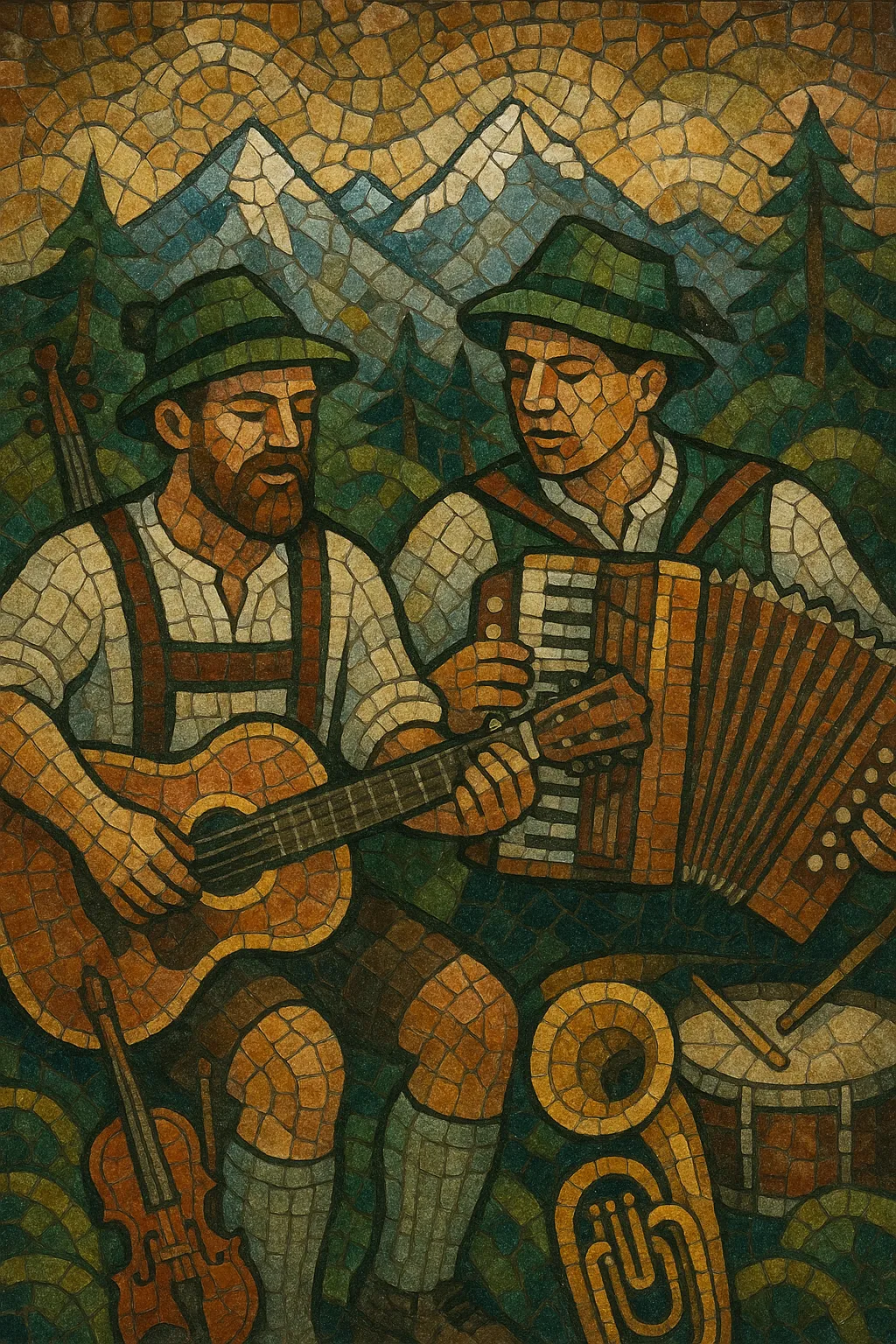
Alpenrock (Alpine rock) blends the sound and energy of rock with traditional music of the Alpine regions. Typical rock rhythm sections (drum kit, electric bass, electric/acoustic guitars, keys) are combined with folk timbres such as the Steirische Harmonika (diatonic button accordion), zither, alphorn, hammered dulcimer (Hackbrett), and brass-band horns.

Songs often use Austrian, Bavarian, Swiss-German, or South Tyrolean dialects. Melodic hooks draw on yodeling figures, Ländler- and polka-derived phrases, and waltz contours, but they sit over backbeats and riff-based grooves. The result is festival-friendly, communal, and danceable—equally at home in beer tents and rock venues.

History

Origins (1970s–1980s)

Alpenrock emerged in the 1970s when Alpine folk musicians began amplifying their ensembles and adopting rock instrumentation and stagecraft. Early pioneers from Austria and Tyrol, notably the Zillertaler Schürzenjäger (later simply Schürzenjäger), fused polkas and waltzes with electric guitars and drum kits. Parallel threads in Bavaria and Switzerland saw dialect rock bands mixing Ländler motifs with blues-rock and pop-rock forms.

Mainstream Breakthrough (1990s)

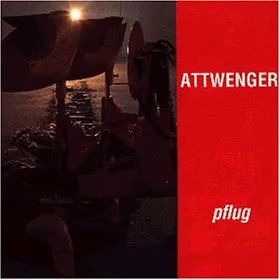
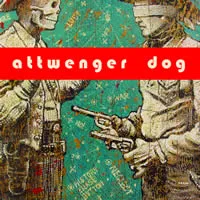
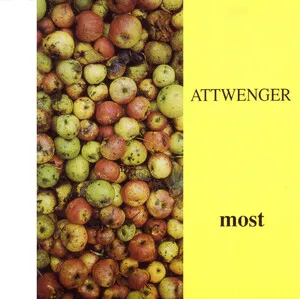
The genre reached a wider public in the early 1990s. Hubert von Goisern & Die Original Alpinkatzen became emblematic with hits like “Hiatamadl” (1992), combining yodel inflections, squeezebox riffs, and rock swagger. TV folk-and-pop variety shows and large open-air festivals helped normalize the coexistence of traditional Volksmusik instrumentation with modern rock aesthetics. Attwenger’s minimalist, dialect-driven experiments and Bavarian acts such as Haindling broadened the palette toward art-pop and avant-folk.

Diversification and New Generations (2000s–present)

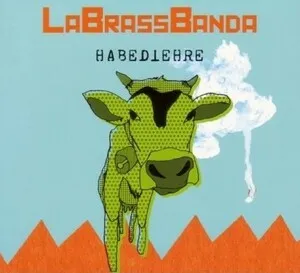
In the 2000s and 2010s, groups like LaBrassBanda popularized a brass-forward, high-tempo form of Alpenrock that travelled well on international stages. Swiss dialect rock (e.g., Patent Ochsner, Züri West) sustained a regional identity while absorbing indie-rock and pop influences. The movement fed into the wider Neue Volksmusik current, encouraging young artists to treat Alpine idioms as living, mixable materials. Today, Alpenrock remains a vital live genre—anchored in local identity yet comfortable with contemporary production and cross-genre collaboration.

How to make a track in this genre

Instrumentation and Timbre
•   Start with a rock rhythm section: drum kit (solid backbeat), electric bass, and electric/acoustic guitars. •   Add Alpine folk colors: Steirische Harmonika (diatonic accordion), zither or Hackbrett, alphorn for fanfare-like lines, and brass (trumpet, trombone, tuba) for oom-pah drive. •   Keep guitars relatively clean or mildly overdriven so traditional instruments remain audible.
Rhythm and Groove
•   Alternate or hybridize dance metres: 2/4 polka, 3/4 or 6/8 Ländler/waltz feels, and straight 4/4 rock backbeats. •   Use tuba or electric bass to articulate the classic oom-pah (bass-chord) underpinning while the drum kit locks kick on beats 1/3 (polka) or a driving 2/4 backbeat.
Harmony and Melody
•   Favour diatonic major/minor with occasional modal color (mixolydian and dorian), reflecting folk origins. •   Build riffs from pentatonic and triadic motifs; feature call-and-response between voice, accordion, and brass. •   Integrate yodel-inspired intervals (thirds, sixths) as melodic hooks or short yodel breaks.
Lyrics and Delivery
•   Write in local dialect (Austrian/Bavarian/Swiss-German) about mountain life, community, travel, humor, and nostalgia. •   Use catchy, communal choruses designed for audience sing-alongs.
Forms and Arrangement
•   Common forms: verse–chorus with instrumental breaks for accordion, brass, or alphorn. •   Arrange dynamics so folk instruments lead in verses, with full rock power for choruses.
Production Tips
•   Mic and pan folk instruments for clarity; carve EQ space around 200–500 Hz for accordion/zither and 1–3 kHz for brass presence. •   Keep tempos moderate-to-upbeat (90–140 BPM) to stay danceable while preserving folk dance feel.

Top tracks

Locked
Share your favorite track to unlock other users’ top tracks
Influenced by
Has influenced
Challenges
Digger Battle
Let's see who can find the best track in this genre
© 2025 Melodigging
Melodding was created as a tribute to Every Noise at Once, which inspired us to help curious minds keep digging into music's ever-evolving genres.
Buy me a coffee for Melodigging