Your digging level
Description
Narodnozabavna glasba is a Slovenian popular-folk dance music that blends local folk song and dance traditions with light pop sensibilities. It is best known for lively polkas in 2/4 and tender waltzes in 3/4, arranged for compact small ensembles.
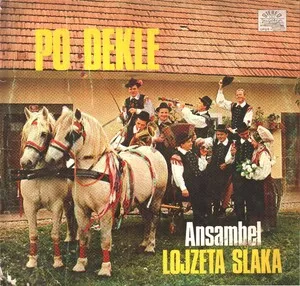
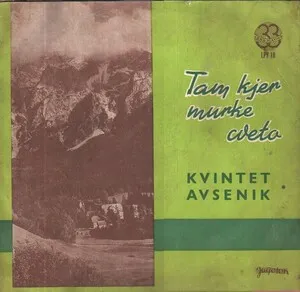
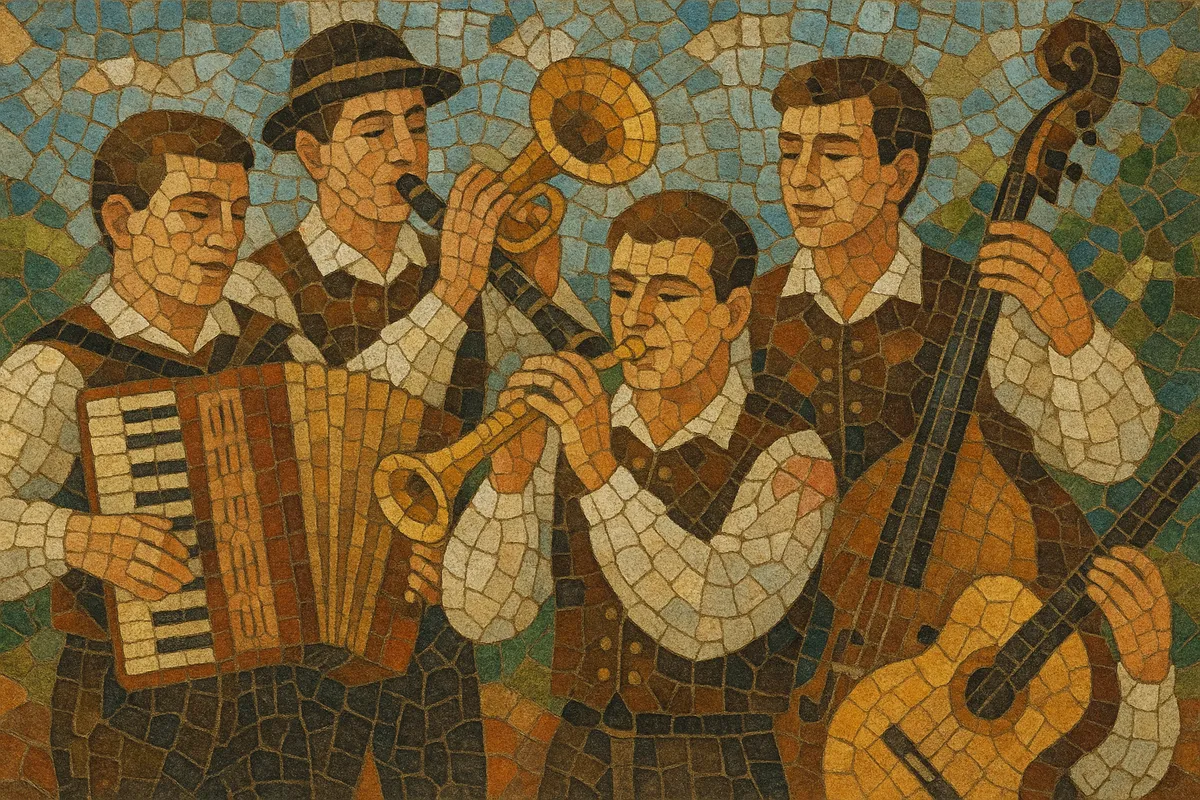
The classic "Oberkrainer"-style quintet—popularized by the Avsenik Brothers—features accordion, clarinet, trumpet, guitar, and bass, with close-harmony vocals. A parallel lineage led by Lojze Slak centers the diatonic button accordion (frajtonarica) with guitar accompaniment and vocal quartet. Melodies are singable and bright, rhythms are "oom-pah" danceable, and lyrics celebrate countryside life, love, friendship, and Alpine landscapes.
History
Narodnozabavna glasba emerged in postwar Slovenia during the 1950s, synthesizing local folk dance repertoires (polka, waltz, ländler) with compact, radio-ready arrangements and modern instruments. The breakthrough came with Ansambel bratov Avsenik (the Avsenik Brothers Ensemble), whose "Oberkrainer" quintet sound—accordion, clarinet, trumpet, guitar, and bass—set the template for the genre.
Through the 1960s and 1970s the music flourished on radio, television, and village festivals. Two core strands crystallized: the Avsenik "Oberkrainer" brass-reed quintet sound, and the Lojze Slak approach, which foregrounded the diatonic button accordion (frajtonarica) with guitar backing and a male vocal quartet. Both emphasized catchy melodies, tight arrangements, and dance-floor energy.
As ensembles toured Austria, Germany, and northern Italy, the style spread across the Alpine region, influencing and mixing with volkstümliche musik and schlager programming. Oberkrainer-style repertoire became a staple of German-language folk-pop entertainment, while Slovenian groups remained recognized standard-bearers of the sound.
Today, narodnozabavna glasba thrives at festivals, weddings, and televised music shows. Modern bands preserve the polka/waltz core while updating production, adding occasional pop harmonies, and writing new songs in a classic mold. The style remains a living symbol of Slovenian musical identity and communal dance culture.