Your digging level
Description
Schwyzerörgeli refers to Swiss folk music centered on the Schwyzerörgeli, a local three-row diatonic button accordion that became emblematic of central and alpine Switzerland.
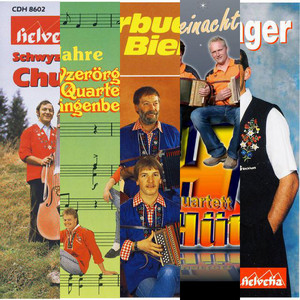
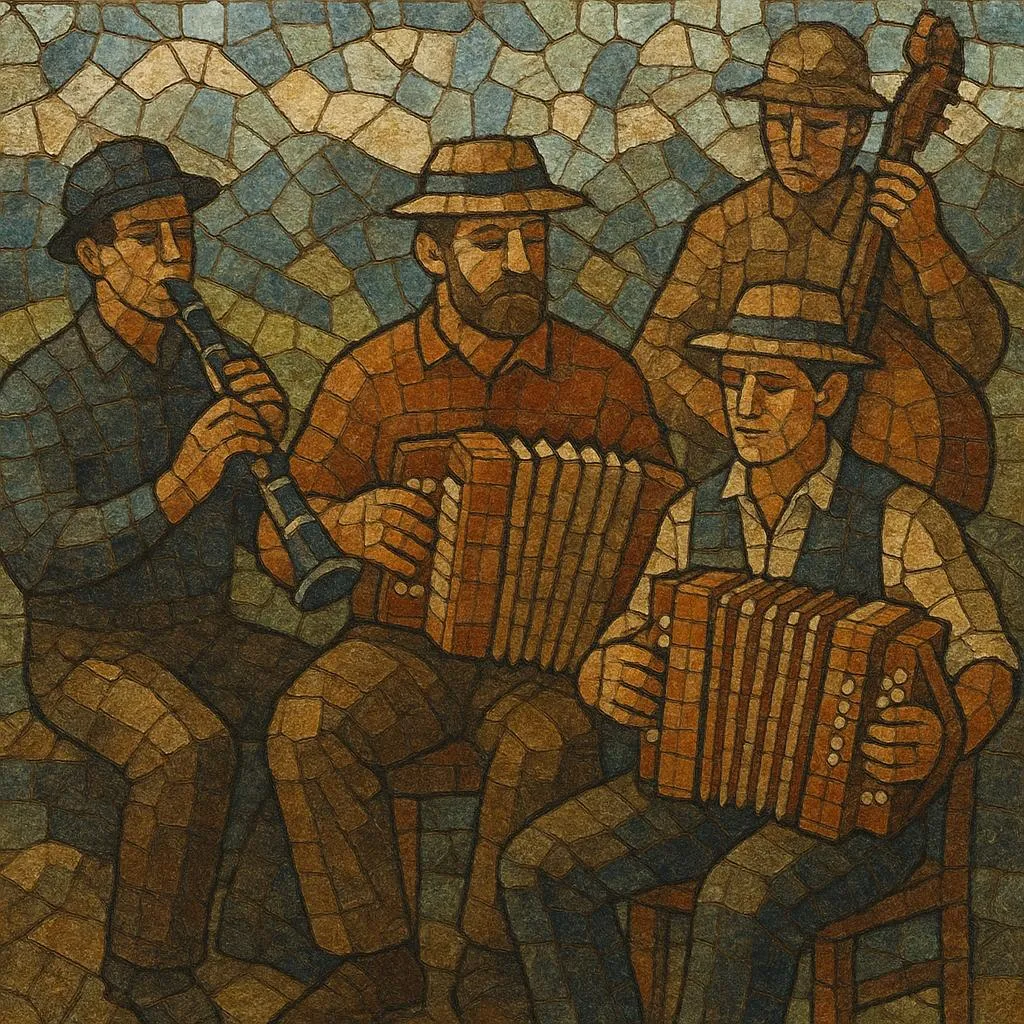
Typical ensembles are duos, trios, and quartets (often called Handorgelduo or Schwyzerörgeliquartett) featuring one or two Schwyzerörgeli, plus bass (double bass or electric bass), and sometimes clarinet or fiddle. The repertoire revolves around social dance forms such as Ländler, Schottisch, Walzer (waltz), Polka, and Märsche (marches). The sound is marked by bright, reedy timbre, parallel thirds and sixths in the right hand, energetic oom-pah bass patterns, and crisp bellows-driven articulation.
Although the instrument is diatonic, players exploit bellows direction changes, grace notes, slides, and trills to produce a fluid, highly ornamented and distinctly Swiss phrasing. The result is convivial, danceable music that bridges village festivities and modern concert stages.
History
Diatonic accordions arrived in Switzerland in the mid-1800s (e.g., the smaller Langnauerli in the Emmental). Around the 1880s, instrument makers and players in the canton of Schwyz refined a larger, three-row diatonic box with a characteristic Swiss bass layout and a brighter, more projecting reed chorus—the Schwyzerörgeli. Its greater power and flexibility made it ideal for village dances and outdoor gatherings in central and alpine regions.
By the early 20th century the Schwyzerörgeli had become a pillar of local Ländlerkapellen (dance bands). Radio, regional festivals, and domestic labels helped standardize a repertoire of Ländler, Schottisch, Polka, Märsche, and Walzer. Duos and quartets emerged as a signature format, with the Schwyzerörgeli sharing foreground melodies and countermelodies while the bass provided an oom‑pah foundation. Recordings from this period cemented stylistic traits such as parallel-interval harmonization and quick, clean ornamentation.
Distinct regional idioms formed (e.g., Muotathal/Innerschwyz, Bernese Oberland, and Emmental), each with preferred tempos, ornament types, and repertoire choices. Makers continued to refine reed voicing and tuning (from drier to moderately tremolo “Helvetic” blends). The genre intersected with volkstümliche Unterhaltungsmusik (popular volkstümlich entertainment), bringing the Schwyzerörgeli into televised shows and large festival stages without losing its core dance identity.
A new generation of virtuosi and ensembles expanded technique and harmony while honoring dance roots, occasionally fusing the Schwyzerörgeli with contemporary jazz harmony, chamber textures, or modern folk aesthetics. Today the instrument and its repertoire remain central to Swiss folk life—from Stubete (jam sessions) and local Feste to formal concerts and international folk festivals.