Genres
Artists
Albums
Make Music
Sign in
Sign in
Artists
Art Pop
Artists
Art Pop
Björk
1993–2025
·
42 albums
Listen
4
/5
Genres
Edm
EDM (Electronic Dance Music) refers to the mainstream, festival-oriented wave of electronic dance styles that rose to global prominence in the early 2010s. It emphasizes high-energy drops, ear-catching toplines, and crowd-pleasing arrangements designed for large stages and mass audiences. Musically, EDM typically sits around 124–130 BPM with a strong four-on-the-floor kick, wide supersaw leads, bright plucks, and heavily sidechained pads and basses for a pumping feel. Tracks are structured around tension-and-release: intros and builds lead to explosive drops, followed by breakdowns that rebuild energy. Vocals and pop-style songwriting frequently appear, enabling crossover success on radio and streaming platforms.
Discover
Listen
Candy Pop
Candy pop is a super-bright, hook-forward branch of contemporary pop that emphasizes sweetness in both sound and theme. It blends bubblegum-style melodies with modern, glossy production, favoring catchy toplines, clean harmonies, and playful textures. Arrangements lean on glittery synths, claps, hand-percussion, and buoyant four-on-the-floor or bouncy half-time beats. Lyrics typically revolve around crushes, friendship, first love, and carefree fun, delivered with enthusiastic, youthful vocals. Compared with classic bubblegum pop, candy pop adopts current pop techniques (EDM builds, post-chorus hooks, subtle trap-lite percussion) and borrows visual and melodic cues from J-pop and K-pop’s “kawaii” aesthetics.
Discover
Listen
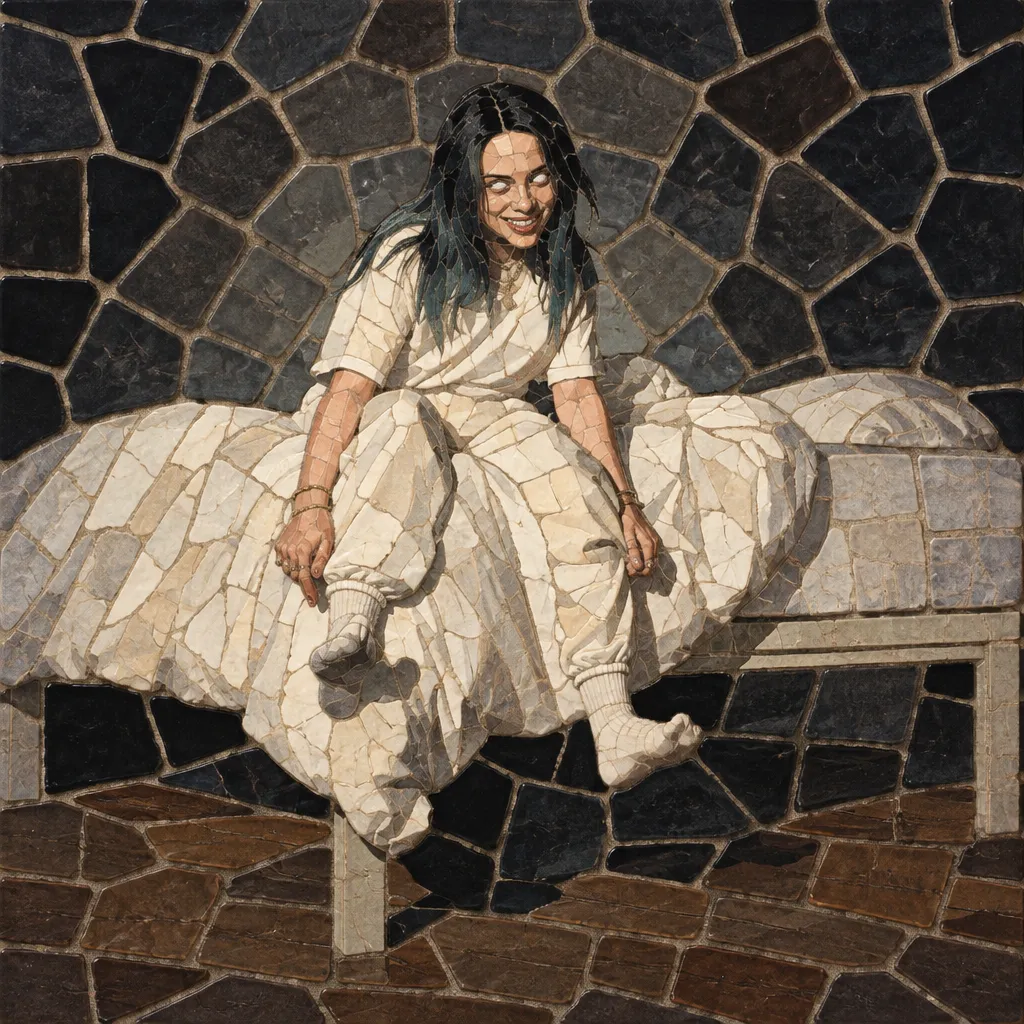
Dark Pop
Dark pop is a moody, minor‑key strain of pop that blends the hooks and structure of mainstream pop with the shadowy timbres of dark wave, trip hop, and alternative electronic music. It favors intimate, close‑mic vocals, cinematic ambience, and lyrics that explore vulnerability, power, and the unsettling edges of modern life. Production often leans on sub‑bass, sparse trap‑influenced drums, and glossy yet ominous synths, creating a high‑contrast sound that feels both confessional and theatrical. While radio‑friendly in form, dark pop emphasizes tension over euphoria: melodies linger in lower registers, harmonies use modal mixture, and textures deploy reverb, distortion, and sound‑design flourishes to evoke unease and melancholy.
Discover
Listen
Digital Horror
Digital horror is a contemporary horror aesthetic that focuses on dread emerging from networked technologies, software, and always‑on media. Narratives and sound worlds revolve around screens, social platforms, livestreams, malware, deepfakes, and the uncanny presence of algorithmic systems. In music and sound design, the style translates this fear of the digital into glitching textures, corrupted audio artifacts, synthetic drones, and the weaponization of familiar interface sounds (alerts, keyboards, notification pings). It often blends dark ambient, industrial noise, and hauntological sampling to suggest threats that live inside code, clouds, and data centers—consistent with the wider definition that emphasizes anxiety and supernatural menace arising from the Internet and modern media.
Discover
Listen
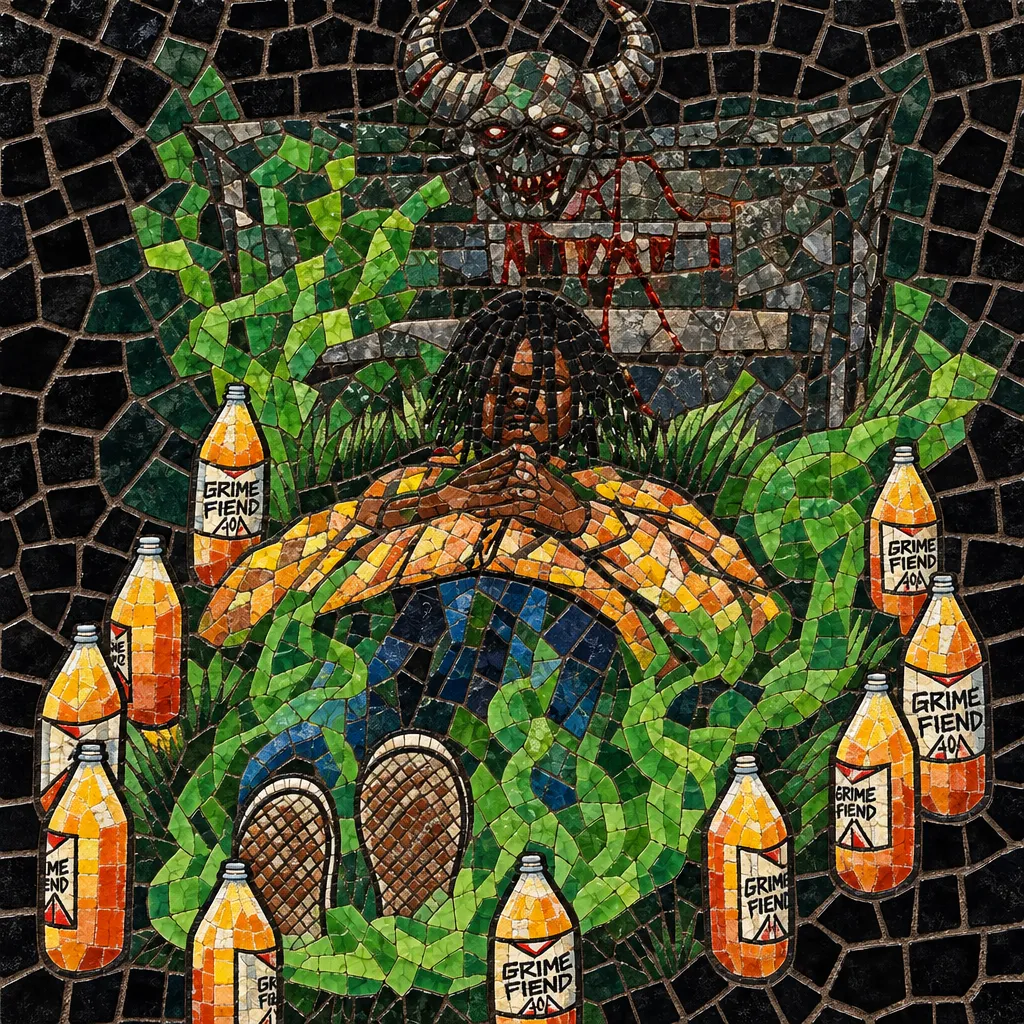
Doomshop Phonk
Doomshop phonk is a darker, grittier branch of phonk rooted in 1990s Memphis underground hip hop aesthetics and horrorcore imagery. It emphasizes slowed, pitched‑down rap vocals, eerie melodic loops, blown‑out 808 subs, and lo‑fi textures (tape hiss, vinyl crackle) to evoke a sinister, nocturnal atmosphere. The style was popularized online in the mid‑2010s through the Doom Shop/Doomshop collective, YouTube mixtapes, and SoundCloud communities. Compared with mainstream or drift phonk, doomshop phonk keeps tempos slower, mixes dirtier, and samples and programming closer to chopped‑and‑screwed and early Memphis traditions.
Discover
Listen
Experimental Club Music
Experimental club music (often called post-club or deconstructed club) is a hybrid, avant‑garde approach to club production and performance that treats the dancefloor as a laboratory. It uses the grammar of contemporary club forms—heavy sub‑bass, kick patterns, samples, MC or chopped vocals—as raw material to be cut apart, collaged, and reassembled. Instead of four‑to‑the‑floor regularity, it favors asymmetry, abrupt contrasts, negative space, and extreme sound design drawn from noise, industrial, grime, ballroom/vogue, reggaeton, and internet culture. The result ranges from skeletal, percussive workouts to dense, cinematic soundscapes that can be as confrontational as they are cathartic. Just as importantly, the scene has been a site of diasporic, queer, and trans expression, where identity and politics are embedded in sonic choices and performance practice.
Discover
Listen
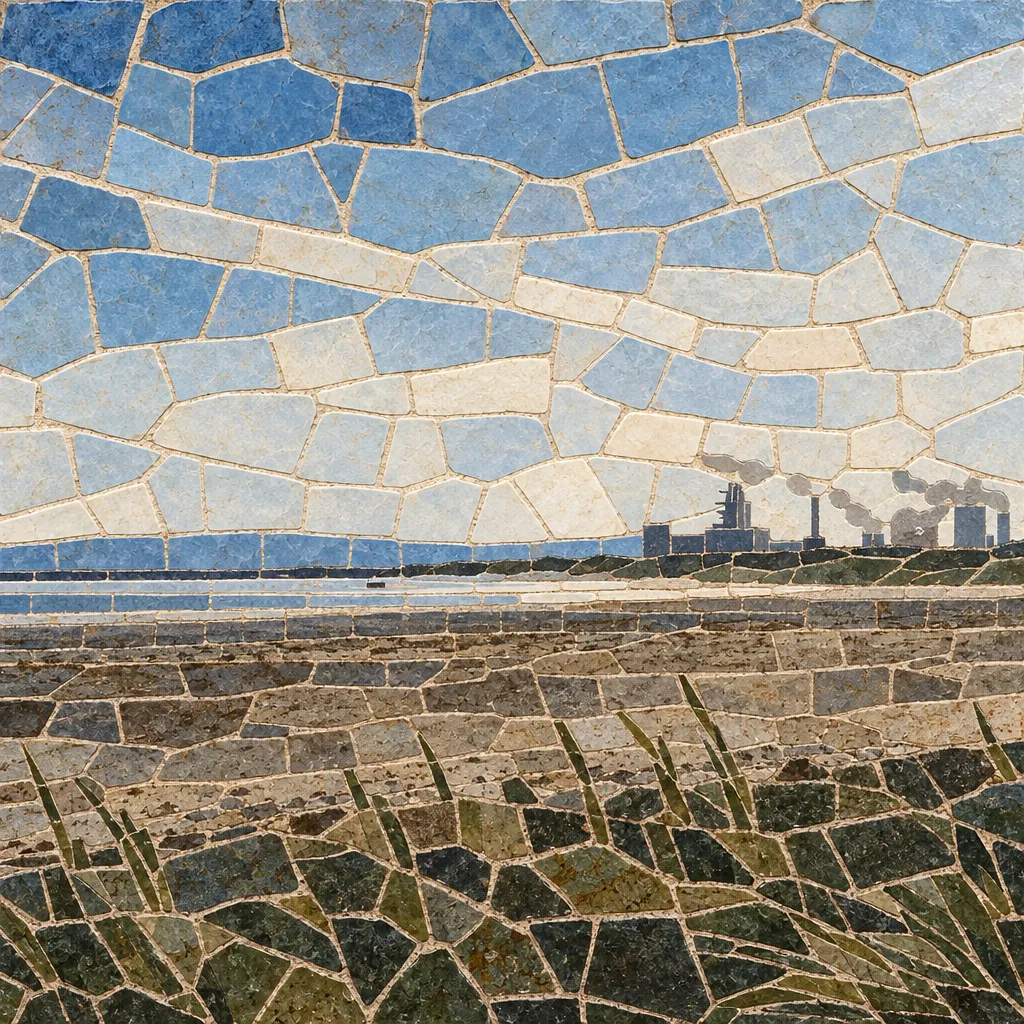
Northern Gothic
Northern gothic is a modern recontextualization of gothic sensibility rooted in the post‑industrial landscapes, politics, and culture of 21st‑century Northern England. It blends post‑punk austerity, industrial and dark ambient textures, hauntological memory work, and stark folk storytelling. The sound often evokes mills, moorland, sea ports, terraces, and cooling towers—spaces marked by deindustrialization—through tape patina, reverberant spaces, modular drones, and vernacular narratives. Compared with classic goth, it is less theatrical and more documentary or folkloric in tone, prioritizing regional specificity, minimalism, and social realism.
Discover
Listen
Phonk
Phonk is a dark, sample-heavy microgenre of hip hop and trap that resurrects the gritty aesthetics of 1990s Memphis rap. It blends chopped-and-screwed vocals, ominous minor-key loops, lo‑fi textures, and overdriven 808s to create a woozy, menacing atmosphere. While early phonk leaned on slowed vocal samples and cassette‑era grit, a later offshoot known as drift phonk foregrounded hard‑clipping 808 bass and bright cowbell patterns at faster tempos, becoming synonymous with car/drift videos and social media virality. Across its variants, phonk is united by retro Southern rap DNA, tape‑worn sonics, and an underground, DIY producer culture.
Discover
Listen
Tech-Noir
Tech-noir is a musical subgenre and aesthetic within the synthwave and darksynth scenes, characterized by a dark, cinematic, and dystopian atmosphere. It draws heavy inspiration from 1980s science fiction and neo-noir films, blending retro-futuristic synthesizer melodies with driving basslines and industrial elements. The music often incorporates narrative storytelling, spoken word samples, and soundscapes that evoke a sense of urban decay, high-tech menace, and cynical romance.
Discover
Listen
Trap Shaabi
Trap shaabi is an Egyptian fusion style that blends the street-party energy and timbres of shaabi/mahraganat with the half-time bounce, 808 weight, and ad‑libbed swagger of trap. It foregrounds Egyptian Arabic slang, bold hooks, and hyper-saturated sound design while retaining regional melodic colors and percussion. Producers stitch together distorted mizmar and arghul riffs, darbuka and sagat patterns, and microtonal melodies using maqam flavors (Bayati, Hijaz, Nahawand), then anchor them with booming sub‑bass, skittering hi‑hats, and clap-heavy drums. The result is a gritty, dance‑primed urban sound that feels equally at home in Cairo side streets and global streaming playlists.
Discover
Listen
Icelandic Experimental
Icelandic experimental is a cross‑disciplinary strain of Iceland’s music that blends ambient atmospheres, post‑rock scale, modern classical writing, electroacoustic techniques, and noise/field recordings. It favors texture over virtuosity, long dynamic arcs over strict song forms, and a highly spatial, reverberant sound that evokes volcanic landscapes, oceanic weather, and deep winter light. Artists combine electronics (granular synthesis, tape manipulation, modulars) with acoustic timbres (strings, prepared piano, voice, chamber ensembles), often using extended techniques and found sound. Vocals may be choral stacks, wordless syllables, or the Icelandic language itself treated as sonic material. The result ranges from glacially slow drones to fragile glitch‑folk and neoclassical miniatures.
Discover
Listen
Trip Hop
Trip hop is a downtempo, atmospheric fusion of hip hop rhythm and sampling techniques with the textures of dub, soul, jazz, and ambient music. Emerging from the Bristol scene in the early 1990s, it favors slow, head‑nodding breakbeats, deep bass, and cinematic sound design. The style is characterized by moody harmonies (often in minor keys), woozy tape- and vinyl-derived timbres, and liberal use of delay and reverb. Vocals frequently alternate between intimate, breathy singing and spoken word/rap, and lyrical themes tend toward noir, introspective, and melancholic subjects. Strings, Rhodes pianos, turntable scratches, and field recordings are common, creating a shadowy, filmic vibe.
Discover
Listen
Electronica
Electronica is a broad, largely 1990s umbrella term for a spectrum of electronic music crafted as much for immersive, album‑oriented listening as for clubs and raves. It gathers elements from techno, house, ambient, breakbeat, IDM, and hip hop production, emphasizing synthesizers, drum machines, samplers, and studio experimentation. The sound can range from downtempo and atmospheric to hard‑hitting and breakbeat‑driven, but it typically foregrounds sound design, texture, and mood over strict dance‑floor utility. In the mid‑to‑late 1990s the term was used by labels and press—especially in the United States—to market and introduce diverse electronic acts to mainstream rock and pop audiences.
Discover
Listen
Downtempo
Downtempo is a mellow, groove-oriented branch of electronic music characterized by slower tempos, plush textures, and a focus on atmosphere over dancefloor intensity. Typical tempos range from about 60–110 BPM, with swung or laid-back rhythms, dub-informed basslines, and warm, jazz-tinged harmonies. Stylistically, it blends the spaciousness of ambient, the head-nodding rhythms of hip hop and breakbeat, and the cosmopolitan smoothness of lounge and acid jazz. Producers often use sampled drums, Rhodes or Wurlitzer electric pianos, guitar licks with delay, and field recordings to create intimate, cinematic soundscapes. The mood spans from soulful and romantic to introspective and dusk-lit, making it a staple of after-hours listening, cafes, and relaxed club back rooms.
Discover
Listen
Idm
IDM (often expanded as "Intelligent Dance Music") is a strand of experimental electronic music that applies the sound palette and production methods of club genres to listening-focused, often home-oriented works. It favors intricate rhythm programming, unusual time signatures, and richly textured sound design, blending ambient atmospheres with techno’s pulse, electro’s syncopation, and breakbeat’s fragmentation. The music often de-emphasizes the dancefloor in favor of headphone detail, algorithmic structure, and timbral exploration. The term itself is contentious—many artists rejected the "intelligent" label—yet it became a convenient tag for the early- to mid‑1990s cluster of Warp, Rephlex, and related scenes that foregrounded complexity, abstraction, and emotional ambiguity.
Discover
Listen
Leftfield
Leftfield is a broad umbrella term for experimental, boundary‑pushing electronic and dance music that sits to the "left" of the mainstream. Rather than adhering to standard club formulas, it privileges adventurous sound design, unexpected rhythms, and collage‑like production choices. While the term is sometimes used loosely, in practice it refers to a UK‑rooted sensibility that blends elements of house, techno, ambient, dub, breakbeat, and hip‑hop into unconventional forms. Leftfield music often emphasizes texture and atmosphere, favors asymmetry over predictable drops, and prizes originality over genre purity.
Discover
Listen
House
House is a dance music genre that emerged in Chicago in the early 1980s, defined by a steady four-on-the-floor kick drum, off-beat hi-hats, soulful or hypnotic vocals, and groove-centric basslines. Typical tempos range from 118–130 BPM, and tracks are structured in DJ-friendly 16–32 bar phrases designed for seamless mixing. Drawing on disco’s celebratory spirit, electro-funk’s drum-machine rigor, and Italo/Hi-NRG’s synth-led sheen, house prioritizes repetition, tension-and-release, and communal energy on the dancefloor. Its sound palette often includes 808/909 drums, sampled or replayed disco/funk elements, filtered loops, piano/organ stabs, and warm, jazzy chords. Over time, house diversified into many substyles—deep house, acid house, French house, tech house, progressive house, and more—yet it remains a global foundation of club culture, known for emphasizing groove, inclusivity, and euphoria.
Discover
Listen
Deep House
Deep house is a subgenre of house music characterized by warm, soulful textures, jazz-influenced harmony, and understated, hypnotic grooves. It typically runs around 115–124 BPM, favoring subtle swing, syncopated percussion, and rounded, mellow basslines over aggressive peaks. Sonically, deep house draws on extended chords (7ths, 9ths, 11ths), Rhodes and M1 organ timbres, airy pads, and tasteful use of reverb and delay to create a spacious, emotive atmosphere. Vocals, when present, often reference soul and gospel traditions, delivering intimate, reflective themes rather than big-room hooks. The style emerged in the mid-to-late 1980s as producers fused Chicago house rhythms with jazz-funk, soul, and garage house sensibilities, resulting in a smoother, deeper take on the house blueprint.
Discover
Listen
Alternative Rock
Alternative rock is a broad umbrella for guitar-based rock that emerged from the independent and college-radio scenes as a counterpoint to mainstream, commercial rock. It blends the energy and ethos of punk with the textural and songwriting experiments of post-punk, new wave, jangle pop, and noise rock, often foregrounding introspective or socially aware lyrics. Across its many strains—from the melodic minimalism of college rock to the loud-quiet-loud dynamics of grunge and the artful experimentation of Radiohead-era modernism—alternative rock prioritizes authenticity, sonic individuality, and a do-it-yourself approach. Its sound ranges from chiming, chorus-laden clean guitars to abrasive distortion and feedback, supported by straightforward rock rhythms or off-kilter grooves, and production that can be either raw and live-sounding or polished yet unconventional.
Discover
Listen
Ambient
Ambient is a form of electronic and electroacoustic music that prioritizes tone, atmosphere, and texture over conventional song structures and rhythmic drive. It typically features slow-moving harmonies, sustained drones, gentle timbral shifts, and extensive use of space and silence. Rather than drawing attention to itself through hooks or beats, ambient is designed to be as ignorable as it is interesting, rewarding both background listening and focused immersion. Artists often employ synthesizers, samplers, tape loops, field recordings, and subtle acoustic instruments, with reverb and delay creating a sense of place. Substyles range from luminous, consonant soundscapes to darker, more dissonant atmospheres.
Discover
Listen
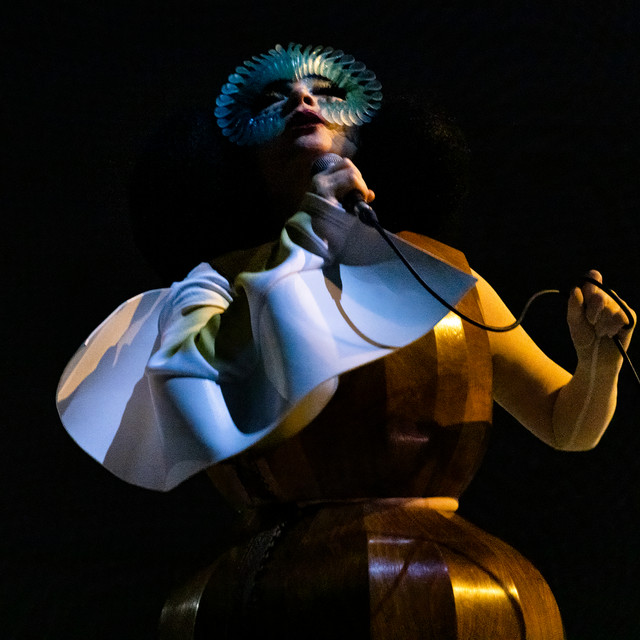
Art Pop
Art pop is a strand of pop music that treats the pop song as a canvas for high-concept ideas, experimental techniques, and cross-media aesthetics. It marries accessible melodies and hooks with the visual culture of art schools, the conceptual rigor of the avant-garde, and the studio-as-instrument ethos. Sonically, art pop favors eclectic instrumentation (synths, orchestral timbres, guitars, found sounds), unusual song forms, and sophisticated harmony. It often employs collage, musique concrète–like textures, and theatrical vocal delivery while still keeping a pop-facing surface. Beyond sound, art pop is deeply visual and conceptual: albums are framed as coherent artworks, stagecraft and video are integral, and lyrics tend toward intertextuality, character work, irony, and social commentary. The result is pop that is both immediate and idea-driven.
Discover
Listen
Experimental
Experimental music is an umbrella term for practices that prioritize exploration, process, and discovery over adherence to established genre norms. It embraces new sound sources, nonstandard tuning systems, indeterminacy and chance operations, graphic and open-form scores, extended techniques, and technology-led sound design (tape, electronics, computers, and live processing). Rather than a single style, it is a methodology and ethos: testing hypotheses about sound, structure, and performance, often blurring boundaries between composition, improvisation, sound art, and performance art. Listeners can expect unfamiliar timbres, unusual forms, and an emphasis on how music is made as much as the resulting sound.
Discover
Listen
Pop
Pop is a broad, hook-driven style of popular music designed for wide appeal. It emphasizes memorable melodies, concise song structures, polished vocals, and production intended for radio, charts, and mass media. While pop continually absorbs elements from other styles, its core remains singable choruses, accessible harmonies, and rhythmic clarity. Typical forms include verse–pre-chorus–chorus, frequent use of bridges and middle-eights, and ear-catching intros and outros. Pop is not defined by a single instrumentation. It flexibly incorporates acoustic and electric instruments, drum machines, synthesizers, and increasingly digital production techniques, always in service of the song and the hook.
Discover
Listen
Electronic
Electronic is a broad umbrella genre defined by the primary use of electronically generated or electronically processed sound. It encompasses music made with synthesizers, drum machines, samplers, computers, and studio/tape techniques, as well as electroacoustic manipulation of recorded or synthetic sources. The genre ranges from academic and experimental traditions to popular and dance-oriented forms. While its sonic palette is rooted in electricity and circuitry, its aesthetics span minimal and textural explorations, structured song forms, and beat-driven club permutations. Electronic emphasizes sound design, timbre, and studio-as-instrument practices as much as melody and harmony.
Discover
Listen
Show all 24 genres
Albums
2025
1
/5
Cornucopia Live
Björk
Icelandic Experimental
Electronic
Orchestral
2022
1
/5
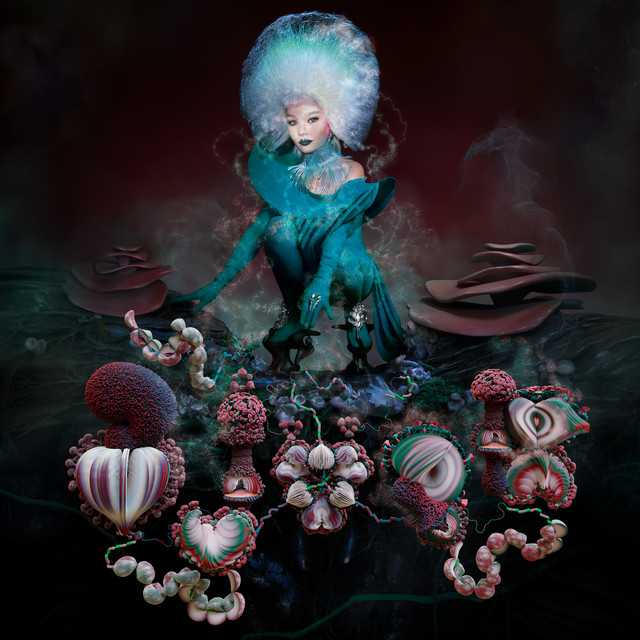
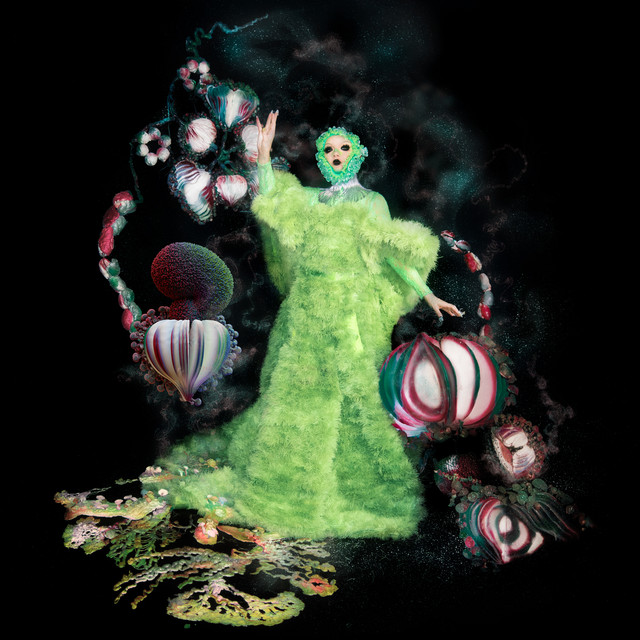
Fossora
Björk
Icelandic Experimental
Art Pop
Electronic
2022
1
/5
Atopos
Björk
Icelandic Experimental
2015
3
/5
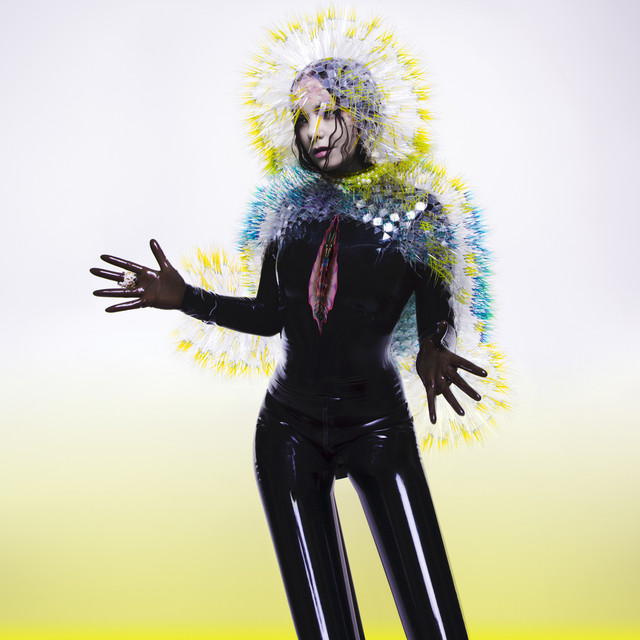
Vulnicura
Björk
Icelandic Experimental
2015
1
/5
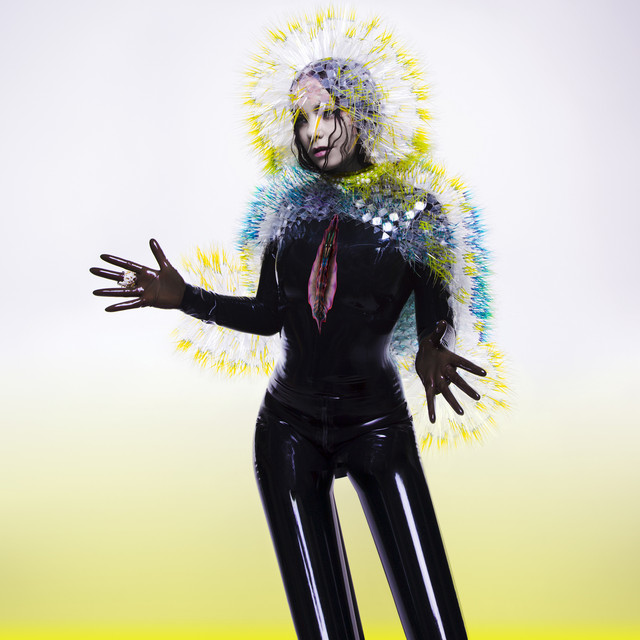
Vulnicura
Björk
Icelandic Experimental
2011
1
/5
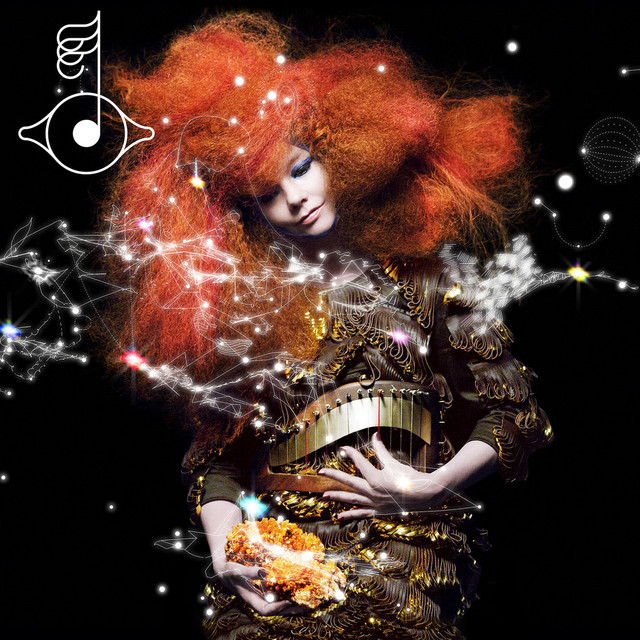
Biophilia
Björk
Icelandic Experimental
2011
3
/5
Biophilia (Deluxe Edition)
Björk
Icelandic Experimental
Electronic
Experimental
2007
3
/5
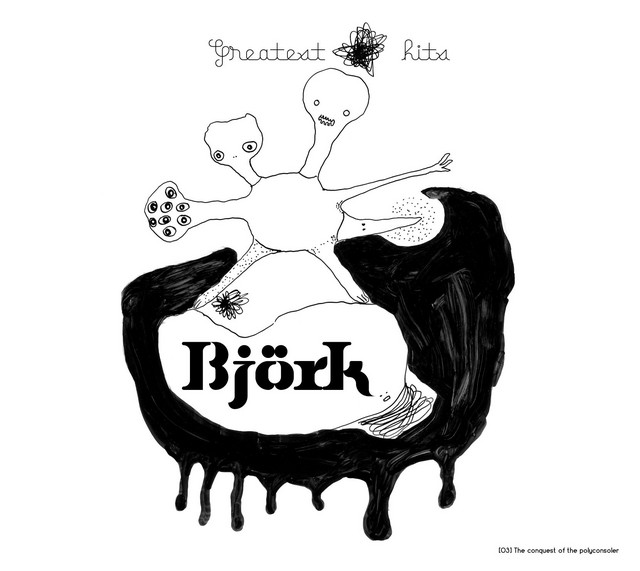
Greatest Hits
Björk
Icelandic Experimental
Downtempo
Electronic
2007
3
/5
Volta
Björk
Icelandic Experimental
2004
1
/5
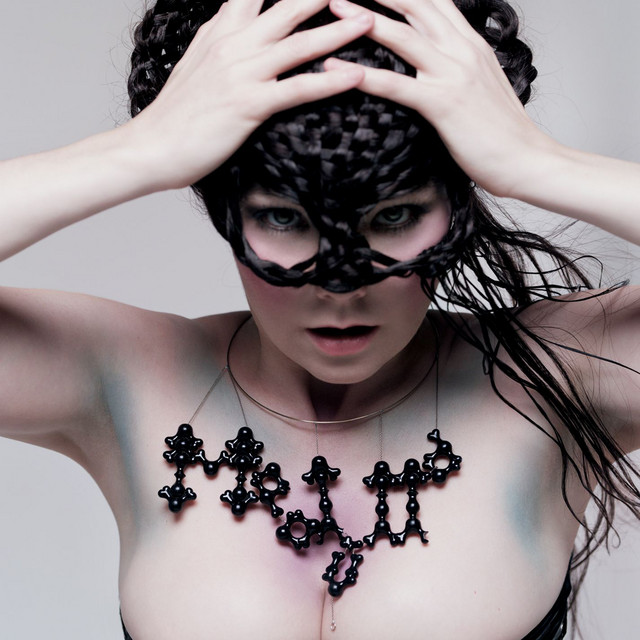
Medúlla
Björk
Icelandic Experimental
A Cappella
Electronic
2004
2
/5
Medulla
Björk
Icelandic Experimental
2002
3
/5
Family Tree
Björk
Icelandic Experimental
2002
2
/5
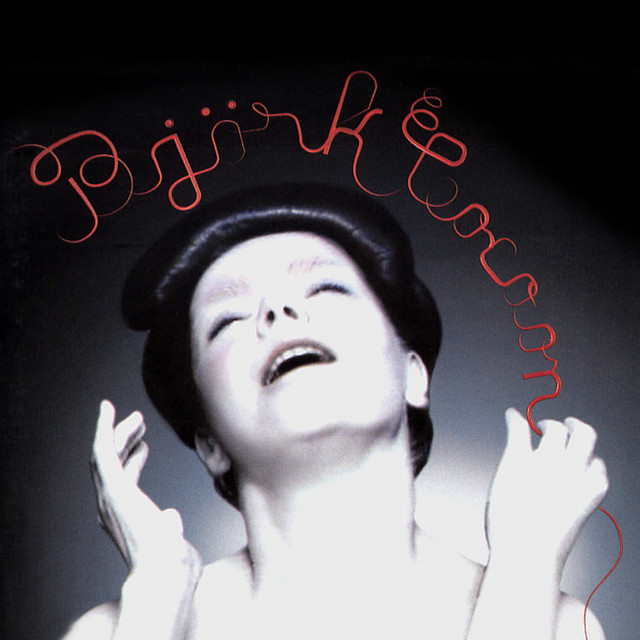
Cocoon
Björk
Icelandic Experimental
Electronic
Idm
2002
1
/5
Cocoon
Björk
Icelandic Experimental
Electronic
Idm
2001
1
/5
Pagan Poetry
Björk
Icelandic Experimental
Electronic
Electronica
2001
2
/5
Pagan Poetry
Björk
Icelandic Experimental
Electronic
Electronica
2001
3
/5
Vespertine
Björk
Icelandic Experimental
Kalanta
Mahō Shōjo
2001
1
/5
Vespertine
Björk
Art Pop
Pop
2001
3
/5
Vespertine
Björk
Glitch Pop
Indietronica
Electronic
2000
1
/5
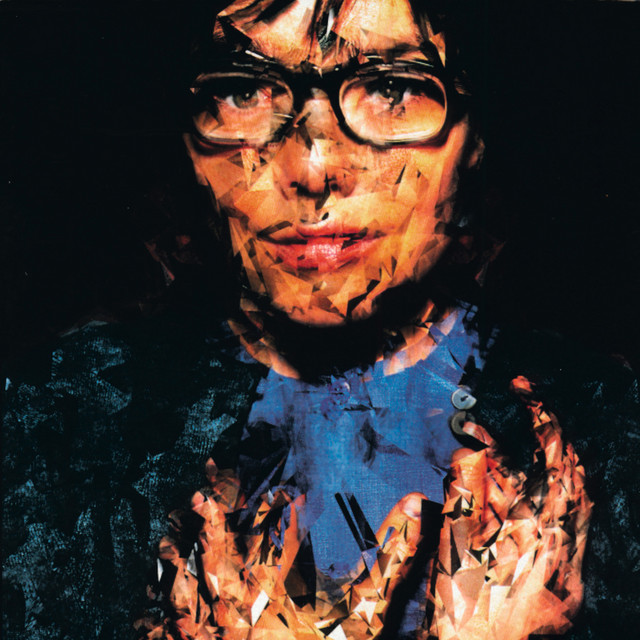
Selma Songs
Björk
Icelandic Experimental
2000
3
/5
Selma Songs
Björk
Icelandic Experimental
1999
2
/5
All Is Full Of Love
Björk
Icelandic Experimental
1997
2
/5
Bachelorette
Björk
Icelandic Experimental
Drum And Bass
Electronic
1997
3
/5
Homogenic
Björk
Icelandic Experimental
Art Pop
Downtempo
1997
3
/5
Homogenic
Björk
Icelandic Experimental
Art Pop
Downtempo
1997
1
/5
Homogenic
Björk
Art Pop
Electronic
Pop
1997
1
/5
Jóga
Björk
Icelandic Experimental
Downtempo
Electronic
1997
3
/5
Jóga
Björk
Icelandic Experimental
Downtempo
Electronic
1995
2
/5
Isobel
Björk
Icelandic Experimental
Electronic
Garage House
1995
4
/5
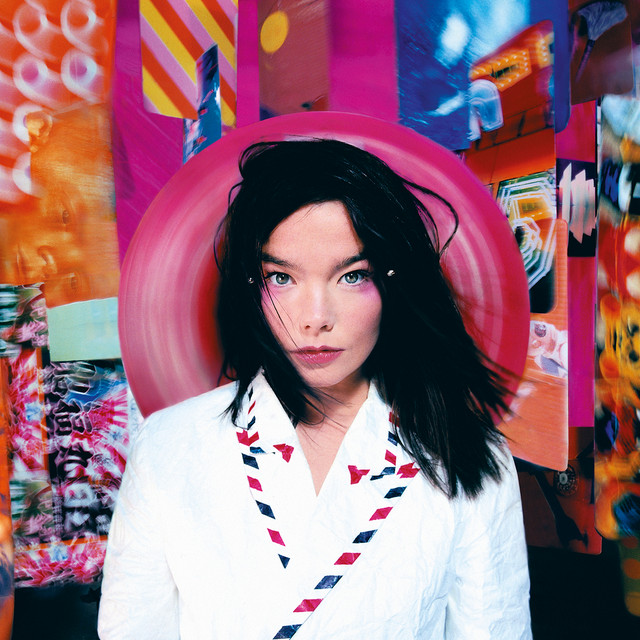
Post
Björk
Icelandic Experimental
Art Pop
Electronic
1995
1
/5
Post
Björk
Art Pop
Pop
Electronic
1995
4
/5
Post
Björk
Icelandic Experimental
Trip Hop
Electronic
1993
2
/5
Big Time Sensuality (Remixes)
Björk
Icelandic Experimental
Ambient
Electronic
1993
1
/5
Venus As A Boy (Remixes)
Björk
Icelandic Experimental
Deep House
Electronic
1993
2
/5
Venus As A Boy
Björk
Icelandic Experimental
Deep House
Electronic
1993
3
/5
Venus As A Boy
Björk
Icelandic Experimental
Deep House
Electronic
1993
1
/5
Venus As A Boy
Björk
Icelandic Experimental
Deep House
Electronic
1993
1
/5
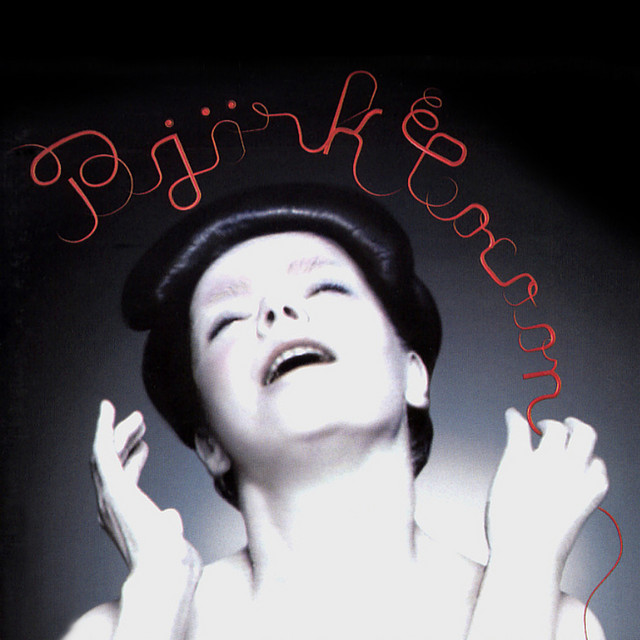
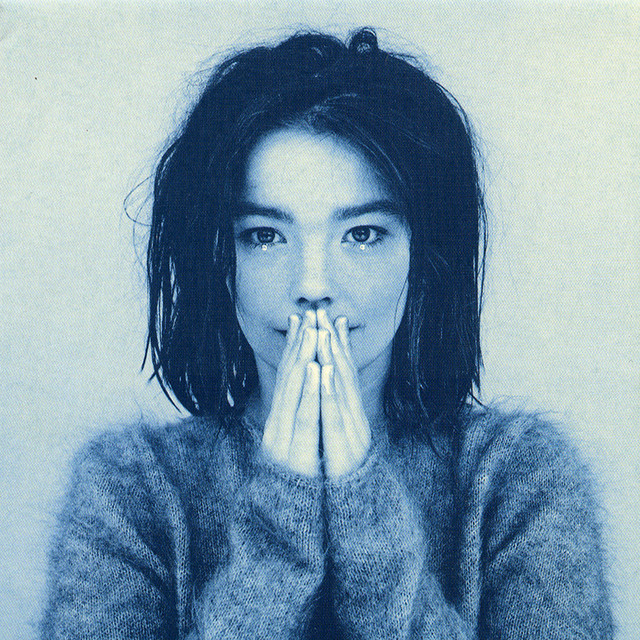
Debut
Björk
Icelandic Experimental
1993
4
/5
Debut
Björk
Icelandic Experimental
Trip Hop
Electronica
1993
4
/5
Debut
Björk
House
Icelandic Experimental
Edm
Vespertine
Björk
Claymation
Vespertine
Björk
Sadistic Horror
Similar artists
1
/5
Various Artists
Afro-Funk
Alternative Rock
Ambient
4
/5
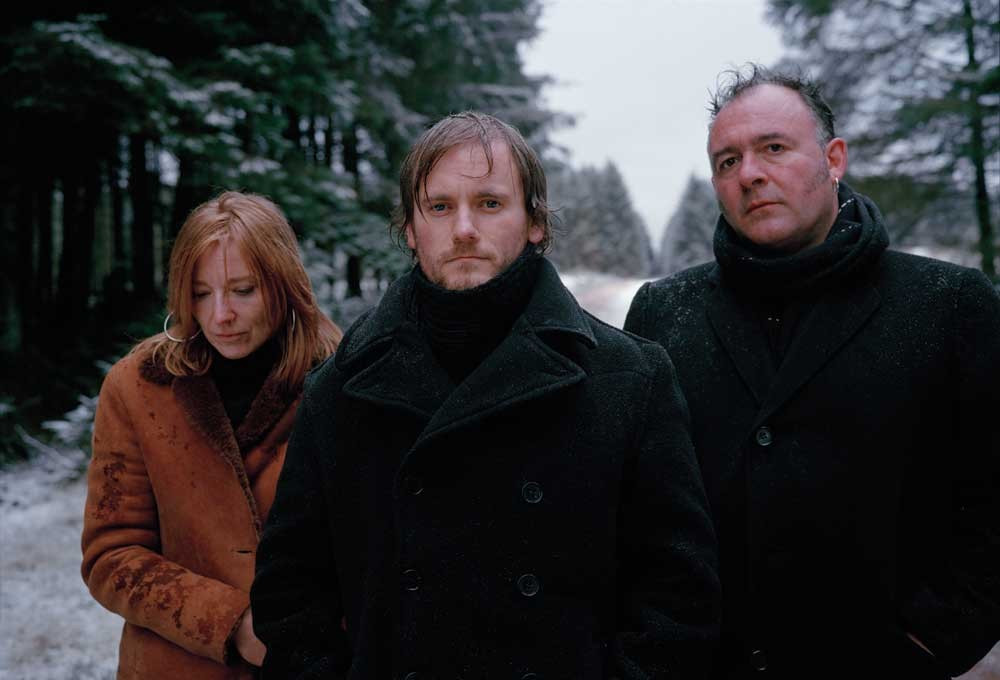
Portishead
Laboratorio
Dark Pop
Downtempo
4
/5
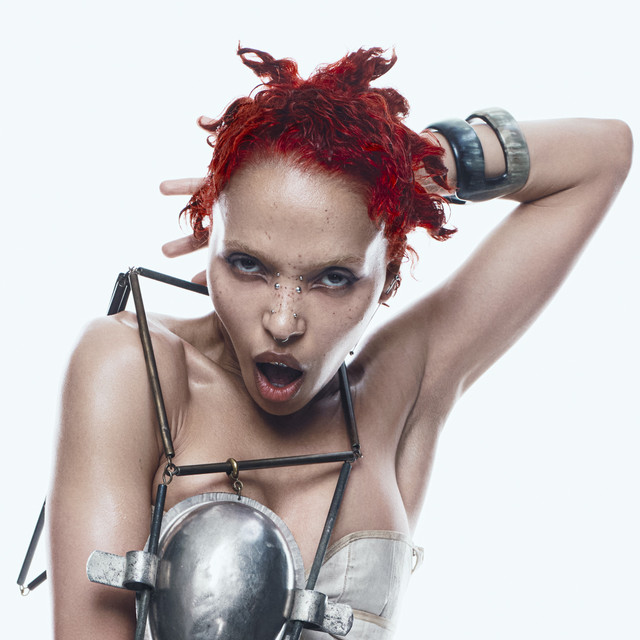
FKA twigs
Trip Hop
Afrofuturism
Alternative R&b
4
/5
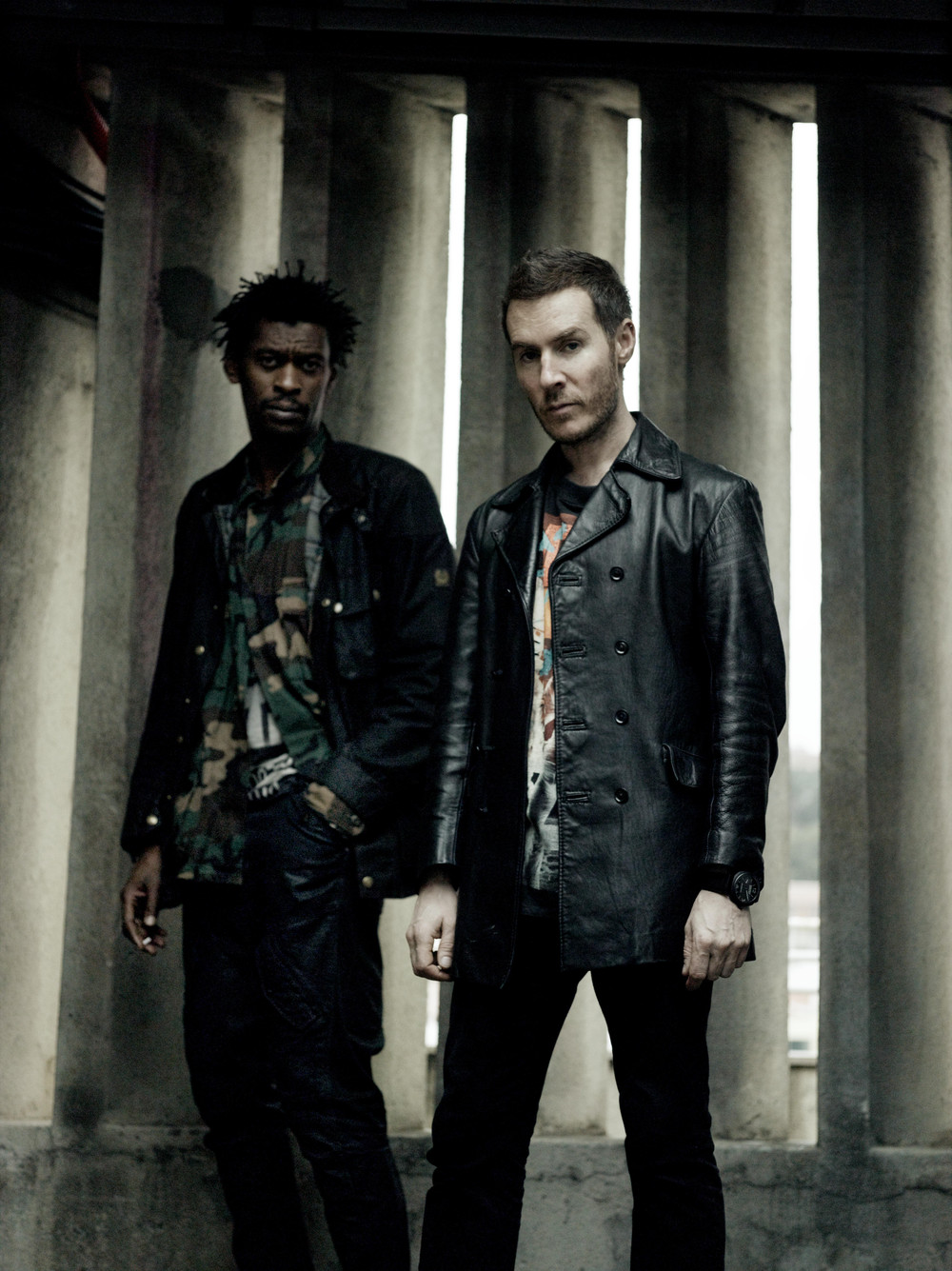
Massive Attack
Downtempo
Trip Hop
Electronica
4
/5
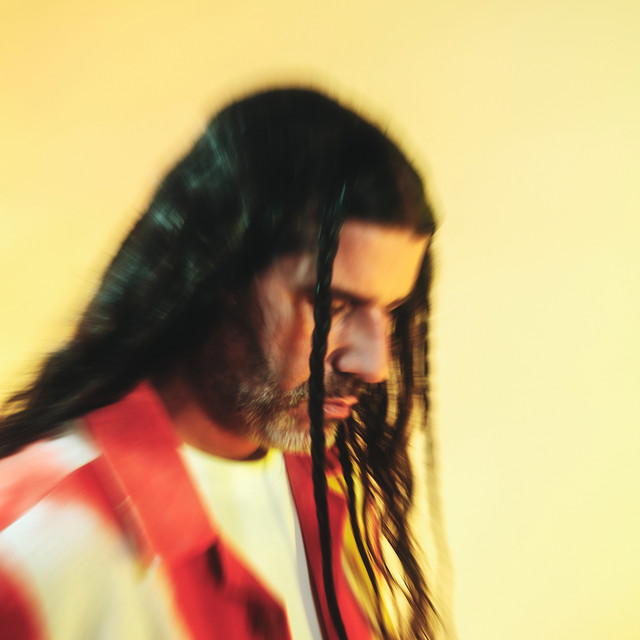
Quantic
Electronic
Nu-Cumbia
Downtempo
3
/5
Moloko
Trip Hop
Electronica
Electronic
5
/5
Gorillaz
Alternative Hip Hop
Electronic
Modern Rock
4
/5
Groove Armada
Nu Skool Breaks
Big Beat
Electronic
3
/5
Stereolab
Experimental Rock
No Wave
Post-Rock
4
/5
Four Tet
Folktronica
Idm
Electronic
Download our mobile app
Get the Melodigging app and start digging for new genres on the go
Download on the App Store
Get it on Google Play
© 2026 Melodigging
Give feedback
Legal
Melodding was created as a tribute to
Every Noise at Once
, which inspired us to help curious minds keep digging into music's ever-evolving genres.