Genres
Artists
Albums
Make Music
Sign in
Sign in
Artists
Electronic
Artists
Electronic
Four Tet
1999–2025
·
14 albums
Listen
4
/5
Genres
Candy Pop
Candy pop is a super-bright, hook-forward branch of contemporary pop that emphasizes sweetness in both sound and theme. It blends bubblegum-style melodies with modern, glossy production, favoring catchy toplines, clean harmonies, and playful textures. Arrangements lean on glittery synths, claps, hand-percussion, and buoyant four-on-the-floor or bouncy half-time beats. Lyrics typically revolve around crushes, friendship, first love, and carefree fun, delivered with enthusiastic, youthful vocals. Compared with classic bubblegum pop, candy pop adopts current pop techniques (EDM builds, post-chorus hooks, subtle trap-lite percussion) and borrows visual and melodic cues from J-pop and K-pop’s “kawaii” aesthetics.
Discover
Listen
Chill Abstract Hip Hop
Chill abstract hip hop is a downtempo, largely instrumental branch of abstract hip hop that prioritizes mood, space, and texture over virtuosic rapping or hard-edged beats. Characterized by swung, half-time grooves around 70–90 BPM, jazzy extended chords, vinyl crackle, tape hiss, and warm, dusty sampling, it blends boom-bap drum sensibilities with ambient and downtempo atmosphere. The result is contemplative, mellow, and cinematic—music often used for studying, reading, or late-night reflection. Production typically features Rhodes, nylon-string guitar, upright bass, brushed snares, and chopped Rhodes/piano or soul-jazz samples, occasionally accented by soft vocal snippets rather than full verses. While it overlaps with lo-fi hip hop and trip hop, it tends to be more harmonically nuanced than pure “study beats” and more minimal and meditative than classic jazz-rap.
Discover
Listen
Digital Horror
Digital horror is a contemporary horror aesthetic that focuses on dread emerging from networked technologies, software, and always‑on media. Narratives and sound worlds revolve around screens, social platforms, livestreams, malware, deepfakes, and the uncanny presence of algorithmic systems. In music and sound design, the style translates this fear of the digital into glitching textures, corrupted audio artifacts, synthetic drones, and the weaponization of familiar interface sounds (alerts, keyboards, notification pings). It often blends dark ambient, industrial noise, and hauntological sampling to suggest threats that live inside code, clouds, and data centers—consistent with the wider definition that emphasizes anxiety and supernatural menace arising from the Internet and modern media.
Discover
Listen
Gaming Edm
Gaming EDM is a bright, hook‑driven branch of electronic dance music tailored for online gaming, streaming, and creator culture. It blends festival‑ready drops and sidechained supersaws with melodic, video‑game–friendly timbres (arpeggiated leads, chip/8‑bit flourishes) and clean royalty-friendly production that sits well under voice chat or commentary. The songs are typically concise, high‑energy, and instantly catchy, engineered to loop well on streams and to sync to highlight reels and esports content.
Discover
Listen
Indian Indie
Indian indie is the umbrella for independent, non-film music made in India across languages such as Hindi, English, and numerous regional tongues. It is defined more by its DIY production and artist-led release model than by a single sound. Musically, it spans indie pop and rock, folk-fusion, singer‑songwriter ballads, dream‑pop/shoegaze textures, and electronic‑leaning productions. Artists often blend Western harmony and song forms with raga‑tinged melodies, Indian rhythmic feels, and occasional use of traditional instruments like tabla, bansuri, or sitar. The scene grew rapidly with college festivals, small venues, and digital platforms (YouTube, streaming services, Bandcamp), plus boutique labels and festivals such as NH7 Weekender that created national visibility. Lyrically, it tends to be intimate and contemporary—touching on romance, urban life, identity, and nostalgia—while maintaining accessible hooks and warm, organic sonics.
Discover
Listen
Nyc Pop
NYC pop is a contemporary, hook-forward strain of alternative pop centered on artists living and working in New York City. It blends the sheen of electropop and dance-pop with the songwriting sensibilities of indie pop and indie rock, often pairing bright synths, rhythmic guitars, and punchy drums with large, chantable choruses. Lyrically, it frequently references urban life, ambition, relationships, and self-discovery, capturing the speed, romance, and pressure-cooker energy of the city. Production is glossy but retains an indie edge: live instruments sit beside modern electronic textures, with crisp vocal stacking and ear-catching toplines designed for both radio and festival stages.
Discover
Listen
Post-Dubstep
Post-dubstep is a loosely defined wave of UK-born electronic music that grew out of dubstep but moved away from its rigid 140 BPM wobble-bass formula. It keeps the bass-weight, sound-system focus, and rhythmic syncopation of dubstep and UK garage, but folds in house and techno tempos, R&B vocal chops, ambient space, and experimental production. Typical tracks explore 120–135 BPM (not fixed at 140), use broken 2‑step/garage swing instead of 4/4, and favor detailed sound design over maximal drops. You’ll often hear hushed, intimate vocals (sampled or original), neo-soul/jazz-influenced chords, and micro-edited percussion with lots of negative space. The mood is frequently introspective, melancholic, and textural—more headphone-oriented than festival-leaning—yet still rooted in club culture.
Discover
Listen
Ukg Revival
UKG revival refers to the modern resurgence of UK garage (UKG) aesthetics after the style’s early‑2000s decline. It recasts classic 2‑step swing, rubbery sub‑bass, chopped R&B vocals, and organ/piano stabs with contemporary production, club formats, and pop sensibilities. Typical tracks sit around 128–135 BPM, with syncopated, skippy drum programming and swung hi‑hats, soulful chord colors, and prominent, rolling basslines. The revival often blends speed‑garage grit, bassline energy, and house polish, while borrowing contemporary topline writing and social‑media‑driven hooks for wider crossover appeal. Culturally, the movement connects today’s audiences to late‑’90s/early‑’00s UKG heritage (pirate radio, MC culture, and champagne‑garage euphoria) through fresh artists, labels, and events that foreground inclusivity, DIY distribution, and festival‑ready anthems.
Discover
Listen
Future Garage
Future garage is a UK-born mutation of UK garage and dubstep that pivots from peak-time club energy toward intimate, headphone-focused listening. It is defined by shuffling 2‑step drum programming (swung hi‑hats, syncopated snares, ghost kicks), deep sine/sub bass, foggy pads, and the use of pitched, chopped R&B or soul vocal fragments as texture rather than lead melody. Producers often weave in field recordings (rain, street noise, vinyl crackle), generous reverb, and subtle sound-design to evoke a nocturnal, reflective atmosphere. Typical tempos hover around 130 BPM, with grooves that imply both half‑time glide and garage shuffle, and harmony that favors minor keys, suspended chords, and slow-moving, emotive progressions.
Discover
Listen
Folktronica
Folktronica blends traditional folk instrumentation and songcraft with electronic production techniques. Acoustic guitars, fiddles, banjos, and hand percussion coexist with samplers, drum machines, granular synthesis, and digital processing. The style often favors intimate, pastoral moods, gently syncopated beats, and textural sound design built from field recordings and tape hiss. It draws on the melodic simplicity and modal flavors of folk while adopting the rhythmic subtlety and timbral experimentation of downtempo, IDM, and ambient music.
Discover
Listen
Idm
IDM (often expanded as "Intelligent Dance Music") is a strand of experimental electronic music that applies the sound palette and production methods of club genres to listening-focused, often home-oriented works. It favors intricate rhythm programming, unusual time signatures, and richly textured sound design, blending ambient atmospheres with techno’s pulse, electro’s syncopation, and breakbeat’s fragmentation. The music often de-emphasizes the dancefloor in favor of headphone detail, algorithmic structure, and timbral exploration. The term itself is contentious—many artists rejected the "intelligent" label—yet it became a convenient tag for the early- to mid‑1990s cluster of Warp, Rephlex, and related scenes that foregrounded complexity, abstraction, and emotional ambiguity.
Discover
Listen
Downtempo
Downtempo is a mellow, groove-oriented branch of electronic music characterized by slower tempos, plush textures, and a focus on atmosphere over dancefloor intensity. Typical tempos range from about 60–110 BPM, with swung or laid-back rhythms, dub-informed basslines, and warm, jazz-tinged harmonies. Stylistically, it blends the spaciousness of ambient, the head-nodding rhythms of hip hop and breakbeat, and the cosmopolitan smoothness of lounge and acid jazz. Producers often use sampled drums, Rhodes or Wurlitzer electric pianos, guitar licks with delay, and field recordings to create intimate, cinematic soundscapes. The mood spans from soulful and romantic to introspective and dusk-lit, making it a staple of after-hours listening, cafes, and relaxed club back rooms.
Discover
Listen
Electronica
Electronica is a broad, largely 1990s umbrella term for a spectrum of electronic music crafted as much for immersive, album‑oriented listening as for clubs and raves. It gathers elements from techno, house, ambient, breakbeat, IDM, and hip hop production, emphasizing synthesizers, drum machines, samplers, and studio experimentation. The sound can range from downtempo and atmospheric to hard‑hitting and breakbeat‑driven, but it typically foregrounds sound design, texture, and mood over strict dance‑floor utility. In the mid‑to‑late 1990s the term was used by labels and press—especially in the United States—to market and introduce diverse electronic acts to mainstream rock and pop audiences.
Discover
Listen
Microhouse
Microhouse is a sparse, detail‑oriented strain of house music that strips grooves down to their essentials and focuses on micro‑edits, subtle percussive textures, and small timbral changes over time. Typically hovering around 118–126 BPM, it favors dry 4/4 kicks, shuffled hi‑hats, sub‑bass pulses, and meticulously arranged glitches, clicks, and found sounds. Rather than big breakdowns, microhouse builds tension through repetition, negative space, and tiny variations, often borrowing the reductionist ethos of minimal techno and the textural play of glitch and IDM. The result is club music that feels intimate and hypnotic: danceable yet restrained, warm yet abstract, and deeply attentive to sound design and micro‑timing.
Discover
Listen
Leftfield
Leftfield is a broad umbrella term for experimental, boundary‑pushing electronic and dance music that sits to the "left" of the mainstream. Rather than adhering to standard club formulas, it privileges adventurous sound design, unexpected rhythms, and collage‑like production choices. While the term is sometimes used loosely, in practice it refers to a UK‑rooted sensibility that blends elements of house, techno, ambient, dub, breakbeat, and hip‑hop into unconventional forms. Leftfield music often emphasizes texture and atmosphere, favors asymmetry over predictable drops, and prizes originality over genre purity.
Discover
Listen
Chillout
Chillout is a broad, downtempo-oriented style of electronic music designed for relaxation, decompression, and after-hours listening. It emphasizes spacious atmospheres, gentle grooves, and warm timbres over intensity or virtuosity. Emerging from the “chill-out rooms” of UK and Ibiza clubs, the sound blends ambient pads, soft 4/4 or broken-beat rhythms, and melodic fragments drawn from lounge, jazz, bossa nova, and Balearic traditions. Typical tempos range from about 70–110 BPM, with extended chords, subtle basslines, and abundant reverb and delay to create a sense of depth and calm. Though often used as an umbrella for related styles (ambient, downtempo, trip hop, lounge), chillout retains a distinct focus on mood: it privileges texture, space, and gentle momentum, making it a staple for late-night sets, beach bars, and home listening alike.
Discover
Listen
Tech House
Tech house is a dancefloor-focused fusion of techno’s precision and house music’s groove. It emphasizes stripped‑back, percussive rhythms, rolling basslines, and clean, punchy drums, typically in the 120–130 BPM range. Compared to straight techno, tech house is funkier and more shuffle-oriented; compared to classic or deep house, it is darker, more minimal, and more machine-driven. Tracks often feature long DJ‑friendly intros/outros, subtle automation, sparse vocals or chopped one‑shots, and a strong emphasis on groove continuity over big melodic moments. Sound design favors tight 909/808-style drums, crisp open hats, snappy claps, subby or mid‑bass riffs, and understated stabs or chords. Modern tech house has broadened from its 1990s underground UK roots to global festival and club contexts, retaining its core identity of percussive drive and streamlined arrangements.
Discover
Listen
Trip Hop
Trip hop is a downtempo, atmospheric fusion of hip hop rhythm and sampling techniques with the textures of dub, soul, jazz, and ambient music. Emerging from the Bristol scene in the early 1990s, it favors slow, head‑nodding breakbeats, deep bass, and cinematic sound design. The style is characterized by moody harmonies (often in minor keys), woozy tape- and vinyl-derived timbres, and liberal use of delay and reverb. Vocals frequently alternate between intimate, breathy singing and spoken word/rap, and lyrical themes tend toward noir, introspective, and melancholic subjects. Strings, Rhodes pianos, turntable scratches, and field recordings are common, creating a shadowy, filmic vibe.
Discover
Listen
House
House is a dance music genre that emerged in Chicago in the early 1980s, defined by a steady four-on-the-floor kick drum, off-beat hi-hats, soulful or hypnotic vocals, and groove-centric basslines. Typical tempos range from 118–130 BPM, and tracks are structured in DJ-friendly 16–32 bar phrases designed for seamless mixing. Drawing on disco’s celebratory spirit, electro-funk’s drum-machine rigor, and Italo/Hi-NRG’s synth-led sheen, house prioritizes repetition, tension-and-release, and communal energy on the dancefloor. Its sound palette often includes 808/909 drums, sampled or replayed disco/funk elements, filtered loops, piano/organ stabs, and warm, jazzy chords. Over time, house diversified into many substyles—deep house, acid house, French house, tech house, progressive house, and more—yet it remains a global foundation of club culture, known for emphasizing groove, inclusivity, and euphoria.
Discover
Listen
Ambient House
Ambient house blends the spacious textures and meditative pacing of ambient music with the gentle propulsion of house. It typically features a soft four-on-the-floor kick, airy pads, dub-style effects, and environmental samples that create an immersive, blissed-out soundscape. Tempos are often moderate (roughly 100–120 BPM), with subdued percussion, warm sub-bass, and sparse melodic motifs that prioritize atmosphere over dance-floor intensity. The result is a style suited both to late-night listening and to the "chill-out rooms" that historically complemented more energetic club spaces.
Discover
Listen
Techno
Techno is a four-on-the-floor, machine-driven form of electronic dance music that emerged in mid-to-late 1980s Detroit. It is characterized by steady 4/4 kick drums, repetitive and hypnotic rhythmic patterns, synthetic timbres, and an emphasis on texture, groove, and forward momentum over elaborate harmony. Producers typically use drum machines, sequencers, and synthesizers to build layered percussion, pulsing basslines, and evolving motifs. While often dark and minimalistic, techno spans a wide spectrum—from soulful, futuristic Detroit aesthetics to hard, industrially tinged European strains—yet it consistently prioritizes kinetic energy for dancefloors and a sense of machine futurism.
Discover
Listen
Ambient
Ambient is a form of electronic and electroacoustic music that prioritizes tone, atmosphere, and texture over conventional song structures and rhythmic drive. It typically features slow-moving harmonies, sustained drones, gentle timbral shifts, and extensive use of space and silence. Rather than drawing attention to itself through hooks or beats, ambient is designed to be as ignorable as it is interesting, rewarding both background listening and focused immersion. Artists often employ synthesizers, samplers, tape loops, field recordings, and subtle acoustic instruments, with reverb and delay creating a sense of place. Substyles range from luminous, consonant soundscapes to darker, more dissonant atmospheres.
Discover
Listen
Experimental
Experimental music is an umbrella term for practices that prioritize exploration, process, and discovery over adherence to established genre norms. It embraces new sound sources, nonstandard tuning systems, indeterminacy and chance operations, graphic and open-form scores, extended techniques, and technology-led sound design (tape, electronics, computers, and live processing). Rather than a single style, it is a methodology and ethos: testing hypotheses about sound, structure, and performance, often blurring boundaries between composition, improvisation, sound art, and performance art. Listeners can expect unfamiliar timbres, unusual forms, and an emphasis on how music is made as much as the resulting sound.
Discover
Listen
Electronic
Electronic is a broad umbrella genre defined by the primary use of electronically generated or electronically processed sound. It encompasses music made with synthesizers, drum machines, samplers, computers, and studio/tape techniques, as well as electroacoustic manipulation of recorded or synthetic sources. The genre ranges from academic and experimental traditions to popular and dance-oriented forms. While its sonic palette is rooted in electricity and circuitry, its aesthetics span minimal and textural explorations, structured song forms, and beat-driven club permutations. Electronic emphasizes sound design, timbre, and studio-as-instrument practices as much as melody and harmony.
Discover
Listen
Show all 24 genres
Albums
2025
3
/5
Into Dust (Still Falling)
Four Tet
Folktronica
Idm
Trip Hop
2024
Three
Four Tet
Electronic
2020
Parallel
Four Tet
Ambient
Electronic
House
2020
Sixteen Oceans
Four Tet
Ambient
Electronic
Microhouse
2017
3
/5
New Energy
Four Tet
Microhouse
Ambient House
Folktronica
2015
Morning / Evening
Four Tet
Ambient
Electronic
2013
Beautiful Rewind
Four Tet
Electronic
2012
3
/5
Pink
Four Tet
Future Garage
Tech House
Uk Garage
2010
3
/5
There Is Love in You
Four Tet
Microhouse
House
Electronic
2005
2
/5
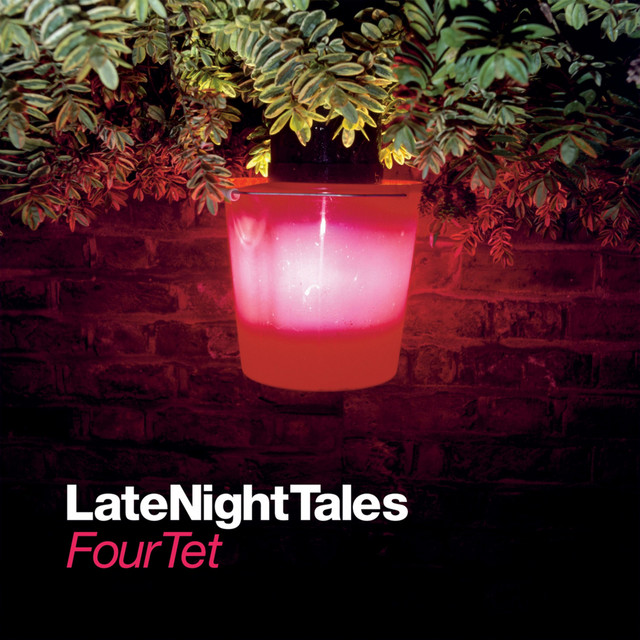
LateNightTales: Four Tet
Röyksopp, Bonobo, Groove Armada, Air, Helders, Matt, Rae & Christian, Flaming L…
Wu Fam
2005
Everything Ecstatic
Four Tet
Downtempo
Electronic
Leftfield
2003
2
/5
Rounds
Four Tet
Folktronica
Downtempo
Chillout
2001
2
/5
Pause
Four Tet
Folktronica
Idm
Downtempo
1999
Dialogue
Four Tet
Downtempo
Electronic
Leftfield
Similar artists
4
/5
Boards of Canada
Downtempo
Electronic
Idm
1
/5
Various Artists
Afro-Funk
Alternative Rock
Ambient
4
/5
C418
Ambient
Electronic
Idm
2
/5
AES Dana
Ambient
Ambient Trance
Downtempo
2
/5
Banco De Gaia
Ambient
Ambient Trance
Downtempo
3
/5
Carbon Based Lifeforms
Ambient
Ambient Trance
Downtempo
2
/5
Casino Versus Japan
Ambient
Idm
Downtempo
4
/5
Björk
Art Pop
Icelandic Experimental
Electronic
3
/5
Rival Consoles
Ambient Idm
Idm
Compositional Ambient
3
/5
The Orb
Ambient House
Ambient
Idm
Download our mobile app
Get the Melodigging app and start digging for new genres on the go
Download on the App Store
Get it on Google Play
© 2026 Melodigging
Give feedback
Legal
Melodding was created as a tribute to
Every Noise at Once
, which inspired us to help curious minds keep digging into music's ever-evolving genres.