Genres
Artists
Albums
Make Music
Sign in
Sign in
Artists
Ambient
Artists
Ambient
C418
2008–2025
·
20 albums
Listen
4
/5
Genres
Pixel
Pixel is an internet-born microgenre that blends chiptune’s 8‑ and 16‑bit timbres with glossy, high‑energy electropop and hyperpop production. You’ll hear pulse‑width‑modulated square leads, triangle basses, noise‑channel snares, rapid arpeggios that imply chords, and lots of game‑console sound design (NES/SNES/Genesis palettes). Melodies are bright and hooky, arrangements are tightly quantized and often very fast, and sound design leans “cute,” cartoonish, and ultra‑synthetic. Producers frequently add modern touches—side‑chain pumping, OTT compression, hard clip/bit‑crush distortion, and pitched/Auto‑Tuned vocals—so the result feels at once retro and contemporary. Aesthetically it signals retro‑gaming and net culture: UI bleeps, item‑pickup stingers, and level‑up flourishes sit alongside maximal, sugary pop writing. Typical tempos range from 120–170 BPM, with common detours into double‑time or halftime drops.
Discover
Listen
Analog Horror
Analog horror is an internet-born horror style that foregrounds the texture and limits of obsolete media. It is characterized by lo‑fi, band‑limited sound, tape hiss, wow and flutter, and the sonic vocabulary of public‑access TV, VHS cassettes, emergency broadcast signals, and numbers stations. In narrative terms, it tends toward cryptic, surreal plots presented as faux archival broadcasts, training films, or interrupted transmissions. Musically, the idiom leans on drones, minimal motifs, degraded samples, and detuned analog synths, using period‑authentic processing to evoke dread, nostalgia, and the uncanny.
Discover
Listen
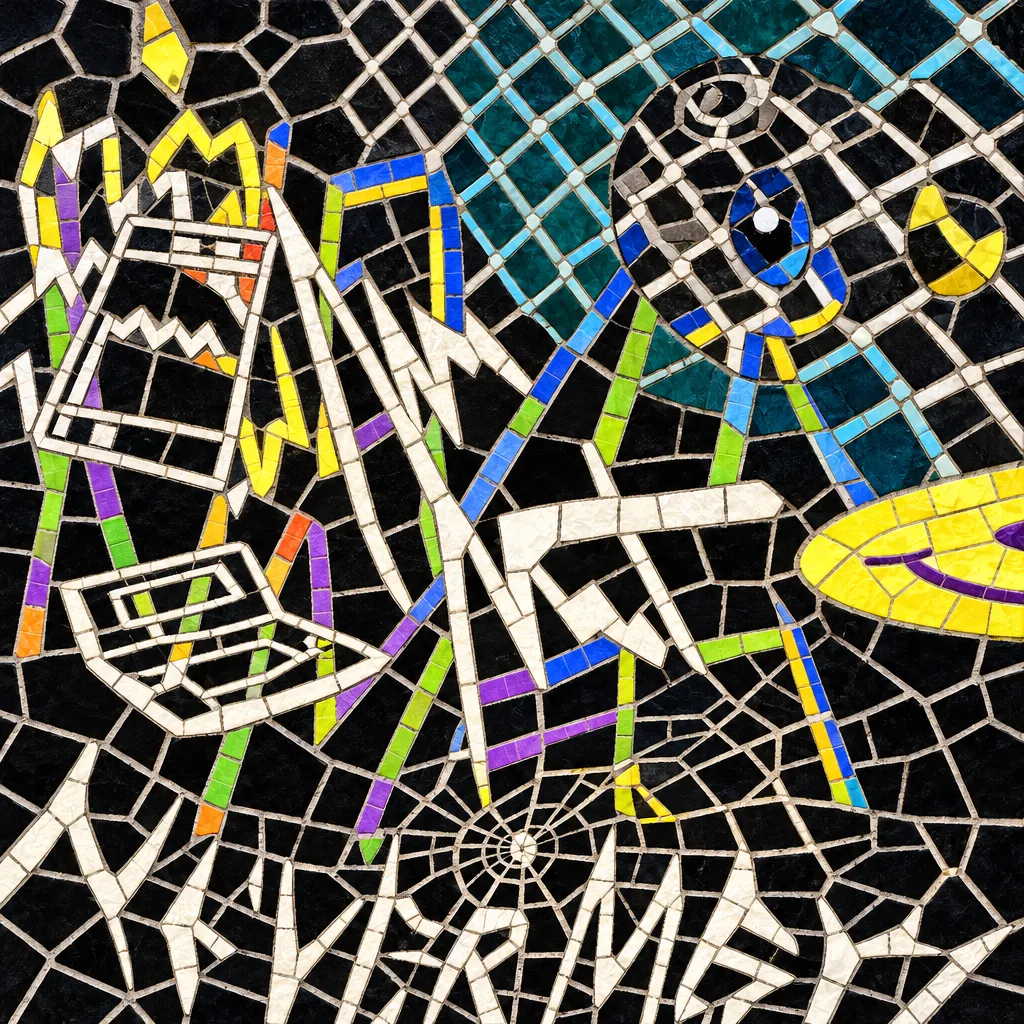
Digital Horror
Digital horror is a contemporary horror aesthetic that focuses on dread emerging from networked technologies, software, and always‑on media. Narratives and sound worlds revolve around screens, social platforms, livestreams, malware, deepfakes, and the uncanny presence of algorithmic systems. In music and sound design, the style translates this fear of the digital into glitching textures, corrupted audio artifacts, synthetic drones, and the weaponization of familiar interface sounds (alerts, keyboards, notification pings). It often blends dark ambient, industrial noise, and hauntological sampling to suggest threats that live inside code, clouds, and data centers—consistent with the wider definition that emphasizes anxiety and supernatural menace arising from the Internet and modern media.
Discover
Listen
Gamecore
Gamecore is an internet-native electronic microgenre that fuses the timbres, melodies, and narrative tropes of classic and modern video game music with contemporary EDM songcraft. Its palette leans heavily on chiptune waveforms (square, triangle, noise), retro console/arcade sound effects, and leitmotif-style hooks, but frames them within club-forward rhythms and sound design drawn from electro house, future bass, glitch hop, dubstep, and drum & bass. The result is a bright, kinetic, and often nostalgic sound that feels like a “boss battle” drop or a euphoric level clear. Scenes and labels tied to VGM remix culture, doujin circles, and demoscene aesthetics helped codify the style, while streamers, esports content, and indie game culture amplified its reach.
Discover
Listen
Modern Downshift
Modern downshift is a contemporary, playlist-era microgenre that blends hushed alternative pop and alt‑R&B sensibilities with the spaciousness of downtempo and ambient pop. Songs are typically slow to mid‑tempo, minimal in arrangement, and intimate in vocal delivery—often breathy, close‑miked, and confessional. Production emphasizes warmth and negative space: soft sub‑bass, restrained percussion, reverb‑washed pads or guitars, and gentle saturation that keeps the overall texture velvety and nocturnal. Lyrically, the style skews introspective and late‑night: relationships, vulnerability, quiet self‑reflection, and the emotional afterglow of parties or city drives. The result is music that feels low‑key and cinematic—designed as much for solitary listening as for low‑light social settings.
Discover
Listen
Slushwave
Slushwave is a vaporwave-derived microgenre that stretches samples and synth textures into foggy, glacial soundscapes. Tracks are typically very slow, drenched in reverb and delay, and layered with tape hiss, vinyl crackle, and other lo‑fi artifacts to create an enveloping, dreamlike ambience. Rather than the chopped, ironic collage associated with early vaporwave, slushwave favors long pads, smeared chords, and minimal or absent percussion. When drums appear, they are subdued and distant. The genre often draws from new age, city pop, smooth jazz, and soft adult‑contemporary sources, pitching them down and elongating them into warm, melancholic drones that evoke late‑night memory, urban solitude, and liminal spaces.
Discover
Listen
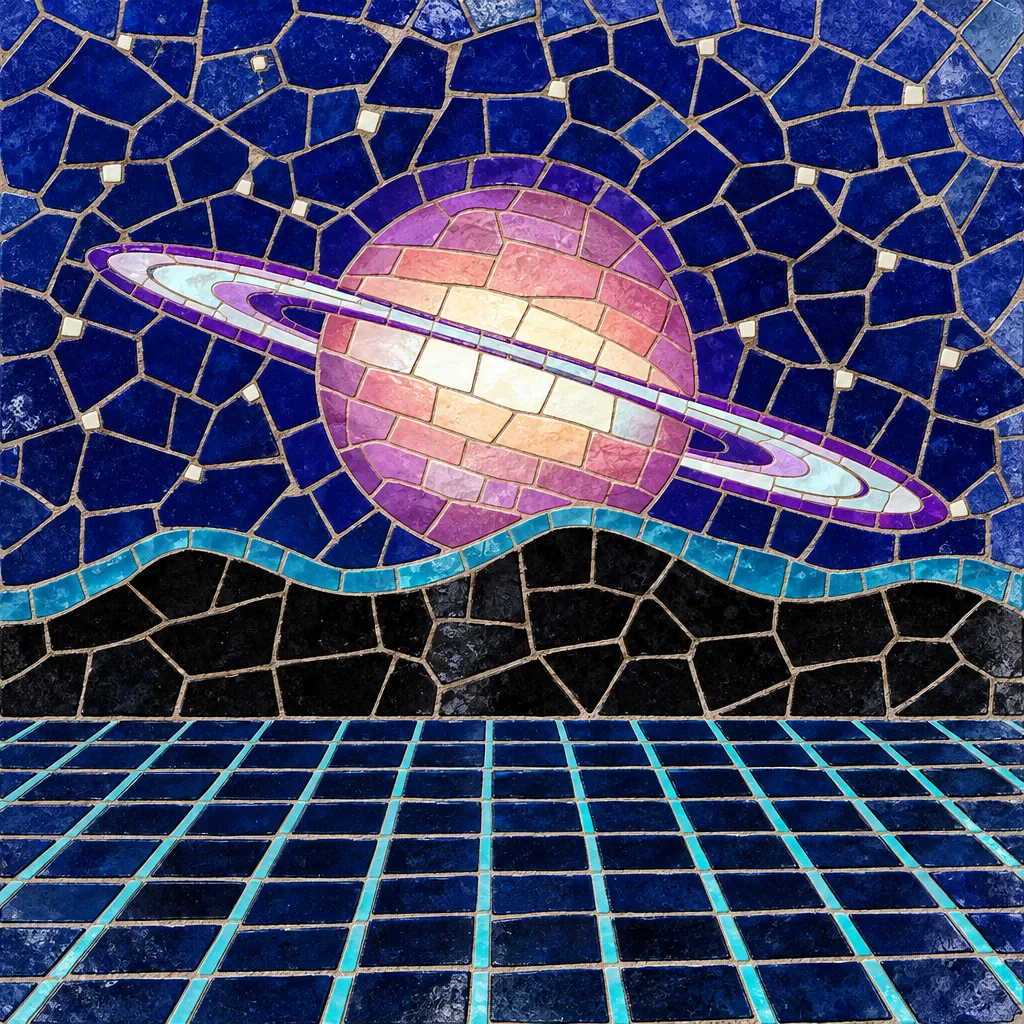
Spacewave
Spacewave is an internet-born microgenre that blends the retro-futurist nostalgia of vaporwave with the cinematic pads and arpeggiated synths of synthwave and the vast, slow-moving atmospheres of space ambient. It favors warm analog-style timbres, shimmering pads, slow to mid-tempo grooves, and expansive reverbs that suggest cosmic distance. Tape hiss, vinyl crackle, and radio-voice samples (e.g., NASA mission comms) are common, reinforcing a sense of archival futurism. The aesthetic is both utopian and wistful: neon starfields, VHS-era sci‑fi optimism, and long, flowing arrangements designed for late-night driving, studying, or stargazing. Much of the scene circulates on Bandcamp, YouTube mix channels, and streaming playlists rather than traditional label ecosystems.
Discover
Listen
Melodic House
Melodic house is a strain of house music that foregrounds memorable melodies, emotive chord progressions, and lush atmospheres while retaining a steady four-on-the-floor groove. It typically runs at a mid-tempo pace, features warm basslines, gentle percussion, and arpeggiated or plucked leads, and often balances a bittersweet, introspective tone with a quietly uplifting drive. Tracks are arranged with DJ-friendly intros and outros, spacious breakdowns, and tasteful builds, making the style equally suited to late-night dancefloors and attentive listening.
Discover
Listen
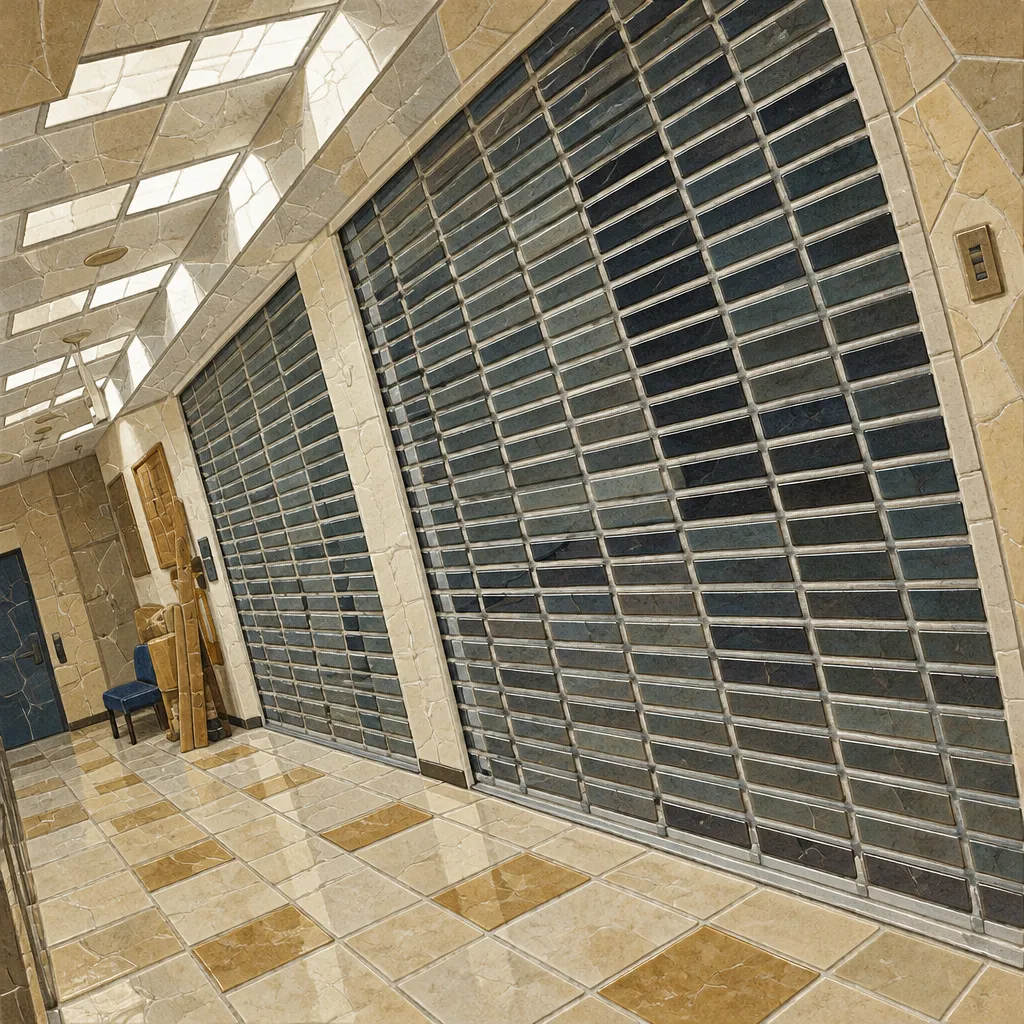
Liminal Space
Liminal space is an internet-borne microgenre/aesthetic of ambient and vaporwave-adjacent music that aims to evoke the uncanny feeling of being in empty transitional places—deserted school corridors, unlit parking structures, late-night office lobbies, or closed shopping malls. Sonically, it blends hushed drones, diffuse synth pads, tape hiss, and faraway environmental noises with fragments of public-address announcements or detuned muzak. The harmonic language is static, unresolved, and memory-like, with slow fades, extreme reverberation, and time-stretching that flatten the sense of motion. The result is a dreamlike, nostalgic, and often eerie atmosphere that feels suspended between past and present, presence and absence.
Discover
Listen
Flint Sound
Flint sound is a contemporary Michigan rap style centered in Flint, United States. It is characterized by fast, minimal, piano- or organ-led beats, dry and upfront vocals, and bar-by-bar “punch‑in” delivery that often rides slightly ahead of or behind the grid for a conversational, off‑kilter feel. The production typically favors bright piano loops, staccato 808 slides, crisp claps or rimshots, and sparse percussion, leaving plenty of space for relentless punchlines, gritty street reportage, and mischievous humor. While hard-edged and streetwise, the style frequently leans into charismatic personality and wit, making it both aggressive and infectious for dancing.
Discover
Listen
Glitchcore
Glitchcore is an internet-born microgenre that fuses pop-forward songwriting with hyperactive, digitally mangled sound design. It is characterized by bitcrushed and over-distorted synths, stuttered edits, sudden beat-switches, and heavily pitch-shifted, Auto-Tuned vocals. Arrangements tend to be short, hook-centric, and maximalist, often compressing multiple sections and textures into tracks that last 90–150 seconds. The genre borrows the emotive directness of emo rap and bedroom pop, the rhythmic backbone of trap, and the candy-coated sheen of hyperpop and bubblegum bass, while leaning into deliberate digital artifacts—glitches, dropouts, resampling, and hard clip distortion—as expressive tools. Culturally, glitchcore is inseparable from online communities (Discord, SoundCloud, TikTok), where rapid iteration, meme literacy, and DIY production workflows shaped its sound and aesthetics.
Discover
Listen
Halftime Dnb
Halftime DnB is a bass-focused offshoot of drum and bass that retains DnB’s tempo (typically 170–174 BPM) but places the drums in a half-time grid, creating the feel of 85–87 BPM. The result is a spacious, head‑nod swing that blends the sound design intensity of DnB with the groove logic of hip hop and trap. Producers emphasize heavyweight sub lines, neuro-influenced bass design, and skeletal, syncopated drum patterns (kicks and 808s up front, snares landing hard on beat three). Texture and negative space are integral, with percussion details, foley, and minimal melodic fragments carrying the narrative. The style sits naturally between club systems and headphone listening, often occupying the same ecosystems as UK bass, the autonomic/leftfield DnB continuum, and the LA beat scene.
Discover
Listen
Soundclown
Soundclown is an internet-born remix and mashup style that thrives on comedic juxtaposition, bait‑and‑switch reveals, and hyper-referential sample collage. It blends pop hits, game and cartoon music, ad jingles, meme sounds, and viral speech into quick-cut audio gags. The genre developed across YouTube and SoundCloud, favoring shock humor, nostalgia, and absurdity over traditional song form. Hallmarks include sudden key/tempo whiplash, exaggerated pitch-shifts, ear‑rending “earrape” peaks, and punchline drops that transform a familiar source into something hilariously incongruent. Because it is fundamentally platform-native, soundclown is as much a memetic editing culture as a musical style. Its tracks often function like sonic shitposts: fast, punchy, and built for instant recognition and shareability.
Discover
Listen
Idm
IDM (often expanded as "Intelligent Dance Music") is a strand of experimental electronic music that applies the sound palette and production methods of club genres to listening-focused, often home-oriented works. It favors intricate rhythm programming, unusual time signatures, and richly textured sound design, blending ambient atmospheres with techno’s pulse, electro’s syncopation, and breakbeat’s fragmentation. The music often de-emphasizes the dancefloor in favor of headphone detail, algorithmic structure, and timbral exploration. The term itself is contentious—many artists rejected the "intelligent" label—yet it became a convenient tag for the early- to mid‑1990s cluster of Warp, Rephlex, and related scenes that foregrounded complexity, abstraction, and emotional ambiguity.
Discover
Listen
Downtempo
Downtempo is a mellow, groove-oriented branch of electronic music characterized by slower tempos, plush textures, and a focus on atmosphere over dancefloor intensity. Typical tempos range from about 60–110 BPM, with swung or laid-back rhythms, dub-informed basslines, and warm, jazz-tinged harmonies. Stylistically, it blends the spaciousness of ambient, the head-nodding rhythms of hip hop and breakbeat, and the cosmopolitan smoothness of lounge and acid jazz. Producers often use sampled drums, Rhodes or Wurlitzer electric pianos, guitar licks with delay, and field recordings to create intimate, cinematic soundscapes. The mood spans from soulful and romantic to introspective and dusk-lit, making it a staple of after-hours listening, cafes, and relaxed club back rooms.
Discover
Listen
Progressive House
Progressive house is a melodic, long-form strain of house music known for gradual builds, evolving textures, and a strong sense of tension and release. It favors hypnotic grooves, lush pads, and emotive chord progressions over abrupt drops. Typically sitting around 122–128 BPM in 4/4 time, tracks unfold over six to nine minutes, introducing small changes every few bars to keep momentum. The sound balances club-focused punch with cinematic atmosphere, making it equally at home in late-night dancefloors and long-form DJ sets.
Discover
Listen
House
House is a dance music genre that emerged in Chicago in the early 1980s, defined by a steady four-on-the-floor kick drum, off-beat hi-hats, soulful or hypnotic vocals, and groove-centric basslines. Typical tempos range from 118–130 BPM, and tracks are structured in DJ-friendly 16–32 bar phrases designed for seamless mixing. Drawing on disco’s celebratory spirit, electro-funk’s drum-machine rigor, and Italo/Hi-NRG’s synth-led sheen, house prioritizes repetition, tension-and-release, and communal energy on the dancefloor. Its sound palette often includes 808/909 drums, sampled or replayed disco/funk elements, filtered loops, piano/organ stabs, and warm, jazzy chords. Over time, house diversified into many substyles—deep house, acid house, French house, tech house, progressive house, and more—yet it remains a global foundation of club culture, known for emphasizing groove, inclusivity, and euphoria.
Discover
Listen
Chiptune
Chiptune (also called chip music or 8-bit music) is a style of electronic music created with, or emulating, the programmable sound generator (PSG) and FM chips found in vintage game consoles and home computers such as the NES/Famicom, Game Boy, Commodore 64 (SID), Amiga, Atari ST, and others. The sound palette is defined by simple waveforms (square/pulse, triangle, saw, noise), rapid arpeggios that imply chords on limited channels, pitch bends, duty-cycle modulation, and crunchy noise percussion. These constraints lend chiptune its bright, percussive, and highly melodic character, often evoking early video-game aesthetics. While originally utilitarian—music for games and computer demos—the approach evolved into a standalone art form. Contemporary chiptune spans pure hardware-authentic tracks and hybrid productions that blend chip timbres with modern synthesis, drums, vocals, and mixing techniques.
Discover
Listen
Electro
Electro is an early 1980s machine-funk style built around drum machines (especially the Roland TR-808), sequenced basslines, and a futuristic, robotic aesthetic. It emphasizes syncopated rhythms, sparse arrangements, and timbres drawn from analog and early digital synthesizers. Vocals, when present, are often delivered via vocoder or rap-style chants, reinforcing a sci‑fi, cyborg persona. Electro’s grooves powered breakdance culture, and its sonic palette—crisp 808 kicks, snappy snares, dry claps, cowbells, and squelchy bass—became foundational to later techno and bass music.
Discover
Listen
Ambient
Ambient is a form of electronic and electroacoustic music that prioritizes tone, atmosphere, and texture over conventional song structures and rhythmic drive. It typically features slow-moving harmonies, sustained drones, gentle timbral shifts, and extensive use of space and silence. Rather than drawing attention to itself through hooks or beats, ambient is designed to be as ignorable as it is interesting, rewarding both background listening and focused immersion. Artists often employ synthesizers, samplers, tape loops, field recordings, and subtle acoustic instruments, with reverb and delay creating a sense of place. Substyles range from luminous, consonant soundscapes to darker, more dissonant atmospheres.
Discover
Listen
Experimental
Experimental music is an umbrella term for practices that prioritize exploration, process, and discovery over adherence to established genre norms. It embraces new sound sources, nonstandard tuning systems, indeterminacy and chance operations, graphic and open-form scores, extended techniques, and technology-led sound design (tape, electronics, computers, and live processing). Rather than a single style, it is a methodology and ethos: testing hypotheses about sound, structure, and performance, often blurring boundaries between composition, improvisation, sound art, and performance art. Listeners can expect unfamiliar timbres, unusual forms, and an emphasis on how music is made as much as the resulting sound.
Discover
Listen
Soundtrack
Soundtrack is music created to accompany and enhance visual media such as film, television, and video games. It includes original scores (instrumental or vocal music composed specifically for the picture) and, at times, curated compilations of pre-existing songs. Stylistically, soundtrack is a meta-genre that can encompass orchestral symphonic writing, jazz, electronic and synth-driven textures, choral forces, popular song, and experimental sound design. Its defining trait is functional storytelling: themes, motifs, harmony, rhythm, and timbre are shaped by narrative needs, character psychology, pacing, and editing. Common features include leitmotifs for characters or ideas, modular cues that can be edited to picture, dynamic orchestration for dramatic range, and production approaches that sit well under dialogue and sound effects. Because it must synchronize to picture, soundtrack often uses clear dramatic arcs, tempo maps, and hit points.
Discover
Listen
Electronic
Electronic is a broad umbrella genre defined by the primary use of electronically generated or electronically processed sound. It encompasses music made with synthesizers, drum machines, samplers, computers, and studio/tape techniques, as well as electroacoustic manipulation of recorded or synthetic sources. The genre ranges from academic and experimental traditions to popular and dance-oriented forms. While its sonic palette is rooted in electricity and circuitry, its aesthetics span minimal and textural explorations, structured song forms, and beat-driven club permutations. Electronic emphasizes sound design, timbre, and studio-as-instrument practices as much as melody and harmony.
Discover
Listen
Instrumental
Instrumental is music created and performed without sung lyrics, placing the expressive weight on melody, rhythm, harmony, and timbre produced by instruments. As an umbrella practice it appears in many cultures, but its modern identity cohered in Baroque-era Europe when purely instrumental forms such as the sonata, concerto, and dance suites began to flourish. Since then, instrumental thinking—developing motives, structuring form without text, and showcasing timbral contrast—has informed everything from orchestral music and solo piano repertoire to post-rock, film scores, and beat-driven electronic styles. Instrumental works can be intimate (solo or chamber) or expansive (full orchestra), narrative (programmatic) or abstract (absolute music). The absence of lyrics invites listeners to project imagery and emotion, making the style a natural fit for cinema, games, and contemplative listening.
Discover
Listen
Show all 24 genres
Albums
2025
Wanderstop FM
C418
Ambient
Downtempo
Melodic House
2025
Wanderstop
C418
Ambient
Downtempo
Electronic
2018
1
/5
Excursions
C418
Progressive House
Ambient
Downtempo
2017
2
/5
Dief
C418
Soundtrack
Ambient
Downtempo
2016
2 years of failure
C418
Ambient
Electronic
Idm
2015
2
/5
148
C418
Progressive House
Ambient
Electronic
2013
1
/5
Minecraft - Volume Beta
C418
Pixel
Ambient
Electronic
2012
one
C418
Ambient
Electronic
Soundtrack
2012
Catacomb Snatch Original Soundtrack
anosou & C418
Chiptune
Electronic
Idm
2011
1
/5
72 Minutes of Fame
C418
Progressive House
Ambient
Electronic
2011
5
/5
Minecraft - Volume Alpha
C418
Pixel
Ambient
Electronic
2011
1
/5
Minecraft - Volume Alpha
C418
Pixel
Ambient
Electronic
2011
little things
C418
Ambient
Electronic
Idm
2010
circle
C418
Ambient
Electro
Electronic
2010
A Cobblers Tee Thug
smn and C418
Ambient
Electronic
Idm
2009
Bushes and Marshmallows
C418
Ambient
Electronic
Idm
2008
zweitonegoismus
C418
Ambient
Electronic
Experimental
2008
Mubbly Tower
C418
Ambient
Electronic
Progressive House
2008
Mixes
C418
Ambient
Electronic
Idm
2008
the whatever directors cut
C418
Ambient
Electronic
Idm
Similar artists
1
/5
Various Artists
Afro-Funk
Alternative Rock
Ambient
3
/5
Biosphere
Ambient
Sound Art
Electronic
3
/5
Alva Noto
Experimental
Glitch
Ambient
4
/5
Aphex Twin
Braindance
Idm
Ambient
2
/5
AES Dana
Ambient
Ambient Trance
Downtempo
4
/5
Boards of Canada
Downtempo
Electronic
Idm
3
/5
Oneohtrix Point Never
Hauntology
Plunderphonics
Ambient
3
/5
Carbon Based Lifeforms
Ambient
Ambient Trance
Downtempo
3
/5
Autechre
Idm
Experimental
Electronic
2
/5
Aleksi Perälä
Bleep Techno
Electronic
Braindance
Download our mobile app
Get the Melodigging app and start digging for new genres on the go
Download on the App Store
Get it on Google Play
© 2026 Melodigging
Give feedback
Legal
Melodding was created as a tribute to
Every Noise at Once
, which inspired us to help curious minds keep digging into music's ever-evolving genres.