Your digging level
Description
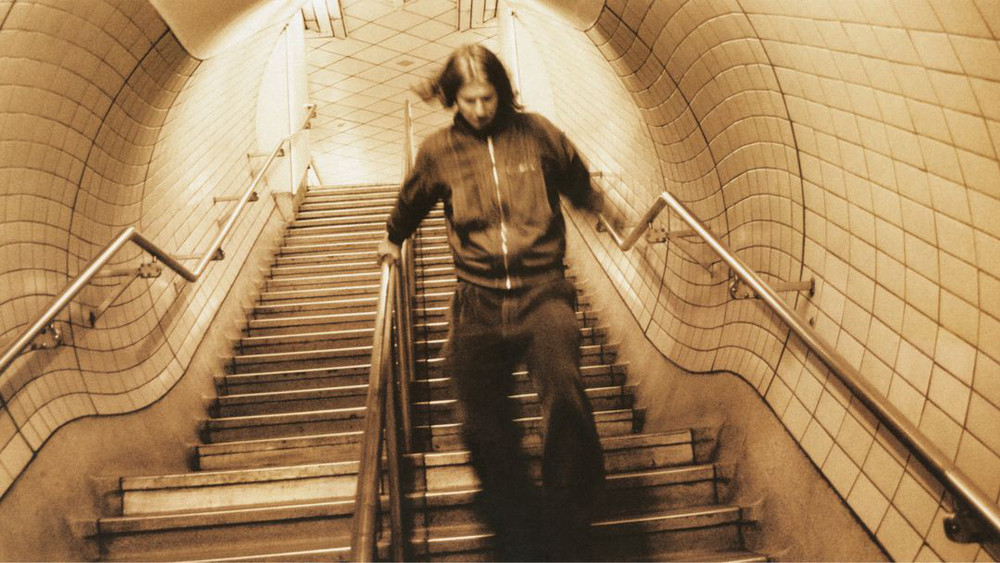
Braindance is a playful, umbrella term popularized by the Rephlex Records camp (co‑founded by Aphex Twin and Grant Wilson‑Claridge) to describe a strain of adventurous electronic music that fuses the tunefulness of classic synth and acid with the rhythmic complexity of IDM and breakbeat science.
Rather than a rigid genre, it’s a sensibility: hyper-detailed drum programming, rubbery 303 basslines, luminous pads, and left-field melodic twists, often delivered with a mischievous sense of humor. Braindance is club-aware yet listening-forward—designed to move the body and tickle the brain in equal measure.
History
Braindance emerged in the UK as a tongue‑in‑cheek rejoinder to the term “IDM,” gathering artists who loved classic acid, electro, and rave but pushed them into more melodic and rhythmically intricate territory. Rephlex Records became the stylistic nexus, championing releases that balanced breakbeat wizardry with tuneful synth work and eccentric sound design.
The sound cultivated bright, analogue‑leaning timbres (e.g., 303/101/202, SH‑series, vintage samplers), breakbeat edits bordering on the virtuosic, and an ear for bittersweet, nostalgic motifs. It coexisted with Warp’s post‑rave experimentalism while feeling more irreverent and retro‑futurist—equally suited to bedroom headphones and small, sweaty clubs.
Through the 2000s and 2010s, braindance persisted as a cult continuum: boutique labels, netlabels, and Bandcamp communities kept the flame alive. Its DNA permeated drill ’n’ bass, breakcore, and later “wonky” and glitch scenes. Today, it continues as a micro‑culture of producers who prize craft, melody, and breakbeat fluency over strict genre rules.



Top albums