Genres
Artists
Albums
Make Music
Sign in
Sign in
Artists
Electronic
Artists
Electronic
Quantic
2001–2025
·
22 albums
Listen
4
/5
Genres
Indian Indie
Indian indie is the umbrella for independent, non-film music made in India across languages such as Hindi, English, and numerous regional tongues. It is defined more by its DIY production and artist-led release model than by a single sound. Musically, it spans indie pop and rock, folk-fusion, singer‑songwriter ballads, dream‑pop/shoegaze textures, and electronic‑leaning productions. Artists often blend Western harmony and song forms with raga‑tinged melodies, Indian rhythmic feels, and occasional use of traditional instruments like tabla, bansuri, or sitar. The scene grew rapidly with college festivals, small venues, and digital platforms (YouTube, streaming services, Bandcamp), plus boutique labels and festivals such as NH7 Weekender that created national visibility. Lyrically, it tends to be intimate and contemporary—touching on romance, urban life, identity, and nostalgia—while maintaining accessible hooks and warm, organic sonics.
Discover
Listen
Latin Afrobeat
Latin Afrobeat is a contemporary fusion style that welds the polyrhythmic engine of West African Afrobeat with Latin American and Caribbean grooves. It often marries Afrobeat’s interlocking drum kit, shekere, and highlife‑style guitars with salsa/cumbia percussion sections, montuno piano figures, and bold horn arrangements. The result is a dance‑forward, big‑ensemble sound: long vamps, call‑and‑response vocals (frequently in Spanish or Portuguese), syncopated bass ostinati, and brass stabs—recorded with a warm, live, analog aesthetic. While it honors Fela Kuti’s Afrobeat blueprint, it colors that framework with Afro‑Cuban jazz harmony, salsa horn voicings, and coastal Colombia/Brazilian percussion idioms.
Discover
Listen
Lo-Fi Chill
Lo-fi chill is a mellow, downtempo, sample‑driven microgenre that blends the relaxed pace of chillout and downtempo with the dusty textures of lo‑fi recording aesthetics and hip‑hop beatmaking. Typically instrumental, it features swung drum grooves, vinyl crackle, gentle jazz harmonies, tape or cassette saturation, and short loop‑based arrangements designed for background listening, study, or relaxation. The emphasis is on warmth, imperfection, and mood over virtuosity, with subdued melodies, soft bass lines, and minimal dynamic contrasts creating a calming, introspective atmosphere.
Discover
Listen
Tulum
Tulum is a contemporary electronic dance music sound that crystallized around the boutique party scene in Tulum, Mexico, during the 2010s. It blends deep, organic house grooves with downtempo sensibilities, hand-played percussion, and "world"-leaning timbres such as oud, bansuri, handpan, and Latin guitar. The style favors warm, analog textures; modal, minor-key harmonies (often Dorian or Phrygian); long, reverb-washed atmospheres; and subtle, mantra-like vocals or chants. Tempos usually sit between 112–120 BPM, with earthy polyrhythms and shuffling, Afro- and Latin-influenced percussion propelling a hypnotic four-on-the-floor. Aesthetically, the Tulum sound is associated with sunrise/sunset beach settings, bohemian design, and a wellness-forward, festival-adjacent culture. Musically it overlaps with the broader “organic house/downtempo” movement while retaining a distinctly tropical, ritualistic character.
Discover
Listen
Nu-Cumbia
Nu-cumbia is a 21st‑century, electronic reimagining of classic cumbia that blends Colombian and pan–Latin rhythms with contemporary production techniques. Typically mid‑tempo (about 85–105 BPM), it keeps the genre’s swaying 2/4 groove, guacharaca and hand‑drum patterns, and tumbao‑style bass, while layering hip‑hop sampling, dub delays, filtered synths, and atmospheric sound design. Producers often sample or re-record traditional instrumentation—accordion, gaita flutes, charango, guitar, and percussion—and place it inside modern beat frameworks. The result feels both rootsy and futuristic: nostalgic melodic motifs and folkloric textures ride alongside punchy kicks, sub‑bass, and detailed FX, making nu‑cumbia equally at home in clubs, headphones, and festival stages.
Discover
Listen
Electrocumbia
Electrocumbia (often called digital cumbia or nu-cumbia) is a contemporary, electronic reinterpretation of traditional cumbia. It merges cumbia’s signature off‑beat percussion, guacharaca/güiro textures, and tumbao bass with modern production elements such as synthesizers, drum machines, sampling, and dub-style effects. While rooted in Colombian cumbia, the style took shape across Latin America—especially within Buenos Aires’ club scene—where producers fused folkloric rhythms with downtempo, house, hip hop, and dub aesthetics. The result is a sound that can be both hypnotic and dance‑forward, oscillating between dreamy, psychedelic atmospheres and gritty, bass‑heavy grooves.
Discover
Listen
Downtempo
Downtempo is a mellow, groove-oriented branch of electronic music characterized by slower tempos, plush textures, and a focus on atmosphere over dancefloor intensity. Typical tempos range from about 60–110 BPM, with swung or laid-back rhythms, dub-informed basslines, and warm, jazz-tinged harmonies. Stylistically, it blends the spaciousness of ambient, the head-nodding rhythms of hip hop and breakbeat, and the cosmopolitan smoothness of lounge and acid jazz. Producers often use sampled drums, Rhodes or Wurlitzer electric pianos, guitar licks with delay, and field recordings to create intimate, cinematic soundscapes. The mood spans from soulful and romantic to introspective and dusk-lit, making it a staple of after-hours listening, cafes, and relaxed club back rooms.
Discover
Listen
Trip Hop
Trip hop is a downtempo, atmospheric fusion of hip hop rhythm and sampling techniques with the textures of dub, soul, jazz, and ambient music. Emerging from the Bristol scene in the early 1990s, it favors slow, head‑nodding breakbeats, deep bass, and cinematic sound design. The style is characterized by moody harmonies (often in minor keys), woozy tape- and vinyl-derived timbres, and liberal use of delay and reverb. Vocals frequently alternate between intimate, breathy singing and spoken word/rap, and lyrical themes tend toward noir, introspective, and melancholic subjects. Strings, Rhodes pianos, turntable scratches, and field recordings are common, creating a shadowy, filmic vibe.
Discover
Listen
Electronica
Electronica is a broad, largely 1990s umbrella term for a spectrum of electronic music crafted as much for immersive, album‑oriented listening as for clubs and raves. It gathers elements from techno, house, ambient, breakbeat, IDM, and hip hop production, emphasizing synthesizers, drum machines, samplers, and studio experimentation. The sound can range from downtempo and atmospheric to hard‑hitting and breakbeat‑driven, but it typically foregrounds sound design, texture, and mood over strict dance‑floor utility. In the mid‑to‑late 1990s the term was used by labels and press—especially in the United States—to market and introduce diverse electronic acts to mainstream rock and pop audiences.
Discover
Listen
Breaks
Breaks is a broad electronic dance music style built around syncopated breakbeat drum patterns instead of a straight four-on-the-floor kick. It emphasizes sliced, rearranged, and layered drum breaks—often sampled from classic funk, hip hop, and early electro—combined with heavy sub-bass and club-ready arrangements. As a scene and label category, “breaks” crystallized in the UK in the late 1990s out of the rave continuum, alongside big beat and later “nu skool breaks.” While tempos usually range from roughly 125–140 BPM, the defining trait is the swung, shuffling, and fragmented rhythm that drives dancers with push–pull groove rather than rigid grid-based kicks. Breaks spans a spectrum from funky, party-oriented tracks to darker, techy, bass-heavy material (often called tech breaks). Across its variants, it remains DJ-friendly, sample-savvy, and grounded in the art of drum manipulation.
Discover
Listen
Broken Beat
Broken beat (often shortened to "bruk") is a rhythm-forward, jazz- and funk-inflected style of club music that emerged from West London. Its defining feature is a heavily syncopated, off‑kilter drum feel that fractures straight 4/4 time without abandoning dance‑floor energy. Producers combine swung, jittery percussion with warm, soulful chords, boogie/funk basslines, and frequent live instrumentation. The harmony language often borrows from jazz (extended chords, rich voicings), while the groove draws from house, drum & bass, UK garage, hip hop, and boogie. Typical tempos sit around 118–130 BPM, with pronounced swing and micro‑timing that create a lurching, propulsive pulse.
Discover
Listen
Latin Alternative
Latin alternative is an umbrella term for genre-bending music made by Latin American and US Latino artists that sits outside mainstream Latin pop. It blends alternative and indie rock attitudes with Latin rhythmic vocabularies (cumbia, salsa, ska, reggae), hip hop, and electronic production. The style privileges experimentation, hybridity, and scene-driven authenticity rather than commercial formulas. Lyrics are often in Spanish (sometimes bilingual or Spanglish), and themes range from the personal and poetic to social and political commentary. The movement coalesced in the mid-to-late 1990s around U.S. media and festivals (e.g., LAMC), helping connect diverse scenes from Mexico, Argentina, Chile, Colombia, Puerto Rico, and beyond.
Discover
Listen
Nu Jazz
Nu jazz is a late-1990s movement that blends contemporary electronic production with the improvisational language and harmony of jazz. It keeps jazz’s extended chords, modal colors, and live soloing, but places them over programmed beats, sampled textures, and synth-driven arrangements. Typical tracks feature warm Rhodes or piano voicings, roomy horns, and deep bass sitting alongside house, broken beat, or downtempo grooves. The result is music that feels both club-ready and listening-focused, bridging intimate jazz sensibilities with modern electronic sound design.
Discover
Listen
Acid Jazz
Acid jazz is a groove-focused fusion that blends the rhythmic drive of 1970s funk and soul with jazz harmony, improvisation, and DJ culture. Emerging from the UK club scene in the late 1980s, it revived crate-dug "rare groove" aesthetics and reintroduced live instrumentation—Hammond organ, Rhodes, horns, and tight rhythm sections—into contemporary dance music. Stylistically, acid jazz favors mid-tempo, syncopated rhythms, vamp-based structures, extended chords, and concise solos, often paired with warm, analog-leaning production. It sits between dancefloor energy and lounge sophistication, bridging DJs, bands, and studio producers while maintaining a polished, urban, and feel-good mood.
Discover
Listen
Latin Funk
Latin funk is a hybrid style that fuses the hard-driving grooves of American funk and soul with Afro‑Latin and Caribbean rhythms such as boogaloo, salsa, and son cubano. It typically features syncopated bass lines, backbeat‑heavy drums, and a layered Latin percussion section of congas, timbales, bongos, cowbell, and güiro. Horns play a central role, supplying tight stabs, call‑and‑response riffs, and montuno‑like figures alongside guitar guajeos, wah‑wah textures, and clavinet or electric piano vamps. Vocals may be in Spanish, English, or Spanglish, often reflecting urban Latino life and dance‑floor culture. The result is a festive, danceable sound that is both gritty and polished, rooted in barrio street funk yet rich in Latin rhythmic sophistication.
Discover
Listen
Funk
Funk is a rhythm-forward African American popular music style that centers on groove, syncopation, and interlocking parts. Rather than emphasizing complex chord progressions, funk builds tight, repetitive vamps that highlight the rhythm section and create an irresistible dance feel. The genre is marked by syncopated drum patterns, melodic yet percussive bass lines, choppy guitar "chanks," punchy horn stabs, call‑and‑response vocals, and a strong backbeat. Funk’s stripped-down harmony, prominent use of the one (accenting the downbeat), and polyrhythmic layering draw deeply from soul, rhythm and blues, jazz, gospel, and African rhythmic traditions. From James Brown’s late-1960s innovations through the expansive P-Funk universe and the slicker sounds of the 1970s and 1980s, funk has continually evolved while seeding countless other genres, from disco and hip hop to house and modern R&B.
Discover
Listen
Latin Soul
Latin soul is a hybrid of African‑American soul/R&B and Afro‑Caribbean dance music that emerged among Nuyorican and other Latino communities in the United States during the mid‑1960s. It blends English and Spanish vocals, gospel‑tinged harmonies, and backbeat‑driven grooves with Latin percussion, montuno piano figures, and son‑clave patterns. The result is upbeat, dance‑floor‑ready songs with catchy horn riffs, call‑and‑response choruses, and ear‑worm hooks that sit comfortably between soul radio and a Latin social club.
Discover
Listen
Reggae
Reggae is a popular music genre from Jamaica characterized by a laid-back, syncopated groove, prominent bass lines, and steady offbeat “skank” guitar or keyboard chords. The rhythmic core often emphasizes the third beat in a bar (the “one drop”), creating a spacious, rolling feel that foregrounds bass and drums. Typical instrumentation includes drum kit, electric bass, rhythm and lead guitars, keyboards/organ (notably the Hammond and the percussive "bubble"), and often horn sections. Tempos generally sit around 70–80 BPM (or 140–160 BPM felt in half-time), allowing vocals to breathe and messages to be clearly delivered. Lyrically, reggae ranges from love songs and everyday storytelling to incisive social commentary, resistance, and spirituality, with Rastafarian culture and language (e.g., “I and I”) playing a central role in many classic recordings. Studio production techniques—spring reverbs, tape delays, and creative mixing—became signature elements, especially through dub versions that strip down and reimagine tracks.
Discover
Listen
Boogaloo
Boogaloo (also called bugalú or Latin boogaloo) is a mid‑1960s New York dance music that fuses Afro‑Cuban and Puerto Rican rhythms with African‑American R&B and soul. It features son/cha‑cha‑chá percussion under a strong backbeat, bluesy horn riffs, call‑and‑response coros, and catchy, often bilingual (English/Spanish) hooks. Compared with earlier mambo and pachanga, boogaloo is leaner, more groove‑driven, and aimed squarely at youth dance floors—think handclaps, cowbell, piano montunos, and punchy brass vamps supporting simple, memorable choruses.
Discover
Listen
Soul
Soul is a genre of popular music that blends the spiritual fervor and vocal techniques of African‑American gospel with the grooves and song forms of rhythm & blues and the harmonic palette of jazz and blues. It is defined by impassioned, melismatic lead vocals; call‑and‑response with backing singers; handclaps and a strong backbeat; syncopated bass lines; and memorable horn or string riffs. Typical instrumentation includes drum kit, electric bass, electric guitar, piano or Hammond organ, horns (trumpet, saxophone, trombone), and sometimes orchestral strings. Lyrically, soul ranges from love and heartbreak to pride, social commentary, and spiritual yearning. Regionally distinct scenes—such as Detroit’s Motown, Memphis/Stax, Muscle Shoals, Chicago, New Orleans, and Philadelphia—shaped different flavors of soul, while the style’s emotional directness and rhythmic drive made it a cornerstone of later funk, disco, contemporary R&B, and hip hop.
Discover
Listen
Latin
Latin (as a genre label) is a broad umbrella used by the recording industry to categorize popular music rooted in Latin America, the Caribbean, and the Iberian world, often characterized by syncopated Afro-diasporic rhythms, dance-forward grooves, and lyrics primarily in Spanish or Portuguese. As a marketplace category that took shape in the mid-20th century United States, it gathers diverse traditions—Afro-Cuban, Brazilian, Mexican, and Caribbean styles—into a shared space. In practice, "Latin" spans everything from big-band mambo and bolero ballads to contemporary pop, rock, hip hop, and dance fusions produced by artists of Latin American heritage.
Discover
Listen
Afro-Cuban Jazz
Afro-Cuban jazz (often historically called Cubop) is a fusion of Afro-Cuban rhythmic traditions and North American jazz harmony, melody, and improvisation. It sets jazz writing and soloing inside the matrix of the clave, combining straight-eighth Afro-Cuban grooves (mambo, rumba, son montuno, danzón) with big-band and bebop vocabulary. Hallmarks include piano montunos (guajeos), tumbao bass lines, horn mambos and moñas (syncopated riffs), and a percussion section of congas, bongos, timbales, cowbell, and claves. The result is music that is harmonically sophisticated yet dance-driven, balancing arranged horn passages with open sections for improvisation, and emphasizing call-and-response and layered polyrhythms.
Discover
Listen
Jazz
Jazz is an improvisation-centered music tradition that emerged from African American communities in the early 20th century. It blends blues feeling, ragtime syncopation, European harmonic practice, and brass band instrumentation into a flexible, conversational art. Defining features include swing rhythm (a triplet-based pulse), call-and-response phrasing, blue notes, and extended harmonies built on 7ths, 9ths, 11ths, and 13ths. Jazz is as much a way of making music—spontaneous interaction, variation, and personal sound—as it is a set of forms and tunes. Across its history, jazz has continually hybridized, from New Orleans ensembles and big-band swing to bebop, cool and hard bop, modal and free jazz, fusion, and contemporary cross-genre experiments. Its influence permeates global popular and art music.
Discover
Listen
Electronic
Electronic is a broad umbrella genre defined by the primary use of electronically generated or electronically processed sound. It encompasses music made with synthesizers, drum machines, samplers, computers, and studio/tape techniques, as well as electroacoustic manipulation of recorded or synthetic sources. The genre ranges from academic and experimental traditions to popular and dance-oriented forms. While its sonic palette is rooted in electricity and circuitry, its aesthetics span minimal and textural explorations, structured song forms, and beat-driven club permutations. Electronic emphasizes sound design, timbre, and studio-as-instrument practices as much as melody and harmony.
Discover
Listen
Show all 24 genres
Albums
2025
2
/5
DJ-Kicks: Quantic
Quantic
Nu-Cumbia
2025
1
/5
Theme From Selva (Remix)
Quantic
Nu-Cumbia
2025
2
/5
Eko Eko (DJ-Kicks)
Quantic
Nu-Cumbia
2024
2
/5
Tropics
Quantic
Nu-Cumbia
2023
3
/5
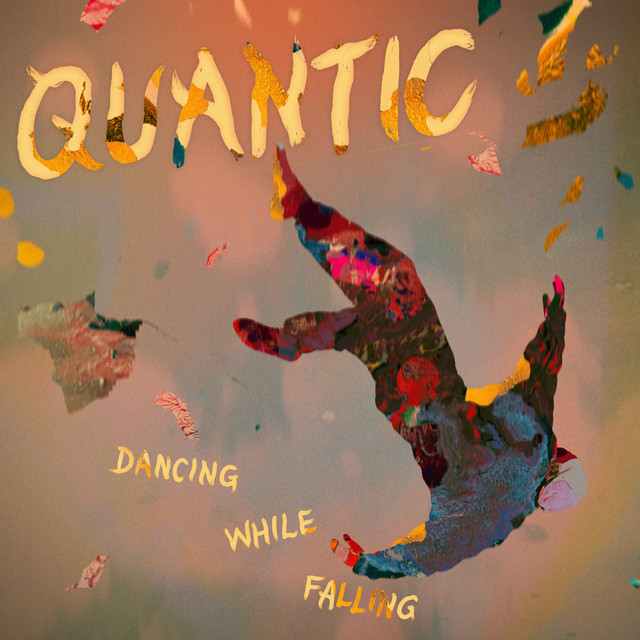
Dancing While Falling
Quantic
Nu-Cumbia
Disco
Electronic
2021
1
/5
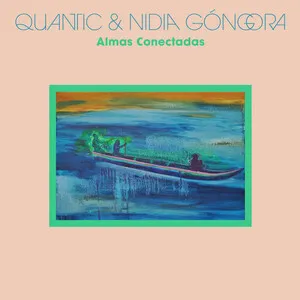
Almas conectadas
Quantic & Nidia Góngora
Latin Soul
Electronic
Jazz
2021
2
/5
Heaven or Hell
Quantic
Nu-Cumbia
2020
2
/5
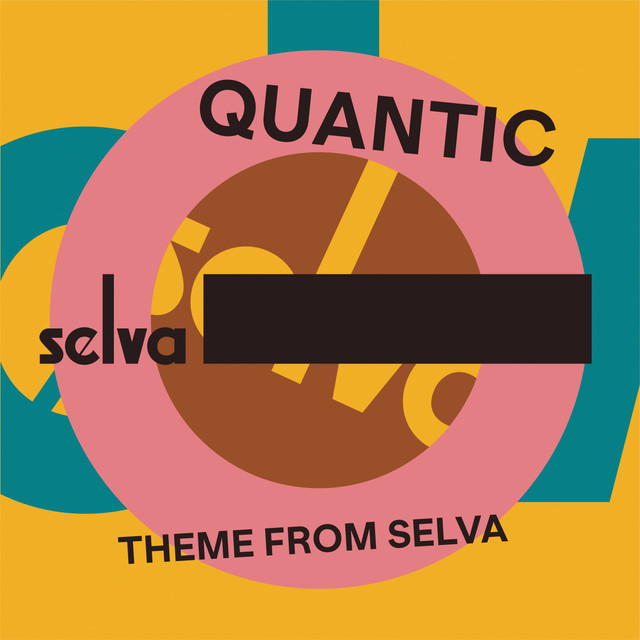
Theme from Selva
Quantic
Nu-Cumbia
2017
1
/5
Curao
Quantic & Nidia Góngora
Tropipop
2014
1
/5
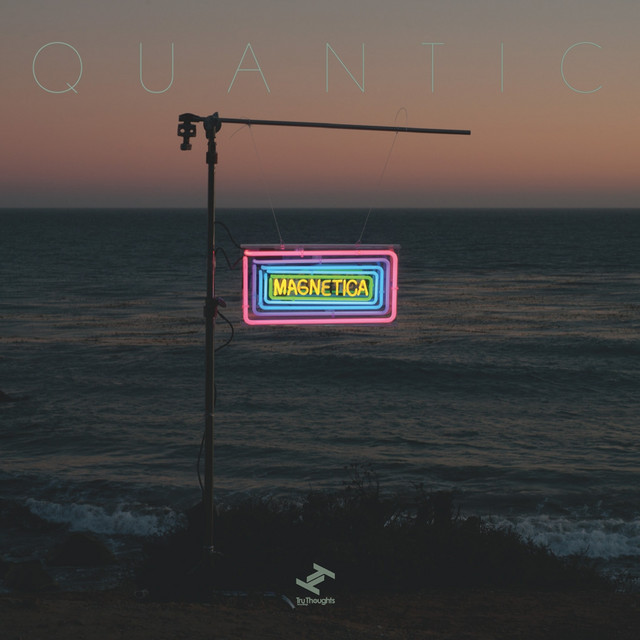
Magnetica
Quantic
Nu-Cumbia
Acid Jazz
Trip Hop
2014
3
/5
Magnetica
Quantic
Nu-Cumbia
2014
1
/5
Magnetica
Quantic
Digital Cumbia
Electronic
2012
1
/5
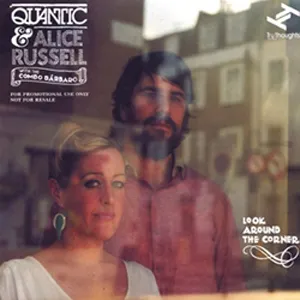
Look Around the Corner
Quantic & His Combo Bárbaro & Alice Russell
Boogaloo
Latin Soul
2010
1
/5
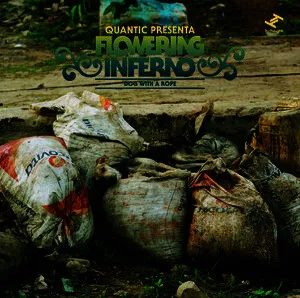
Dog With a Rope
Quantic Presenta Flowering Inferno
Descarga
Latin Funk
Cuban Music
2009
1
/5
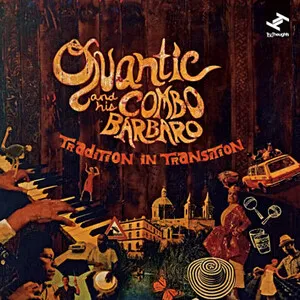
Tradition in Transition
Quantic & His Combo Bárbaro
Latin Funk
Afro-Cuban Jazz
2008
1
/5
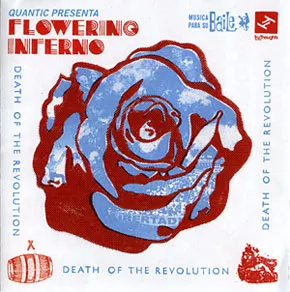
Death of the Revolution
Flowering Inferno
Latin Funk
Dub
Electronic
2007
1
/5
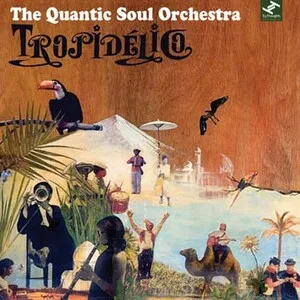
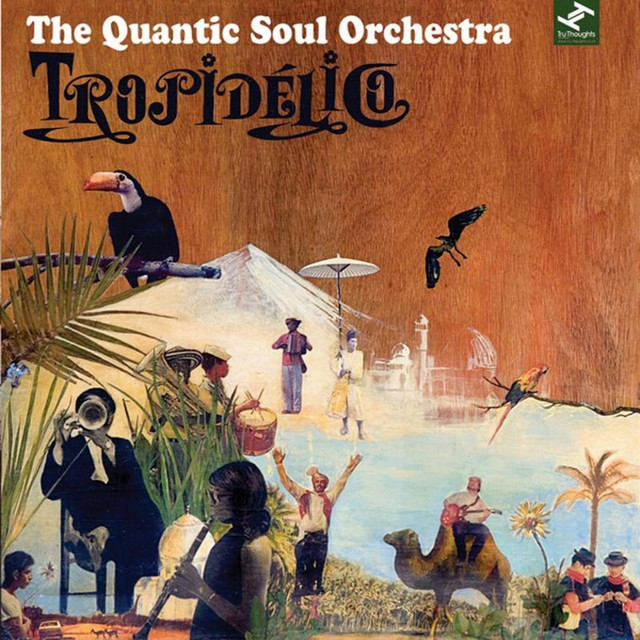
Tropidelico
Quantic Soul Orchestra
Latin Funk
Acid Jazz
Jazz
2005
1
/5
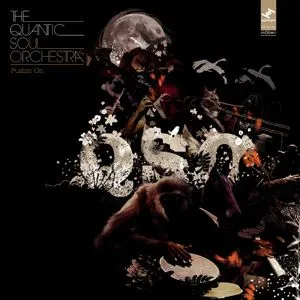
Pushin' On
Quantic Soul Orchestra
Latin Funk
Deep Funk
Funk
2004
1
/5
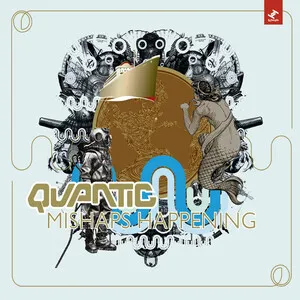
Mishaps Happening
Quantic
Broken Beat
Downtempo
Electronic
2002
1
/5
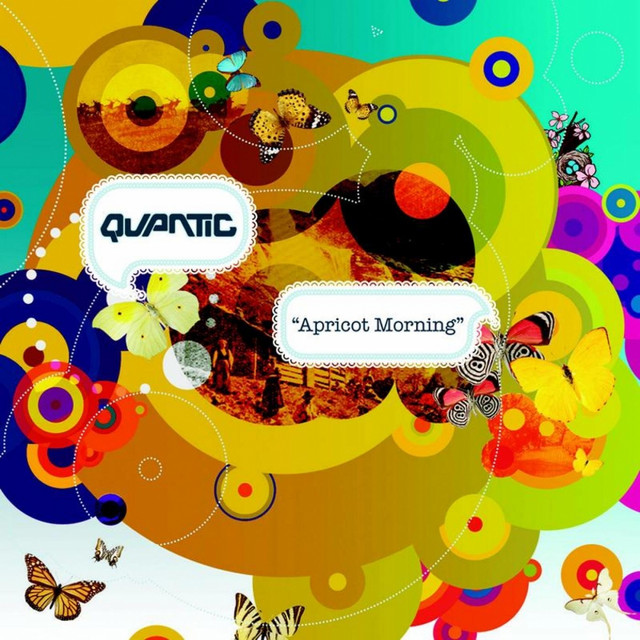
Apricot Morning
Quantic
Nu-Cumbia
Breaks
Downtempo
2002
1
/5
Apricot Morning
Quantic
Broken Beat
Breaks
Downtempo
2001
1
/5
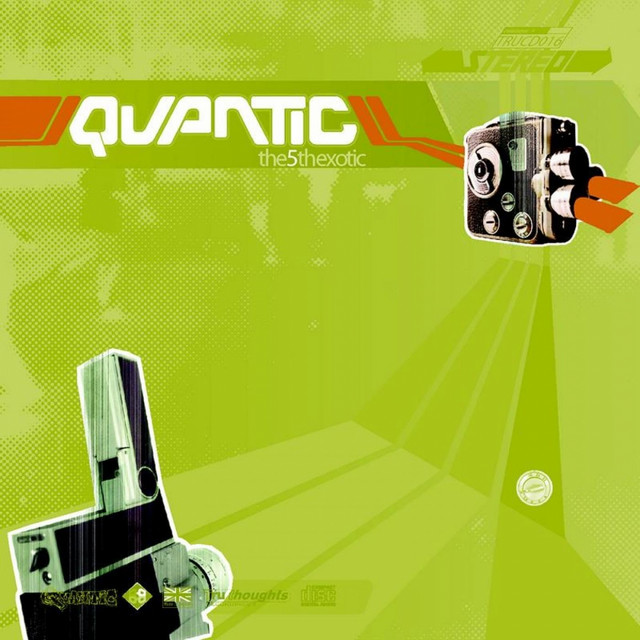
The 5th Exotic
Quantic
Nu-Cumbia
Acid Jazz
Downtempo
Similar artists
1
/5
Various Artists
Afro-Funk
Alternative Rock
Ambient
3
/5
The Quantic Soul Orchestra
Funk
Acid Jazz
Latin Funk
3
/5
Nightmares On Wax
Bleep Techno
Trip Hop
Downtempo
3
/5
St Germain
Jazztronica
Acid Jazz
Downtempo
3
/5
Boozoo Bajou
Acid Jazz
Downtempo
Trip Hop
3
/5
DJ KRUSH
Turntablism
Downtempo
Trip Hop
4
/5
Thievery Corporation
Livetronica
Acid Jazz
Downtempo
2
/5
Red Snapper
Acid Jazz
Downtempo
Idm
3
/5
Mr. Scruff
Acid Jazz
Downtempo
Trip Hop
2
/5
Barry Adamson
Acid Jazz
Dark Jazz
Cinematic Classical
Download our mobile app
Get the Melodigging app and start digging for new genres on the go
Download on the App Store
Get it on Google Play
© 2026 Melodigging
Give feedback
Legal
Melodding was created as a tribute to
Every Noise at Once
, which inspired us to help curious minds keep digging into music's ever-evolving genres.