Genres
Make Music
Artists
Albums
Challenges
Sign in
Sign in
Albums
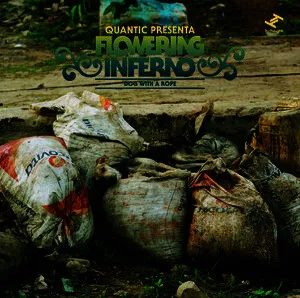
By Quantic
Albums
By Quantic
Dog With a Rope
July 19, 2010
Listen
1
/5
Genres
Latin Funk
Latin funk is a hybrid style that fuses the hard-driving grooves of American funk and soul with Afro‑Latin and Caribbean rhythms such as boogaloo, salsa, and son cubano. It typically features syncopated bass lines, backbeat‑heavy drums, and a layered Latin percussion section of congas, timbales, bongos, cowbell, and güiro. Horns play a central role, supplying tight stabs, call‑and‑response riffs, and montuno‑like figures alongside guitar guajeos, wah‑wah textures, and clavinet or electric piano vamps. Vocals may be in Spanish, English, or Spanglish, often reflecting urban Latino life and dance‑floor culture. The result is a festive, danceable sound that is both gritty and polished, rooted in barrio street funk yet rich in Latin rhythmic sophistication.
Discover
Listen
Descarga
Descarga is the Cuban tradition of extended, largely improvised jam sessions built on Afro‑Cuban dance grooves and montuno vamps. Emerging in 1950s Havana and later flourishing in New York, it brought the spontaneity of jazz to Cuban popular forms such as son, mambo, and chachachá. Typically recorded by all‑star studio ensembles, descargas feature rotating solos over repeating guajeos (ostinatos), anchored by the clave and a driving percussion section. They are celebratory, high‑energy gatherings where arrangers set up simple harmonic frameworks and horn "moñas" (riffs), then let the players stretch out.
Discover
Listen
Latin
Latin (as a genre label) is a broad umbrella used by the recording industry to categorize popular music rooted in Latin America, the Caribbean, and the Iberian world, often characterized by syncopated Afro-diasporic rhythms, dance-forward grooves, and lyrics primarily in Spanish or Portuguese. As a marketplace category that took shape in the mid-20th century United States, it gathers diverse traditions—Afro-Cuban, Brazilian, Mexican, and Caribbean styles—into a shared space. In practice, "Latin" spans everything from big-band mambo and bolero ballads to contemporary pop, rock, hip hop, and dance fusions produced by artists of Latin American heritage.
Discover
Listen
Electronic
Electronic is a broad umbrella genre defined by the primary use of electronically generated or electronically processed sound. It encompasses music made with synthesizers, drum machines, samplers, computers, and studio/tape techniques, as well as electroacoustic manipulation of recorded or synthetic sources. The genre ranges from academic and experimental traditions to popular and dance-oriented forms. While its sonic palette is rooted in electricity and circuitry, its aesthetics span minimal and textural explorations, structured song forms, and beat-driven club permutations. Electronic emphasizes sound design, timbre, and studio-as-instrument practices as much as melody and harmony.
Discover
Listen
Cuban Music
Cuban music is the rich, syncretic musical tradition of Cuba, shaped by the meeting of Spanish/European song forms and West/Central African rhythms. Its heartbeat is the clave—a two-measure rhythmic cell (3–2 or 2–3) that organizes percussion, melody, and harmony across styles. From the contradanza and habanera of the 19th century to danzón, rumba, and son cubano in the early 20th century—and later mambo, cha-cha-chá, nueva trova, songo, and timba—Cuban music has continually reinvented itself while retaining its core Afro‑Cuban rhythmic language. Typical instruments include the tres (Cuban guitar), bongó, congas, timbales, güiro, maracas, cowbell, bass, piano (playing guajeos/montunos), and bright horn sections. Beyond the island, Cuban music has profoundly influenced global popular music—fueling the rise of salsa and Latin jazz and reshaping dance music worldwide—while continuing to honor deep connections to Yoruba/Lukumí religious drumming and Spanish lyrical traditions.
Discover
Listen
Cumbia
Cumbia is a syncretic dance-music tradition from Colombia’s Caribbean coast that blends African rhythmic heritage, Indigenous (especially gaita flute) melodic practice, and Spanish colonial instrumentation and forms. Traditionally performed in a moderate 2/4 (often felt in 4/4 today), it features interlocking hand-drum parts (tambora, alegre, llamador), guacharaca or maracas for steady texture, and long cane flutes (gaita hembra and gaita macho) carrying call-and-response melodies. As it spread in the 20th century, orchestras and dance bands added accordion, horns, piano, bass, and later electric guitar and synthesizers, creating urban and pan–Latin American variants. Harmonically simple and rhythm-forward, cumbia places groove, ostinati, and vocal refrains at the center, making it both ceremonial in origin and enduringly popular on social dance floors across the Americas.
Discover
Listen
Similar albums
2018
Mi Buenaventura
Peregoyo y Su Combo Vacaná
1990
Unfinished Masterpiece
Eddie Palmieri
2019
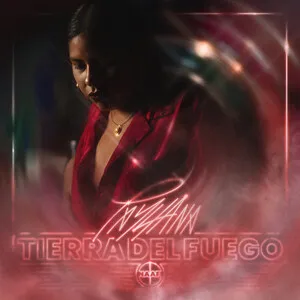
Tierra del fuego
TAYHANA
2019
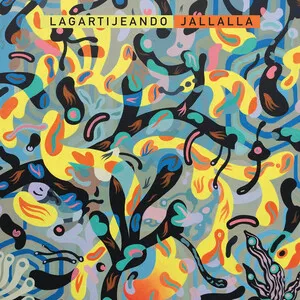
Jallalla
Lagartijeando
2022
Un verano sin ti
Bad Bunny
2020
YHLQMDLG
Bad Bunny
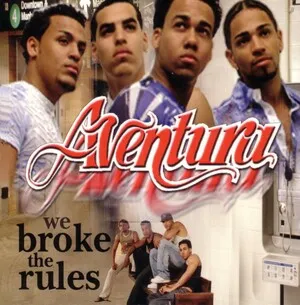
2002
We Broke the Rules
Aventura
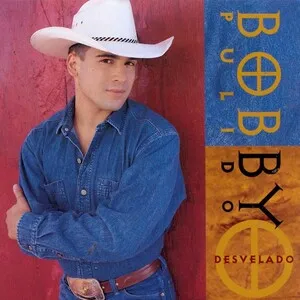
1995
Desvelado
Bobby Pulido
2021
Pepas
Farruko
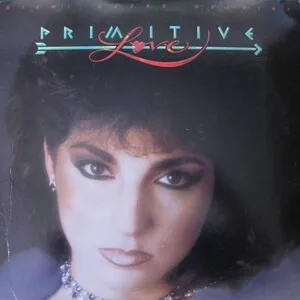
1985
Primitive Love
Miami Sound Machine
Download our mobile app
Get the Melodigging app and start digging for new genres on the go
Download on the App Store
Get it on Google Play
© 2026 Melodigging
Give feedback
Legal
Melodding was created as a tribute to
Every Noise at Once
, which inspired us to help curious minds keep digging into music's ever-evolving genres.