Your digging level
Description
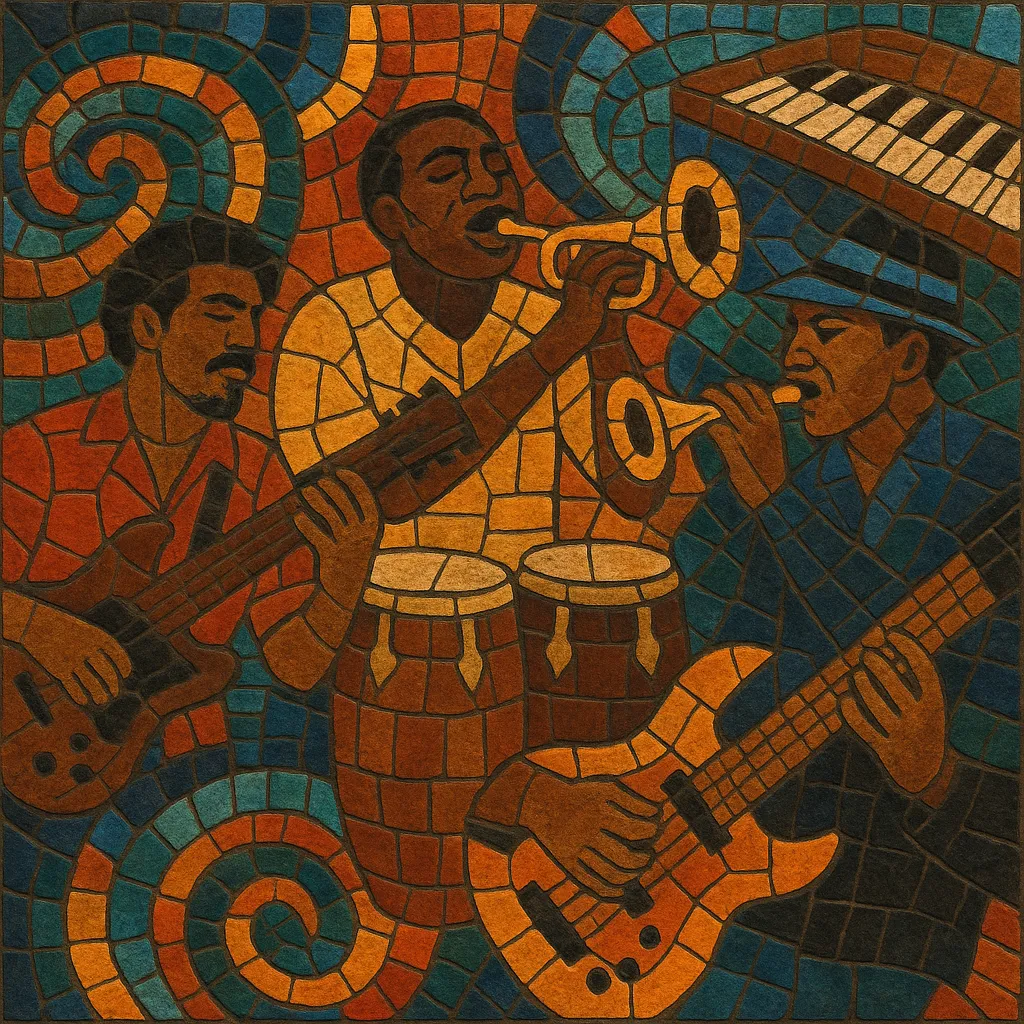
Latin funk is a hybrid style that fuses the hard-driving grooves of American funk and soul with Afro‑Latin and Caribbean rhythms such as boogaloo, salsa, and son cubano. It typically features syncopated bass lines, backbeat‑heavy drums, and a layered Latin percussion section of congas, timbales, bongos, cowbell, and güiro.
Horns play a central role, supplying tight stabs, call‑and‑response riffs, and montuno‑like figures alongside guitar guajeos, wah‑wah textures, and clavinet or electric piano vamps. Vocals may be in Spanish, English, or Spanglish, often reflecting urban Latino life and dance‑floor culture. The result is a festive, danceable sound that is both gritty and polished, rooted in barrio street funk yet rich in Latin rhythmic sophistication.
History
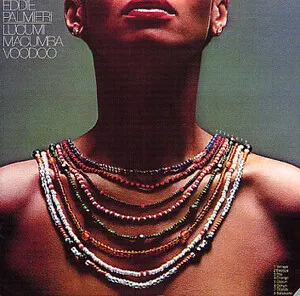
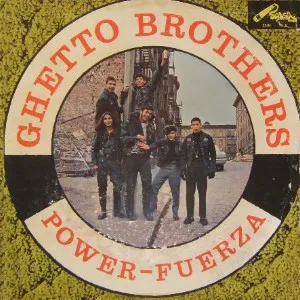
Latin funk crystallized in the late 1960s in the United States, particularly in New York City and California, where Latino, Black, and multicultural bands drew from James Brown–style funk, Nuyorican boogaloo, and salsa. Early catalysts included Joe Bataan’s Latin soul/funk singles, Eddie Palmieri’s experiments that culminated in the Harlem River Drive project, and the funk‑infused Latin rock of Santana and Malo.
The 1970s saw a flourishing scene. Groups like War, Mandrill, and Malo blended horn‑driven funk with Afro‑Cuban percussion and bilingual vocals, while Fania‑affiliated artists occasionally crossed into funkier territory. In Brazil, Tim Maia, Cassiano, Hyldon, and Banda Black Rio forged a closely related soul/funk current with pronounced Latin and Afro‑Brazilian rhythms, feeding back into the broader Latin funk vocabulary.
By the mid‑to‑late 1970s, the sound intersected with disco and post‑disco via labels and bands that bridged Latin percussion, orchestral horns, and four‑on‑the‑floor grooves. This period laid foundations for later Latin house and Latin hip hop, and it informed crate‑digging and sampling traditions in DJ culture.
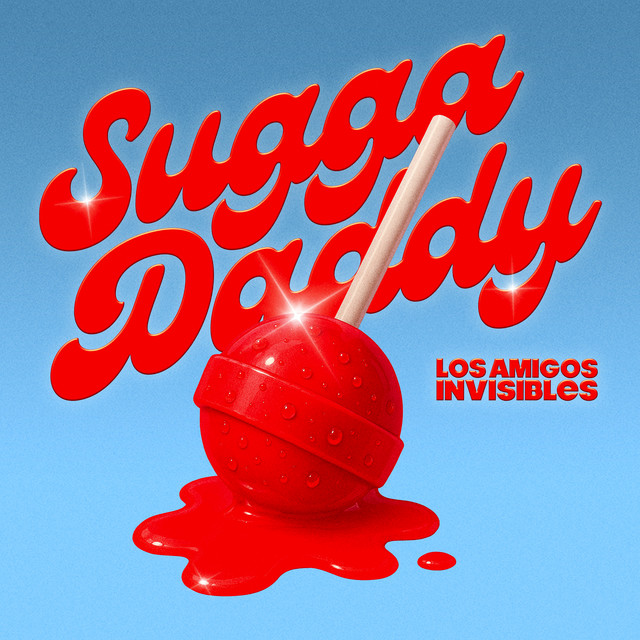
A revival from the 1990s onward brought new acts such as Ozomatli, Los Amigos Invisibles, Grupo Fantasma, and Brownout, who combined classic 1970s aesthetics with modern production and influences from hip hop, acid jazz, and global funk. Contemporary bands and DJs continue to mine 1970s Latin funk records for samples and inspiration, sustaining the genre’s presence across festival stages, dance floors, and modern playlists.
Start with a danceable mid‑tempo (often 95–115 BPM). Build a deep pocket using a tight funk backbeat on the drum kit while allowing Latin percussion to drive cross‑rhythms.
Layer congas (tumbao), timbales (cáscara and fills), bongos, cowbell, and güiro. Align parts with a 2‑3 or 3‑2 clave sensibility even if the drum kit anchors a straight funk groove.
Use funk‑friendly harmonies (dominant 7ths, 9ths, 13ths) and modal color (Mixolydian, Dorian). Riff‑based vamps and piano/organ montunos work well. Guitar can supply guajeo‑style patterns, wah‑wah chops, and short melodic hooks.
Write concise, syncopated horn lines (trumpet, trombone, sax) in call‑and‑response with vocals or rhythm section figures. Employ unison riffs, harmonized stabs, and shout sections for dynamic peaks.
Alternate lead vocals with coro (call‑and‑response). Bilingual or Spanglish lyrics fit naturally, often celebrating street life, dancing, romance, and community. Keep melodies memorable and hook‑driven.
Structure songs around strong vamps with breakdowns for percussion or horn features. Favor warm, punchy production: crisp drums, present bass, and lively room sound on percussion. Tasteful saturation and minimal quantization preserve the human swing.