

Your digging level
Description
Latin disco is a dance-oriented fusion that layers the four-on-the-floor pulse, strings, and extended arrangements of 1970s disco with Afro-Caribbean and Latin American rhythmic vocabularies.
It emphasizes congas, timbales, cowbell, and hand percussion playing tumbao and clave-derived patterns, alongside horn mambos, call-and-response coros, and montuno vamps.
Born largely in New York and Miami’s Nuyorican, Cuban, and broader Latin diasporas, the sound bridged salsa/boogaloo and soul/funk to the discotheque, often presented in DJ-friendly 12-inch mixes with long instrumental breaks.
Songs frequently blend English and Spanish (or Spanglish), pairing romantic or celebratory themes with joyous, highly danceable grooves.
History
Latin disco emerged in the mid-to-late 1970s in the United States—especially New York City and Miami—where Nuyorican, Puerto Rican, Cuban, Dominican, and other Latin communities were deeply involved in club culture. DJs and musicians drew on salsa band formats, boogaloo’s cross-cultural spirit, and the lush orchestration and four-on-the-floor beat of disco. The Salsoul label (short for “salsa + soul”) became a key hub for Latin-inflected disco records aimed at the dancefloor and the 12-inch single market.
The style flourished as arrangers fused string sections, brass mambos, and montuno vamps with steady disco drum kits and syncopated congas, bongos, and timbales. Extended breaks and percussion-driven sections were designed for dancers and club DJs. Records by The Salsoul Orchestra, KC and the Sunshine Band, Dr. Buzzard’s Original Savannah Band, and Spanish group Barrabás demonstrated how Latin rhythms and disco textures could coexist in radio-friendly and club-ready formats.
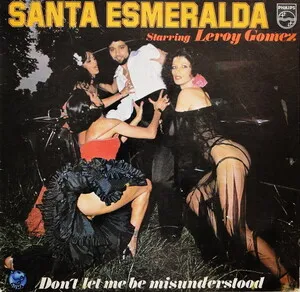
Latin disco’s popularity spread internationally as labels and producers in Europe and Latin America embraced the formula. Acts like Santa Esmeralda and Miami Sound Machine offered highly melodic, romantic, and flamboyant versions of the sound, while Nuyorican and salsa artists experimented with disco arrangements for crossover success. The approach also permeated mainstream disco and pop, influencing horn writing, percussion layering, and arrangement length.
By the early 1980s, the core disco market contracted, but Latin disco’s DNA fed directly into boogie, post-disco dance-pop, and especially house music—DJs and producers drew on Salsoul-era grooves and percussion. In Latin communities, the template informed freestyle and later Latin house, preserving the emphasis on percussion-forward, hooky dance tracks. Today, nu-disco and Latin house frequently revisit the Latin disco palette, updating it with modern production while retaining its celebratory, dance-focused spirit.

Top albums
Best playlists




