Your digging level

For this genre
0/8
🏆
Sign in, then listen to this genre to level up

Description

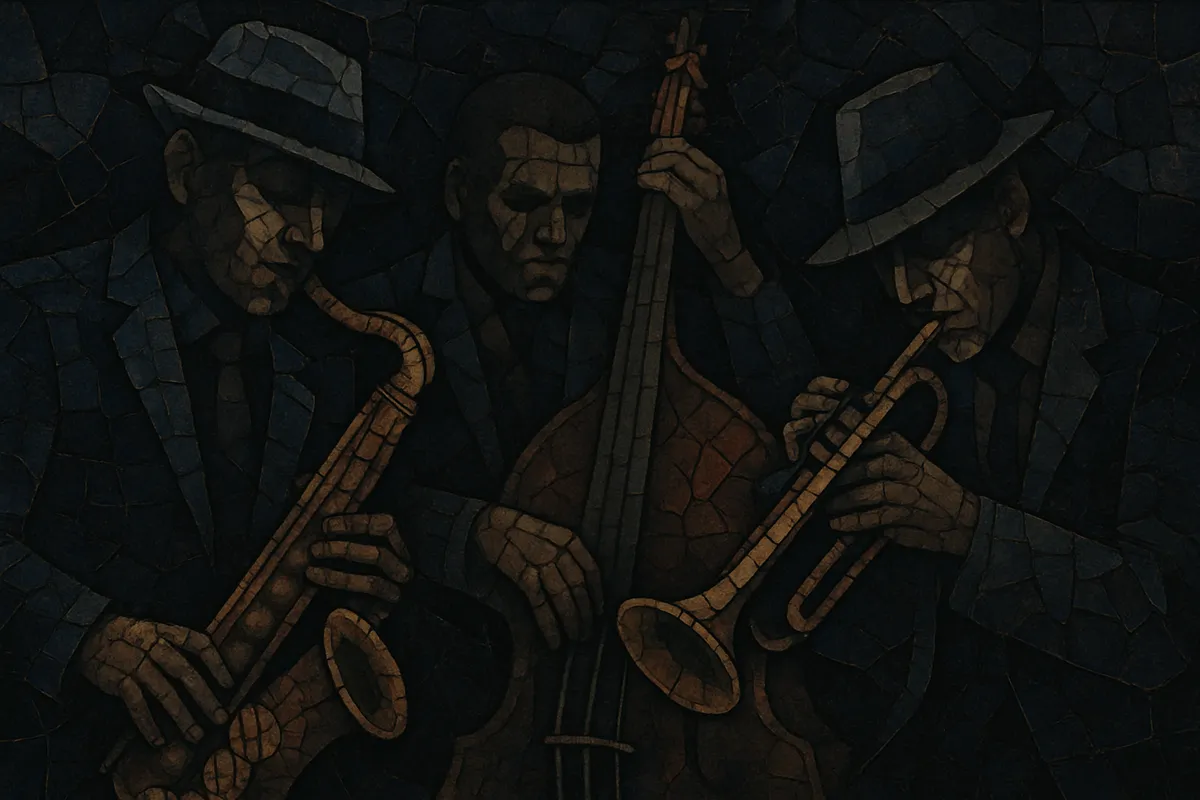
Dark jazz is a moody, slow-burning strain of jazz that blends late-night noir atmospheres with ambient, drone, and doom-influenced pacing. It favors minimal harmony, cavernous reverbs, and an emphasis on space and texture over virtuosic solos.

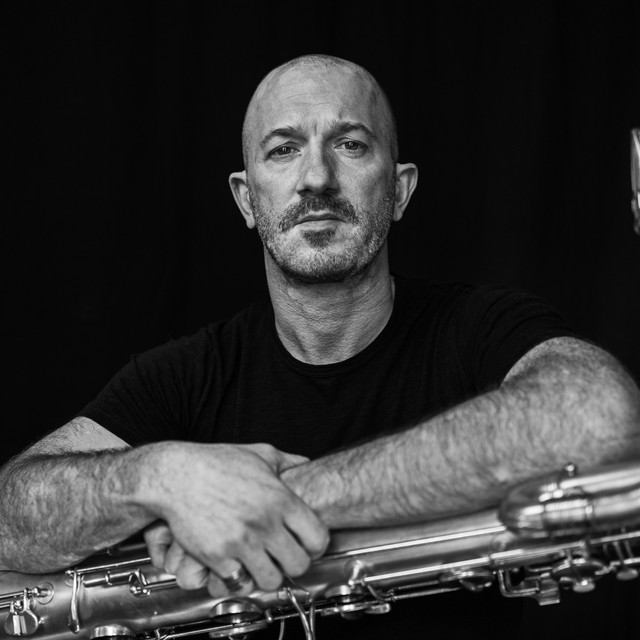
Smoky saxophones, bowed double bass, brushed drums, piano or Rhodes, vibraphone, and guitars drenched in delay are common timbral anchors. Rather than bebop’s momentum or swing’s buoyancy, dark jazz lingers on hushed dynamics and sustained tones, creating a cinematic, often melancholic aura reminiscent of urban rain, deserted streets, and after-hours solitude.


Sources: Spotify, Wikipedia, Discogs, Rate Your Music, MusicBrainz, and other online sources

History

Origins (1990s)

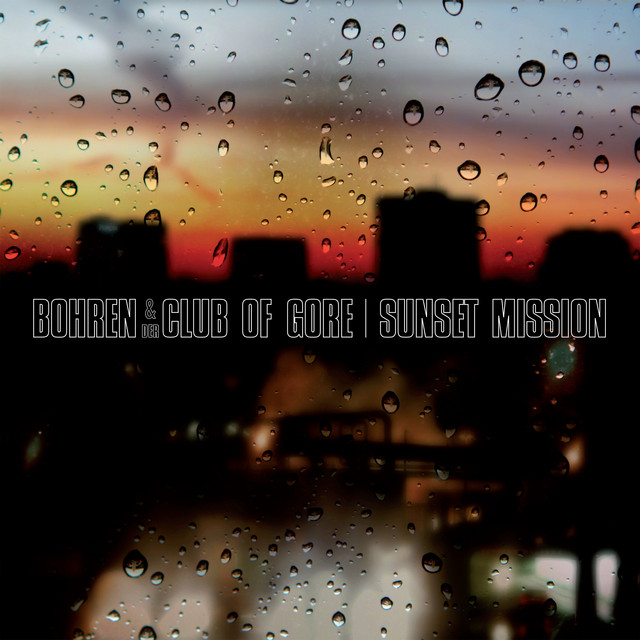
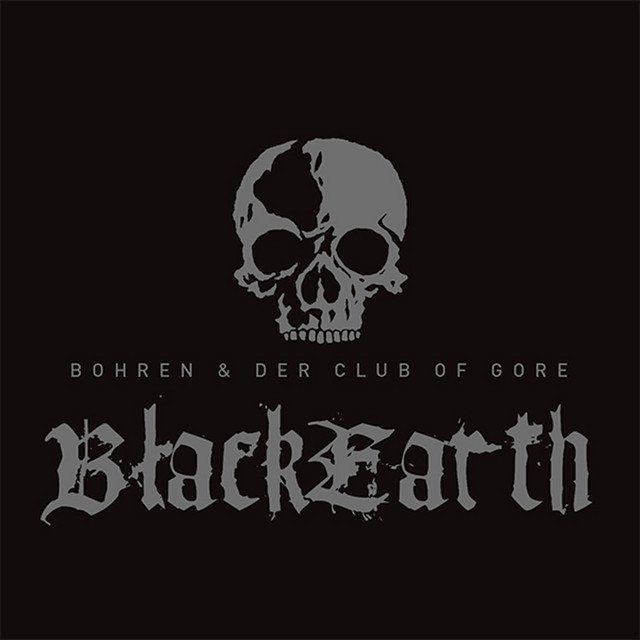
Dark jazz coalesced during the 1990s, with German group Bohren & der Club of Gore pioneering a uniquely hushed, nocturnal sound that drew on jazz harmony while adopting the glacial tempos and weight of doom metal and the immersive stillness of ambient and drone. Their records reframed jazz instrumentation into a shadowy, minimal, cinematic context often described as “doom jazz” or “noir jazz.”

Expansion and Codification (2000s)

In the 2000s, The Kilimanjaro Darkjazz Ensemble (Netherlands) and its improv-focused offshoot The Mount Fuji Doomjazz Corporation broadened the palette by fusing film-score sensibilities, trip hop atmosphere, electronic processing, and live improvisation. Around the same period, French outfit Dale Cooper Quartet & The Dictaphones, Finnish project Heroin And Your Veins, and several German and French ensembles refined the language—slow tempos, minor modalities, cavernous ambience, and restrained dynamics—turning dark jazz from a cult sound into a recognizable micro-genre.

2010s–Present: Cross-Pollination and Global Reach

Through the 2010s, dark jazz’s aesthetic permeated post-rock, experimental electronic music, and soundtrack composition. Artists and labels curated the sound online, helping it find a global audience for late-night listening, scoring, and sound design. While still niche, dark jazz remains influential in mood-driven media and continues to evolve through collaborations that blur boundaries between jazz, ambient, drone, and modern classical textures.

How to make a track in this genre

Core Aesthetic and Tempo
•   Aim for very slow, deliberate tempos (roughly 40–80 BPM) with lots of negative space. •   Keep dynamics restrained and let notes decay; silence is a compositional tool.
Instrumentation and Sound Design
•   Typical instruments: tenor or baritone saxophone (or bass clarinet), upright/double bass (arco and pizzicato), brushed kit drums, Rhodes/piano/organ, vibraphone, and reverb-laden electric guitar. •   Layer dark ambient pads or subtle drones beneath acoustic instruments to create depth. •   Use room mics, long reverbs, tape hiss, and gentle saturation for a cinematic, lived-in atmosphere.
Harmony, Melody, and Rhythm
•   Favor minor keys and modal writing (Dorian, Aeolian, sometimes Phrygian) with slow harmonic rhythm. •   Use extended, soft-voiced chords (min9, m7♭5, add9, quartal voicings) that move stepwise or chromatically. •   Melodies should be sparse, lyrical, and breathy—think of the saxophone or vibraphone as a narrator rather than a showpiece. •   Drums: brushed patterns, half-time feel, delicate ride or cymbal swells, and minimal fills. Consider subtle polyrhythms that never break the trance.
Arrangement and Production
•   Build long arcs: introduce and remove layers gradually over many bars. •   Employ field recordings (rain, distant traffic, room noise) at low levels to evoke place. •   Leave wide frequency pockets; let bass and low mids carry warmth while highs remain airy but never harsh.
Optional Vocals and Form
•   If vocals are used, keep them whispered, spoken-word, or chant-like, treated as texture rather than lead. •   Structures can be through-composed or A–B–A with variations; prioritize mood continuity over dramatic contrasts.

Top tracks

Locked
Share your favorite track to unlock other users’ top tracks
Influenced by
Has influenced
No genres found
Challenges
Digger Battle
Let's see who can find the best track in this genre
© 2026 Melodigging
Melodding was created as a tribute to Every Noise at Once, which inspired us to help curious minds keep digging into music's ever-evolving genres.
Buy me a coffee for Melodigging