



Genres
Artists
Albums
Make Music
Sign in
Sign in
Artists
Gregorian Chant
Artists
Gregorian Chant
Traditional
1971–2023
·
41 albums
Listen
4
/5
Genres
Deep Soundtrack
Deep soundtrack is a modern, cinematic substyle that emphasizes low, immersive textures, slow-moving harmony, and spacious ambience over bombast. It sits at the intersection of ambient music, post-classical scoring, and contemporary film/TV/game underscore, favoring drones, soft pulses, and intimate instruments (piano, strings, analog synths) treated with generous space and subtle sound design. Rather than foregrounding memorable themes or trailer-scale crescendos, deep soundtrack cultivates mood: tense, melancholic, or quietly hopeful. It is designed to sit under narrative, visuals, or concentration—music that breathes, evolves slowly, and suggests emotion without overwhelming it.
Discover
Listen
Indian Indie
Indian indie is the umbrella for independent, non-film music made in India across languages such as Hindi, English, and numerous regional tongues. It is defined more by its DIY production and artist-led release model than by a single sound. Musically, it spans indie pop and rock, folk-fusion, singer‑songwriter ballads, dream‑pop/shoegaze textures, and electronic‑leaning productions. Artists often blend Western harmony and song forms with raga‑tinged melodies, Indian rhythmic feels, and occasional use of traditional instruments like tabla, bansuri, or sitar. The scene grew rapidly with college festivals, small venues, and digital platforms (YouTube, streaming services, Bandcamp), plus boutique labels and festivals such as NH7 Weekender that created national visibility. Lyrically, it tends to be intimate and contemporary—touching on romance, urban life, identity, and nostalgia—while maintaining accessible hooks and warm, organic sonics.
Discover
Listen
Isekai
Isekai (lit. "another world") in music refers to songs and scores written for anime and games where characters are transported—often accidentally or involuntarily—into a parallel universe or fantasy world. In practice, it is a sub-current of Japanese anisong and soundtrack culture whose soundworld emphasizes the wonder, peril, and empowerment arcs typical of isekai narratives. Musically, isekai blends high-impact J‑pop/J‑rock openings (OPs) with hybrid orchestral scores: soaring string ostinati, heroic brass, choir pads, and EDM/rock rhythm sections used to frame battles, leveling-up sequences, and portal moments. Endings (EDs) often pivot to lyrical, nostalgic or bittersweet pop to reflect homesickness, found-family bonds, or the protagonist’s inner monologue.
Discover
Listen
Kurdish Remix
Kurdish remix refers to dance‑oriented reworks that fuse Kurdish folk melodies, dance rhythms (often from halay/dîlan traditions), and timbres (saz/tembûr, daf, davul, zurna) with contemporary electronic production—house, techno, trap and related club idioms. The result is a high‑energy, bass‑forward sound that keeps the cyclic, modal character of Kurdish tunes while translating them for clubs, weddings, and social media. The style grew online via SoundCloud/YouTube playlists labelled “Kurdish Trap/Remix” and later entered mainstream DSPs, where dedicated artists and DJ accounts issue steady singles and “modern covers.” Typical tracks loop folkloric vocal lines or saz riffs over 4/4 kicks or half‑time 808s, add build‑ups/drops, and keep a communal, call‑and‑response feel suited to line dances. Instruments such as the tembûr (tanbūr) and frame‑drum daf remain touchstones—even when emulated with synths—while halay’s accelerating, pulse‑driven phrasing informs the groove. The genre sits within a wider West Asian club current that includes dabke‑techno and Turkish/Arab electronic hybrids.
Discover
Listen
Mindfulness
Mindfulness music is a stream-oriented relaxation style designed to support present-moment awareness, breathwork, and stress reduction. It typically features slow-moving or beatless textures, soft acoustic or synthetic timbres (pads, drones, piano, singing bowls), wide reverbs, and gentle nature soundbeds. Harmony is consonant and sparse, with long sustains and gradual evolution rather than song-like structures. The result is a transparent, low-distraction soundfield that invites calm attention rather than narrative listening.
Discover
Listen
Ambient
Ambient is a form of electronic and electroacoustic music that prioritizes tone, atmosphere, and texture over conventional song structures and rhythmic drive. It typically features slow-moving harmonies, sustained drones, gentle timbral shifts, and extensive use of space and silence. Rather than drawing attention to itself through hooks or beats, ambient is designed to be as ignorable as it is interesting, rewarding both background listening and focused immersion. Artists often employ synthesizers, samplers, tape loops, field recordings, and subtle acoustic instruments, with reverb and delay creating a sense of place. Substyles range from luminous, consonant soundscapes to darker, more dissonant atmospheres.
Discover
Listen
Jiangnan Sizhu
Jiangnan sizhu (literally “silk-and-bamboo” from the Jiangnan region of China) is a refined chamber tradition centered on string (silk) and flute (bamboo) instruments. Typical ensembles feature dizi (transverse bamboo flute), erhu and other huqin fiddles, pipa (pear-shaped lute), sanxian (three-string lute), yangqin (hammered dulcimer), and sometimes sheng (mouth organ). The music is heterophonic: all players render the same qupai (fixed tune) simultaneously while decorating it with individualized ornaments, resulting in a shimmering, interwoven texture. Performances often unfold in an arch of tempo—from slow, spacious introductions to fluid moderate sections and lively climaxes—suited to intimate venues like teahouses and guild halls. The melodic language is largely pentatonic within traditional Chinese modal systems and cyclical rhythms.
Discover
Listen
Sizhu Music
Sizhu (literally “silk and bamboo”) is a refined Chinese chamber tradition for string (silk) and wind (bamboo) instruments. It is typically performed in intimate settings such as teahouses and music clubs, featuring small ensembles that share a single core melody while each player ornaments it in their own way (heterophony). The repertoire is organized around cyclical, beat-patterned frameworks (ban) and named melodic models (qupai), and favors pentatonic modes with elegant, flowing ornamentation. Regional streams exist (most famously Jiangnan sizhu around Shanghai and Suzhou, and related southern styles), but all emphasize light timbre, supple rhythm, and social music-making.
Discover
Listen
Beijing Opera
Beijing opera (Jingju) is China’s most prominent xiqu (traditional Chinese opera) form, fusing sung arias, stylized speech, dance, mime, martial arts, and acrobatics into a highly codified theatrical language. It features four main role types—sheng (male roles), dan (female roles), jing (painted-face roles), and chou (clown)—each with distinct vocal delivery, movement vocabulary, and costume/makeup conventions. Musically, it is built on the shengqiang system, dominated by the xipi and erhuang melodic types, and the banqiang (aria) rhythm-frameworks such as yuanban, manban, and kuaiban. The ensemble is led by the jinghu (a high-pitched two-string fiddle) with yueqin, sanxian, and occasional suona, supported by a vibrant percussion battery centered on the bangu with gongs and cymbals. Stories often draw from classical literature, history, and legend, presented through symbolic staging, minimal sets, and richly coded gesture, costuming, and coloration.
Discover
Listen
Baul Gaan
Baul gaan is the song tradition of the Baul mystic minstrels of Bengal, now spanning Bangladesh and the Indian state of West Bengal. It is a syncretic devotional-folk practice that blends Sufi and Vaishnava Bhakti ideas with a humanist, anti-ritual stance. Performed by itinerant singers, Baul songs typically feature a lean, earthy instrumentation: the ektara (one‑string drone lute), dotara (plucked lute), khamak/khomok (tension drum), small frame drums like duggi, and hand cymbals such as kartal/manjira, with occasional khol/dhol. Melodies are raga-tinged but folk-rooted, often set to lilting cycles like kaharwa or dadra. Lyrically, Baul gaan is philosophical and intimate. It explores deho-tattva (the body as the site of the divine), the quest for the ‘Moner Manush’ (the person of the heart), social equality, and ecstatic love, using everyday metaphors drawn from rural life. The delivery is direct, participatory, and trance-inclined, inviting chorus responses and communal singing.
Discover
Listen
Khyal
Khyal (often spelled khayal) is the principal improvisatory vocal genre of North Indian (Hindustani) classical music. The word means “imagination,” and the style celebrates inventive melodic expansion within the strict grammar of raga and tala. A typical performance centers on two compositions (bandish): a slow, expansive vilambit or bada khyal followed by a fast drut or chhota khyal. Singers develop the raga through alap-like vistaar (melodic elaboration), bol-alap and bol-bant (text-based improvisation), sargam passages (solfège), and taans (fast, cascading runs) that culminate on the sam (downbeat). Khyal emphasizes microtonal nuance and vocal ornamentation—meend (glides), andolan (slow oscillations), gamak (heavy shakes), and intricate layakari (rhythmic play). It is accompanied by a tanpura drone, tabla in a chosen tala (often teentaal, ektal, or jhoomra), and a melodic support instrument such as sarangi or harmonium. Over the last two centuries, distinct gharanas (schools) have shaped its aesthetics, including Gwalior, Agra, Kirana, Jaipur-Atrauli, Patiala, Mewati, and Rampur-Sahaswan.
Discover
Listen
Norwegian Folk Music
Norwegian folk music is a regional tradition centered on the Hardanger fiddle (Hardingfele), kveding (traditional solo song), and a family of couple- and solo-dances such as springar, gangar, halling, and pols. It uses modal melodies (often Dorian and Mixolydian), drones, and distinctive asymmetric triple meters in which the three beats are of unequal length. Characteristic instruments include the Hardanger fiddle with sympathetic strings and scordatura tunings, standard fiddle, langeleik (zither), seljefløyte (willow flute), wooden lur, bukkehorn (goat horn), munnharpe (jaw harp), and later accordion. Vocal genres range from short, epigrammatic stev to medieval ballads and free, ornamented kveding styles. Ornamentation, double-stops, drones, and dance-driven bowing patterns are core to the sound. The repertoire is organized into slåtter (tunes) linked to particular dances and regions, carrying strong local identities (bygdedans). While deeply rooted in rural tradition, it has continually evolved through collectors, revivals, and collaborations with jazz, classical, and contemporary folk scenes.
Discover
Listen
Baroque
Baroque is a period and style of Western art music spanning roughly 1600–1750. It is characterized by the birth of functional tonality, the widespread use of basso continuo (figured bass), and a love of contrast—between soloist and ensemble, loud and soft, and different timbres. Hallmark genres and forms of the era include opera, cantata, oratorio, concerto (especially the concerto grosso), dance suite, sonata, and fugue. Textures range from expressive monody to intricate counterpoint, and melodies are richly ornamented with trills, mordents, and appoggiaturas. Baroque music flourished in churches, courts, and theaters across Europe, with regional styles (Italian, French, German, English) shaping distinctive approaches to rhythm, dance, harmony, and ornamentation.
Discover
Listen
Spanish Classical Music
Spanish classical music refers to the art-music tradition created by composers active in Spain from the Renaissance to the present, encompassing sacred polyphony, court and theatrical genres, instrumental idioms for guitar and keyboard, and nationalist currents that elevate regional dance and song types. It is characterized by the coexistence of European common-practice techniques with distinctively Iberian colors: modal inflections (especially the Phrygian flavor), the Andalusian cadence, dance-derived rhythms (fandango, seguidilla, jota, bolero), and an idiomatic centrality of the guitar alongside choirs, keyboard, chamber, and orchestral forces. Across centuries, Spanish composers have contributed both to pan-European classical forms (mass, motet, sonata, concerto, symphony, opera) and to uniquely Spanish hybrids (zarzuela, tonadilla), while absorbing deep historical layers that include medieval chant, Renaissance polyphony, and interactions with Sephardic, Moorish/Andalusian, and folk–flamenco traditions.
Discover
Listen
Balinese Gamelan
Balinese gamelan is the vibrant, bronze-percussion ensemble tradition of Bali, Indonesia, known for brilliant timbres, explosive dynamics, and agile interlocking rhythms. It is performed by community-based ensembles (sekaa), often to accompany temple rituals, dance-drama, and shadow puppetry, but it also thrives as a concert art. Its sound-world centers on metallophones (gangsa), kettle-gongs (reyong/trompong), large hanging gongs (gong ageng, kempur), hand drums (kendang), and cymbals (ceng-ceng), with bamboo flutes (suling) and occasional fiddle (rebab). Paired tuning (ombak) creates a deliberate “shimmer” through slightly detuned instrument pairs, while interlocking parts (kotekan) generate dazzling, motoric textures. Modal practice draws on five- and seven-tone collections with named modes (e.g., selisir, tembung), articulated through cyclical gong structures (gongan).
Discover
Listen
Ars Subtilior
Ars subtilior is a late–14th‑century style of Franco‑Flemish and southern French/Iberian court music noted for its extreme rhythmic, notational, and contrapuntal sophistication. It refines the innovations of the Ars nova into music of dazzling subtlety: complex syncopations, multiple simultaneous meters, proportion signs, coloration (red/black notation) that alters rhythmic values, and isorhythmic devices. Composers often wrote in the French formes fixes (ballade, rondeau, virelai) and in elaborate motets, sometimes presenting pieces in fanciful shapes (hearts, circles) to mirror their poetic conceits. The sound world is courtly and intricate: interlocking lines in three or four parts, refined dissonance control, and virtuosic rhythms that challenge performers while serving refined, often allegorical texts.
Discover
Listen
Christmas Music
Christmas music is a body of sacred and secular repertoire associated with the celebration of Christmas and the winter season. It spans medieval carols, liturgical hymns, and oratorios through to 20th‑century Tin Pan Alley standards, crooner ballads, jazz‑swing arrangements, pop hits, gospel renditions, and contemporary acoustic or R&B interpretations. Stylistically it is diverse but often shares warm, nostalgic melodies, memorable choruses, and lyrics that reference the Nativity story, peace and goodwill, family gatherings, winter imagery, and figures like Santa Claus. Sleigh bells, choirs, strings, brass, and glockenspiel/celesta are common coloristic touches, while harmony ranges from simple I–IV–V progressions to richer jazz voicings. Its seasonal recurrence has made it a cultural tradition that reappears annually across radio, streaming, film, advertising, and public spaces.
Discover
Listen
Ars Antiqua
Ars antiqua is a medieval European musical style that flourished roughly from the late 12th century to the early 14th century, with its center of gravity in Paris and the Notre Dame Cathedral school. It is defined by the consolidation of measured rhythm through the six rhythmic modes, the cultivation of polyphony in organum and discant styles, and the emergence of the early motet and conductus. Composers favored two to four vocal parts, with a chant-derived tenor forming the foundation and upper voices providing melismatic and texted counterpoint. Harmony emphasized perfect consonances (unisons, fourths, fifths, and octaves), with cadences carefully prepared. Ars antiqua laid crucial groundwork for European notation (including Franconian mensural concepts), enabling more precise rhythmic coordination and setting the stage for the innovations of the later Ars nova.
Discover
Listen
Classical
Classical music is the notated art-music tradition of Europe and its global descendants, characterized by durable forms, carefully codified harmony and counterpoint, and a literate score-based practice. The term “classical” can refer broadly to the entire Western art-music lineage from the Medieval era to today, not just the Classical period (c. 1750s–1820s). It privileges long-form structures (such as symphonies, sonatas, concertos, masses, and operas), functional or modal harmony, thematic development, and timbral nuance across ensembles ranging from solo instruments to full orchestras and choirs. Across centuries, the style evolved from chant and modal polyphony to tonal harmony, and later to post-tonal idioms, while maintaining a shared emphasis on written notation, performance practice, and craft.
Discover
Listen
Medieval Lyric Poetry
Medieval lyric poetry refers to the monophonic, poet-composer song traditions that flourished in medieval Europe, especially from the 12th to the 14th centuries. It centers on refined, metrically crafted texts set to memorable modal melodies and performed by court poets, minstrels, or itinerant singer-poets. The genre is best known through the Occitan troubadours and northern French trouvères, but related traditions also thrived among the German Minnesänger and the Galician‑Portuguese cantigueiros. Typical themes include courtly love (fin'amor), longing and absence, moral or political commentary (sirventes), crusade songs, and nature imagery, articulated through strict stanzaic forms, elaborate rhyme schemes, and refrains. Performance was usually solo voice accompanied by medieval instruments (vielle, harp, lute, psaltery, flutes), with a predominantly syllabic text setting, modal pitch organization (e.g., Dorian, Mixolydian), and strophic repetition that highlighted poetic craft.
Discover
Listen
Gregorian Chant
Gregorian chant is the central Western tradition of plainchant: a monophonic, unaccompanied sacred song in Latin (and occasionally Greek) used in the Roman Catholic liturgy. It employs free rhythm guided by the prosody of the text rather than by strict meter, and is sung in unison by clerics or scholas. Its melodies are organized by the system of eight church modes, with characteristic finalis (final), tenor/reciting tones, and melodic formulas. Repertoires include the Proper and Ordinary of the Mass (e.g., Introit, Gradual, Alleluia, Offertory, Communion, Kyrie, Gloria, Credo, Sanctus, Agnus Dei) and the Divine Office (e.g., Antiphons, Responsories, Hymns, Psalms). Although legend credits Pope Gregory I, modern scholarship sees Gregorian chant as a Carolingian synthesis of Old Roman and Gallican chants, standardized across Frankish realms and later the broader Latin West.
Discover
Listen
Medieval Classical Music
Medieval classical music refers to the body of sacred and secular art music created in Europe from roughly the 5th to the late 15th centuries. It encompasses the Christian chant traditions of the early Middle Ages, the emergence of notated polyphony in the High Middle Ages, and the rhythmically and formally sophisticated Ars Nova of the 14th century. At its core are modal melodies (church modes), primarily vocal textures, and a gradual evolution from monophony (single melodic line) to increasingly complex polyphony. Notation develops from adiastematic neumes to staff-based pitch notation and, later, mensural systems that codify rhythm. Characteristic sonorities emphasize perfect consonances (octaves, fifths, and fourths), with triadic harmony only beginning to coalesce near the end of the period. Though rooted in the liturgy (Mass, Office, and Latin song), the era also nurtured rich vernacular traditions—troubadours, trouvères, Minnesänger—and instrumental practices on harp, vielle, recorder, lute, and organ. The period laid the foundational techniques, theories, and repertories that define the entire subsequent Western classical tradition.
Discover
Listen
Ambrosian Chant
Ambrosian chant is the liturgical plainchant of the Ambrosian Rite, practiced primarily in and around Milan, Italy. It is one of the few non-Gregorian Latin chant traditions to survive in continuous use, and is closely associated with the legacy of St. Ambrose (4th century). Like other plainchant, it is monophonic, unaccompanied, and sung in Latin, but it has its own melodic idioms, modal organization, and liturgical genres distinct from the Roman (Gregorian) tradition. Its rhythms are free and speech-like, designed to carry sacred texts clearly and reverently rather than follow metrical patterns. Ambrosian hymnody, often in iambic dimeter, is a hallmark, reflecting the formative influence of early Milanese practice and Eastern antiphonal singing.
Discover
Listen
Byzantine Chant
Byzantine chant is the monophonic, a cappella liturgical music of the Eastern Roman (Byzantine) Church, sung primarily in Greek and organized around the octoechos (eight-mode) system. Its melodies are modal rather than harmonic, unfolding in one line supported in later practice by a sustained drone (ison). The repertory sets biblical psalms and hymnic poetry (e.g., troparia, kontakia, stichera, and canons) to melodies that follow textual accent and rhetorical pacing rather than strict meter. Notation employs neumes that encode melodic direction and ornate formulae, preserving a highly codified oral tradition. The sound is characterized by free rhythm, microtonal inflections in certain modes, and an austere, prayerful timbre designed for resonant ecclesiastical spaces. Byzantine chant remains central to the worship of the Eastern Orthodox Church and has shaped a wide family of chant traditions across the Mediterranean and Slavic worlds.
Discover
Listen
Show all 24 genres
Albums
2023
1
/5
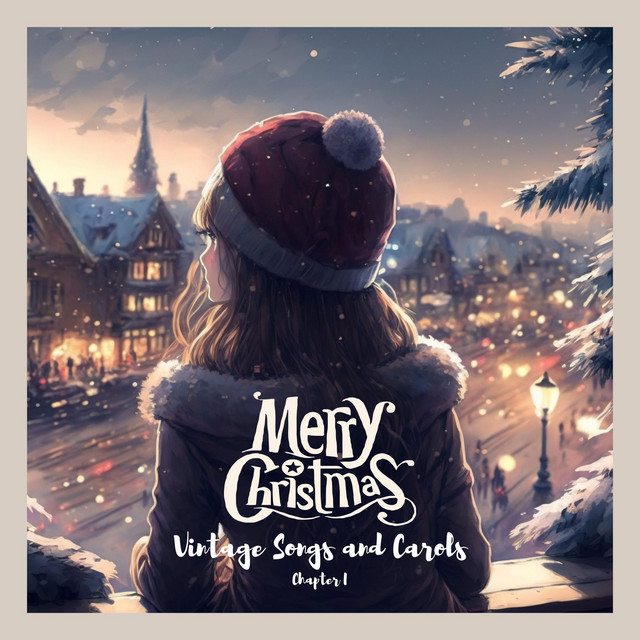
Merry Christmas (Vintage Songs and Carols, chapter I)
Traditional
Puirt À Beul
2020
1
/5
Ambrosian Chant: O sacrum convivium
[anonymous] / Capella Musica Seoul 카펠라 무지카 서울 / Kang Min Lee 이강민
Ambrosian Chant
2018
1
/5
박녹주제 흥보가 (Heungbo-ga)
Kim Jung Min 김정민
Pansori
Korean Folk Music
2011
2
/5
La sublime porte: Voix d'Istanbul (1430-1750)
Hespèrion XXI / Jordi Savall / Gürsoy Dinçer / Montserrat Figueras / Lior Elmal…
Turkish Classical
2010
1
/5
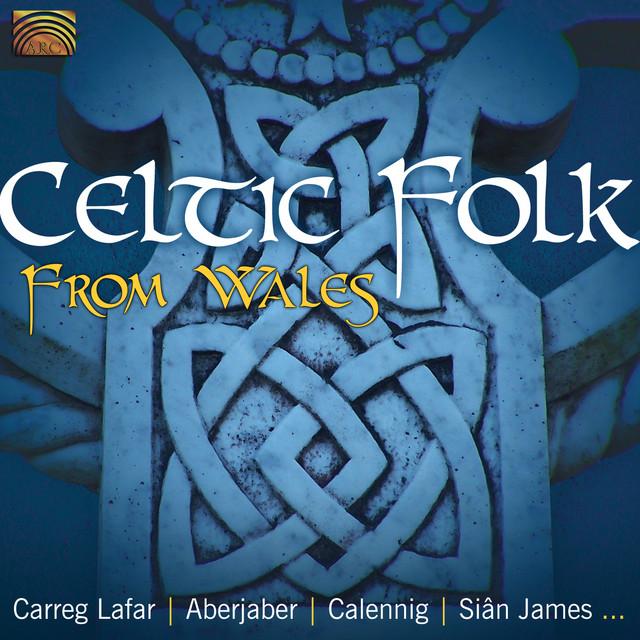
Celtic Folk from Wales
Plethyn
Cymraeg
Welsh Folk
2010
1
/5
Music of the Tswana People
Serankure Music Arts / Lotlamoreng Lowe Cultural Group
Sotho-Tswana Folk Music
2010
1
/5
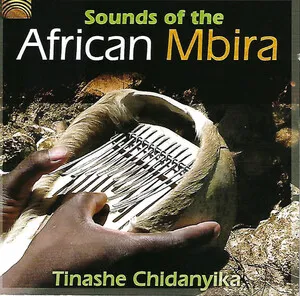
Sounds of the African Mbira
Tinashe Chidanyika
Shona Mbira Music
2010
2
/5
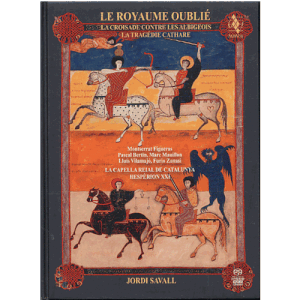
Le royaume oublié : la croisade contre les Albigeois - la tragédie cathare
Beatritz de Diá
Medieval Lyric Poetry
Medieval Classical Music
Classical
2009
1
/5
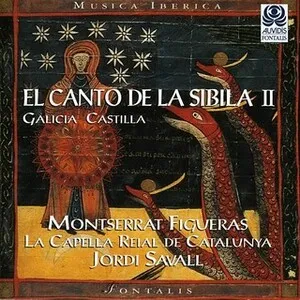
El canto de la Sibila II: Galicia / Castilla
Alfonso X "El Sabio"
Medieval Lyric Poetry
Spanish Classical Music
2008
1
/5
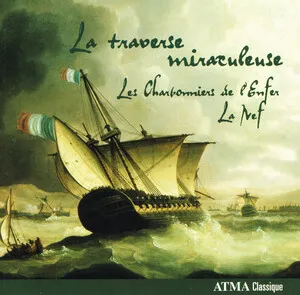
La traverse miraculeuse
Les Charbonniers de l'enfer / La Nef
French-Canadian Folk Music
2007
1
/5
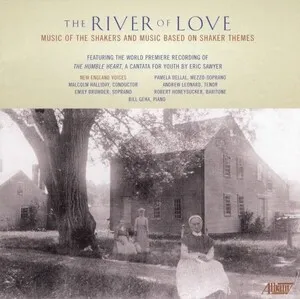
River of Love
New England Voices
Shaker Music
2007
2
/5
Folk Songs
Trio Mediaeval
Norwegian Folk Music
2007
1
/5
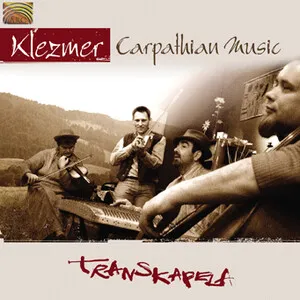
Klezmer Carpathian Music
Transkapela
Muzică Lăutărească
2005
1
/5
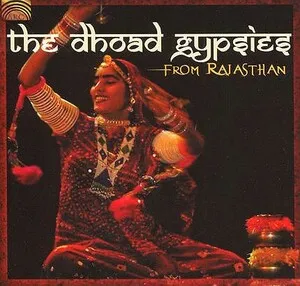
Dhoad Gypsies From Rajasthan
Dhoad Gypsies of Rajasthan
Rajasthani Folk Music
2004
2
/5
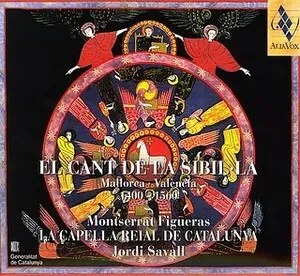
El cant de la Sibil·la: Mallorca/València 1400–1560
[anonymous]
Gregorian Chant
Spanish Classical Music
Plainchant
2003
1
/5
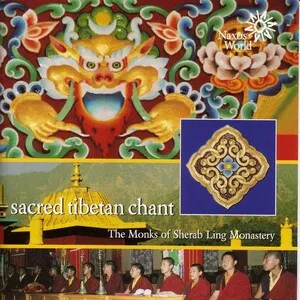
Sacred Tibetan Chant
The Monks of Sherab Ling Monastery
Tibetan Buddhist Chant
Buddhist Music
Mantra
2003
1
/5
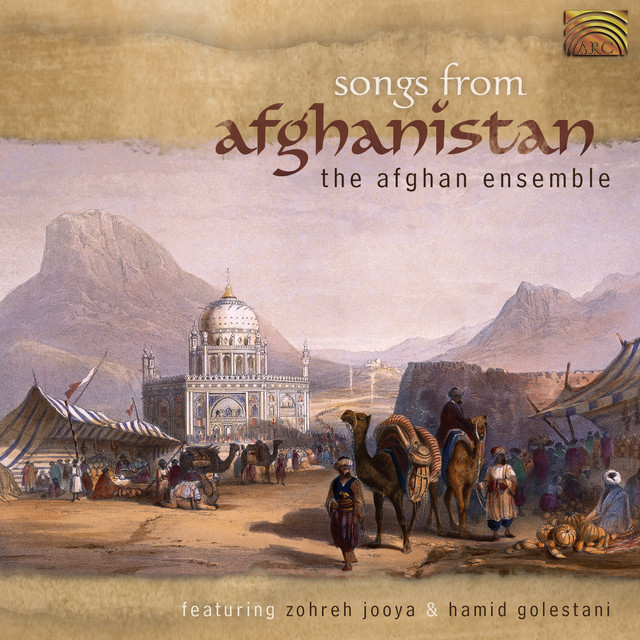
Songs from Afghanistan
The Afghan Ensemble
Central Asian Folk
Ghazal
Pashto Folk Music
2003
2
/5
Villancicos y danzas criollas de la Iberia antigua al Nuevo Mundo (1550-1750)
Juan Arañés
Villancico
Latin American Classical Music
Spanish Classical Music
2002
1
/5
Timbila
Eduardo Durão Timbila Ensemble
Timbila
2002
1
/5
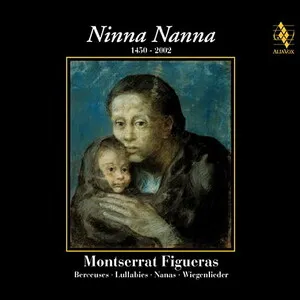
Ninna nanna
[anonymous] / Montserrat Figueras
Lullaby
2001
1
/5
Roots of the Balkan
Ensemble Renaissance Aнсамбл Рeнeсaнс
Serbian Folk Music
Classical
2001
1
/5
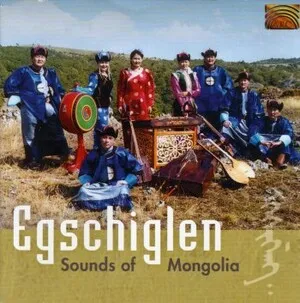
Sounds of Mongolia
Egschiglen
Mongolian Throat Singing
Mongolian Music
2001
1
/5
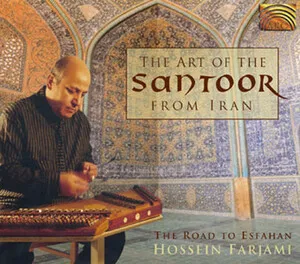
The Art of the Santoor from Iran - the Road to Esfahan
Hossein Farjami
Persian Folk Music
Persian Classical
2000
1
/5
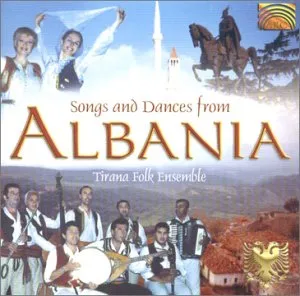
Songs and Dances From Albania
Tirana Folk Ensemble
Albanian Folk Music
2000
1
/5
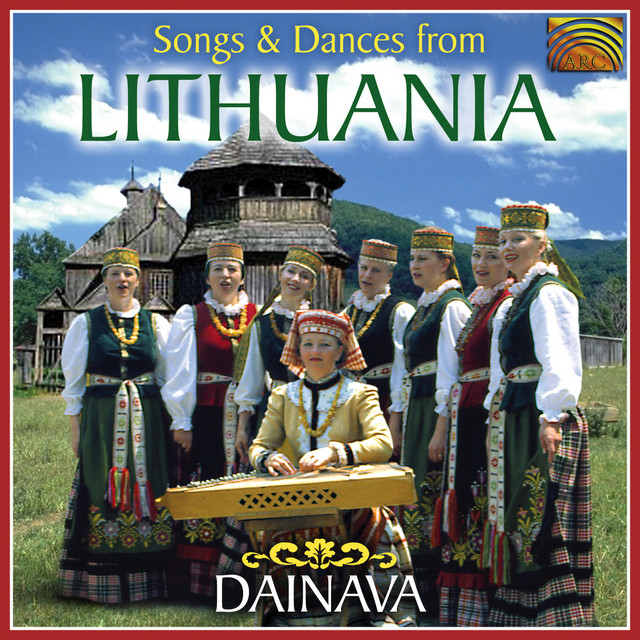
Dainava: Songs and Dances From Lithuania
Traditional, Dainava
Sutartinės
Lithuanian Folk Music
1999
2
/5
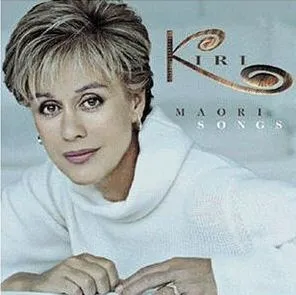
Maori Songs
Kiri
Māori Music
1999
1
/5
Liturgies coptes (Coptic Liturgies)
David Ensemble
Coptic Music
1999
1
/5
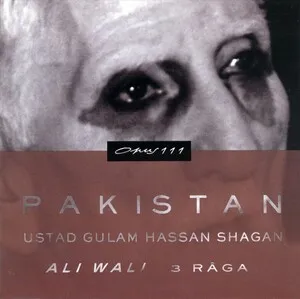
Ali Wali: 3 Rāga
Ustad Gulam Hassan Shagan
Khyal
1999
2
/5
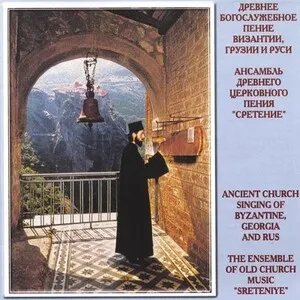
Ancient Church Singing of Byzantine, Georgia and Rus Древнее богослужебное пение Византии, Грузии и Руси
Ensemble Sreteniye Ансамбль «Сретение»
Byzantine Chant
Byzantine Music
Znamenny Chant
1998
1
/5
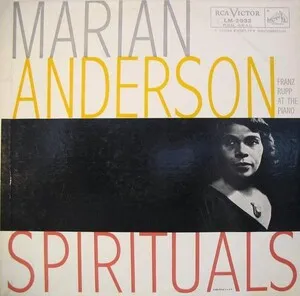
Spirituals
Marian Anderson
Spirituals
1998
2
/5
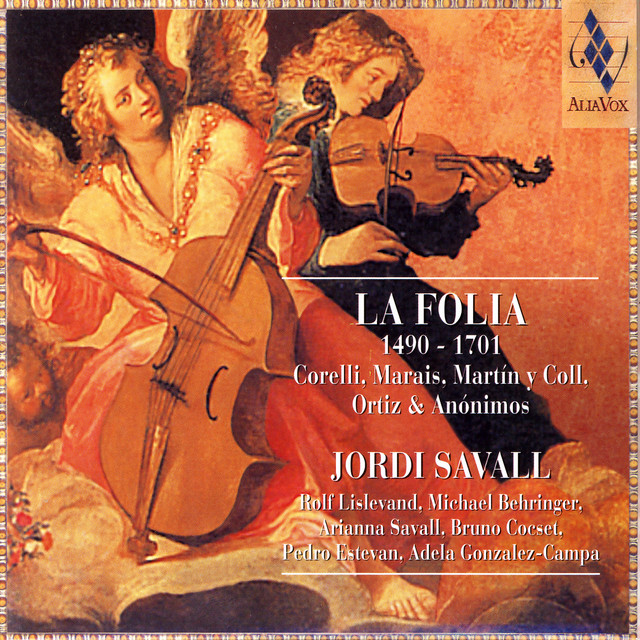
La folia 1490-1701
[anonymous]
Spanish Classical Music
Renaissance
Iberian Music
1998
1
/5
The Music of Islām: Volume Two - Music of the South Sinai Bedouins
Selim Seliman Ensemble
Bedouin Music
1998
1
/5
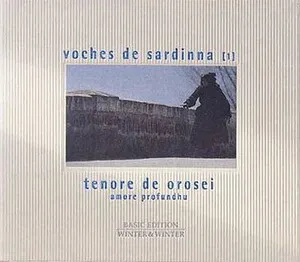
Voches de Sardinna (1): Amore profundhu
Tenore de Orosei
Cantu A Tenore
Sardinian Folk Music
1994
1
/5
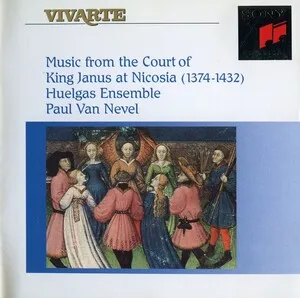
Music From the Court of King Janus at Nicosia (1374-1432)
[anonymous] / Huelgas Ensemble / Paul Van Nevel
Ars Subtilior
1993
1
/5
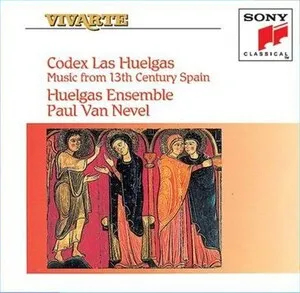
Codex Las Huelgas: Music From 13th Century Spain
[anonymous] / Huelgas Ensemble / Paul Van Nevel
Ars Antiqua
1993
1
/5
江南丝竹八大曲 (二) (The Eight Grand Jiangnan Chinese Classics • Vol. 2)
Shanghai Conservatory Jiangnan Chinese Classical Ensemble 上海音乐学院江南丝竹小组
Jiangnan Sizhu
Sizhu Music
1993
1
/5
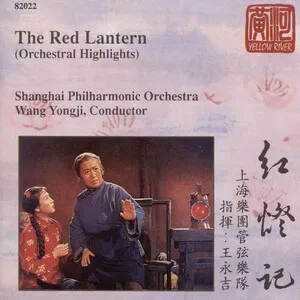
The Red Lantern (Orchestral Highlights)
Shanghai Philharmonic Orchestra 上海爱乐乐团 / Wang Yong-ji 王永吉
Beijing Opera
Chinese Opera
1992
1
/5
江南丝竹八大曲 (一) (The Eight Grand Jiangnan Chinese Classics • Vol. 1)
Shanghai Conservatory Jiangnan Chinese Classical Ensemble 上海音乐学院江南丝竹小组
Jiangnan Sizhu
Sizhu Music
Chinese Classical
1989
1
/5
Rosensfole
Agnes Buen Garnås & Jan Garbarek
Norwegian Folk Music
Nordic Folk Music
Medieval Classical Music
1972
1
/5
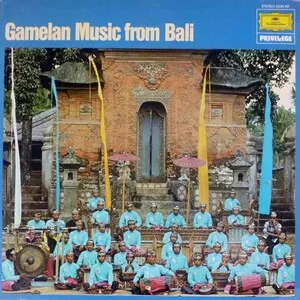
Gamelan Music From Bali
Gong Kebyar of Sebatu
Balinese Gamelan
Balinese Music
Gamelan
1971
1
/5
Baul Songs from Bengal
Prahlad Brahmachari
Baul Gaan
Bengali Folk Music
Similar artists
3
/5
Anonymous
Ars Antiqua
Gregorian Chant
Medieval
3
/5
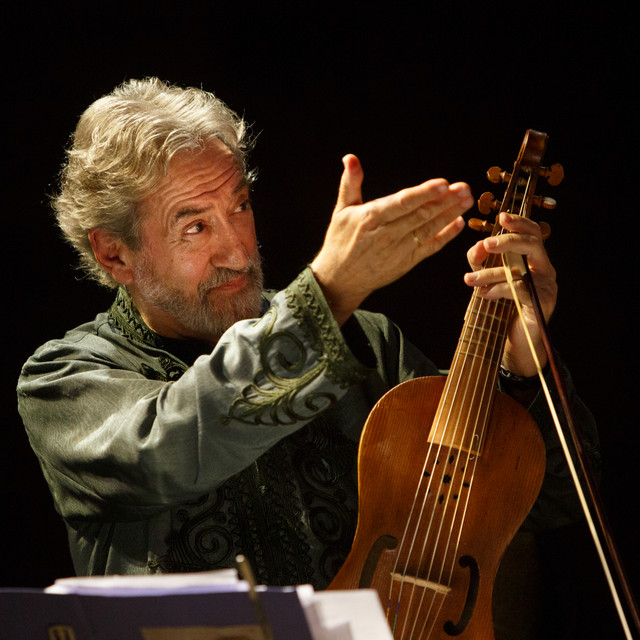
Jordi Savall
Renaissance
Baroque
Classical
3
/5
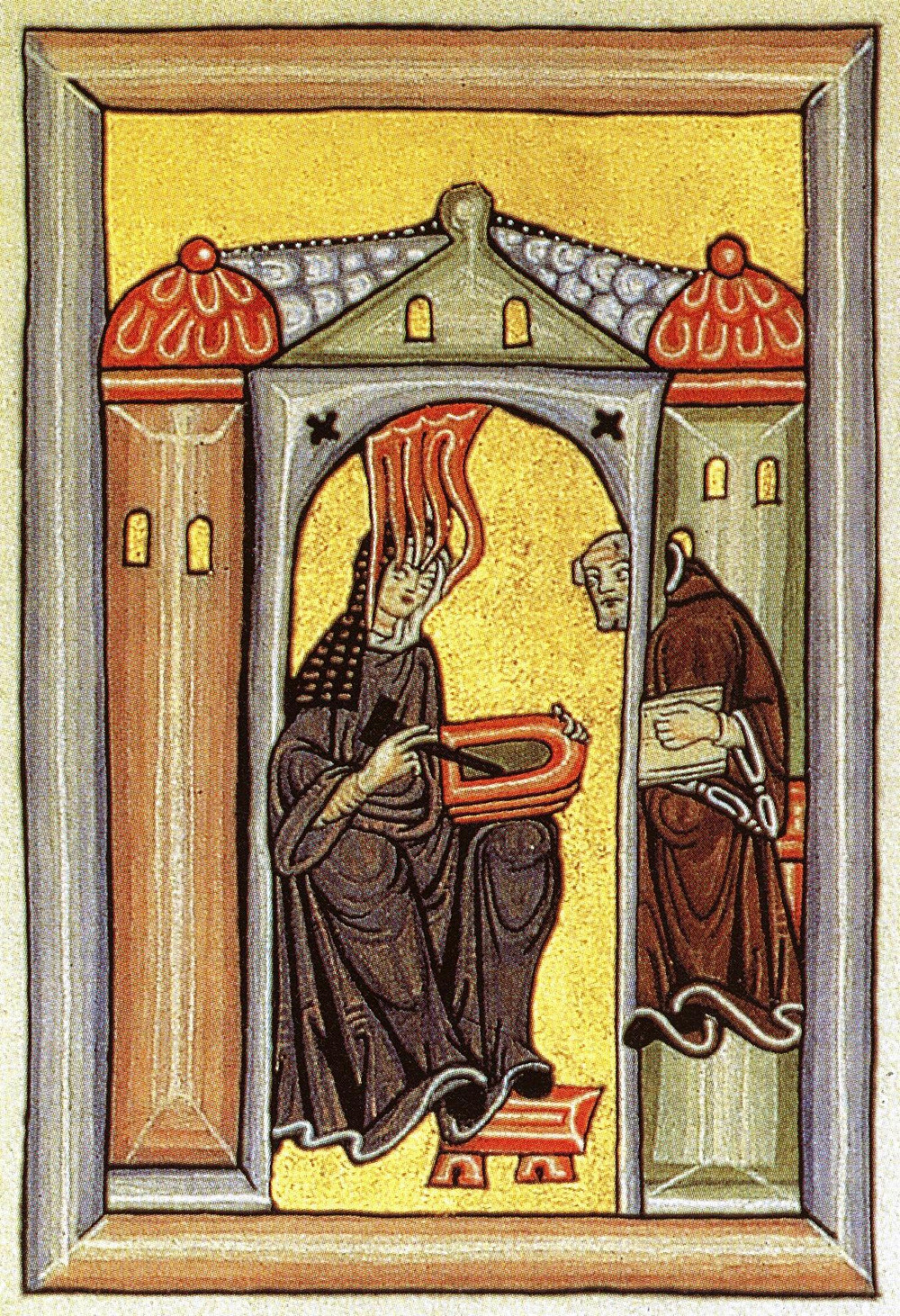
Hildegard von Bingen
Gregorian Chant
Plainchant
Classical
3
/5
Oxford Camerata
Gregorian Chant
Medieval
Classical
3
/5
Jeremy Summerly
Gregorian Chant
Medieval
Classical
2
/5
Sequentia
Gregorian Chant
Plainchant
Medieval
2
/5
The Hilliard Ensemble
Madrigal
Gregorian Chant
Medieval Classical Music
2
/5
Guillaume de Machaut
Ars Nova
Classical
Medieval
3
/5
Marcel Pérès
Gregorian Chant
Plainchant
Ars Antiqua
2
/5
Ensemble Organum
Gregorian Chant
Plainchant
Ars Antiqua
Download our mobile app
Get the Melodigging app and start digging for new genres on the go
Download on the App Store
Get it on Google Play
© 2026 Melodigging
Give feedback
Legal
Melodding was created as a tribute to
Every Noise at Once
, which inspired us to help curious minds keep digging into music's ever-evolving genres.