Your digging level
Description
Central Asian folk is a broad family of traditional musics from the steppes and oases of modern Uzbekistan, Kazakhstan, Kyrgyzstan, Tajikistan, Turkmenistan, and the Uyghur region. It blends nomadic bardic traditions with urban courtly repertoires that developed along Silk Road trade routes.
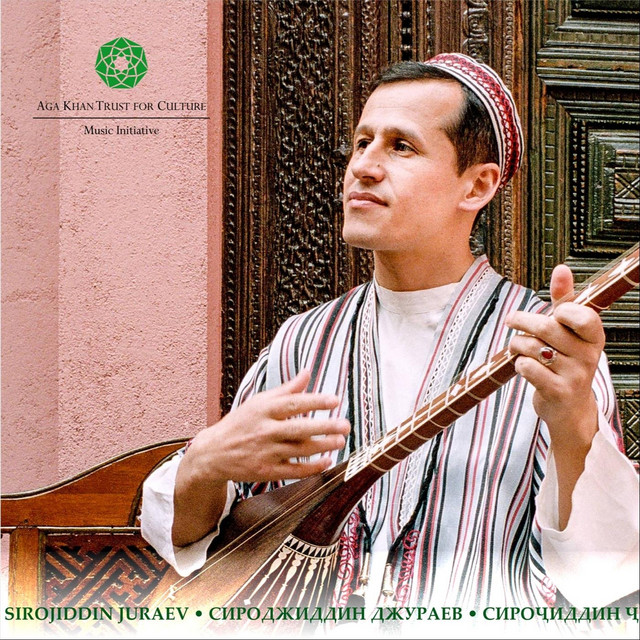
Characteristic timbres come from long‑necked lutes (dutar, tanbur, dombra), bowed spike fiddles (ghijak/kamancha), jaw harps (temir komuz), frame drums (doira/dap) and end‑blown flutes (surnai/nay). Melodies are highly ornamented and often modal (maqam/muqam), while steppe styles favor pentatonic and heptatonic pitch collections and drone‑based textures. Rhythms can be fluid and rubato in epic recitation, or dance‑like with asymmetric meters (5/8, 7/8, 10/8) in festive music.
Forms range from extended suites (Shashmaqam, Muqam) to instrumental tone‑poems (Kazakh kui), devotional songs (zikr‑related repertoires), and vast oral epics like the Kyrgyz Manas. Performance practice emphasizes heterophony, call‑and‑response, melisma, and storytelling.
History
Central Asian folk crystallized between the medieval and early modern periods as Turkic nomadic bard traditions met Persianate urban musical cultures. Along the Silk Road, artisans and musicians exchanged instruments, modes, and poetic forms, shaping court repertoires in cities like Bukhara and Samarkand and sustaining epic storytelling among steppe herders.
From the 16th–18th centuries, urban centers codified large modal cycles: Shashmaqam in Bukhara and Samarkand (Uzbek/Tajik) and Muqam among Uyghurs. These suites integrated poetry, instrumental prelude, vocal pieces, and dance rhythms within maqam frameworks, preserving a refined art within the broader folk sphere.
In the steppe, bardic singer‑poets (aqyn/ashiq/bakhshi) maintained oral epics (e.g., Manas) and developed instrumental genres like Kazakh kui for dombra and Kyrgyz komuz solo pieces. These works conveyed history, moral lessons, and landscape imagery through distinctive tunings, drones, and pentatonic contours.
Under Russian imperial and Soviet influence, ensembles were standardized, instruments were adapted for stage projection, and folk repertoires were arranged for state ensembles. While this institutionalization preserved materials, it also shaped aesthetics (fixed intonation, choral textures) and repertoire choices.
Since the 1990s, master performers and cultural institutions have led revivals of local lineages, tunings, and oral pedagogy. International collaborations and recordings introduced Central Asian folk to world‑music audiences, while younger artists blend traditional forms with contemporary genres, sustaining continuity and innovation.