Your digging level
Description
Kazakh traditional is the indigenous, largely oral, musical heritage of the Kazakh people of the Eurasian steppe. It centers on solo instrumental pieces called kui (küy) and richly ornamented songs that carry epic, historical, and pastoral narratives.
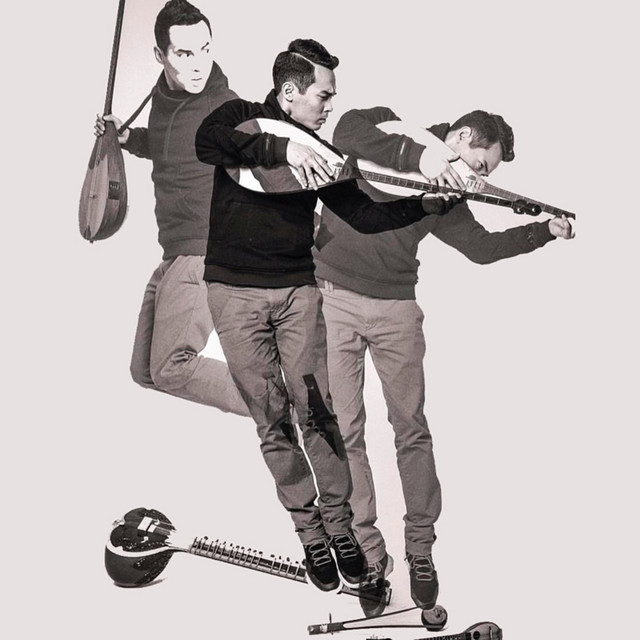
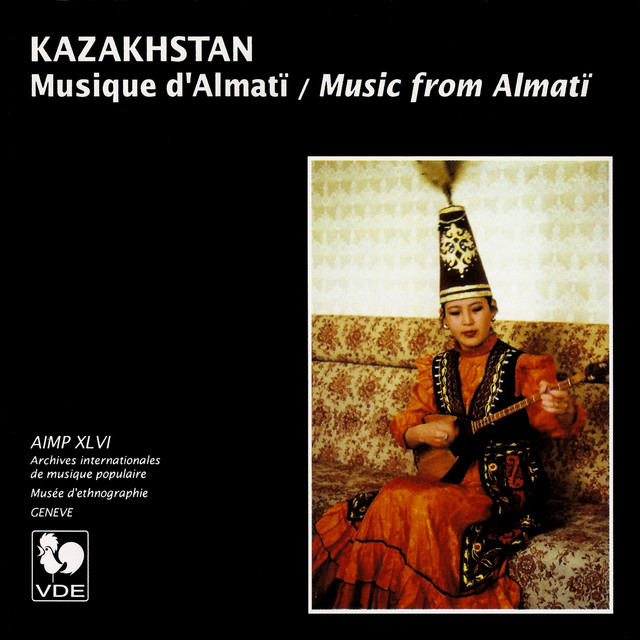
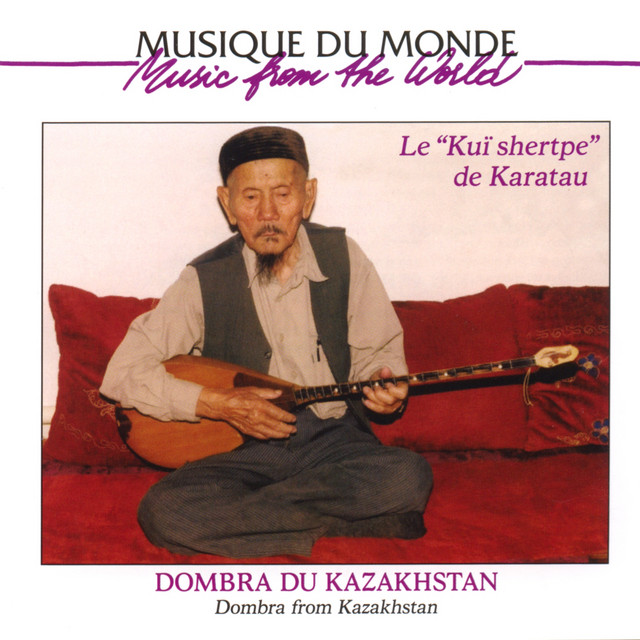
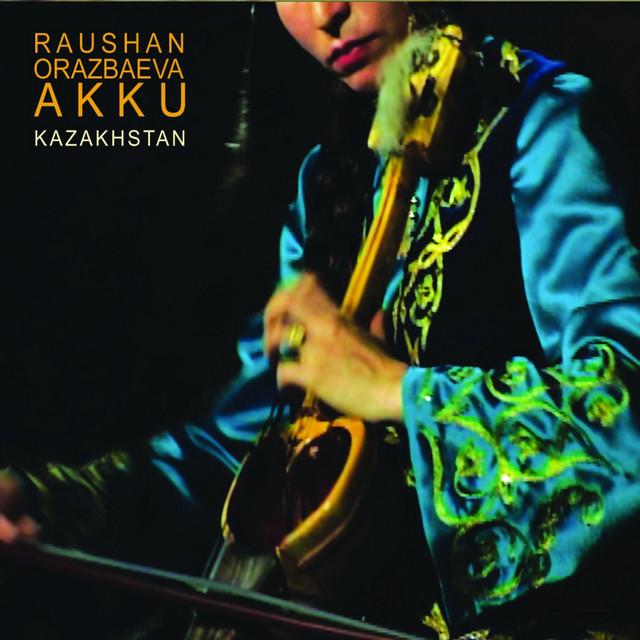
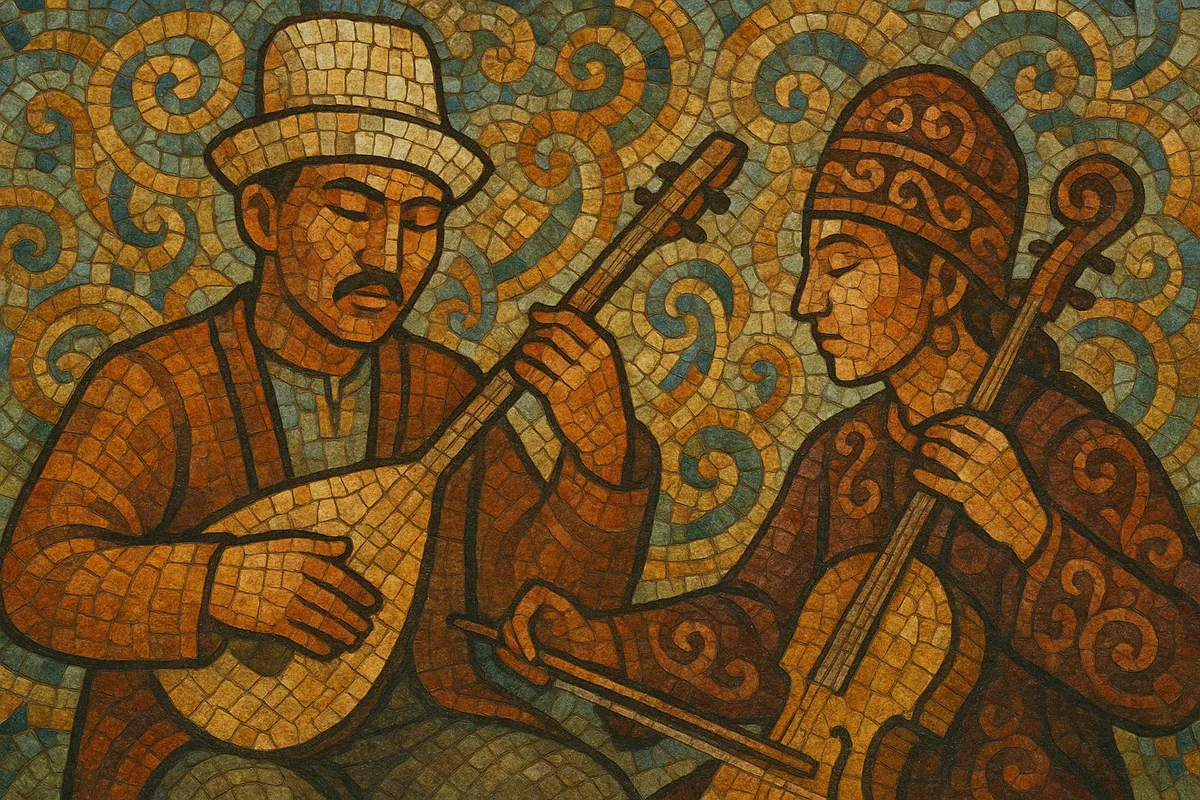
Its core timbres come from the two‑string long‑neck lute dombra and the bowed horsehair fiddle qobyz, alongside the end‑blown flute sybyzgy, the plucked zhetygen (jetigen), and the small lute sherter. Textures are predominantly monophonic or heterophonic, with drones and subtle parallel motion rather than Western functional harmony. Melodic language favors modal and pentatonic resources, flexible rhythm, and expressive microtiming.
Two principal instrumental styles are often distinguished: tokpe (more percussive, rhythmically driving, common in western Kazakhstan) and shertpe (more lyrical, supple, and introspective, common in the east and south). Vocal genres include aitys (improvised sung poetry contests), lyrical art songs, and epic recitation, all of which prize narrative clarity, agility, and ornamentation.
History
Kazakh traditional music arose from the lifeways of nomadic pastoralists on the Central Asian steppe. Its oldest strata are linked to shamanic and epic traditions, with the qobyz associated in lore with Korkyt Ata, a culture hero often dated to the early medieval period. Oral transmission, seasonal migrations, and communal ceremonies shaped a repertoire that balanced practical signals, ritual sound, and artistic expression.
The 1800s saw a consolidation of the instrumental kui and an expansion of named composers/performers (küyshi) and singer‑poets. Figures such as Kurmangazy Sagyrbayuly, Dauletkerei Shygayuly, Tattimbet Kazangapuly, Ykylas Dukenuly, Birzhan‑sal, and Akan Seri codified regional idioms (tokpe vs. shertpe) and created celebrated programmatic pieces (e.g., “Adai,” “Saryarka”) that depict horses, landscapes, and historical episodes.
With urbanization and institutionalization under Soviet cultural policy, Kazakh traditional music moved onto concert stages and radio. Conservatories documented and arranged kui for ensemble, and virtuosi such as Dina Nurpeisova carried dombra traditions into the modern age. While choral/orchestral arrangements introduced Western harmony, solo performance and oral pedagogy remained central, sustaining the core monodic aesthetic.
Since Kazakhstan’s independence (1991), there has been a renewed focus on heritage, archives, and pedagogy. Traditional instruments entered conservatory curricula, and ensembles and soloists tour internationally. New works and crossovers with worldbeat and world fusion retain the dombra and qobyz sound while engaging contemporary stages and media.
Key instruments include the dombra (two strings, various regional tunings), qobyz (bowed with horsehair and a resonant, nasal timbre), sybyzgy (flute), and zhetygen. Core forms are instrumental kui (programmatic tone‑poems), improvised aitys (dueling sung poetry), lyrical art songs, and epic narration, all tied to the steppe’s social memory and landscape.