Your digging level

For this genre
0/8
🏆
Sign in, then listen to this genre to level up

Description

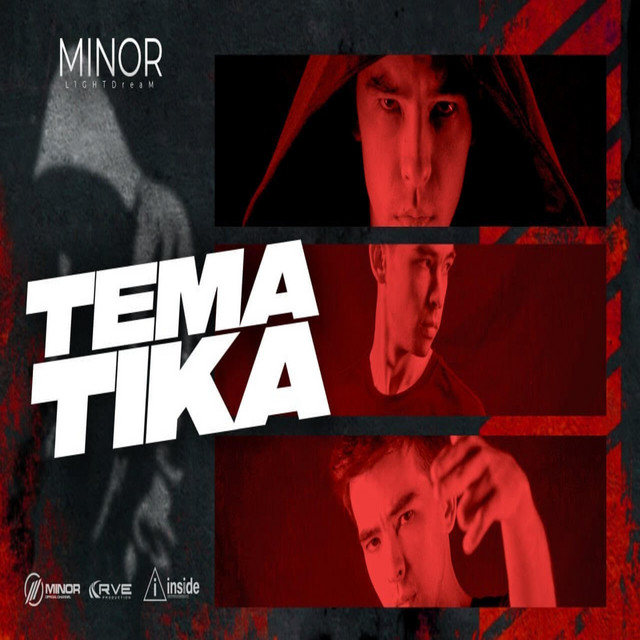
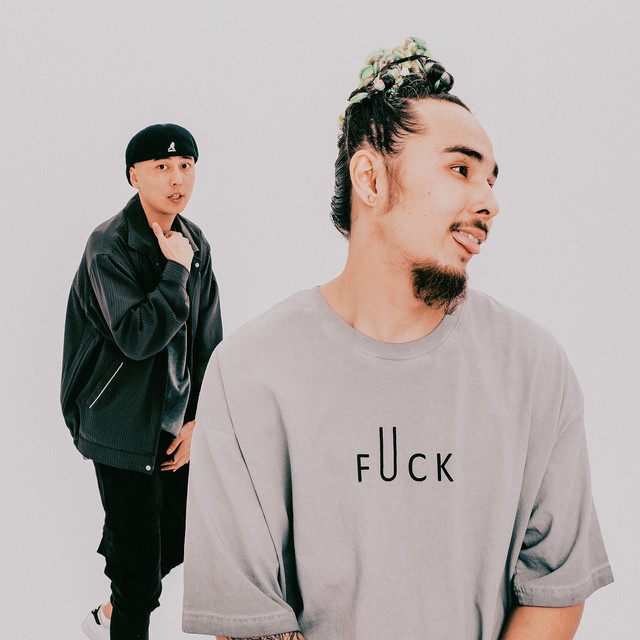
Central Asian hip hop is a regional wave of rap that took root in the post‑Soviet 1990s across Kazakhstan, Uzbekistan, Kyrgyzstan, Tajikistan, Turkmenistan (and the wider Uyghur sphere), then matured in the 2000s–2010s.

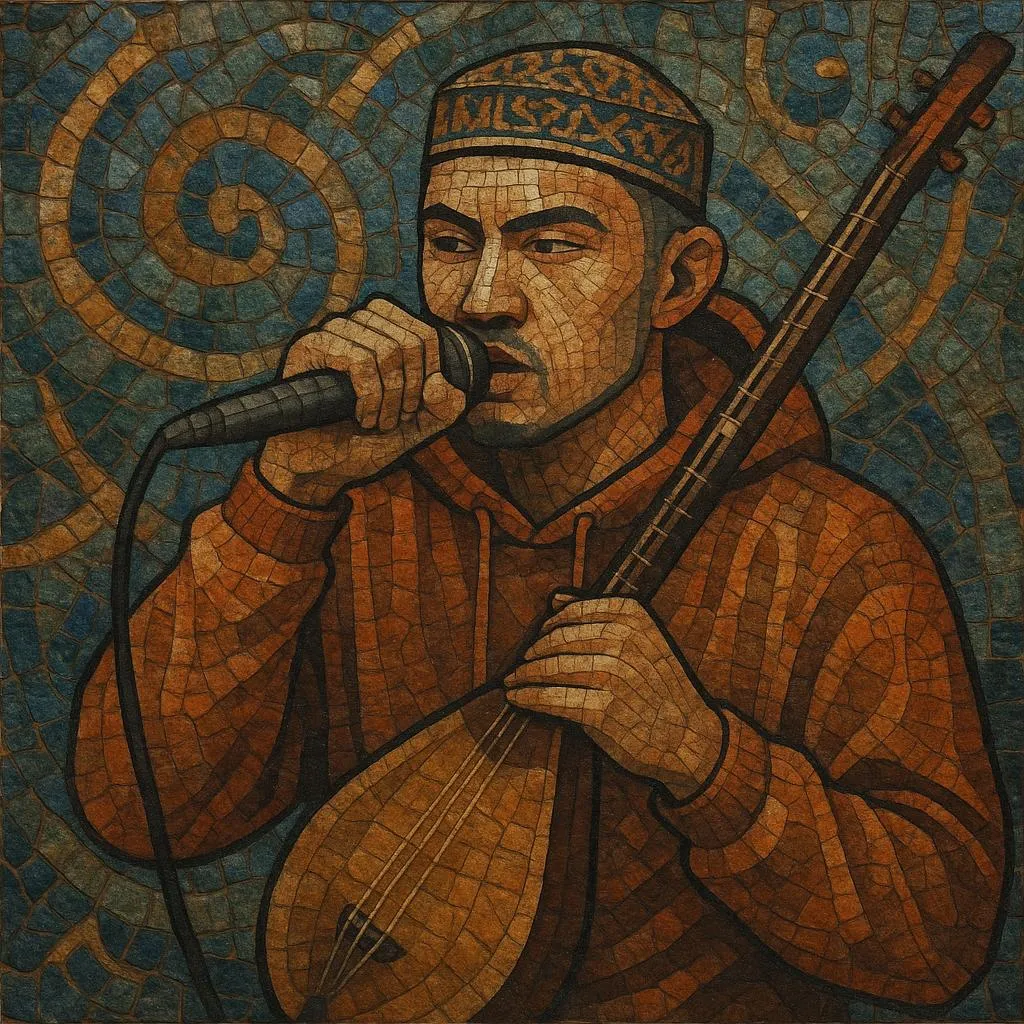
It blends core hip‑hop aesthetics (boom‑bap, G‑funk, trap) with Turkic and Persianate musical vocabularies: pentatonic and maqam‑inflected melodies, characteristic ornaments, and timbres from instruments such as the dombra, komuz, dutar, doira, and qobyz. Lyrics often switch fluidly among Russian and local languages (Kazakh, Uzbek, Kyrgyz, Tajik, Uyghur), reflecting multilingual urban life.

Thematically it spans street realism, migration and work abroad, social satire, national pride, romance, and introspective melancholia. Sonically it moves from head‑nodding classic beats to glossy, 808‑heavy trap, frequently weaving folk samples or newly played folk motifs into contemporary production.


Sources: Spotify, Wikipedia, Discogs, RYM, MB, user feedback and other online sources

History

Early 1990s: Foundations after independence

With the dissolution of the USSR, youth in Almaty, Tashkent, Bishkek, Dushanbe, Ashgabat, and Ürümqi accessed imported cassettes, satellite TV, and Russian‑language media. First MCs emulated old‑school and East/West Coast flows, rapping mostly in Russian while tentatively inserting local slang and themes.

2000s: Localization and scenes

Affordable home studios and online forums (RuNet, VKontakte, early YouTube) enabled local crews and street battles. Producers began sampling folk records and playing dombra/komuz/dutar lines over boom‑bap and G‑funk grooves. Radio/TV exposure remained uneven, but campus events and club circuits consolidated city‑level scenes.

2010s: Breakout and stylistic expansion

Streaming platforms and Moscow‑connected labels raised the profile of Kazakh‑ and Uzbek‑scene artists across the CIS. Trap and melodic rap surged; hooks borrowed from estrada/pop sensibilities while verses retained gritty reportage. A parallel renaissance in local languages (Kazakh, Uzbek, Kyrgyz, Tajik, Uyghur) affirmed regional identity and broadened audiences at home.

2020s: Drill, cross‑border collaboration, and platform virality

Artists adopted drill rhythms and moody 808 aesthetics while continuing to hybridize with indigenous rhythms and pentatonic/maqam colors. TikTok/short‑video virality and cross‑republic collabs tightened the region’s network. Topics increasingly address migration, class mobility, and cultural pride, alongside ongoing negotiation with broadcasters and, in some places, censorship.

How to make a track in this genre

Core groove and tempo
•   Start with classic hip‑hop or trap grids: 80–95 BPM for boom‑bap/G‑funk; 130–150 BPM (double‑time feel) for trap/drill. •   Use punchy kicks, snappy snares/claps, and swung hats; for drill, add sliding 808s and syncopated, stuttering hi‑hat rolls.
Melody, scales, and instrumentation
•   Write hooks with pentatonic or maqam‑tinged motifs to evoke Central Asian color. Ornament lines with slides, mordents, and micro‑bends. •   Layer or sample regional instruments: dombra (Kazakhstan), komuz (Kyrgyzstan), dutar/doira (Uzbekistan/Turkmenistan), qobyz (Kazakhstan), and frame‑drum textures. •   Combine these timbres with modern pads, bell plucks, or vocal chops for atmosphere.
Harmony and texture
•   Keep harmony sparse (I–vi–IV–V or i–VI–III–VII in modal shades). Let the bass 808 define root motion while upper voices provide modal color. •   For G‑funk flavors, add sine‑lead portamento and warm Rhodes chords; for drill/trap, use darker minor chords and airy pads.
Flow, language, and lyrics
•   Alternate Russian with local languages (Kazakh/Uzbek/Kyrgyz/Tajik/Uyghur) for code‑switching impact. •   Themes: city grit, migration stories, social commentary, humor/satire, romance, and national/ethnic pride. •   Structure: 8–16‑bar verses, memorable 4–8‑bar hook; consider a short pre‑chorus with a rising melodic contour.
Arrangement and production tips
•   Intro with a solo folk instrument riff or vinyl‑style sample; drop the drums at bar 5 to highlight the vocal entrance. •   Use call‑and‑response ad‑libs; double key lines in hooks for an anthem feel. •   Blend subtle field textures (market ambiance, street sounds) at low level for place‑sense. •   Mix for clarity: carve kick vs. 808 with sidechain; preserve the midrange of folk strings; use plate/room reverbs to simulate intimate live spaces.
Cultural care
•   When sampling folklore, clear rights where applicable and credit sources. If recording live instruments, collaborate with local players to capture idiomatic phrasing.

Top tracks

Locked
Share your favorite track to unlock other users’ top tracks

Upcoming concerts

in this genre
Influenced by
Has influenced
No genres found

Download our mobile app

Get the Melodigging app and start digging for new genres on the go
© 2026 Melodigging
Melodding was created as a tribute to Every Noise at Once, which inspired us to help curious minds keep digging into music's ever-evolving genres.
Buy me a coffee for Melodigging