

Your digging level
Description
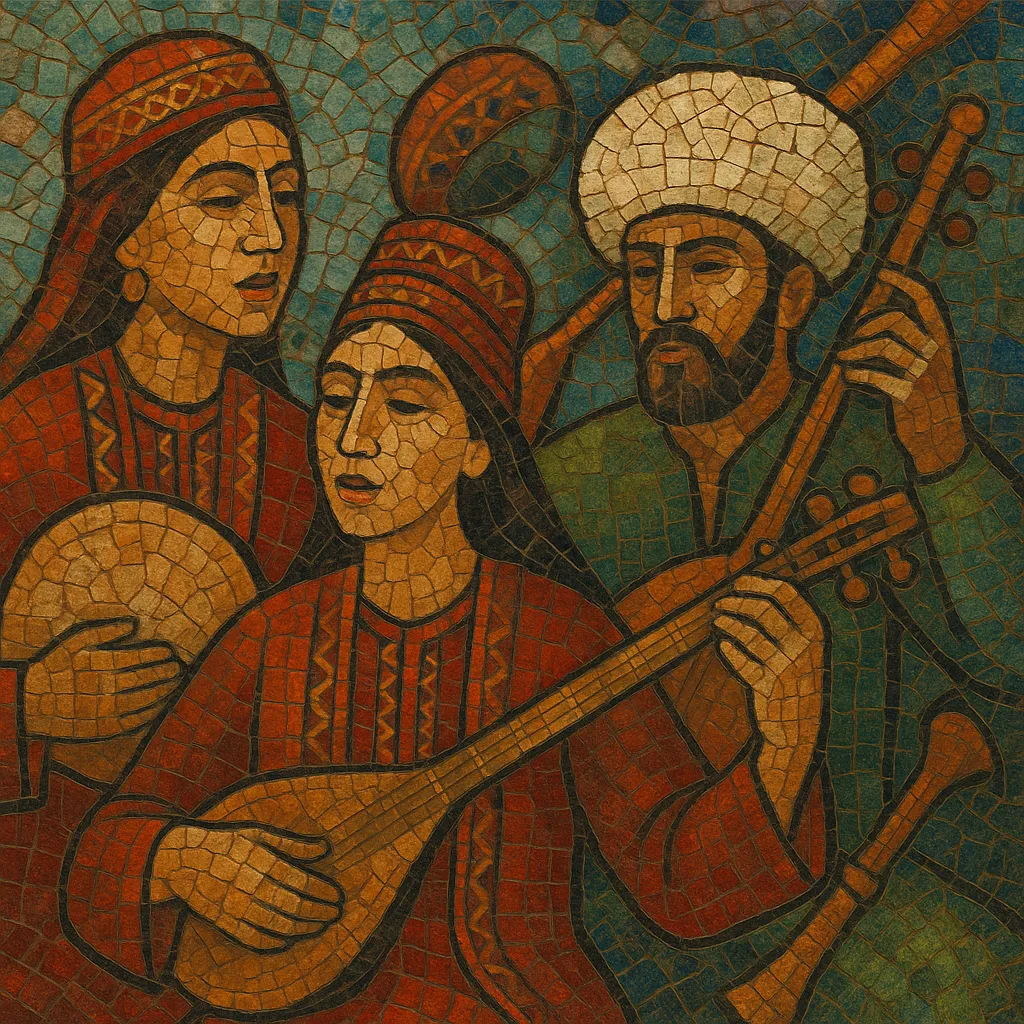
Turkmen music is the traditional music of the Turkmen people, centered on the voice-and-dutar (two‑string long‑neck lute) pairing and the bardic bagshy tradition of epic recitation. Its sound world is modal rather than harmonic, with microtonal inflections, flexible rhythm, and an intimate, narrative vocal delivery.
Core instruments include the dutar (plucked lute), gyjak/gijjak (spike fiddle), gargy tüýdük (end-blown reed flute), dilli tüýdük (duct flute), dep/ghaval (frame drum), surnay/zurna (double-reed shawm), and karnay (long trumpet for ceremonial occasions). Repertoire spans instrumental küý (solo dutar pieces), lyrical songs set to classical Turkmen poetry, and lengthy epic cycles related to the Oghuz/Turkmen heroic corpus (e.g., Köroğlu/Görogly). At weddings and festive gatherings, energetic dance tunes and shawm–drum ensembles provide a contrasting, extroverted facet.
Stylistically, Turkmen music shares features with broader Central Asian and Persianate traditions—maqam/dastgah-derived modal thinking, melismatic singing, and additive/asymmetric meters—yet it retains distinct Turkmen melodic contours, dutar right‑hand patterns, and bagshy storytelling performance practice.
History
Turkmen music coalesced with the westward movement and settlement of Oghuz Turkic tribes across Central Asia in the 1000s. Oral-epic performance by bagshy (bards) accompanied on dutar became a cornerstone of communal life, preserving history, ethics, and identity through story-songs and heroic cycles.
From the medieval period onward, Turkmen musicians interacted with neighboring Persian, Khwarazmian, and Transoxanian cultures. Modal systems related to maqam/dastgah shaped melodic organization, while poetic forms and Sufi aesthetics informed texted repertories. Courtly and urban traditions such as shashmaqam in nearby Bukhara/Samarkand provided models for modal development and artful vocalism, which Turkmen musicians localized within their own idioms.
In the 20th century, the Soviet period introduced conservatories, notated arrangement, radio, and state ensembles. Composers integrated folk materials into orchestral and stage works, while professional folk troupes standardized and disseminated regional styles. Despite institutionalization, the intimate bagshy tradition and village wedding repertories continued, sustaining transmission from master to apprentice.
Since Turkmenistan’s independence (1991), heritage preservation, state ensembles, and festival circuits have promoted emblematic instruments (especially the dutar) and epic singing. Alongside traditional performance, contemporary artists adapt Turkmen modal melodies and rhythms into popular and cross‑genre contexts, while archival recordings and fieldwork continue to document regional variants and master performers.

Top albums
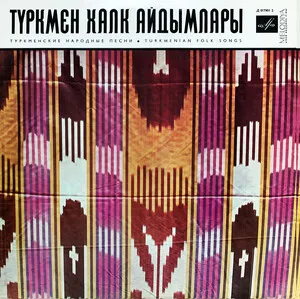%2C%20Cover%20art.webp)
