Your digging level

For this genre
0/8
🏆
Sign in, then listen to this genre to level up

Description

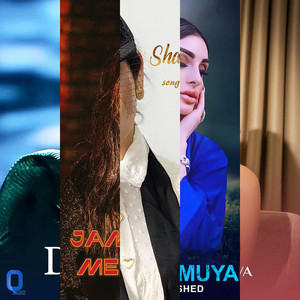
Tajik pop is the mainstream popular music of Tajikistan that blends Persian–Tajik melodic language and folk rhythms with Soviet-era estrada songcraft and modern global pop production.

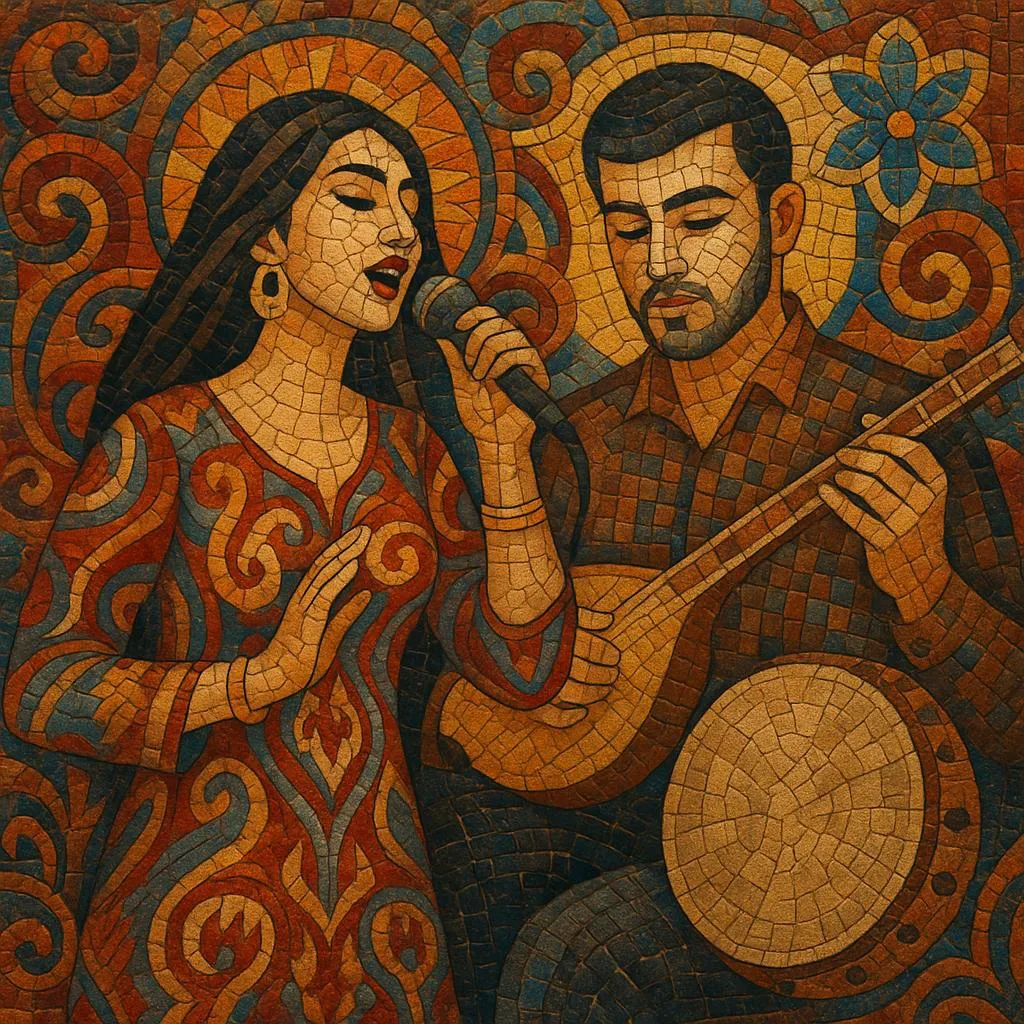
Typical arrangements fuse doira (frame drum), dutar/tanbur, rubab or ghijak timbres with synthesizers, drum machines, guitar, and bass. Vocal lines are ornamented and melismatic, drawing on the modal heritage of shashmaqam/maqom and folk styles like falak, while choruses are hook-driven in the style of contemporary dance-pop.

Lyrics are predominantly in Tajik (a variety of Persian) and revolve around love, longing, homeland, seasons, and family, delivered with a warm, emotive tone suited to weddings and national celebrations as well as radio and TV.


Sources: Spotify, Wikipedia, Discogs, RYM, MB, user feedback and other online sources

History

Early roots (1970s–1980s)

Under the Soviet cultural system, Tajik popular song developed within the estrada framework: polished, state-sanctioned light music intended for radio, television, and concert stages. Tajik composers and singers wove local folk modes and rhythms into accessible verse–chorus formats, often featuring doira and plucked lutes alongside orchestral or electric instrumentation. By the 1980s, charismatic singer–songwriters modernized this sound with pop-rock textures, synthesizers, and more personal lyricism—all while preserving Tajik melodic contours and melismatic singing.

Transition and resurgence (1990s)

Independence in 1991 and the ensuing instability disrupted the cultural infrastructure. Nevertheless, the newly opened media ecosystem broadened influences from Iranian and Afghan pop as well as Russian mainstream music. Studio production slowly recovered, and diaspora networks—especially in Russia—helped Tajik artists reach wider regional audiences through cassette, CD, and satellite broadcast.

Mainstream consolidation (2000s–2010s)

Private labels, TV talent programs, and the wedding economy (a central performance context) fueled a boom. Stars refined a signature blend: maqam-inflected melodies, sentimental themes, and danceable 4/4 or lilting 6/8 grooves. Music videos and YouTube accelerated discovery across Central Asia and Persian-speaking communities. Female vocalists rose prominently, and cross-border collaborations with Iranian, Afghan, and Russian scenes became common.

Today

Contemporary Tajik pop retains its lyrical romanticism and folk coloration while adopting up-to-date pop, EDM, and trap-adjacent production. Doira patterns, ornamented vocal leads, and modal turns remain core identifiers, even as arrangements feature glossy synths, programmed drums, and radio-ready hooks. The genre continues to soundtrack weddings, national holidays like Nowruz, and everyday listening across Tajikistan and its diaspora.

How to make a track in this genre

Core palette and instrumentation
•   Combine traditional colors (doira frame drum, dutar/tanbur, rubab/ghijak) with pop rhythm section (kick, snare, bass, acoustic/electric guitar) and modern synth pads/leads. •   Keep the vocal at the center; write a clear, memorable chorus supported by harmonies or unison gang vocals suited to celebratory contexts (e.g., weddings).
Rhythm and groove
•   Common meters: 4/4 dance-pop and lilting 6/8 for romantic or festive songs. Typical BPM ranges: 90–110 for ballads/mid-tempo, 115–128 for dance numbers. •   Use doira-inspired patterns (accented offbeats and rolling subdivisions) layered with a clean pop kick–snare to anchor the groove.
Melody and harmony
•   Build melodies from Persian–Tajik modal vocabulary influenced by maqom/shashmaqam; frequent colors include harmonic minor and Phrygian dominant (Hijaz-like) with ornamental turns and melisma. •   Keep harmonies simple and song-focused (e.g., i–VII–VI–VII, i–VI–III–VII, or I–V–vi–IV), letting modal inflections appear in melody and countermelodies rather than complex chord changes. •   Feature brief modulations (e.g., relative major) at bridges to lift emotional intensity.
Lyrics and themes
•   Write in Tajik, prioritizing clear imagery and sentiment. Themes typically include love, separation and longing, devotion to family (especially mother), seasons, and homeland. •   Favor direct, heartfelt language and refrain lines that can be sung collectively.
Arrangement and production
•   Introduce a traditional instrument (doira fill, dutar riff) in the intro to set identity, then layer modern pads and arpeggios. •   Double the lead vocal at key lines; add short call-and-response moments with backing vocals. •   Use polished, radio-ready mix aesthetics: bright vocals, tight low end, tasteful reverb, and occasional folkloric interludes (doira break, dutar solo) before the final chorus.
Performance tips
•   Emphasize expressive ornamentation in the vocal (slides, trills) without obscuring the hook. •   For live settings, maintain danceable energy and encourage audience participation on refrains or handclap/doira patterns.

Top tracks

Locked
Share your favorite track to unlock other users’ top tracks

Upcoming concerts

in this genre
Influenced by

Download our mobile app

Get the Melodigging app and start digging for new genres on the go
© 2026 Melodigging
Melodding was created as a tribute to Every Noise at Once, which inspired us to help curious minds keep digging into music's ever-evolving genres.
Buy me a coffee for Melodigging