Your digging level
Description
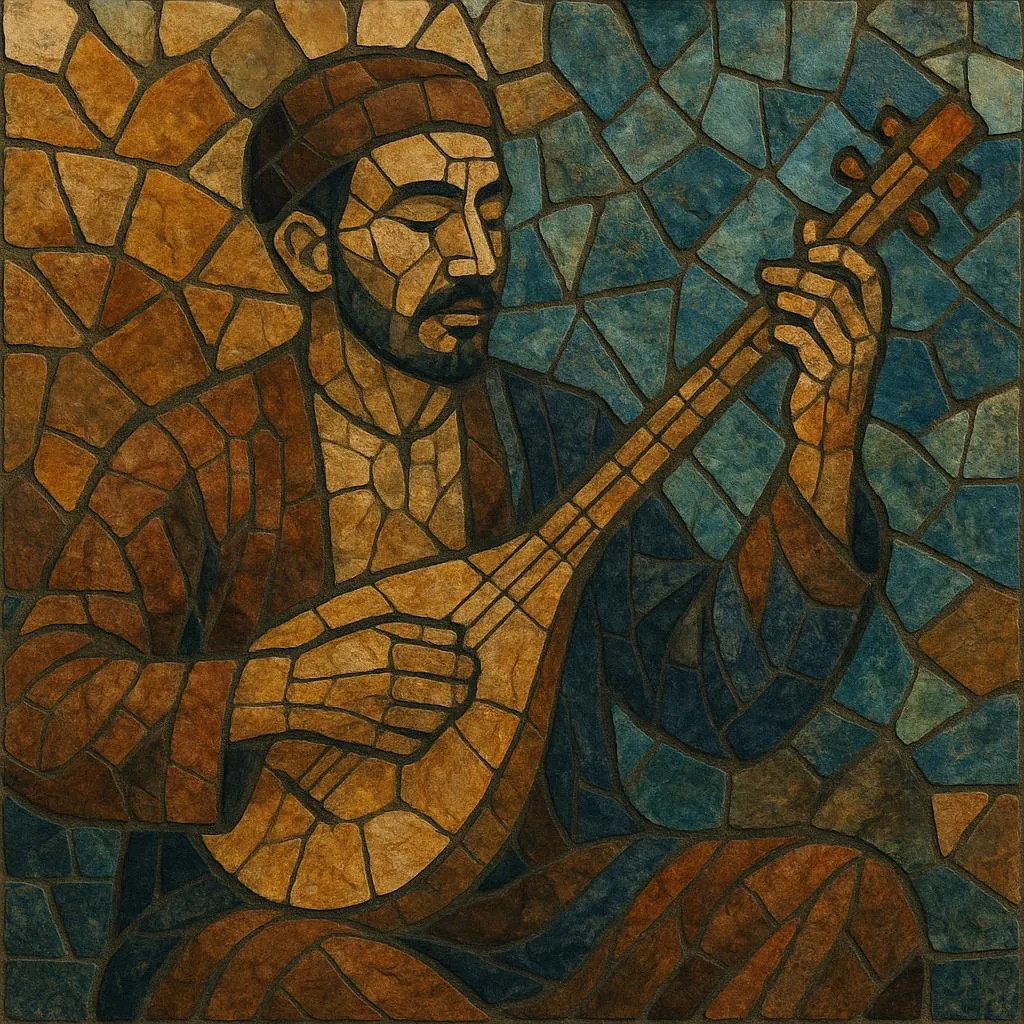
Dambora is a folk style from Afghanistan centered on the two‑string, long‑necked lute known locally as the dāmborā (closely related to the Central Asian dombra/dombura family). The instrument provides both a droning accompaniment and a picked or strummed melodic line, allowing solo singer‑instrumentalists to carry an entire performance.
Songs are typically delivered in Dari (including the Hazaragi dialect) and in other regional languages, using poetic forms that range from folk couplets and narrative ballads to ghazal‑like verses. The music’s core sound comes from rapid, percussive strumming patterns interwoven with droning open strings, ornamental slides, and tremolo, set to lively duple meters (2/4) or lilting compound meters (6/8). Topically, lyrics address love, longing, place, humor, moral reflection, and the lived experience of rural and highland communities.
Although the instrument is widespread across Central Asia, the Afghan dambora style has a recognizable vocal delivery, rhythmic attack, and repertoire associated with Hazārajāt and northern provinces (e.g., Balkh, Faryab, Jawzjan), forming a distinct branch of the broader dombra traditions.
History
The dambora belongs to the wider family of two‑string, long‑necked lutes that spread across the Eurasian steppe and Central Asia. In Afghanistan, it took on particular prominence among Hazara and other northern communities by the 19th century, becoming a favored vehicle for solo singing and village entertainment. Its fretless or lightly fretted neck, two courses of metal strings, and resonant wooden body were ideal for projecting in open spaces and for accompanying extended storytelling.
In the early–mid 20th century, migration from rural regions into Afghan towns and radio hubs helped codify a circulating repertoire of dambora songs. Local fairs, weddings, and seasonal labor routes carried styles between provinces, while inexpensive instruments enabled self‑accompanied singers to thrive. Cassette culture from the 1970s onward further amplified the style, allowing regional voices to be recorded and re‑distributed informally across Afghanistan and into neighboring Tajik and Uzbek communities.
Conflict and displacement from the late 20th century scattered dambora practitioners into the Afghan diaspora (Iran, Pakistan, Central Asia, and beyond). Despite disruption, home‑recorded cassettes and later digital platforms preserved the style. In the 2000s–2020s, a revivalist wave on social media and video platforms spotlighted both elder tradition‑bearers and younger performers, some integrating the dambora with studio arrangements or fusing it with pop and global folk idioms while maintaining its characteristic rhythmic drive and droning sonority.
Today, dambora thrives as a living folk tradition and a symbol of local identity. Performances range from intimate, voice‑and‑lute storytelling to amplified band contexts. The style circulates through community festivals, weddings, cultural centers, and online channels, sustaining its vernacular poetry and distinctive two‑string groove.