Genres
Artists
Albums
Make Music
Sign in
Sign in
Artists
Gregorian Chant
Artists
Gregorian Chant
Hildegard von Bingen
1985–2008
·
10 albums
Listen
3
/5
Genres
Bardcore
Bardcore is an internet-born microgenre in which contemporary pop, hip hop, and rock songs are reimagined as if performed by medieval or early Renaissance minstrels. Arrangements typically substitute modern instrumentation with lutes, harps, recorders, hurdy-gurdies, rebecs, shawms, hand drums, and choir-like vocals, while adapting melodies and harmonies to modal idioms (Dorian, Aeolian, Mixolydian). Lyrics are often translated into faux Middle English or archaic diction, and mixes are treated with intimate, stone-room reverbs to evoke a historical ambience. The result is a playful blend of historical pastiche and modern earworms that embraces both meme culture and early-music aesthetics.
Discover
Listen
Musica Campineira
Música campineira refers to the contemporary independent music made in and around Campinas (São Paulo state, Brazil). It is not a single codified style, but a city‑tagged scene that blends MPB songwriting, Brazilian rock, Tropicália’s exploratory spirit, indie rock/pop textures and a dose of samba‑rock and bossa rhythms. Because it is scene‑based, you will hear a spectrum that runs from intimate voice‑and‑guitar MPB and chamber‑pop projects to guitar‑driven indie rock, synth‑tinged bedroom pop and groove‑oriented bands. What unites it is a regional identity shaped by the city’s universities (notably UNICAMP), DIY venues, collectives, and small labels that foster collaboration and stylistic cross‑pollination.
Discover
Listen
Early Music
Early music is a modern performance movement devoted to the repertoire of the Medieval, Renaissance, and early Baroque eras (roughly before c. 1750), approached with historically informed performance (HIP) practices. It emphasizes period instruments (or faithful replicas), historical tunings and temperaments, original notations and sources, and performance conventions documented in treatises of the time. The sound world ranges from monophonic chant and modal organum, to intricate Renaissance polyphony, to the emergence of basso continuo and dramatic affect in the early Baroque. Rather than being a single historical style, early music is a contemporary practice of reviving diverse pre‑Classical musics with scholarly rigor and artistic vitality.
Discover
Listen
Classical
Classical music is the notated art-music tradition of Europe and its global descendants, characterized by durable forms, carefully codified harmony and counterpoint, and a literate score-based practice. The term “classical” can refer broadly to the entire Western art-music lineage from the Medieval era to today, not just the Classical period (c. 1750s–1820s). It privileges long-form structures (such as symphonies, sonatas, concertos, masses, and operas), functional or modal harmony, thematic development, and timbral nuance across ensembles ranging from solo instruments to full orchestras and choirs. Across centuries, the style evolved from chant and modal polyphony to tonal harmony, and later to post-tonal idioms, while maintaining a shared emphasis on written notation, performance practice, and craft.
Discover
Listen
Gregorian Chant
Gregorian chant is the central Western tradition of plainchant: a monophonic, unaccompanied sacred song in Latin (and occasionally Greek) used in the Roman Catholic liturgy. It employs free rhythm guided by the prosody of the text rather than by strict meter, and is sung in unison by clerics or scholas. Its melodies are organized by the system of eight church modes, with characteristic finalis (final), tenor/reciting tones, and melodic formulas. Repertoires include the Proper and Ordinary of the Mass (e.g., Introit, Gradual, Alleluia, Offertory, Communion, Kyrie, Gloria, Credo, Sanctus, Agnus Dei) and the Divine Office (e.g., Antiphons, Responsories, Hymns, Psalms). Although legend credits Pope Gregory I, modern scholarship sees Gregorian chant as a Carolingian synthesis of Old Roman and Gallican chants, standardized across Frankish realms and later the broader Latin West.
Discover
Listen
Plainchant
Plainchant (cantus planus) is the monophonic, unaccompanied chant of the Western Christian liturgy. Sung in Latin (with occasional Greek), it uses modal scales rather than major–minor tonality and unfolds in flexible, speech-like rhythms shaped by the sacred text. Melodically, plainchant ranges from simple syllabic formulas for reciting psalms to ornate melismatic lines for processional and festal moments. It is performed in unison by a schola or congregation, often organized antiphonally or responsorially across the liturgical actions of the Mass and the Divine Office. Its austere sonority, modal color, and text-centered phrasing give it a contemplative, timeless quality.
Discover
Listen
Medieval
Medieval music refers to the diverse sacred and secular musical practices of Europe between the fall of the Western Roman Empire and the dawn of the Renaissance. It spans more than eight centuries, from early monophonic chant to the first notated polyphony. Core features include the use of church modes rather than major/minor, extensive reliance on vocal music (Latin sacred chant as well as vernacular song), and the progressive development from unmeasured chant to rhythmic modal notation and, later, mensural notation. Texture evolves from monophony (plainchant, troubadour songs) to organum, conductus, and the motet, culminating in complex isorhythmic works by the late 13th–14th centuries. Secular traditions—troubadours and trouvères in France, Minnesänger in German lands, and the Iberian Cantigas—coexisted with and influenced sacred practice. Instruments such as the vielle, harp, psaltery, recorder, shawm, hurdy-gurdy, and portative organ often doubled or accompanied voices, though much music remained purely vocal.
Discover
Listen
Medieval Classical Music
Medieval classical music refers to the body of sacred and secular art music created in Europe from roughly the 5th to the late 15th centuries. It encompasses the Christian chant traditions of the early Middle Ages, the emergence of notated polyphony in the High Middle Ages, and the rhythmically and formally sophisticated Ars Nova of the 14th century. At its core are modal melodies (church modes), primarily vocal textures, and a gradual evolution from monophony (single melodic line) to increasingly complex polyphony. Notation develops from adiastematic neumes to staff-based pitch notation and, later, mensural systems that codify rhythm. Characteristic sonorities emphasize perfect consonances (octaves, fifths, and fourths), with triadic harmony only beginning to coalesce near the end of the period. Though rooted in the liturgy (Mass, Office, and Latin song), the era also nurtured rich vernacular traditions—troubadours, trouvères, Minnesänger—and instrumental practices on harp, vielle, recorder, lute, and organ. The period laid the foundational techniques, theories, and repertories that define the entire subsequent Western classical tradition.
Discover
Listen
Hymns
Hymns are strophic, text-driven songs of praise, devotion, or instruction intended for congregational or communal singing, most closely associated with Christian worship. They typically use clear, memorable melodies, regular poetic meters, and straightforward harmonies so that large groups can sing together with ease. While the concept of a hymn as a sacred song predates Christianity (e.g., in Ancient Greek and Jewish traditions), Christian hymnody coalesced late in the 4th century with Ambrosian practice in Milan and then expanded through Latin and Greek liturgical cultures. Over time, hymn singing moved from monastic and cathedral settings into congregational life, especially after the Protestant Reformation, where metrical psalms and vernacular hymns became a defining feature of worship. Modern hymnody ranges from chant-like, modal melodies without accompaniment to robust, four-part chorale harmonizations with organ, and even contemporary arrangements that adapt classic hymn texts and tunes to newer popular styles.
Discover
Listen
Show all 9 genres
Albums
2008
1
/5
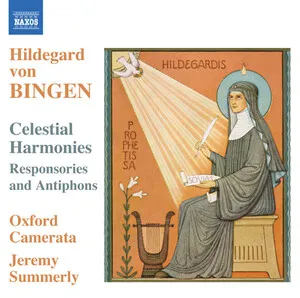
Celestial Harmonies: Responsories and Antiphons
Hildegard von Bingen / Oxford Camerata / Jeremy Summerly
Gregorian Chant
2004
1
/5
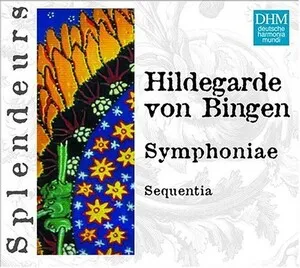
Symphoniae
Hildegard von Bingen / Sequentia
Gregorian Chant
Plainchant
Medieval Classical Music
1998
1
/5
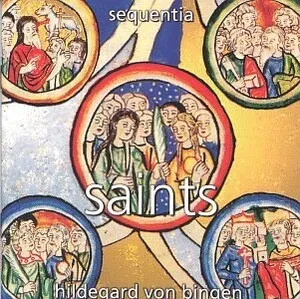
Saints
Hildegard von Bingen / Sequentia
Gregorian Chant
Hymns
Plainchant
1997
2
/5
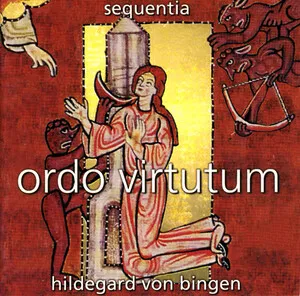
Ordo Virtutum
Hildegard von Bingen / Sequentia
Medieval Classical Music
Gregorian Chant
Plainchant
1997
1
/5
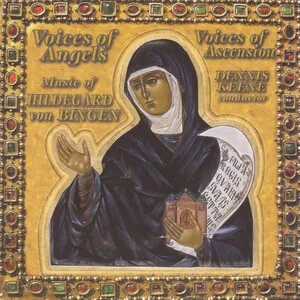
Voices of Angels: Music of Hildegard von Bingen
Hildegard von Bingen / Voices of Ascension / Dennis Keene
Gregorian Chant
Plainchant
Medieval Classical Music
1996
1
/5
O Jerusalem
Hildegard von Bingen / Sequentia
Gregorian Chant
Plainchant
Medieval Classical Music
1995
1
/5
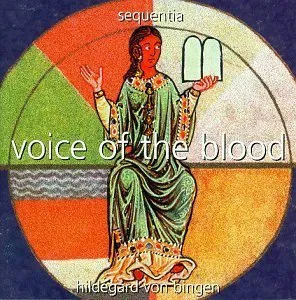
Voice of the Blood
Hildegard von Bingen / Sequentia
Gregorian Chant
Plainchant
Medieval Classical Music
1995
1
/5
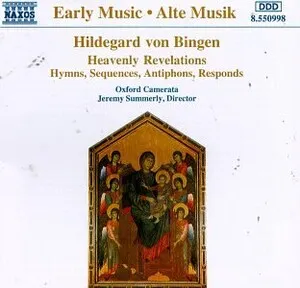
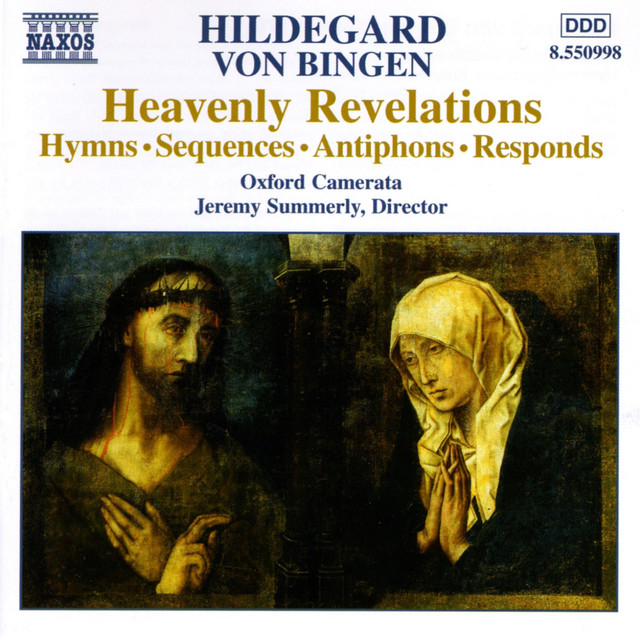
Heavenly Revelations: Hymns, Sequences, Antiphons, Responds
Hildegard von Bingen / Oxford Camerata / Jeremy Summerly
Plainchant
Medieval Classical Music
Classical
1994
2
/5
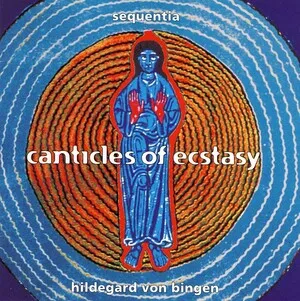
Canticles of Ecstasy
Hildegard von Bingen / Sequentia
Gregorian Chant
Medieval Classical Music
Plainchant
1985
2
/5
A Feather on the Breath of God
Hildegard von Bingen
Gregorian Chant
Plainchant
Medieval Classical Music
Similar artists
3
/5
Anonymous
Ars Antiqua
Gregorian Chant
Medieval
2
/5
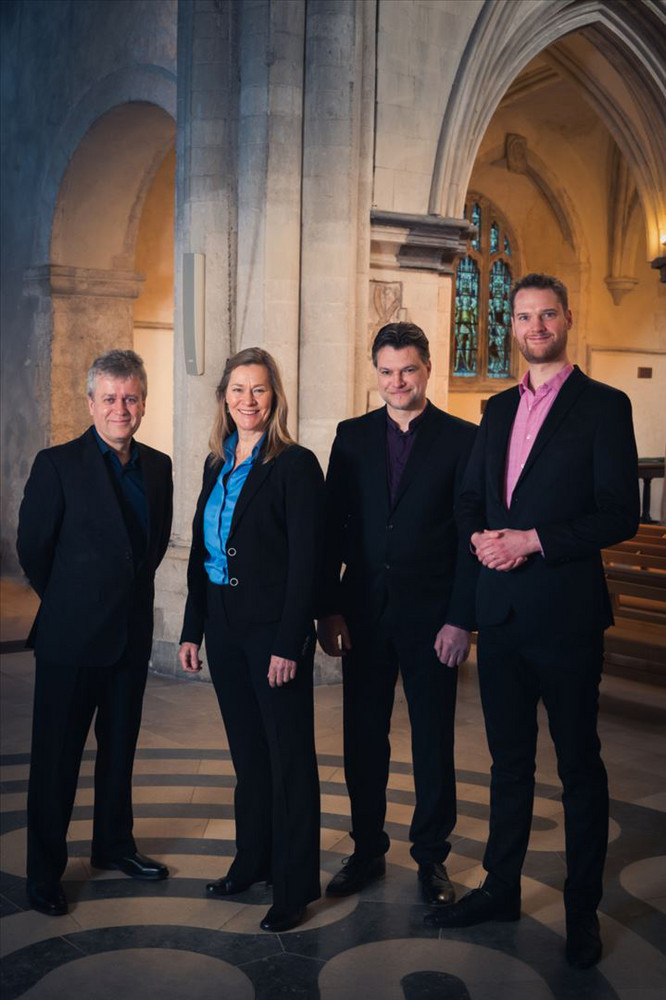
Sequentia
Gregorian Chant
Plainchant
Medieval
3
/5
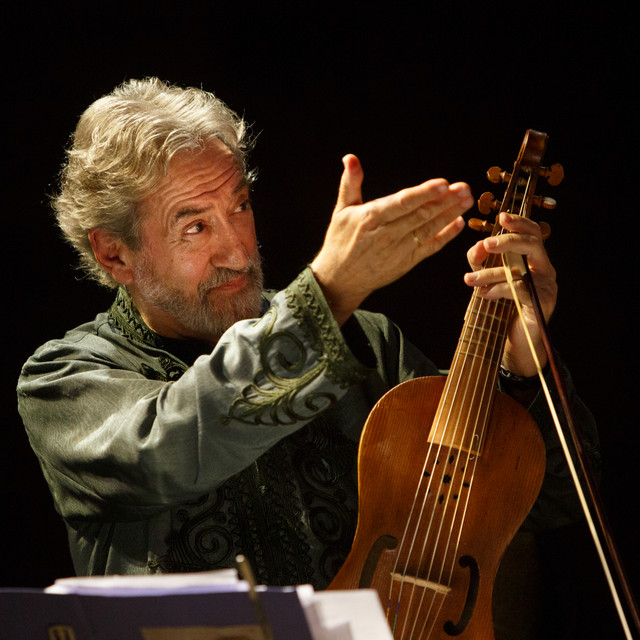
Jordi Savall
Renaissance
Baroque
Classical
3
/5
Oxford Camerata
Gregorian Chant
Medieval
Classical
3
/5
Jeremy Summerly
Gregorian Chant
Medieval
Classical
2
/5
Gothic Voices
Gregorian Chant
Medieval
Medieval Classical Music
2
/5
The Hilliard Ensemble
Madrigal
Gregorian Chant
Medieval Classical Music
3
/5
Peter Phillips
Choral
Renaissance
Requiem
3
/5
The Tallis Scholars
Choral
Renaissance
Requiem
2
/5
Emma Kirkby
Choral
Classical
Opera
Download our mobile app
Get the Melodigging app and start digging for new genres on the go
Download on the App Store
Get it on Google Play
© 2026 Melodigging
Give feedback
Legal
Melodding was created as a tribute to
Every Noise at Once
, which inspired us to help curious minds keep digging into music's ever-evolving genres.