Genres
Artists
Albums
Make Music
Sign in
Sign in
Artists
Choral
Artists
Choral
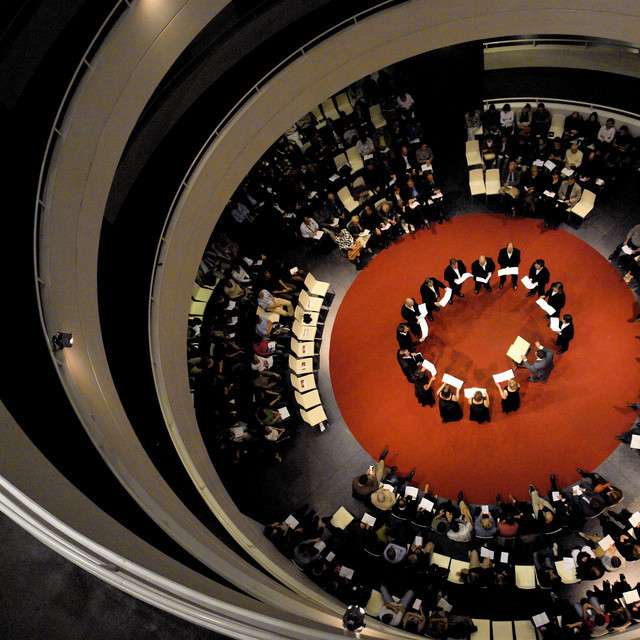
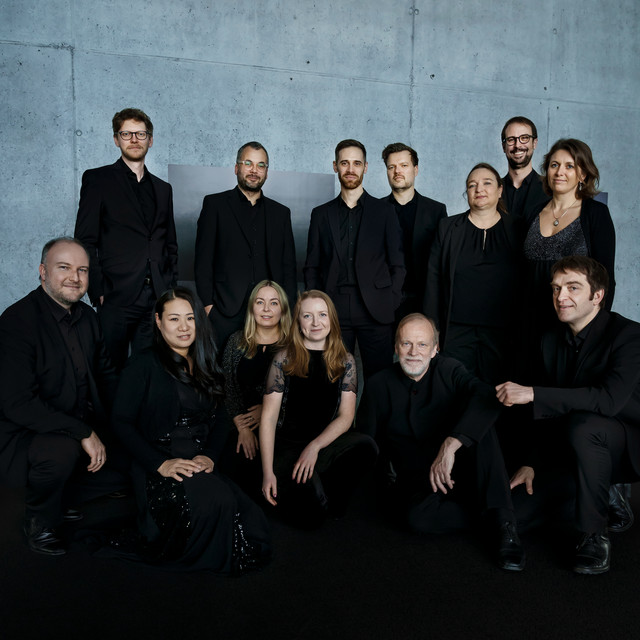
The Tallis Scholars
1980–2020
·
11 albums
Listen
3
/5
Genres
A Cappella
A cappella is vocal music performed without instrumental accompaniment, by soloists or ensembles. The term, Italian for “in the manner of the chapel,” originally distinguished Renaissance polyphonic practice from Baroque concertato styles where instruments often doubled voices. Over the 19th century—amid a revival of Renaissance polyphony and a mistaken assumption that such music was always sung unaccompanied—the term solidified to mean any unaccompanied vocal performance. Today a cappella spans sacred and secular idioms, from chant and polyphony to doo‑wop, vocal jazz, collegiate and professional pop groups, and contemporary styles featuring vocal percussion and microphone technique. Very rarely, the term has also been used as a synonym for alla breve (cut time), though this usage is uncommon in modern practice.
Discover
Listen
Requiem
A requiem is a musical setting of the Roman Catholic Mass for the Dead (Missa pro defunctis). Historically rooted in Latin liturgy, it sets movements such as the Introit, Kyrie, (historically) the Sequence Dies irae, Offertory, Sanctus, Agnus Dei, and Communion, and often includes additional responsories like Libera me and In paradisum. While the earliest requiems were monophonic chants, the genre became a showcase for polyphonic and later symphonic choral writing. Renaissance composers wrote austere, modal settings; Classical and Romantic composers expanded the forces and dramatic scope; and 20th–21st century composers reimagined the form with new languages, from neo-modal and impressionistic harmonies to avant‑garde sonorities. Today, requiems appear both in liturgy and as concert works, symbolizing collective mourning, remembrance, and spiritual reflection.
Discover
Listen
Franco-Flemish School
The Franco-Flemish School refers to a succession of Northern European composer-singers from the Low Countries and northern France who, during the 15th and 16th centuries, perfected a richly woven style of vocal polyphony. Centered on sacred forms such as the Mass and motet, and on courtly chansons, their music is characterized by careful control of dissonance, modal counterpoint, cantus-firmus and paraphrase techniques, and—by the later generations—pervasive imitation. Their chapel-trained composers staffed the great courts and cathedrals of Europe and spread a unified, technically rigorous polyphonic practice from Burgundy and the French royal chapels to Italy, Spain, the Empire, and beyond.
Discover
Listen
Renaissance
Renaissance music (c. 1400–1600) marks the shift from medieval sonorities to a clearer, triad-based polyphony in which multiple independent voices are treated with near-equal importance. It favors modal counterpoint, pervasive imitation, smooth voice-leading, and carefully prepared cadences. Text intelligibility and expressive text-setting become central concerns, especially in sacred motets and masses and in secular forms like the Italian madrigal and the French chanson. While much of the repertory is a cappella, instrumental consorts (viol, recorder, sackbut, cornett, organ) play a growing role. A steady tactus underpins rhythms, and tuning systems such as meantone temperament shape its characteristic color. Music printing (from 1501) accelerates stylistic diffusion across Europe.
Discover
Listen
Mass
Mass is a large-scale vocal genre that sets the Ordinary of the Roman Catholic liturgy—Kyrie, Gloria, Credo, Sanctus (and Benedictus), and Agnus Dei—most often in Latin. It began as monophonic chant but developed into sophisticated polyphony and later into concert works for choir, soloists, and instruments or full orchestra. Across history, composers have used techniques such as cantus firmus, imitation, paraphrase, and parody to unify movements. The genre spans from austere a cappella writing to monumental symphonic-choral statements, and today is performed both liturgically and in the concert hall. Common subtypes include Missa brevis (short Mass, often omitting the Credo or compact in scale) and Missa solemnis (festal, expansive forces and duration).
Discover
Listen
Motet
A motet is a polyphonic vocal composition, usually on a sacred Latin text, that emerged in the High Middle Ages and became a central genre of European art music during the Renaissance. Early motets layered different texts and rhythms above a chant-derived tenor, while later Renaissance motets favored smooth, imitative counterpoint shared among voice parts. Across its long history the motet served both liturgical and devotional functions, typically performed a cappella by small choirs. Stylistically it ranges from the rhythmically intricate, isorhythmic constructions of the 13th–14th centuries to the balanced, text-sensitive writing of the 16th century, and onward to concerted and chorale-based treatments in the Baroque and beyond.
Discover
Listen
Classical
Classical music is the notated art-music tradition of Europe and its global descendants, characterized by durable forms, carefully codified harmony and counterpoint, and a literate score-based practice. The term “classical” can refer broadly to the entire Western art-music lineage from the Medieval era to today, not just the Classical period (c. 1750s–1820s). It privileges long-form structures (such as symphonies, sonatas, concertos, masses, and operas), functional or modal harmony, thematic development, and timbral nuance across ensembles ranging from solo instruments to full orchestras and choirs. Across centuries, the style evolved from chant and modal polyphony to tonal harmony, and later to post-tonal idioms, while maintaining a shared emphasis on written notation, performance practice, and craft.
Discover
Listen
Sarum Chant
Sarum chant (the plainchant of the Use of Salisbury) is the medieval English variant of Western plainchant used across much of England, Wales, and parts of Ireland and Scotland before the Reformation. It belongs to the broader Gregorian tradition, but preserves local melodic, textual, and ceremonial peculiarities tied to the Sarum Rite. It is monophonic, modal, and unaccompanied, designed for Latin liturgical texts in the Mass and Divine Office. Its melodies range from simple recitation formulas to elaborate melismas, and its rhythm follows the natural accent and syntax of the text rather than strict meter. Distinct processional customs and a rich Proper (seasonal and festal chants) give the repertory its characteristic color.
Discover
Listen
Russian Orthodox Liturgical Music
Russian Orthodox liturgical music is the a cappella chant and choral tradition of the Russian Orthodox Church, sung in Church Slavonic during services such as the Divine Liturgy, the All‑Night Vigil, and the Hours. It grew from medieval monophonic chant (especially Znamenny, but also Demestvenny and Put’) structured by the octoechos (eight-mode) system inherited from Byzantium. From the 17th century onward, polyphonic and later richly harmonized choral idioms developed alongside chant, creating a uniquely Slavic blend of ancient modal melody and Romantic choral sonority. Hallmarks include unaccompanied mixed or male choirs, free, text-driven rhythm, deep basses (oktavists), luminous chordal writing in later repertoire, and a reverent, prayerful tone that prioritizes clarity of the sacred text over display. Instruments are not used, in keeping with Orthodox canons.
Discover
Listen
Polyphonic Chant
Polyphonic chant is a sacred vocal tradition in which two or more independent voices sing liturgical material at the same time, creating vertical harmony from originally monophonic chant. Emerging from the practice of adding a second voice to chant (organum), it favors perfect consonances (fourths, fifths, and octaves) and often places a sustained chant line (tenor) beneath more florid upper parts. In its classic medieval Western form, it is unaccompanied (a cappella), modal rather than tonal, and frequently governed by rhythmic modes. While the Notre Dame school in Paris codified much of its technique, related polyphonic chant practices also exist in other liturgical cultures (e.g., Georgian and Corsican traditions), each with distinctive sonorities and voice-leading norms.
Discover
Listen
Gregorian Chant
Gregorian chant is the central Western tradition of plainchant: a monophonic, unaccompanied sacred song in Latin (and occasionally Greek) used in the Roman Catholic liturgy. It employs free rhythm guided by the prosody of the text rather than by strict meter, and is sung in unison by clerics or scholas. Its melodies are organized by the system of eight church modes, with characteristic finalis (final), tenor/reciting tones, and melodic formulas. Repertoires include the Proper and Ordinary of the Mass (e.g., Introit, Gradual, Alleluia, Offertory, Communion, Kyrie, Gloria, Credo, Sanctus, Agnus Dei) and the Divine Office (e.g., Antiphons, Responsories, Hymns, Psalms). Although legend credits Pope Gregory I, modern scholarship sees Gregorian chant as a Carolingian synthesis of Old Roman and Gallican chants, standardized across Frankish realms and later the broader Latin West.
Discover
Listen
Plainchant
Plainchant (cantus planus) is the monophonic, unaccompanied chant of the Western Christian liturgy. Sung in Latin (with occasional Greek), it uses modal scales rather than major–minor tonality and unfolds in flexible, speech-like rhythms shaped by the sacred text. Melodically, plainchant ranges from simple syllabic formulas for reciting psalms to ornate melismatic lines for processional and festal moments. It is performed in unison by a schola or congregation, often organized antiphonally or responsorially across the liturgical actions of the Mass and the Divine Office. Its austere sonority, modal color, and text-centered phrasing give it a contemplative, timeless quality.
Discover
Listen
Medieval
Medieval music refers to the diverse sacred and secular musical practices of Europe between the fall of the Western Roman Empire and the dawn of the Renaissance. It spans more than eight centuries, from early monophonic chant to the first notated polyphony. Core features include the use of church modes rather than major/minor, extensive reliance on vocal music (Latin sacred chant as well as vernacular song), and the progressive development from unmeasured chant to rhythmic modal notation and, later, mensural notation. Texture evolves from monophony (plainchant, troubadour songs) to organum, conductus, and the motet, culminating in complex isorhythmic works by the late 13th–14th centuries. Secular traditions—troubadours and trouvères in France, Minnesänger in German lands, and the Iberian Cantigas—coexisted with and influenced sacred practice. Instruments such as the vielle, harp, psaltery, recorder, shawm, hurdy-gurdy, and portative organ often doubled or accompanied voices, though much music remained purely vocal.
Discover
Listen
Medieval Classical Music
Medieval classical music refers to the body of sacred and secular art music created in Europe from roughly the 5th to the late 15th centuries. It encompasses the Christian chant traditions of the early Middle Ages, the emergence of notated polyphony in the High Middle Ages, and the rhythmically and formally sophisticated Ars Nova of the 14th century. At its core are modal melodies (church modes), primarily vocal textures, and a gradual evolution from monophony (single melodic line) to increasingly complex polyphony. Notation develops from adiastematic neumes to staff-based pitch notation and, later, mensural systems that codify rhythm. Characteristic sonorities emphasize perfect consonances (octaves, fifths, and fourths), with triadic harmony only beginning to coalesce near the end of the period. Though rooted in the liturgy (Mass, Office, and Latin song), the era also nurtured rich vernacular traditions—troubadours, trouvères, Minnesänger—and instrumental practices on harp, vielle, recorder, lute, and organ. The period laid the foundational techniques, theories, and repertories that define the entire subsequent Western classical tradition.
Discover
Listen
Choral
Choral refers to music written for and performed by a choir—an ensemble of voices organized into sections such as soprano, alto, tenor, and bass (SATB), or same-voice groupings (SSA, TTBB). It encompasses both sacred and secular repertoire and may be sung a cappella or with accompaniment by organ, piano, or full orchestra. Stylistically, choral music ranges from chant-like monophony to intricate polyphony and rich homophonic textures. Texts are drawn from liturgy, scripture, poetry, and vernacular sources, and are set in many languages. Performance contexts include church services, concert halls, and community events, making choral one of the most socially embedded and widely practiced forms of ensemble music. Across history, choral music has served as a laboratory for vocal counterpoint, word painting, and text-driven form, while functioning as a cultural bridge among religious rites, national traditions, and contemporary concert practice.
Discover
Listen
Ambrosian Chant
Ambrosian chant is the liturgical plainchant of the Ambrosian Rite, practiced primarily in and around Milan, Italy. It is one of the few non-Gregorian Latin chant traditions to survive in continuous use, and is closely associated with the legacy of St. Ambrose (4th century). Like other plainchant, it is monophonic, unaccompanied, and sung in Latin, but it has its own melodic idioms, modal organization, and liturgical genres distinct from the Roman (Gregorian) tradition. Its rhythms are free and speech-like, designed to carry sacred texts clearly and reverently rather than follow metrical patterns. Ambrosian hymnody, often in iambic dimeter, is a hallmark, reflecting the formative influence of early Milanese practice and Eastern antiphonal singing.
Discover
Listen
Show all 16 genres
Albums
2020
2
/5
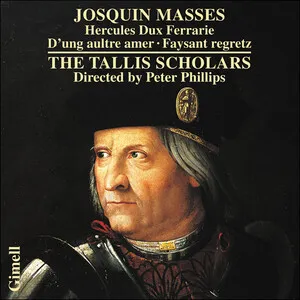
Josquin Masses: Hercules dux Ferrarie; D'ung aultre amer; Faysant regretz
Josquin des Prés / The Tallis Scholars / Peter Phillips
Franco-Flemish School
Classical
Renaissance
1991
2
/5
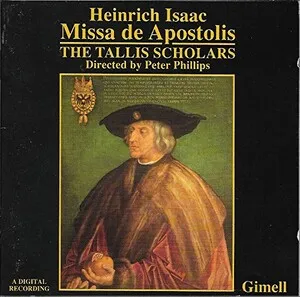
Missa de Apostolis
Heinrich Isaac / The Tallis Scholars / Peter Phillips
Motet
Renaissance
1989
2
/5
L'homme armé Masses
[anonymous] / Josquin des Prés
Ambrosian Chant
Plainchant
Medieval Classical Music
1987
2
/5
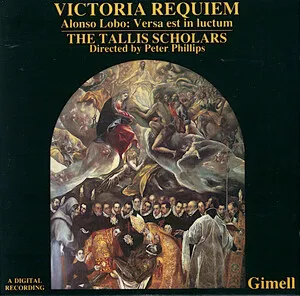
Requiem / Versa est in luctum
Tomás Luis de Victoria / Alonso Lobo
Polyphonic Chant
Renaissance
Requiem
1986
1
/5
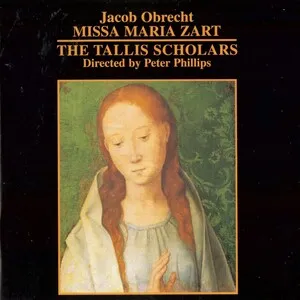
Missa Maria zart
Jacob Obrecht / The Tallis Scholars / Peter Phillips
Franco-Flemish School
1986
2
/5
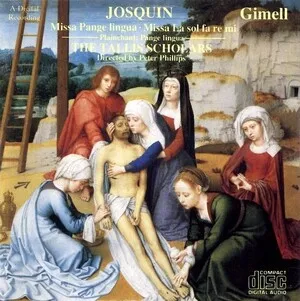
Missa Pange lingua; Missa La sol fa re mi
Josquin des Prés / The Tallis Scholars / Peter Phillips
Renaissance
Mass
Choral
1985
2
/5
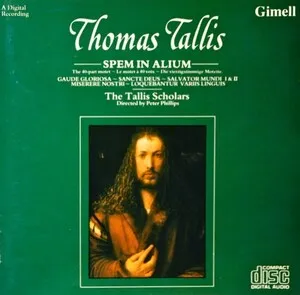
Spem in alium
Thomas Tallis / The Tallis Scholars / Peter Phillips
Motet
Renaissance
Polyphonic Chant
1984
1
/5
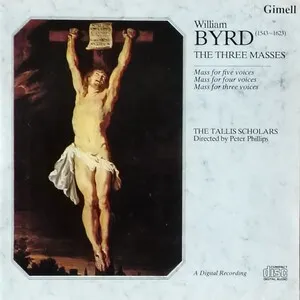
The Three Masses: Mass for Five Voices; Mass for Four Voices; Mass for Three Voices
William Byrd / The Tallis Scholars / Peter Phillips
Renaissance
Mass
1980
3
/5
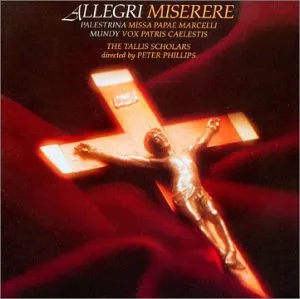
Miserere / Missa Papae Marcelli / Vox Patris caelestis
Gregorio Allegri / The Tallis Scholars / Peter Phillips
Polyphonic Chant
Renaissance
Mass
Sarum Chant
The Tallis Scholars
Sarum Chant
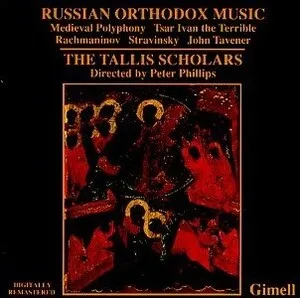
Russian Orthodox Music
The Tallis Scholars
Russian Orthodox Liturgical Music
Similar artists
3
/5
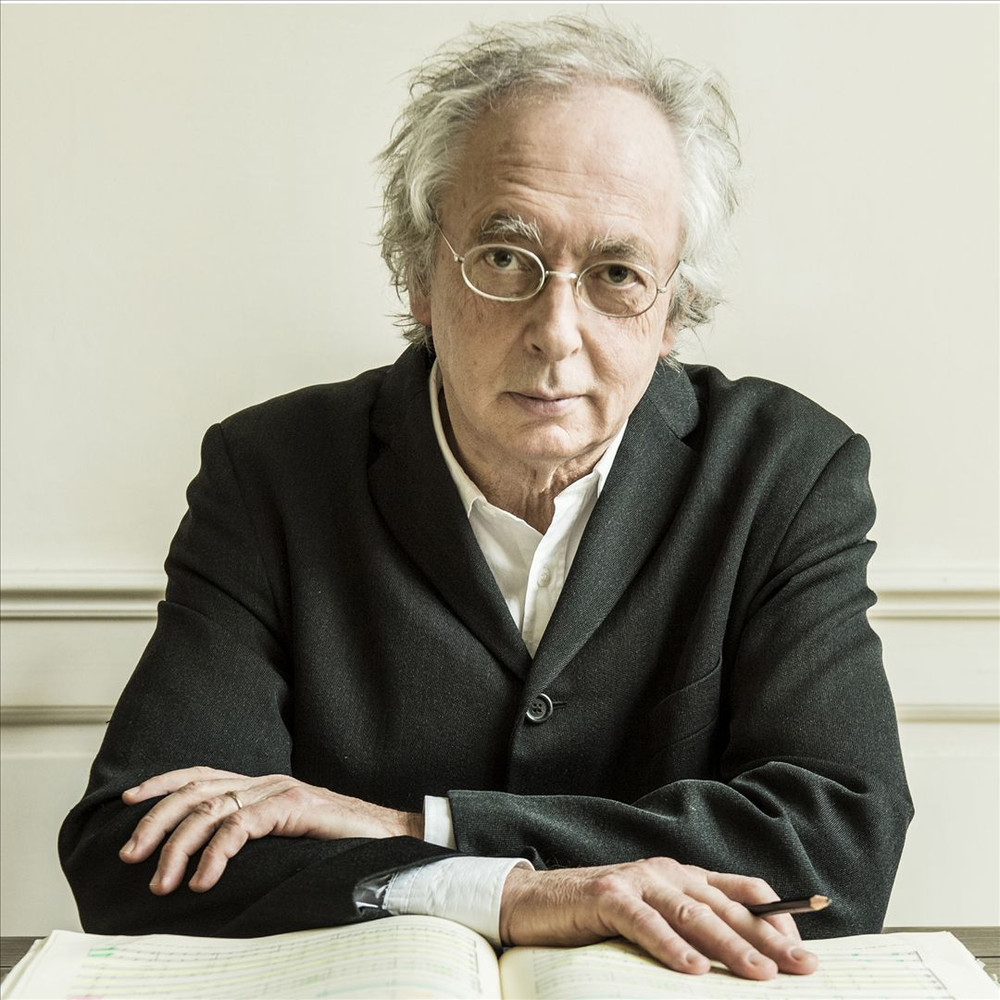
Philippe Herreweghe
Classical
Baroque
Choral
3
/5
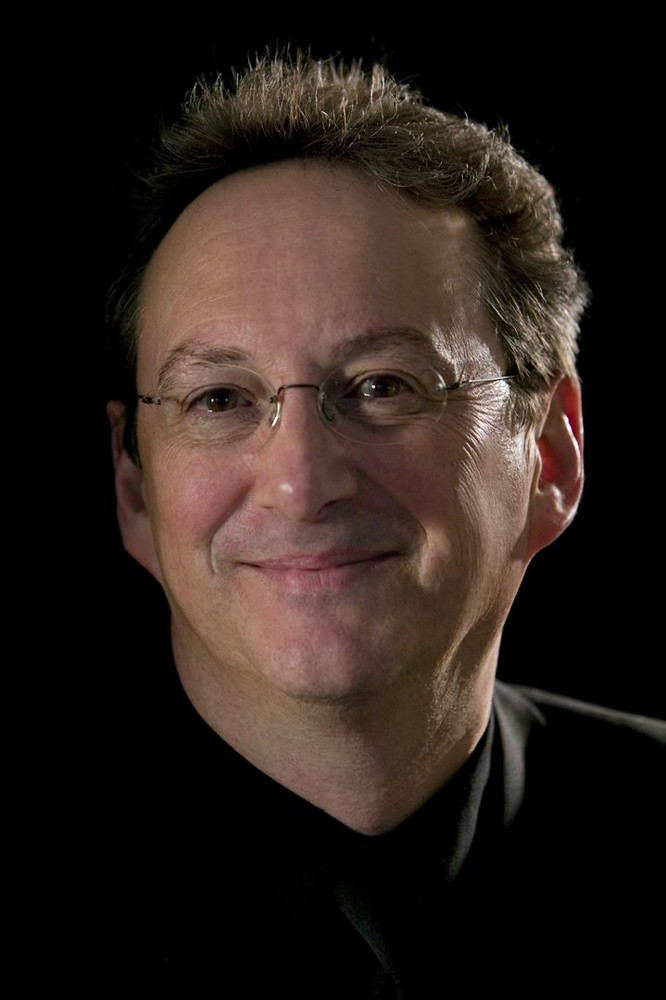
Peter Phillips
Choral
Renaissance
Requiem
2
/5
Paul Van Nevel
Renaissance
Choral
Franco-Flemish School
2
/5
Huelgas Ensemble
Renaissance
Choral
Franco-Flemish School
3
/5
Collegium Vocale Gent
Classical
Baroque
Cantata
2
/5
David Hill
Requiem
Choral
Classical
3
/5
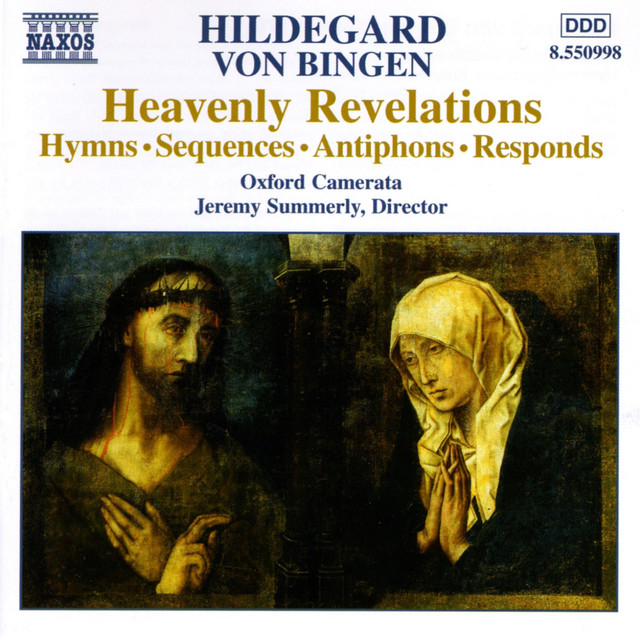
Oxford Camerata
Gregorian Chant
Medieval
Classical
1
/5
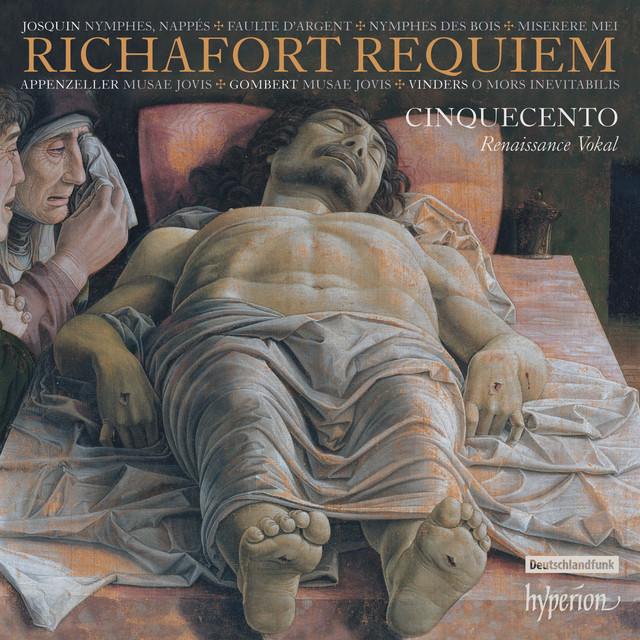
Jean Richafort
Requiem
Choral
Classical
4
/5
Wolfgang Amadeus Mozart
Classical
Requiem
Classical Period
2
/5
Otto Klemperer
Choral
Classical
Opera
Download our mobile app
Get the Melodigging app and start digging for new genres on the go
Download on the App Store
Get it on Google Play
© 2026 Melodigging
Give feedback
Legal
Melodding was created as a tribute to
Every Noise at Once
, which inspired us to help curious minds keep digging into music's ever-evolving genres.