
Genres
Artists
Albums
Make Music
Sign in
Sign in
Artists
Classical
Artists
Classical
Wolfgang Amadeus Mozart
1953–2025
·
91 albums
Listen
4
/5
Genres
Pet Calming
Pet calming is a functional micro‑genre designed to reduce stress and arousal in companion animals—primarily dogs and cats—during triggering situations such as owner absence, fireworks, vet visits, thunderstorms, or travel. Musically it favors very slow tempos, sparse arrangements, soft timbres (piano, pads, gentle strings, warm guitars), long sustains, smooth envelopes, and stable, consonant harmonies. Dynamics are kept narrow and transients are tamed to avoid startle responses. Many releases add gentle environmental ambiences (rain, ocean, rustling leaves) or unobtrusive pink/white‑noise beds to mask external sounds. Structures are highly repetitive with gradual variation so the soundscape feels predictable and safe. While aimed at non‑human listeners, the genre is informed by animal‑behavior findings (e.g., predictable low‑arousal sound reduces stress) and by human relaxation idioms (ambient, new age, lullaby). It is commonly delivered as long‑form, streaming‑friendly content that owners can loop for hours.
Discover
Listen
Operetta
Operetta is a light, theatrical form of musical drama that blends spoken dialogue with tuneful, dance-inflected numbers and comic plots. It favors memorable melodies, witty wordplay, and a buoyant orchestral palette over the heavy dramatic weight of grand opera. Emerging in mid-19th-century Paris and quickly flourishing in Vienna and beyond, operetta draws on popular dance rhythms (especially the waltz and march), satirical or romantic storylines, and clear, lyrical vocal writing. It serves as a bridge between opera and modern musical theatre, balancing classical technique with popular appeal.
Discover
Listen
Musical Theatre And Entertainment
Musical theatre and entertainment is an umbrella term for stage works that combine spoken drama with song, dance, comedy, and popular spectacle. It spans a range of formats—revue, vaudeville/variety, music hall, operetta, zarzuela, cabaret, and, later, the modern musical—that were designed first and foremost to delight broad public audiences. In theatre studies it is often treated as one of the four classical branches of the theater (alongside spoken drama, opera, and dance/ballet). Historically, it crystallized in Europe and the United States during the 19th century and flourished into the mid‑20th century, evolving in dialogue with popular music, dance fashions, and new technologies (from gas and electric lighting to film and radio).
Discover
Listen
Sinfonia Concertante
Sinfonia concertante is a Classical-era hybrid that blends the symphony’s multi-movement, orchestral scale with the concerto’s virtuosic spotlighting of soloists—typically two to four players. It favors elegant, balanced phrasing, clear textures, and lively dialogue between multiple solo instruments and the orchestra, often in a fast–slow–fast three-movement plan. Popularized in Paris and associated with the galant style, it became a showcase for wind instruments as well as string pairings (famously violin and viola).
Discover
Listen
Singspiel
Singspiel is a German-language musical stage genre that alternates spoken dialogue with musical numbers such as arias, ensembles, choruses, and finales. Unlike through‑composed opera, the plot advances through spoken scenes, which makes the style theatrically agile and accessible to broad audiences. Musically, Singspiel blends tuneful, folk‑like melodies and clear Classical‑era harmonies with theatrical flair. Subjects range from domestic comedy to adventure, exoticism, and magic (Zauberoper), and the tone can move from light and humorous to noble and sentimental. It flourished in public theaters across German lands and Austria, where it became closely identified with Viennese stages in the late 18th century.
Discover
Listen
Classical Period
The Classical period in Western art music (c. 1750–1820) is defined by clarity of form, balance of phrase, and transparent textures. Composers favored singable melodies, symmetrical four- and eight-bar phrases, and functional harmony that modulates to closely related keys. Hallmark forms such as the symphony, string quartet, sonata, and classical concerto were standardized, often using sonata form, theme-and-variations, minuet and trio, and rondo designs. Orchestras expanded beyond strings to include standardized pairs of woodwinds and horns, with trumpets and timpani for ceremonial weight, while the fortepiano gradually replaced the harpsichord. The style pivoted away from the dense counterpoint of the late Baroque toward a more galant, conversational musical rhetoric. It culminated in the Viennese masters—Haydn, Mozart, and the early Beethoven—whose works crystallized the era’s ideals and prepared the way for Romanticism.
Discover
Listen
Symphony
A symphony is a large-scale composition for orchestra, typically cast in multiple movements that contrast in tempo, key, and character. In the Classical era, the most common layout was four movements: a fast opening movement (often in sonata form), a slow movement, a dance-like movement (minuet or later scherzo), and a fast finale. Over time, the symphony evolved from compact works of the mid-18th century into expansive, architecturally ambitious statements in the 19th and 20th centuries. Composers increasingly treated the symphony as a vehicle for thematic development, cyclical unity, and dramatic narrative—sometimes programmatic, sometimes abstract—using the full coloristic range of the modern orchestra. While rooted in Classical balance and clarity, symphonies incorporate a wide spectrum of harmonic languages and orchestral techniques. From Haydn’s wit and structural innovation to Beethoven’s heroic scope, Mahler’s cosmic breadth, and Shostakovich’s modern intensity, the symphony has remained a central pillar of Western concert music.
Discover
Listen
Opera Buffa
Opera buffa is an Italian comic opera tradition that crystallized in the early 18th century as a lively, vernacular counterpart to opera seria. It features everyday characters, social satire, rapid-fire patter singing (especially for the basso buffo), and bustling ensemble finales that drive the drama forward. Musically it favors clear, galant-era melody, diatonic harmony, recitativo secco with continuo in earlier works, and increasingly sophisticated multi-voice ensembles. Plotlines draw on commedia dell’arte archetypes and revolve around mistaken identities, class tensions, and witty intrigues, presented in the Italian language with crisp, syllabic text setting.
Discover
Listen
Opera Seria
Opera seria is the 18th‑century Italian "serious" opera that crystallized around noble, moralizing stories drawn from Classical mythology and ancient history. It privileges elevated rhetoric, clear affects, and vocal virtuosity, especially through the da capo (ABA') aria, where singers ornament the return to display technical brilliance and expressive nuance. Typically organized in three acts, opera seria alternates recitatives (secco with continuo for dialogue; accompagnato with orchestra for heightened drama) and solo arias. Ensemble numbers and choruses are rare, and the dramatic flow is shaped by the famous "exit aria" convention, where characters leave the stage after an aria. The style reached canonical form via Metastasian libretti and dominated courts and major opera houses across Naples, Rome, Venice, Vienna, and London.
Discover
Listen
Serenade
A serenade is a classical-period genre that originally denoted evening music performed outdoors, often offered to honor or woo someone. By the mid–late 18th century, it evolved into a multi-movement instrumental work closely related to the divertimento and cassation, typically lighter in character than a symphony and intended for social occasions. Serenades are tuneful, gracious, and often scored for small orchestra, wind ensemble, or strings, with movement types such as marches, minuets, and lyrical slow movements. Famous examples include Mozart’s Eine kleine Nachtmusik and the string serenades of Dvořák and Tchaikovsky.
Discover
Listen
Classical Piano
Classical piano is the tradition of composing and performing music for the acoustic piano within the Western classical lineage. It emphasizes formal clarity, tonal harmony, contrapuntal writing, and expressive nuance across the full compass of the instrument. Its core repertoire ranges from Classical-era sonatas and variations to Romantic character pieces, études, dances, and 20th-century impressionistic and modernist works. Pianists exploit dynamics, articulation, pedaling, and touch to shape phrases, imitate orchestral textures, and project both intimate lyricism and large-scale drama.
Discover
Listen
Concerto
A concerto is a large-scale composition that sets one or more solo instruments in dynamic dialogue with an orchestra. Its core idea is contrast—between soloist and tutti—and the dramatic negotiation of power, color, and thematic responsibility. While Baroque concertos often relied on ritornello form, the Classical era standardized a three-movement plan (fast–slow–fast) with sonata principles in the opening movement. The Romantic period emphasized virtuosity and expressive foregrounding of the soloist, and the 20th–21st centuries broadened the palette with new instruments, harmonies, and formats. Across eras, the concerto remains a showcase for instrumental character, technical brilliance, and the art of orchestral conversation.
Discover
Listen
Divertissement
Divertissement is a French Baroque theatrical-music genre denoting a self-contained sequence of light, spectacular numbers—dances, choruses, instrumental interludes, and short vocal airs—inserted within larger stage works. It emerged at the court of Louis XIV and was codified in French tragédie en musique and comédie-ballet, where it often furnished the act endings or festive scenes, emphasizing spectacle, dance rhythms, and clear, elegant vocal writing. Stylistically, divertissements draw on court dance types (minuet, gavotte, bourrée, chaconne, passacaille), five-part French string writing, woodwinds (oboes, bassoons), and continuo, with characteristic French agréments (ornaments) and notes inégales. The mood is celebratory, pastoral, or allegorical rather than dramatically conflicted.
Discover
Listen
Chamber Music
Chamber music is a tradition of composed music for small ensembles—typically one player per part—intended for intimate spaces such as courts, salons, and private rooms rather than large public halls. Its aesthetic emphasizes clarity of texture, conversational interplay among parts, and balance without a conductor. Hallmark formations include the string quartet, piano trio, wind quintet, string quintet, and various mixed ensembles. Multi‑movement cycles (often in sonata form) and finely wrought counterpoint are common, ranging from Baroque trio sonatas to Classical string quartets and modern works with expanded timbres and techniques. Because of its scale and transparency, chamber music has long been a proving ground for compositional craft and ensemble musicianship, shaping the core of Western art music from the Baroque through the present.
Discover
Listen
Italian Music
Italian music is the broad musical tradition and industry of Italy, spanning art, folk, sacred, and popular idioms. It is globally renowned for birthing opera, shaping instrumental forms such as the concerto and sonata, and cultivating a lyrical, melody‑forward aesthetic known through bel canto and the canzone tradition. From medieval chant and Renaissance polyphony to Baroque virtuosity and Romantic opera, Italian music has repeatedly defined international taste. In the 20th century it evolved through film scoring, singer‑songwriters (cantautori), and dance genres like Italo‑disco and Italo house, while regional folk styles (e.g., tarantella, Neapolitan song) remain central to its identity.
Discover
Listen
Orchestral
Orchestral music refers to compositions written for an orchestra—a large ensemble typically built around a string section (violins, violas, cellos, double basses), complemented by woodwinds, brass, percussion, and often harp, keyboard, or other auxiliary instruments. A conductor coordinates the ensemble, shaping balance, phrasing, and expression. The style emphasizes coloristic timbre combinations, dynamic range from the softest pianissimo to explosive tuttis, and textures that can shift seamlessly between transparent chamber-like writing and monumental masses of sound. Orchestral writing underpins concert genres such as symphonies, overtures, and tone poems, as well as opera, ballet, and modern film and game scores. While orchestral writing evolved across centuries, its core craft centers on melody, counterpoint, harmony, register, and orchestration—the art of assigning musical ideas to instruments to achieve clarity, contrast, and narrative impact.
Discover
Listen
Opera
Opera is a large-scale theatrical genre that combines music, drama, and visual spectacle, in which the story is primarily conveyed through singing accompanied by an orchestra. It unites solo voices, ensembles, and chorus with staging, costumes, and often dance to create a total artwork. Emerging in late Renaissance Italy and flourishing in the Baroque era, opera developed signature forms such as recitative (speech-like singing that advances the plot) and aria (lyrical numbers that explore character and emotion). Over the centuries it evolved diverse national styles—Italian bel canto, French grand opéra, German music drama—while continually experimenting with orchestration, harmony, narrative structure, and stagecraft.
Discover
Listen
Fantasia
Fantasia (or fantasy/fantasie) is a classical composition type defined by an improvisatory character, flexible form, and the free development of one or more motives. Unlike strict dance forms or fugues, a fantasia typically privileges invention, dramatic contrast, and rhapsodic flow over predetermined structures. Emerging in the Renaissance with vihuela, lute, viol consort, and keyboard repertories, the fantasia evolved through the Baroque (notably on harpsichord and organ) and was later adopted by Classical and Romantic composers for piano and orchestra. Across eras, common threads include sectional design, sudden textural changes, imitative counterpoint, and exploration of harmony from modal to chromatic languages.
Discover
Listen
Requiem
A requiem is a musical setting of the Roman Catholic Mass for the Dead (Missa pro defunctis). Historically rooted in Latin liturgy, it sets movements such as the Introit, Kyrie, (historically) the Sequence Dies irae, Offertory, Sanctus, Agnus Dei, and Communion, and often includes additional responsories like Libera me and In paradisum. While the earliest requiems were monophonic chants, the genre became a showcase for polyphonic and later symphonic choral writing. Renaissance composers wrote austere, modal settings; Classical and Romantic composers expanded the forces and dramatic scope; and 20th–21st century composers reimagined the form with new languages, from neo-modal and impressionistic harmonies to avant‑garde sonorities. Today, requiems appear both in liturgy and as concert works, symbolizing collective mourning, remembrance, and spiritual reflection.
Discover
Listen
Mass
Mass is a large-scale vocal genre that sets the Ordinary of the Roman Catholic liturgy—Kyrie, Gloria, Credo, Sanctus (and Benedictus), and Agnus Dei—most often in Latin. It began as monophonic chant but developed into sophisticated polyphony and later into concert works for choir, soloists, and instruments or full orchestra. Across history, composers have used techniques such as cantus firmus, imitation, paraphrase, and parody to unify movements. The genre spans from austere a cappella writing to monumental symphonic-choral statements, and today is performed both liturgically and in the concert hall. Common subtypes include Missa brevis (short Mass, often omitting the Credo or compact in scale) and Missa solemnis (festal, expansive forces and duration).
Discover
Listen
Classical
Classical music is the notated art-music tradition of Europe and its global descendants, characterized by durable forms, carefully codified harmony and counterpoint, and a literate score-based practice. The term “classical” can refer broadly to the entire Western art-music lineage from the Medieval era to today, not just the Classical period (c. 1750s–1820s). It privileges long-form structures (such as symphonies, sonatas, concertos, masses, and operas), functional or modal harmony, thematic development, and timbral nuance across ensembles ranging from solo instruments to full orchestras and choirs. Across centuries, the style evolved from chant and modal polyphony to tonal harmony, and later to post-tonal idioms, while maintaining a shared emphasis on written notation, performance practice, and craft.
Discover
Listen
European Music
“European music” is a broad umbrella covering the historical and regional practices that developed across the European continent, from medieval sacred chant and courtly song to folk traditions, art (classical) music, and later popular and electronic styles. Common threads include the codification of staff notation, the development of modal and later tonal harmony, the use of structured forms (e.g., mass, motet, madrigal; sonata, symphony, opera; verse–chorus song), and a rich palette of instruments culminating in the modern orchestra and various regional folk ensembles. While extremely diverse from region to region, European music is marked by a continuous dialogue between sacred and secular practices, learned written traditions and oral folk idioms, and later between art music and mass-market popular genres.
Discover
Listen
Western Classical
Western classical is the notated art-music tradition that developed in Europe from medieval Christian chant into the large-scale secular and sacred forms of the Baroque, Classical, Romantic, and modern eras. It is characterized by staff notation, evolving systems of modality and tonality, and forms such as symphony, sonata, concerto, mass, opera, and chamber music. Across its history, Western classical established an extensive theory of harmony and counterpoint, refined orchestration across strings, winds, brass, and percussion, and cultivated performance practices from a cappella chant to full symphonic and operatic forces. Its repertoire, pedagogy, and institutions (conservatories, orchestras, opera houses) made it a global reference point for compositional craft and instrumental technique.
Discover
Listen
Choral
Choral refers to music written for and performed by a choir—an ensemble of voices organized into sections such as soprano, alto, tenor, and bass (SATB), or same-voice groupings (SSA, TTBB). It encompasses both sacred and secular repertoire and may be sung a cappella or with accompaniment by organ, piano, or full orchestra. Stylistically, choral music ranges from chant-like monophony to intricate polyphony and rich homophonic textures. Texts are drawn from liturgy, scripture, poetry, and vernacular sources, and are set in many languages. Performance contexts include church services, concert halls, and community events, making choral one of the most socially embedded and widely practiced forms of ensemble music. Across history, choral music has served as a laboratory for vocal counterpoint, word painting, and text-driven form, while functioning as a cultural bridge among religious rites, national traditions, and contemporary concert practice.
Discover
Listen
Show all 24 genres
Albums
2025
1
/5
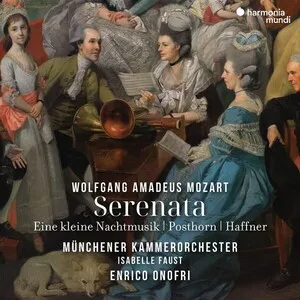
Serenata: Eine kleine Nachtmusik; Posthorn; Haffner
Wolfgang Amadeus Mozart
Serenade
Classical
2021
1
/5
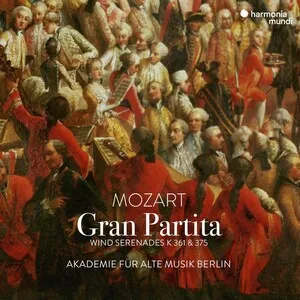
Gran Partita: Wind Serenades K. 361 & 375
Wolfgang Amadeus Mozart / Akademie für Alte Musik Berlin
Serenade
Classical
2020
1
/5
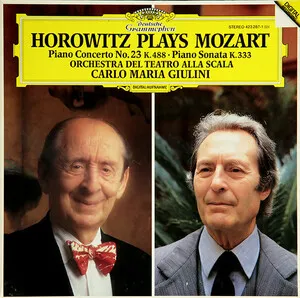
Horowitz Plays Mozart
Wolfgang Amadeus Mozart
Classical Period
2020
2
/5
Work From Home With Mozart
András Schiff
Hungarian Classical Performance
2019
2
/5
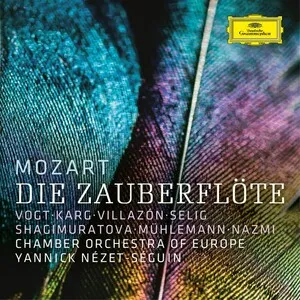
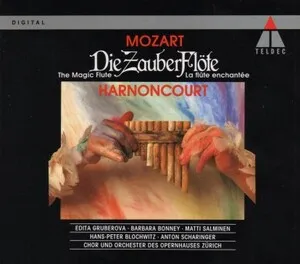
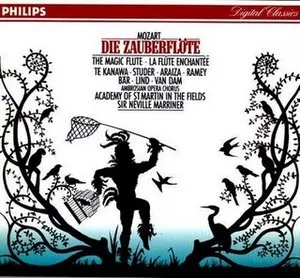
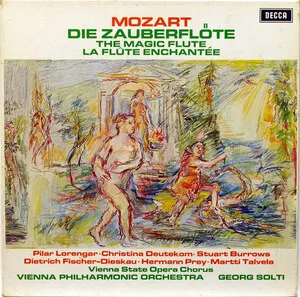
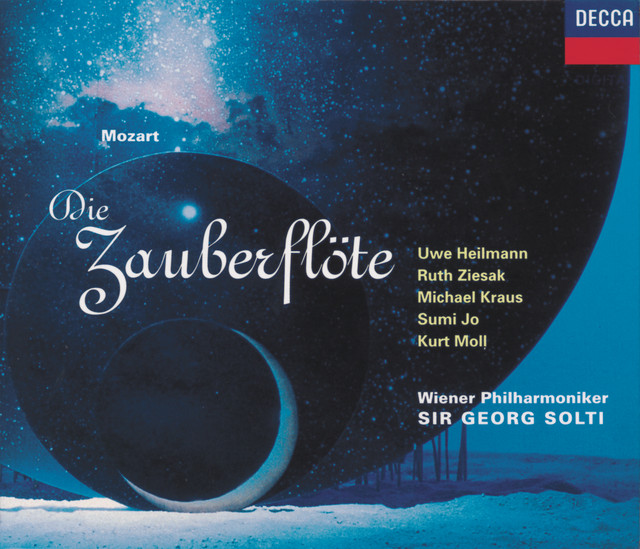
Die Zauberflöte
Wolfgang Amadeus Mozart
Singspiel
2015
1
/5
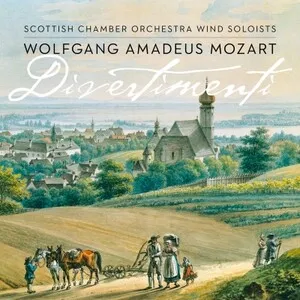
Divertimenti
Wolfgang Amadeus Mozart / Scottish Chamber Orchestra Wind Soloists
Divertissement
2014
2
/5
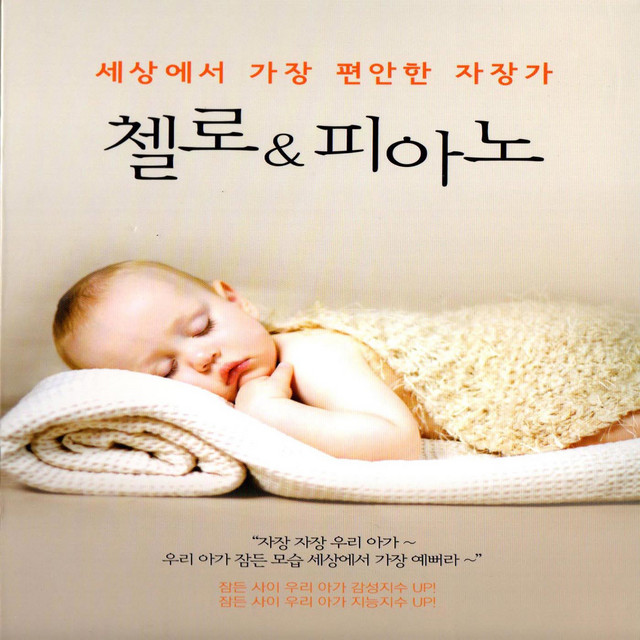
Lullaby of the most comfortable in the world Cello & Piano
Wolfgang Amadeus Mozart
Chamber Music
2012
1
/5
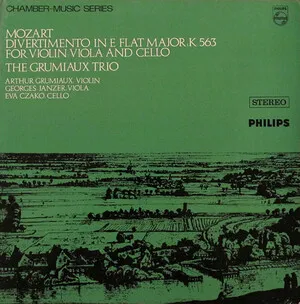
Divertimento in E flat major, K 563 for Violin, Viola and Cello
Wolfgang Amadeus Mozart / Grumiaux Trio
Divertissement
2010
1
/5
Die Zauberflöte
Wolfgang Amadeus Mozart
Singspiel
2010
3
/5
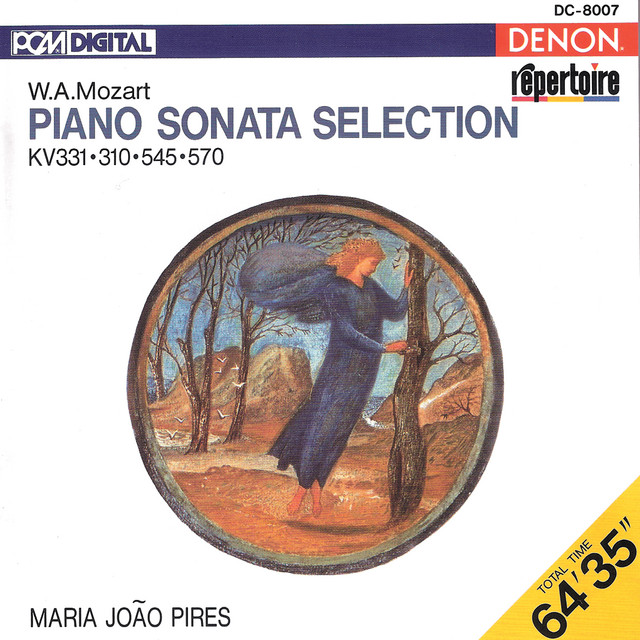
Mozart: Piano Sonata Selection
Maria João Pires
Classical Performance
Chamber Music
2009
2
/5
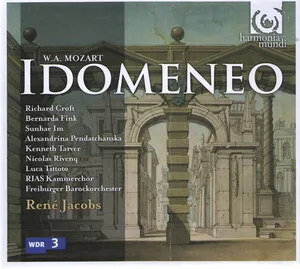
Idomeneo
Wolfgang Amadeus Mozart
Opera Seria
2008
1
/5
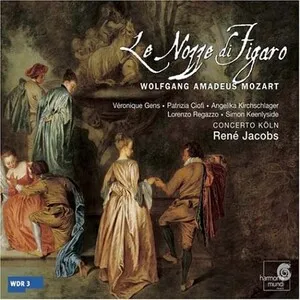
Le nozze di Figaro
Wolfgang Amadeus Mozart
Opera Buffa
2008
2
/5
Symphonies 38-41
Wolfgang Amadeus Mozart / Scottish Chamber Orchestra / Sir Charles Mackerras
Classical Period
Classical
Symphony
2007
2
/5
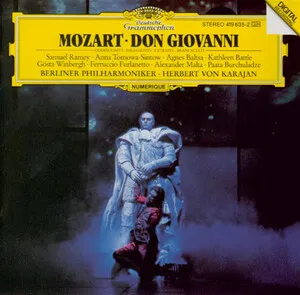
Don Giovanni
Wolfgang Amadeus Mozart
Opera Buffa
2006
1
/5
Klaviersonaten KV 331 & 310; Fantasien KV 397 & 475
Wolfgang Amadeus Mozart / Wilhelm Kempff
Fantasia
2005
1
/5
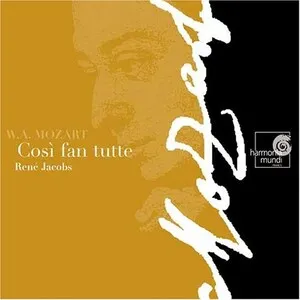
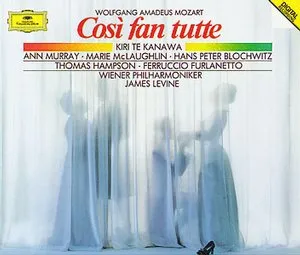
Così fan tutte
Wolfgang Amadeus Mozart
Opera Buffa
2005
1
/5
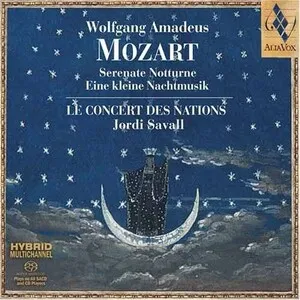
Serenate notturne; Eine kleine Nachtmusik
Wolfgang Amadeus Mozart / Le Concert des Nations / Jordi Savall
Serenade
2004
1
/5
Le nozze di Figaro
Wolfgang Amadeus Mozart
Opera Buffa
Classical
Opera
2003
1
/5
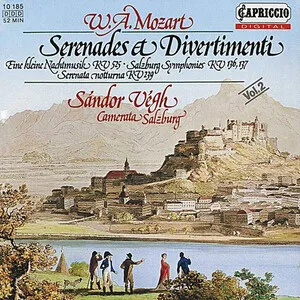
Serenades & Divertimenti Vol. 2
Wolfgang Amadeus Mozart / Camerata Salzburg / Sándor Végh
Divertissement
2000
1
/5
Die Zauberflöte
Wolfgang Amadeus Mozart
Singspiel
Musical Theatre And Entertainment
2000
1
/5
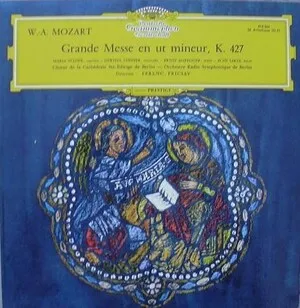
Grande messe en ut mineur, K. 427
Wolfgang Amadeus Mozart
Mass
Classical Period
Classical
1999
1
/5
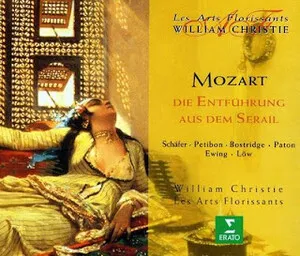
Die Entführung aus dem Serail
Wolfgang Amadeus Mozart
Singspiel
Classical
Opera
1999
2
/5
Così fan tutte
Wolfgang Amadeus Mozart
Opera Buffa
Classical
Opera
1998
1
/5
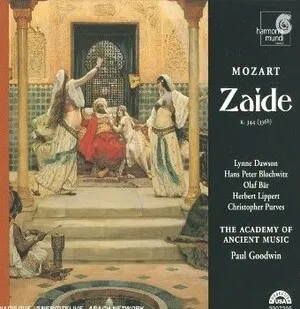
Zaide
Wolfgang Amadeus Mozart
Singspiel
1997
2
/5
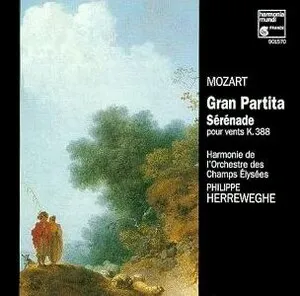
Gran partita; Sérénade pour vents K.388
Wolfgang Amadeus Mozart / L' Orchestre des Champs-Élysées / Philippe Herreweghe
Serenade
Classical
Classical Period
1995
2
/5
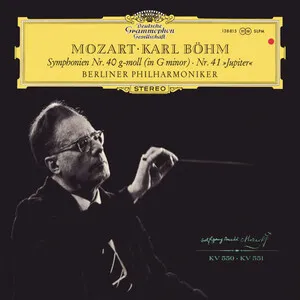
Symphonien Nr. 40 g-Moll; Nr. 41 »Jupiter«
Wolfgang Amadeus Mozart / Berliner Philharmoniker / Karl Böhm
Classical Period
Symphony
European Music
1994
1
/5
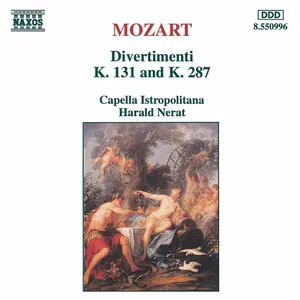
Divertimenti K. 131 and K. 287
Wolfgang Amadeus Mozart / Capella Istropolitana / Harald Nerat
Divertissement
Classical
Orchestral
1994
1
/5
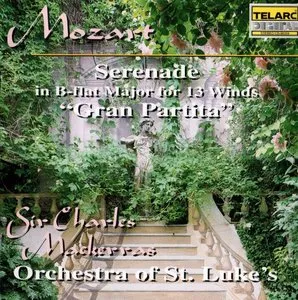
Serenade in B-flat major for 13 Winds "Gran Partita"
Wolfgang Amadeus Mozart / Orchestra of St. Luke's / Charles Mackerras
Serenade
Classical
1994
1
/5
Mozart Portraits
Wolfgang Amadeus Mozart
Opera Buffa
1993
1
/5
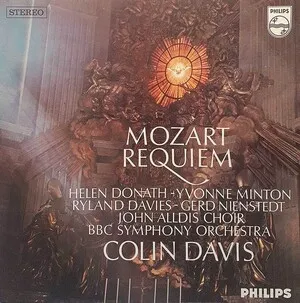
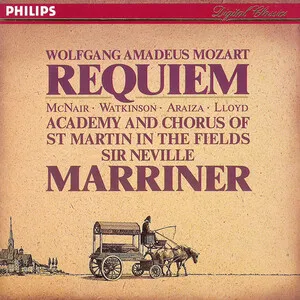
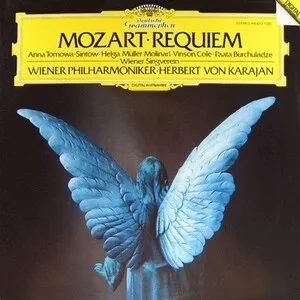
Requiem
Wolfgang Amadeus Mozart / Franz Xaver Süssmayr
Requiem
Mass
Choral
1992
1
/5
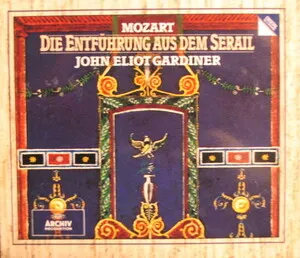
Die Entführung aus dem Serail
Wolfgang Amadeus Mozart / John Eliot Gardiner
Singspiel
1991
1
/5
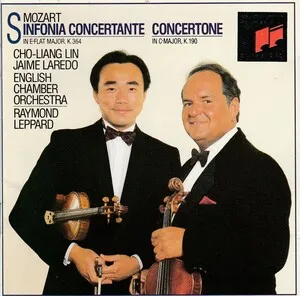
Sinfonia concertante in E-flat major, K.364; Concertone in C major, K.190
Wolfgang Amadeus Mozart
Sinfonia Concertante
1991
1
/5
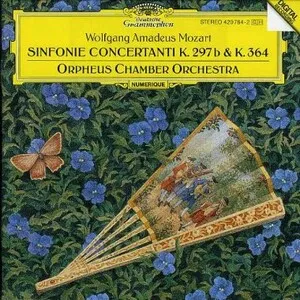
Sinfonie concertanti K. 297b & K. 364
Wolfgang Amadeus Mozart / Orpheus Chamber Orchestra
Sinfonia Concertante
1991
1
/5
Die Zauberflöte
Wolfgang Amadeus Mozart
Singspiel
1991
2
/5
Requiem
Wolfgang Amadeus Mozart / Franz Xaver Süssmayr
Requiem
Mass
Choral
1990
2
/5
Die Zauberflöte
Wolfgang Amadeus Mozart
Singspiel
1990
2
/5
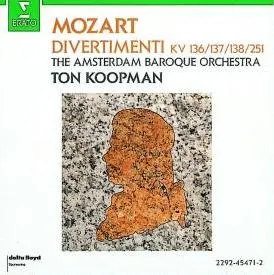
Divertimenti: KV 136/137/138/251
Wolfgang Amadeus Mozart / Amsterdam Baroque Orchestra / Ton Koopman
Divertissement
Chamber Music
Classical
1989
1
/5
Concerto for Flute & Harp, K.299; Sinfonia concertante K.297b
Wolfgang Amadeus Mozart
Sinfonia Concertante
1989
1
/5
Così fan tutte
Wolfgang Amadeus Mozart
Opera Buffa
1988
2
/5
Serenata nocturna (Eine Kleine Nachtmusik, en sol mayor, KV 525); Divertimento N.º 15 en si bemol mayor, KV 287
Wolfgang Amadeus Mozart / Berliner Philharmoniker / Herbert von Karajan
Serenade
1987
1
/5
Haffner Serenade; Serenata notturna
Wolfgang Amadeus Mozart / Pražský komorní orchestr / Charles Mackerras
Serenade
1987
3
/5
Requiem; Kyrie KV 341
Wolfgang Amadeus Mozart / Franz Xaver Süssmayr
Requiem
1987
2
/5
Die Entführung aus dem Serail
Wolfgang Amadeus Mozart
Singspiel
1987
3
/5
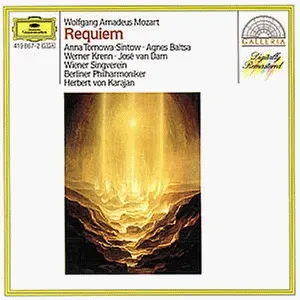
Requiem
Wolfgang Amadeus Mozart / Franz Xaver Süssmayr
Requiem
Mass
Choral
1987
2
/5
Don Giovanni (Querschnitt)
Wolfgang Amadeus Mozart
Opera Buffa
1986
2
/5
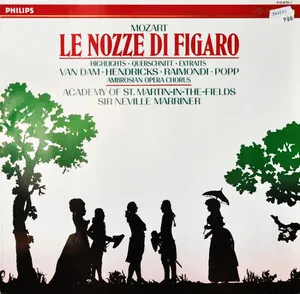
Le nozze di Figaro - Highlights
Wolfgang Amadeus Mozart / Academy of St Martin in the Fields / Neville Marriner
Opera Buffa
1985
1
/5
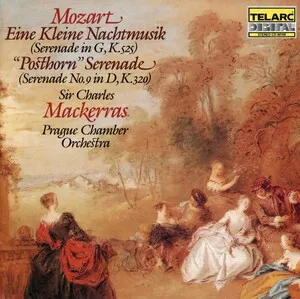
Eine kleine Nachtmusik (Serenade in G, K.525); "Posthorn" Serenade (Serenade No.9 in D, K.320)
Wolfgang Amadeus Mozart / Pražský komorní orchestr / Charles Mackerras
Serenade
1984
1
/5
Die Zauberflöte
Wolfgang Amadeus Mozart
Singspiel
1984
1
/5
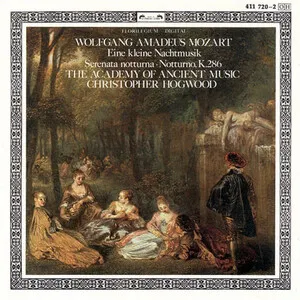
Eine kleine Nachtmusik; Serenata notturna; Notturno, K.286
Wolfgang Amadeus Mozart / Academy of Ancient Music / Christopher Hogwood
Serenade
Classical
1984
1
/5
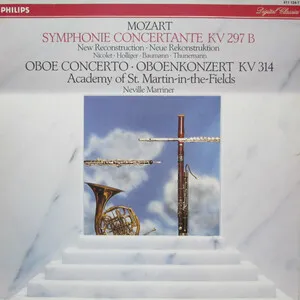
Symphonie concertante KV 297 B; Oboe Concerto KV 314
Wolfgang Amadeus Mozart
Sinfonia Concertante
1984
1
/5
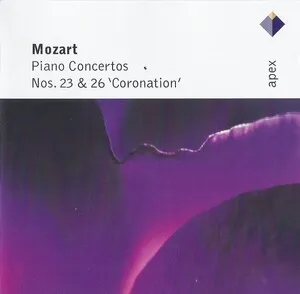
Piano Concertos Nos. 23 & 26 "Coronation"
Wolfgang Amadeus Mozart
Concerto
Classical Period
1984
2
/5
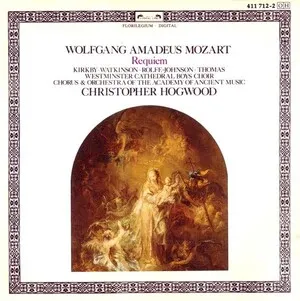
Requiem
Wolfgang Amadeus Mozart / Franz Xaver Süssmayr
Requiem
Mass
Classical Period
1983
2
/5
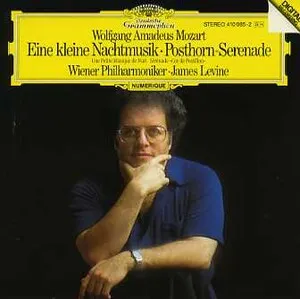
Eine kleine Nachtmusik; Posthorn-Serenade
Wolfgang Amadeus Mozart / Wiener Philharmoniker / James Levine
Serenade
1982
2
/5
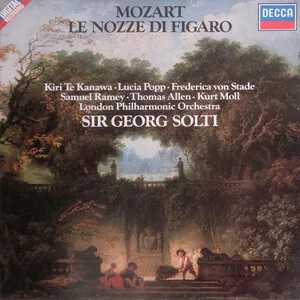
Le nozze di Figaro
Wolfgang Amadeus Mozart
Opera Buffa
1982
2
/5
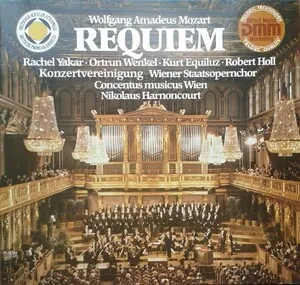
Requiem
Wolfgang Amadeus Mozart / Franz Xaver Süssmayr
Requiem
Classical
1976
2
/5
Requiem
Wolfgang Amadeus Mozart / Franz Xaver Süssmayr
Requiem
1976
2
/5
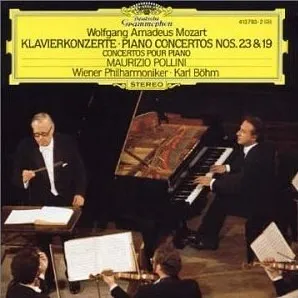
Klavierkonzerte Nos. 23 & 19
Wolfgang Amadeus Mozart
Classical Period
1975
3
/5
Klavierkonzerte Nr. 20 & 21
Wolfgang Amadeus Mozart
Concerto
Classical Period
European Music
1971
2
/5
Die Zauberflöte
Wolfgang Amadeus Mozart
Singspiel
Classical
Opera
1971
2
/5
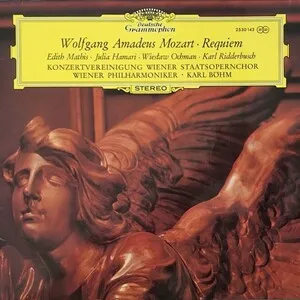
Requiem
Wolfgang Amadeus Mozart / Franz Xaver Süssmayr
Choral
Classical Period
Mass
Similar artists
4
/5
Wiener Philharmoniker
Classical
Romantic Classical
Romanticism
4
/5
Berliner Philharmoniker
Classical
Romantic Classical
Romanticism
4
/5
Herbert von Karajan
Classical
Symphonic Poem
Symphony
4
/5
Philharmonia Orchestra
Classical
Opera
Choral
3
/5
Carlo Maria Giulini
Classical
Opera
Requiem
3
/5
Karl Böhm
Classical
Classical Period
Opera
3
/5
Wiener Staatsopernchor
Classical
Requiem
Opera
2
/5
Anna Tomowa-Sintow
Requiem
Classical
Opera
4
/5
London Symphony Orchestra
Classical
Ballet
Concerto
4
/5
Claudio Abbado
Classical
Concerto
Impressionism
Download our mobile app
Get the Melodigging app and start digging for new genres on the go
Download on the App Store
Get it on Google Play
© 2026 Melodigging
Give feedback
Legal
Melodding was created as a tribute to
Every Noise at Once
, which inspired us to help curious minds keep digging into music's ever-evolving genres.