Your digging level

For this genre
0/8
🏆
Sign in, then listen to this genre to level up

Description

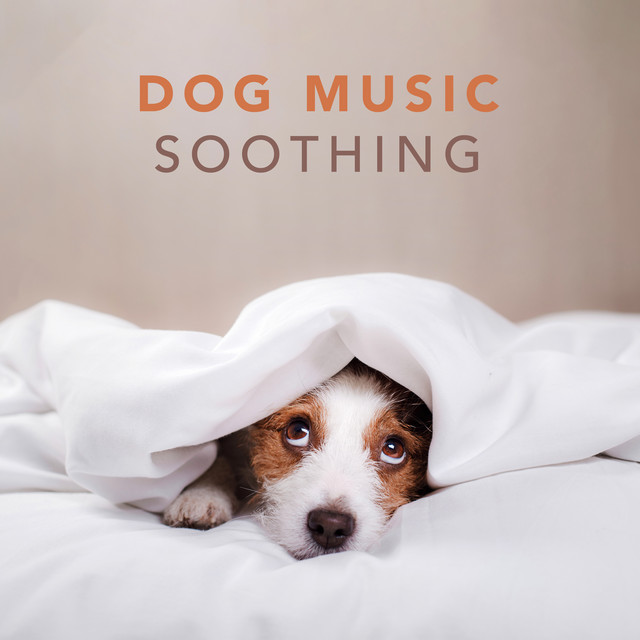
Pet calming is a functional micro‑genre designed to reduce stress and arousal in companion animals—primarily dogs and cats—during triggering situations such as owner absence, fireworks, vet visits, thunderstorms, or travel.

Musically it favors very slow tempos, sparse arrangements, soft timbres (piano, pads, gentle strings, warm guitars), long sustains, smooth envelopes, and stable, consonant harmonies. Dynamics are kept narrow and transients are tamed to avoid startle responses. Many releases add gentle environmental ambiences (rain, ocean, rustling leaves) or unobtrusive pink/white‑noise beds to mask external sounds. Structures are highly repetitive with gradual variation so the soundscape feels predictable and safe.

While aimed at non‑human listeners, the genre is informed by animal‑behavior findings (e.g., predictable low‑arousal sound reduces stress) and by human relaxation idioms (ambient, new age, lullaby). It is commonly delivered as long‑form, streaming‑friendly content that owners can loop for hours.


Sources: Spotify, Wikipedia, Discogs, Rate Your Music, MusicBrainz, and other online sources

History

Early roots (2000s)

Work at the intersection of psychoacoustics and animal behavior in the late 2000s suggested that stable, simplified classical selections and predictable sonic environments could calm shelter dogs. Projects such as Through a Dog’s Ear (pianist Lisa Spector with producer Joshua Leeds, 2008) and products from Pet Acoustics (Janet Marlow) translated those insights into recordings and purpose‑built playback devices used by owners and shelters.

Streaming era and recognition (2010s)

The explosion of YouTube and DSPs in the 2010s turned pet calming into a recognizable micro‑industry. Always‑on channels and playlists offered hours‑long loops of gentle piano, ambient pads, and nature beds optimized for household speakers. In parallel, journalist‑covered projects like composer David Teie’s Music for Cats (2015) popularized the idea of species‑tailored sound—further normalizing the concept of music for non‑human listeners.

Shelter and academic observations (e.g., reduced stress behaviors with soft rock/reggae or slow, predictable music) informed repertoire and pacing, while platform algorithms incentivized ultra‑stable, minimally distracting textures that pets could ignore rather than “attend” to.

Consolidation and mass adoption (2020s)

Pandemic‑era pet adoptions and a rise in separation anxiety created new everyday use‑cases (work‑from‑home masking, post‑lockdown absences). DSPs launched pet‑themed hubs and playlist generators, and production libraries began offering “pet‑safe” bundles. Today, pet calming spans artisanal psychoacoustic albums, long‑form ambient streams, and algorithmically generated catalogs—unified by gentle timbre, slow tempo, and low variability.

How to make a track in this genre

Core sound design
•   Use slow, steady tempos (typically 55–80 BPM) and simple, repetitive rhythm patterns. Avoid sharp syncopations or sudden starts/stops that can startle. •   Favor soft, sustained timbres: felted or low‑velocity piano, warm pads/strings, nylon‑string or softly picked electric guitar with slow attacks, subdued drones, and gentle sub‑bass beds. •   Keep dynamics tight and transients smooth. Employ gentle compression, longer ADSR/volume envelopes, and avoid hard percussive hits. No sudden crescendos or stingers. •   Shape spectra to reduce harshness. Roll off brittle highs (>12–14 kHz) and tame 2–5 kHz where many speakers sound edgy. Keep a warm low‑mid foundation (150–400 Hz) without boom.
Harmony, melody, and form
•   Use consonant, diatonic harmony (I–IV–V, I–ii–IV progressions), long pads, and very slow chord changes (8–32 bars per change). Avoid rapid modulations or tense clusters. •   Keep melodies narrow in range, stepwise, and sparse—meant to be ignored rather than followed. Silence is useful; think of space as part of the texture. •   Build long sections (10–30 minutes) with tiny, gradual variations. Crossfade sections seamlessly so the listener (pet) never perceives a hard boundary.
Ambience and masking
•   Layer soft environmental beds (distant rain, ocean hush, gentle wind) or pink/white noise at low level to mask sporadic household sounds (doors, traffic, neighbors). Avoid samples of doorbells, meows, barks, or alarms—these can trigger arousal. •   Target playback loudness around a comfortable household level; mix around −20 to −16 LUFS integrated for streaming, and avoid wide momentary spikes.
Species‑aware tweaks (optional)
•   Dogs: emphasize slow, predictable pacing and mid‑band warmth; keep startle risk minimal. Very low AM tremolo (e.g., 1–3 Hz) can mimic soothing physiological rhythms. •   Cats: gentle, higher‑pitched soft leads and fast but quiet tremolo textures can be engaging without agitation; still prioritize smooth envelopes and stability.
Production checklist
•   No spoken word, door knocks, pet sounds, or sudden FX. •   Calibrate for small speakers: test on a phone and a smart speaker at low volume. •   Deliver long uninterrupted versions (1–3 hours) plus short loops owners can stack.

Note: Pet‑calming music is supportive, not a medical treatment. For acute anxiety, consult a veterinarian or behaviorist and combine audio with environmental management and training.

Top tracks

Locked
Share your favorite track to unlock other users’ top tracks
Influenced by
Has influenced
Challenges
Digger Battle
Let's see who can find the best track in this genre

Download our mobile app

Get the Melodigging app and start digging for new genres on the go
© 2026 Melodigging
Melodding was created as a tribute to Every Noise at Once, which inspired us to help curious minds keep digging into music's ever-evolving genres.
Buy me a coffee for Melodigging