Genres
Artists
Albums
Make Music
Sign in
Sign in
Artists
Classical
Artists
Classical
Berliner Philharmoniker
1958–2013
·
58 albums
Listen
4
/5
Genres
Modern Classical
Modern classical is a contemporary strand of instrumental music that applies classical composition techniques to intimate, cinematic settings. It typically foregrounds piano and strings, is sparsely orchestrated, and embraces ambience, repetition, and timbral detail. Rather than the academic modernism of the early 20th century, modern classical as used today refers to accessible, mood-driven works that sit between classical, ambient, and film music. Felt pianos, close‑miked string quartets, tape hiss, drones, soft electronics, and minimal harmonic movement are common, producing a contemplative, emotionally direct sound that translates well to headphones, streaming playlists, and screen media.
Discover
Listen
Neoclassicism
Neoclassicism in music is a 20th‑century movement that revived forms, genres, and aesthetics from the Baroque and Classical eras, but reframed them with modern harmony, rhythm, and orchestration. It emphasizes clarity, balance, objectivity, and contrapuntal craft, often rejecting late‑Romantic excess while retaining a tonal or modal center enriched by dissonance, bitonality, and crisp rhythmic drive. Typical hallmarks include neobaroque dance suites, neoclassical sonatas and concerti, chamber‑oriented scoring, clean textures, and a dry, anti‑rhetorical performance style.
Discover
Listen
Second Viennese School
The Second Viennese School is an early‑20th‑century circle of Viennese composers led by Arnold Schoenberg, with his pupils Alban Berg and Anton Webern. It marks the decisive move from late‑Romantic chromaticism into atonality and the codification of the twelve‑tone (dodecaphonic) method, reshaping pitch organization, form, and expression in Western art music. Its hallmarks include tight motivic economy, acute attention to timbre (Klangfarbenmelodie), pointillistic textures, extreme dynamics and registral contrasts, and an expressionist intensity that often explores fragmentation and psychological tension. The repertoire spans chamber works, lieder, orchestral pieces, piano music, and operas (notably Berg’s Wozzeck and Lulu). The school’s techniques and aesthetics became a foundational strand of 20th‑century musical modernism.
Discover
Listen
Impressionism
Impressionism in music is a late-19th- and early-20th-century style that prioritizes color, atmosphere, and suggestion over overt drama and functional harmonic progressions. Originating in France, it parallels the visual arts movement in its fascination with light, timbre, and fleeting impressions. Musically, the style favors modal, pentatonic, and whole‑tone materials; parallel (planed) chords; unresolved dissonances; and ambiguous tonal centers. Rhythms are flexible and often blur a sense of strong meter, while textures shimmer through delicate orchestration, pedal tones, and arpeggiated figures. Rather than strict sonata designs, impressionist works tend to be episodic, evocative, and programmatic, conjuring landscapes, water, night, and dreamlike states.
Discover
Listen
Moscow School
The Moscow School is a classical performance tradition centered on the Moscow Conservatory and its satellite institutions, renowned especially for its pianism. It is characterized by a singing tone, long-breathed phrasing, structural clarity, and rigorous technique coupled with emotional depth. Although best known for piano, the approach extends to chamber music and orchestral playing: careful voicing, architectural control of large forms, expressive but disciplined rubato, and a rich dynamic palette. Its practitioners balance fidelity to the score with a cultivated cantabile line and a deep, often elegiac lyricism associated with the Russian late-Romantic aesthetic.
Discover
Listen
Symphonic Poem
A symphonic poem (also called a tone poem) is a single-movement orchestral work that conveys an extra-musical narrative, image, or idea through purely instrumental means. Rather than following traditional multi-movement symphonic forms, it uses flexible structures—often rhapsodic or episodic—to mirror a story, painting, landscape, poem, or philosophical concept. Rooted in Romantic aesthetics, the symphonic poem emphasizes vivid orchestration, thematic transformation, and striking harmonic color to achieve narrative coherence. It commonly deploys leitmotif-like themes that evolve as the program progresses, creating an arc that feels cinematic long before the advent of film scoring.
Discover
Listen
New German School
The New German School (Neu deutsche Schule) was a mid‑19th‑century movement in German‑speaking music that championed program music, dramatic narrative, and progressive harmony. Centered around Franz Liszt in Weimar and Richard Wagner’s concept of music drama, it stood in contrast to the Brahms‑aligned current that favored "absolute" music. Its aesthetics privileged extra‑musical ideas (literature, myth, history) as structuring forces for composition. Techniques such as thematic transformation, extensive chromaticism, and motivic networks (leitmotifs) gave coherence to single‑movement orchestral forms and continuous operatic fabrics. The orchestra itself became an active narrator, expanded in size, color, and brass/woodwind innovations.
Discover
Listen
Saint Petersburg School
The Saint Petersburg school refers to interrelated circles of 19th-century Russian Western Classical composers centered in Saint Petersburg. Its core aim was to develop a distinctly Russian national style within Western art-music forms, blending European conservatory craft (symphony, opera, chamber music) with Russian-language declamation, folk-like melodic turns, Orthodox-tinged sonorities, and programmatic subjects drawn from Russian history and literature. In practice, the term often overlaps with the so‑called “Mighty Handful” (Balakirev’s circle) and their broader St. Petersburg milieu, where national-romantic aesthetics were pursued alongside vigorous debate with more academically oriented musicians.
Discover
Listen
Choral Symphony
A choral symphony is a large-scale symphonic work that integrates chorus (and often vocal soloists) into the symphonic fabric, rather than treating the voices as an add-on or separate cantata-like appendix. Pioneered most famously by Beethoven’s Symphony No. 9 (1824), the genre fuses the instrumental architecture of the symphony with texted, choral expression drawn from sacred and secular traditions. Composers use the chorus to broaden timbral range, intensify climaxes, and articulate philosophical or narrative ideas that purely instrumental music cannot directly convey. Across the 19th and 20th centuries, choral symphonies ranged from liturgical meditations (Stravinsky’s Symphony of Psalms) to epic, humanistic statements (Mahler’s Symphonies Nos. 2 and 8; Vaughan Williams’s A Sea Symphony), and politically charged works (Shostakovich’s Symphony No. 13).
Discover
Listen
Romantic Classical
Romantic classical (Romantic-era) music is the 19th‑century phase of Western art music in which expression, individuality, and imagination came to the fore. Composers expanded the orchestra, embraced chromatic harmony and bold modulations, and favored long‑breathed, emotive melodies. Aligned with the wider Romantic movement in literature and the arts, it prized the subjective—love, nature, the supernatural, nationalism, and the sublime—often through programmatic narratives. New and transformed genres (the symphonic poem, grand opera, the art song/Lied, concert overtures) coexisted with reimagined Classical forms (symphony, sonata, concerto) that grew in scale and harmonic daring. From ca. 1800 through the early 20th century, Romantic music stretched from Beethoven’s heroic style and Schubert’s lyricism to Wagner’s leitmotivic dramas and Tchaikovsky’s symphonic ballet-infused language, culminating in late-Romantic gigantism and post-Romantic continuations.
Discover
Listen
Romanticism
Romanticism in music is a 19th‑century movement that prioritizes individual expression, emotional intensity, and evocative storytelling over the balanced clarity of the Classical era. It expands harmony with richer chromaticism and distant modulations, stretches forms (longer developments, cyclic structures), and favors flexible tempo (rubato) and extreme dynamics. Orchestras grow in size and color (tuba, piccolo, contrabassoon, harp, expanded brass and percussion), while the piano becomes a primary vehicle for intimate expression and virtuoso display. Key genres include the art song (Lied), character piece, symphony and symphonic poem, and grand opera with leitmotifs. Program music—works that narrate scenes, poems, or ideas—stands alongside absolute music, both suffused with heightened subjectivity, nature imagery, nationalism, and the sublime.
Discover
Listen
Waltz
Waltz is a dance-music genre in triple meter, most commonly in 3/4 time, marked by a strong accent on the first beat and the characteristic “oom–pah–pah” accompaniment (bass note followed by two chords). Emerging from Central European folk dances and adopted by urban salons, the waltz spans both functional dance repertoire and concert pieces for piano or orchestra. Tempos vary by style: the Viennese waltz is fast and flowing, while the slow/English waltz is measured and lyrical. Melodies are typically long-breathed and cantabile, with 8- or 16-bar phrases and frequent modulations to closely related keys. The genre is culturally tied to Vienna and the Habsburg lands, where composers such as the Strausses and Lanner helped codify its form, but it has since permeated ballroom traditions, art music, folk repertoires, film, and popular music worldwide.
Discover
Listen
Symphony
A symphony is a large-scale composition for orchestra, typically cast in multiple movements that contrast in tempo, key, and character. In the Classical era, the most common layout was four movements: a fast opening movement (often in sonata form), a slow movement, a dance-like movement (minuet or later scherzo), and a fast finale. Over time, the symphony evolved from compact works of the mid-18th century into expansive, architecturally ambitious statements in the 19th and 20th centuries. Composers increasingly treated the symphony as a vehicle for thematic development, cyclical unity, and dramatic narrative—sometimes programmatic, sometimes abstract—using the full coloristic range of the modern orchestra. While rooted in Classical balance and clarity, symphonies incorporate a wide spectrum of harmonic languages and orchestral techniques. From Haydn’s wit and structural innovation to Beethoven’s heroic scope, Mahler’s cosmic breadth, and Shostakovich’s modern intensity, the symphony has remained a central pillar of Western concert music.
Discover
Listen
Classical Period
The Classical period in Western art music (c. 1750–1820) is defined by clarity of form, balance of phrase, and transparent textures. Composers favored singable melodies, symmetrical four- and eight-bar phrases, and functional harmony that modulates to closely related keys. Hallmark forms such as the symphony, string quartet, sonata, and classical concerto were standardized, often using sonata form, theme-and-variations, minuet and trio, and rondo designs. Orchestras expanded beyond strings to include standardized pairs of woodwinds and horns, with trumpets and timpani for ceremonial weight, while the fortepiano gradually replaced the harpsichord. The style pivoted away from the dense counterpoint of the late Baroque toward a more galant, conversational musical rhetoric. It culminated in the Viennese masters—Haydn, Mozart, and the early Beethoven—whose works crystallized the era’s ideals and prepared the way for Romanticism.
Discover
Listen
Serenade
A serenade is a classical-period genre that originally denoted evening music performed outdoors, often offered to honor or woo someone. By the mid–late 18th century, it evolved into a multi-movement instrumental work closely related to the divertimento and cassation, typically lighter in character than a symphony and intended for social occasions. Serenades are tuneful, gracious, and often scored for small orchestra, wind ensemble, or strings, with movement types such as marches, minuets, and lyrical slow movements. Famous examples include Mozart’s Eine kleine Nachtmusik and the string serenades of Dvořák and Tchaikovsky.
Discover
Listen
Concerto
A concerto is a large-scale composition that sets one or more solo instruments in dynamic dialogue with an orchestra. Its core idea is contrast—between soloist and tutti—and the dramatic negotiation of power, color, and thematic responsibility. While Baroque concertos often relied on ritornello form, the Classical era standardized a three-movement plan (fast–slow–fast) with sonata principles in the opening movement. The Romantic period emphasized virtuosity and expressive foregrounding of the soloist, and the 20th–21st centuries broadened the palette with new instruments, harmonies, and formats. Across eras, the concerto remains a showcase for instrumental character, technical brilliance, and the art of orchestral conversation.
Discover
Listen
Ballet
Ballet (as a musical genre) refers to orchestral music written to accompany choreographed dance on stage. It prioritizes clear tempi, strongly articulated rhythms, and memorable leitmotifs to support narrative, character, and movement. While rooted in court entertainment, ballet music evolved into a sophisticated, self-sufficient concert art: many ballets yield popular orchestral suites that are performed independently. Typical numbers include adagios, variations, codas, divertissements, character dances, and large ensemble scenes that mirror the dramatic arc of the choreography. Stylistically, ballet spans Baroque courtly idioms, Classical clarity, Romantic lyricism, and 20th‑century modernism and neoclassicism. It is predominantly instrumental (full orchestra), but can occasionally include choral or vocal parts when dramaturgy requires it.
Discover
Listen
Orchestral
Orchestral music refers to compositions written for an orchestra—a large ensemble typically built around a string section (violins, violas, cellos, double basses), complemented by woodwinds, brass, percussion, and often harp, keyboard, or other auxiliary instruments. A conductor coordinates the ensemble, shaping balance, phrasing, and expression. The style emphasizes coloristic timbre combinations, dynamic range from the softest pianissimo to explosive tuttis, and textures that can shift seamlessly between transparent chamber-like writing and monumental masses of sound. Orchestral writing underpins concert genres such as symphonies, overtures, and tone poems, as well as opera, ballet, and modern film and game scores. While orchestral writing evolved across centuries, its core craft centers on melody, counterpoint, harmony, register, and orchestration—the art of assigning musical ideas to instruments to achieve clarity, contrast, and narrative impact.
Discover
Listen
Opera
Opera is a large-scale theatrical genre that combines music, drama, and visual spectacle, in which the story is primarily conveyed through singing accompanied by an orchestra. It unites solo voices, ensembles, and chorus with staging, costumes, and often dance to create a total artwork. Emerging in late Renaissance Italy and flourishing in the Baroque era, opera developed signature forms such as recitative (speech-like singing that advances the plot) and aria (lyrical numbers that explore character and emotion). Over the centuries it evolved diverse national styles—Italian bel canto, French grand opéra, German music drama—while continually experimenting with orchestration, harmony, narrative structure, and stagecraft.
Discover
Listen
Requiem
A requiem is a musical setting of the Roman Catholic Mass for the Dead (Missa pro defunctis). Historically rooted in Latin liturgy, it sets movements such as the Introit, Kyrie, (historically) the Sequence Dies irae, Offertory, Sanctus, Agnus Dei, and Communion, and often includes additional responsories like Libera me and In paradisum. While the earliest requiems were monophonic chants, the genre became a showcase for polyphonic and later symphonic choral writing. Renaissance composers wrote austere, modal settings; Classical and Romantic composers expanded the forces and dramatic scope; and 20th–21st century composers reimagined the form with new languages, from neo-modal and impressionistic harmonies to avant‑garde sonorities. Today, requiems appear both in liturgy and as concert works, symbolizing collective mourning, remembrance, and spiritual reflection.
Discover
Listen
Classical
Classical music is the notated art-music tradition of Europe and its global descendants, characterized by durable forms, carefully codified harmony and counterpoint, and a literate score-based practice. The term “classical” can refer broadly to the entire Western art-music lineage from the Medieval era to today, not just the Classical period (c. 1750s–1820s). It privileges long-form structures (such as symphonies, sonatas, concertos, masses, and operas), functional or modal harmony, thematic development, and timbral nuance across ensembles ranging from solo instruments to full orchestras and choirs. Across centuries, the style evolved from chant and modal polyphony to tonal harmony, and later to post-tonal idioms, while maintaining a shared emphasis on written notation, performance practice, and craft.
Discover
Listen
Western Classical
Western classical is the notated art-music tradition that developed in Europe from medieval Christian chant into the large-scale secular and sacred forms of the Baroque, Classical, Romantic, and modern eras. It is characterized by staff notation, evolving systems of modality and tonality, and forms such as symphony, sonata, concerto, mass, opera, and chamber music. Across its history, Western classical established an extensive theory of harmony and counterpoint, refined orchestration across strings, winds, brass, and percussion, and cultivated performance practices from a cappella chant to full symphonic and operatic forces. Its repertoire, pedagogy, and institutions (conservatories, orchestras, opera houses) made it a global reference point for compositional craft and instrumental technique.
Discover
Listen
European Music
“European music” is a broad umbrella covering the historical and regional practices that developed across the European continent, from medieval sacred chant and courtly song to folk traditions, art (classical) music, and later popular and electronic styles. Common threads include the codification of staff notation, the development of modal and later tonal harmony, the use of structured forms (e.g., mass, motet, madrigal; sonata, symphony, opera; verse–chorus song), and a rich palette of instruments culminating in the modern orchestra and various regional folk ensembles. While extremely diverse from region to region, European music is marked by a continuous dialogue between sacred and secular practices, learned written traditions and oral folk idioms, and later between art music and mass-market popular genres.
Discover
Listen
Choral
Choral refers to music written for and performed by a choir—an ensemble of voices organized into sections such as soprano, alto, tenor, and bass (SATB), or same-voice groupings (SSA, TTBB). It encompasses both sacred and secular repertoire and may be sung a cappella or with accompaniment by organ, piano, or full orchestra. Stylistically, choral music ranges from chant-like monophony to intricate polyphony and rich homophonic textures. Texts are drawn from liturgy, scripture, poetry, and vernacular sources, and are set in many languages. Performance contexts include church services, concert halls, and community events, making choral one of the most socially embedded and widely practiced forms of ensemble music. Across history, choral music has served as a laboratory for vocal counterpoint, word painting, and text-driven form, while functioning as a cultural bridge among religious rites, national traditions, and contemporary concert practice.
Discover
Listen
Show all 24 genres
Albums
2013
1
/5
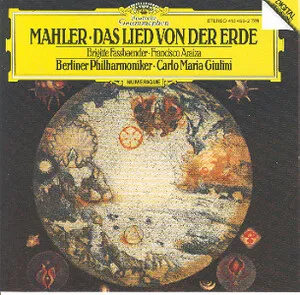
Das Lied von der Erde
Gustav Mahler
Orchestral Song
2011
1
/5
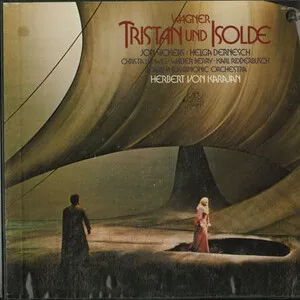
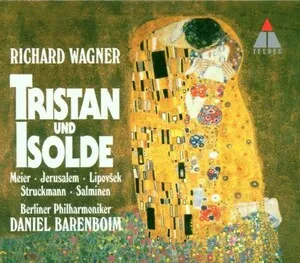
Tristan und Isolde
Richard Wagner
New German School
2010
4
/5
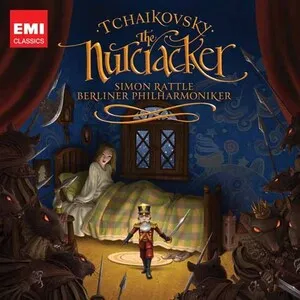
The Nutcracker
Pyotr Tchaikovsky Пётр Чайковский / Berliner Philharmoniker / Simon Rattle
Christmas Music
Holiday Music
Moscow School
2007
3
/5
Le sacre du printemps
Igor Stravinsky / Berliner Philharmoniker / Herbert von Karajan
Ballet
Modern Classical
2007
2
/5
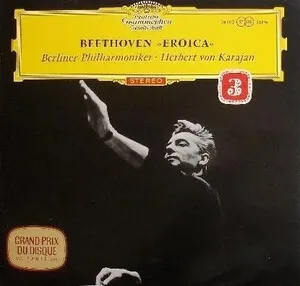
»Eroica«
Ludwig van Beethoven / Berliner Philharmoniker / Herbert von Karajan
Classical Period
Symphony
2001
2
/5
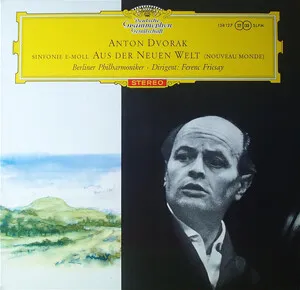
Sinfonie e-Moll "Aus der neuen Welt" (Nouveau monde)
Antonín Dvořák / Berliner Philharmoniker / Ferenc Fricsay
Symphony
Romanticism
Romantic Classical
2000
1
/5
Siegfried Idyll; Preludes & Overtures
Richard Wagner / Berliner Philharmoniker / Lorin Maazel
New German School
2000
2
/5
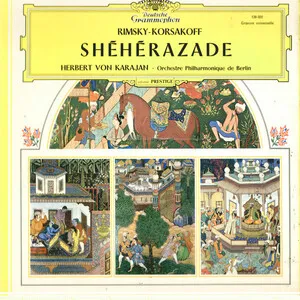
Scheherazade
Nikolai Rimsky-Korsakov Николай Римский-Корсаков / Berliner Philharmoniker / He…
Saint Petersburg School
Symphonic Poem
1999
3
/5
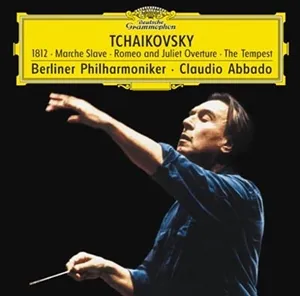
1812 Overture; Romeo and Juliet; Marche Slave; The Tempest
Pyotr Tchaikovsky Пётр Чайковский / Berliner Philharmoniker / Claudio Abbado
Moscow School
1999
2
/5
Symphony of Psalms; Symphony in Three Movements; Symphonies of Wind Instruments
Igor Stravinsky / Berliner Philharmoniker / Pierre Boulez
Neoclassicism
1998
2
/5
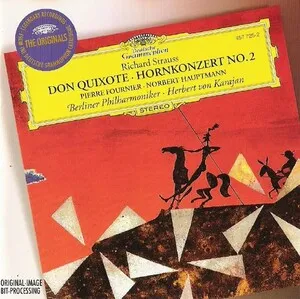
Don Quixote; Hornkonzert No. 2
Richard Strauss
Symphonic Poem
1998
2
/5
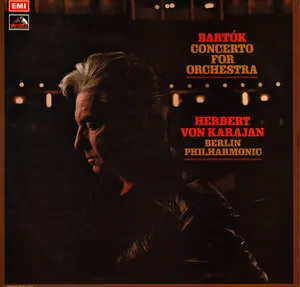
Concerto for Orchestra
Béla Bartók / Berliner Philharmoniker / Herbert von Karajan
Concerto For Orchestra
1996
2
/5
Tristan und Isolde
Richard Wagner
New German School
1996
2
/5
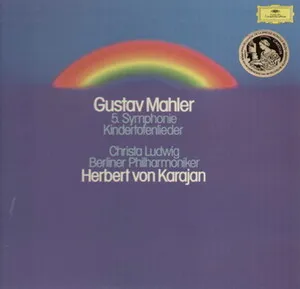
5. Symphonie; Kindertotenlieder
Gustav Mahler
Romantic Classical
Symphony
Romanticism
1996
1
/5
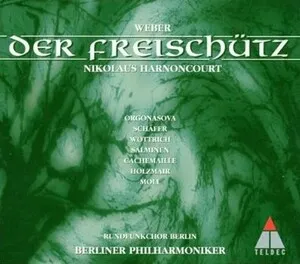
Der Freischütz
Carl Maria von Weber
Romantische Oper
1995
1
/5
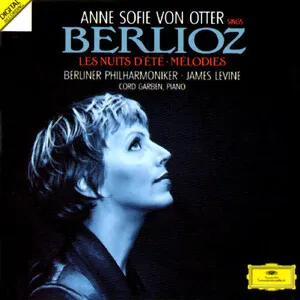
Les nuits d'été; Mélodies
Hector Berlioz
Mélodie
1995
2
/5
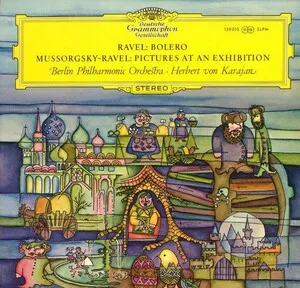
Bolero / Pictures at an Exhibition
Modest Mussorgsky Модест Мусоргский / Maurice Ravel
Saint Petersburg School
Classical
1995
3
/5
Also sprach Zarathustra
Richard Strauss
Symphonic Poem
1995
3
/5
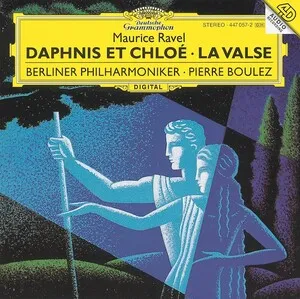
Daphnis et Chloé; La valse
Maurice Ravel / Berliner Philharmoniker / Pierre Boulez
Impressionism
Ballet
1995
1
/5
Symphony No. 3 "Liturgique"; Symphony No. 2
Arthur Honegger / Berliner Philharmoniker / Herbert von Karajan
Neoclassicism
1995
1
/5
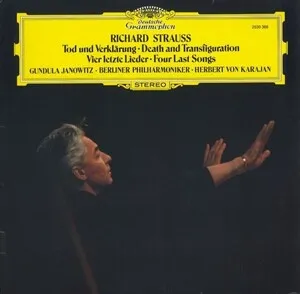
Tod und Verklärung; Vier letzte Lieder
Richard Strauss
Lied
Art Song
Symphonic Poem
1995
2
/5
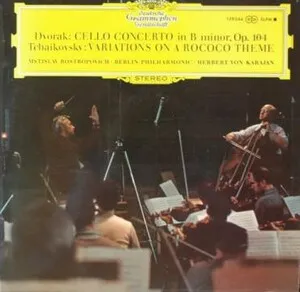
Cello Concerto in B minor, Op. 104 / Variations on a Rococo Theme
Antonín Dvořák / Pyotr Tchaikovsky Пётр Чайковский
Concerto
Classical
1995
2
/5
Klavierkonzert Nr. 3 C-Dur / Klavierkonzert G-Dur
Sergei Prokofiev Сергей Прокофьев / Maurice Ravel
Concerto
Modern Classical
1995
2
/5
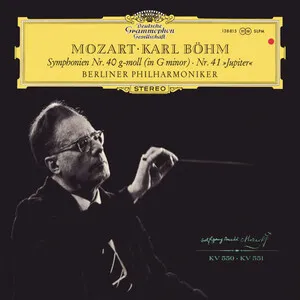
Symphonien Nr. 40 g-Moll; Nr. 41 »Jupiter«
Wolfgang Amadeus Mozart / Berliner Philharmoniker / Karl Böhm
Classical Period
Symphony
European Music
1995
2
/5
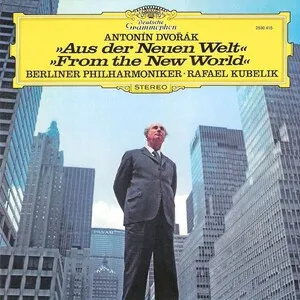
»Aus der neuen Welt«
Antonín Dvořák / Berliner Philharmoniker / Rafael Kubelík
Symphony
Romanticism
Romantic Classical
1993
2
/5
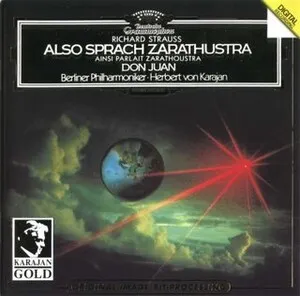
Also sprach Zarathustra; Don Juan
Richard Strauss / Berliner Philharmoniker / Herbert von Karajan
Symphonic Poem
1993
2
/5
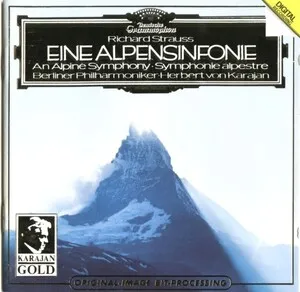
Eine Alpensinfonie
Richard Strauss / Berliner Philharmoniker / Herbert von Karajan
Symphonic Poem
1989
3
/5
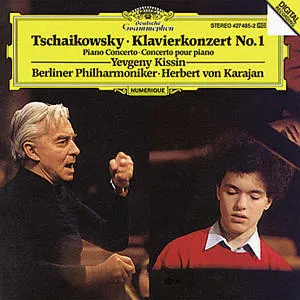
Klavierkonzert No. 1
Pyotr Tchaikovsky Пётр Чайковский / Alexander Scriabin Александр Скрябин
Moscow School
1989
1
/5
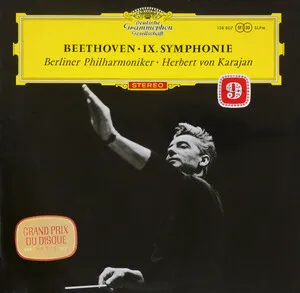
IX. Symphonie
Ludwig van Beethoven / Berliner Philharmoniker / Herbert von Karajan
Romantic Classical
Romanticism
Symphony
1988
2
/5
Serenata nocturna (Eine Kleine Nachtmusik, en sol mayor, KV 525); Divertimento N.º 15 en si bemol mayor, KV 287
Wolfgang Amadeus Mozart / Berliner Philharmoniker / Herbert von Karajan
Serenade
1987
2
/5
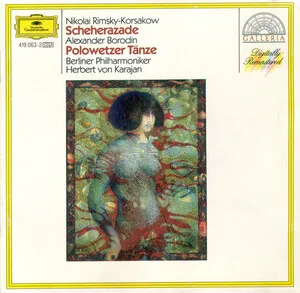
Scheherazade / Polovtsian Dances
Nikolai Rimsky-Korsakov Николай Римский-Корсаков / Alexander Borodin Александр…
Saint Petersburg School
1987
2
/5
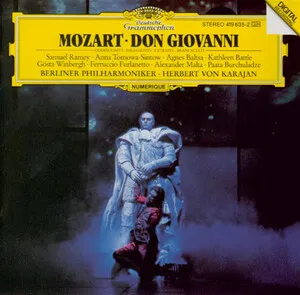
Don Giovanni (Querschnitt)
Wolfgang Amadeus Mozart
Opera Buffa
1985
1
/5
Verklärte Nacht; Variationen für Orchester op 31
Arnold Schoenberg / Berliner Philharmoniker / Herbert von Karajan
Second Viennese School
1984
3
/5
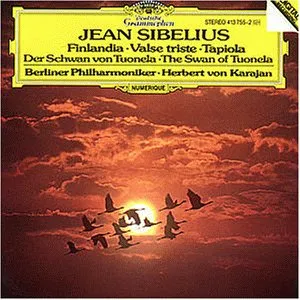
Finlandia; Valse triste; Tapiola; Der Schwan von Tuonela
Jean Sibelius / Berliner Philharmoniker / Herbert von Karajan
Symphonic Poem
1984
2
/5
Tristan und Isolde; Tannhäuser; Die Meistersinger von Nürnberg
Richard Wagner / Berliner Philharmoniker / Herbert von Karajan
Overture
New German School
1984
3
/5
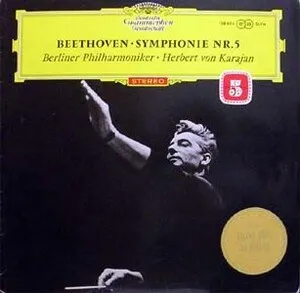
Symphonie Nr. 5
Ludwig van Beethoven / Berliner Philharmoniker / Herbert von Karajan
Romantic Classical
Classical Period
Classical
1984
3
/5
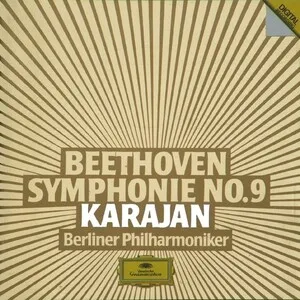
Symphonie No.9
Ludwig van Beethoven / Berliner Philharmoniker / Herbert von Karajan
Choral Symphony
Choral
Symphony
1983
2
/5
Metamorphosen; Tod und Verklärung
Richard Strauss / Berliner Philharmoniker / Herbert von Karajan
Symphonic Poem
Classical
Orchestral
1983
2
/5
Carmen
Georges Bizet
Opéra Comique
1982
2
/5
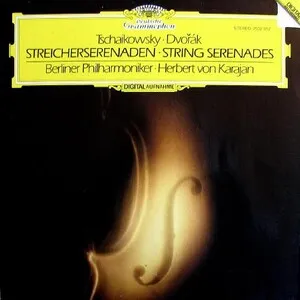
Streicherserenaden
Pyotr Tchaikovsky Пётр Чайковский / Antonín Dvořák
Serenade
1982
3
/5
An der schönen, blauen Donau
Johann Strauss / Berliner Philharmoniker / Herbert von Karajan
Waltz
1982
2
/5
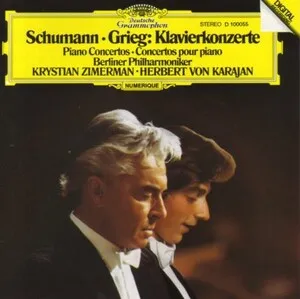
Klavierkonzerte
Robert Schumann / Edvard Grieg
Concerto
1981
2
/5
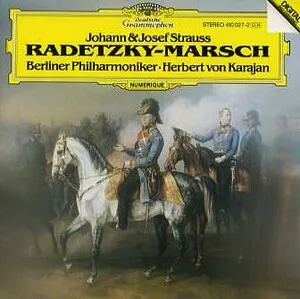
Radetzky-Marsch
Johann Strauss / Berliner Philharmoniker / Herbert von Karajan
Waltz
1981
3
/5
The Planets
Gustav Holst / Berliner Philharmoniker / Herbert von Karajan
Symphonic Poem
1977
2
/5
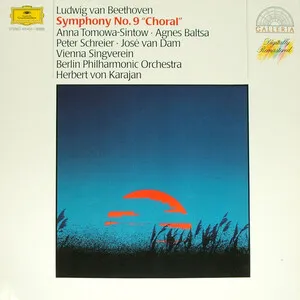
Symphony No. 9 "Choral"
Ludwig van Beethoven
Symphony
Romanticism
Romantic Classical
1976
2
/5
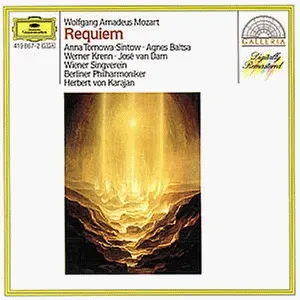
Requiem
Wolfgang Amadeus Mozart / Franz Xaver Süssmayr
Requiem
1974
1
/5
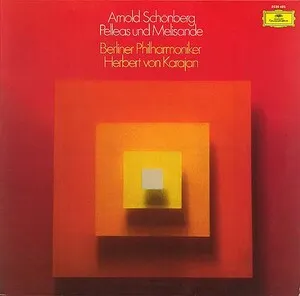
Pelleas und Melisande
Arnold Schoenberg / Berliner Philharmoniker / Herbert von Karajan
Expressionism
Symphonic Poem
Second Viennese School
1973
1
/5
La bohème
Giacomo Puccini
Verismo
1969
2
/5
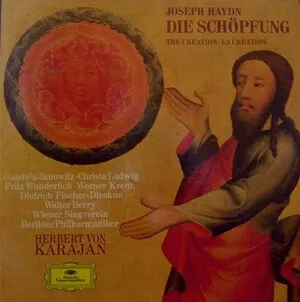
Die Schöpfung
Joseph Haydn
Oratorio
Classical Period
1968
2
/5
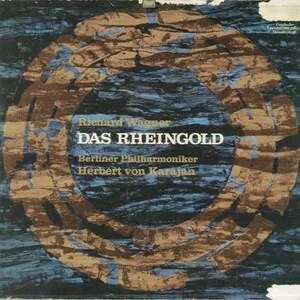
Das Rheingold
Richard Wagner / Berliner Philharmoniker / Herbert von Karajan
New German School
1967
2
/5
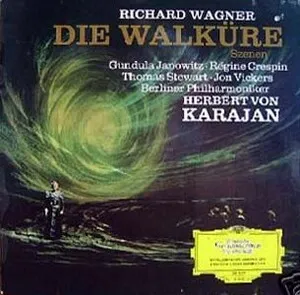
Die Walküre
Richard Wagner / Berliner Philharmoniker / Herbert von Karajan
New German School
1966
1
/5
Sinfonie concertanti KV 364 & KV 297b
Wolfgang Amadeus Mozart / Berliner Philharmoniker / Karl Böhm
Sinfonia Concertante
1964
2
/5
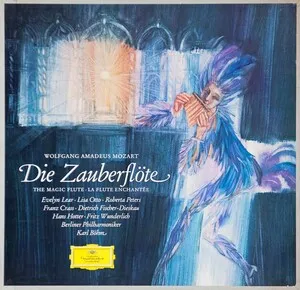
Die Zauberflöte
Wolfgang Amadeus Mozart
Musical Theatre And Entertainment
Classical Period
Classical
1963
3
/5
Symphonie Nr. 7
Ludwig van Beethoven / Berliner Philharmoniker / Herbert von Karajan
Western Classical
Classical Period
Symphony
1962
3
/5
Requiem KV 626
Wolfgang Amadeus Mozart / Franz Xaver Süssmayr
Requiem
Mass
Choral
1962
1
/5
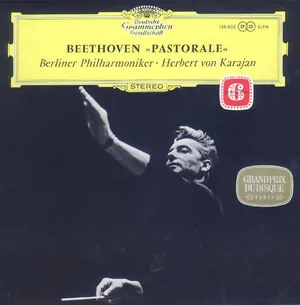
»Pastorale«
Ludwig van Beethoven / Berliner Philharmoniker / Herbert von Karajan
Classical Period
Western Classical
Symphony
1959
1
/5
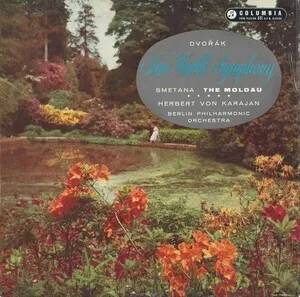
New World Symphony / The Moldau
Antonín Dvořák / Bedřich Smetana
Symphony
Romantic Classical
Romanticism
1958
1
/5
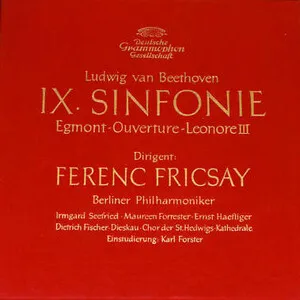
IX. Sinfonie; Egmont-Ouverture; Leonore III
Ludwig van Beethoven
Choral Symphony
Choral
Symphony
Similar artists
4
/5
Herbert von Karajan
Classical
Symphonic Poem
Symphony
4
/5
Wiener Philharmoniker
Classical
Romantic Classical
Romanticism
4
/5
Pyotr Ilyich Tchaikovsky
Classical
Moscow School
Ballet
4
/5
Leonard Bernstein
Orchestral Performance
Classical
Symphony
4
/5
New York Philharmonic
Classical
Symphony
Choral
3
/5
Chicago Symphony Orchestra
Classical
Choral Symphony
Concerto
3
/5
Bedřich Smetana
Classical
Symphonic Poem
Orchestral
3
/5
Rafael Kubelík
Classical
Opera
Orchestral
4
/5
Ludwig van Beethoven
Classical
Classical Period
Romantic Classical
3
/5
Sir Georg Solti
Classical
Romantic Classical
Romanticism
Download our mobile app
Get the Melodigging app and start digging for new genres on the go
Download on the App Store
Get it on Google Play
© 2026 Melodigging
Give feedback
Legal
Melodding was created as a tribute to
Every Noise at Once
, which inspired us to help curious minds keep digging into music's ever-evolving genres.