

Genres
Artists
Albums
Make Music
Sign in
Sign in
Artists
Orchestral Performance
Artists
Orchestral Performance
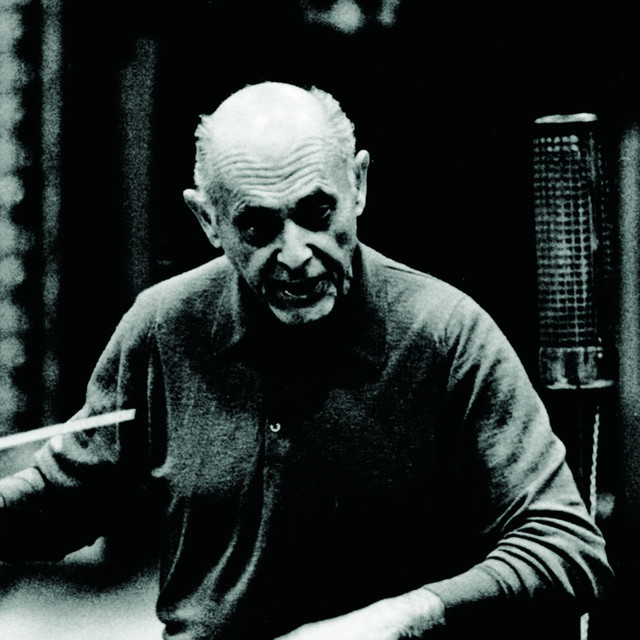
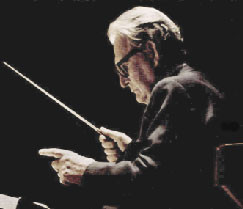
Leonard Bernstein
1956–2021
·
23 albums
Listen
4
/5
Genres
Modern Classical
Modern classical is a contemporary strand of instrumental music that applies classical composition techniques to intimate, cinematic settings. It typically foregrounds piano and strings, is sparsely orchestrated, and embraces ambience, repetition, and timbral detail. Rather than the academic modernism of the early 20th century, modern classical as used today refers to accessible, mood-driven works that sit between classical, ambient, and film music. Felt pianos, close‑miked string quartets, tape hiss, drones, soft electronics, and minimal harmonic movement are common, producing a contemplative, emotionally direct sound that translates well to headphones, streaming playlists, and screen media.
Discover
Listen
Audio Documentary
Audio documentary is a narrative non‑fiction form created specifically for listening. It blends reportage, interviews, archival tape, field recordings, narration, and montage to present real events, people, and ideas. Unlike audio drama, which stages fiction with actors, audio documentary prioritizes factual storytelling and journalistic ethics while borrowing dramatic structure, pacing, and sound design to deepen engagement. Its craft relies on careful research, on‑location sound, and editorial shaping to build scenes and a clear point of view.
Discover
Listen
Neoclassicism
Neoclassicism in music is a 20th‑century movement that revived forms, genres, and aesthetics from the Baroque and Classical eras, but reframed them with modern harmony, rhythm, and orchestration. It emphasizes clarity, balance, objectivity, and contrapuntal craft, often rejecting late‑Romantic excess while retaining a tonal or modal center enriched by dissonance, bitonality, and crisp rhythmic drive. Typical hallmarks include neobaroque dance suites, neoclassical sonatas and concerti, chamber‑oriented scoring, clean textures, and a dry, anti‑rhetorical performance style.
Discover
Listen
Musical
Musical (musical theatre) is a narrative stage form that integrates songs, spoken dialogue, acting, and dance to tell a story. Its core aim is dramatic storytelling in which music advances plot, deepens character, and shapes emotional arcs, often through recurring motives and reprises. Developed primarily on Broadway (New York) and later the West End (London), the genre blends operetta’s melodic lyricism, vaudeville’s variety entertainment, revue’s song-driven showcase, and Tin Pan Alley’s popular songcraft. Musicals range from intimate chamber pieces to large-scale "megamusicals," and from traditional book musicals to rock, hip‑hop, and concept-driven works. The musical’s songbook has fed the Great American Songbook and popular music at large, while the stage craft has influenced film, television, and concert performance.
Discover
Listen
Moscow School
The Moscow School is a classical performance tradition centered on the Moscow Conservatory and its satellite institutions, renowned especially for its pianism. It is characterized by a singing tone, long-breathed phrasing, structural clarity, and rigorous technique coupled with emotional depth. Although best known for piano, the approach extends to chamber music and orchestral playing: careful voicing, architectural control of large forms, expressive but disciplined rubato, and a rich dynamic palette. Its practitioners balance fidelity to the score with a cultivated cantabile line and a deep, often elegiac lyricism associated with the Russian late-Romantic aesthetic.
Discover
Listen
Lecture
Lecture is a spoken-word audio genre centered on the delivery of information and ideas by a single speaker (or a small panel) to an audience. It prioritizes clarity, structure, and rhetorical craft over musical accompaniment, with production focusing on intelligible voice capture and minimal sonic distraction. As a recorded format, lecture evolved from public oratory and classroom teaching into publishable audio: first on phonograph cylinders and 78 rpm discs, later on LPs, cassettes, CDs, and today via digital streaming, podcasts, and open courseware. Topics span philosophy, science, social theory, religion, psychology, technology, and public policy. A typical lecture has an introduction that frames the thesis, a body that progresses through signposted sections and examples, and a conclusion that synthesizes takeaways—sometimes followed by audience Q&A. Audience ambience, brief applause, or light cues may be present, but music beds are rare or restrained.
Discover
Listen
Fairy Tale
Fairy tale (often called Skazka in Russian or Märchen in German) is a Romantic-era, narrative form in classical music that paints scenes and characters from folklore, myths, and children’s tales through instrumental color and memorable leitmotifs. It commonly appears as piano character pieces and orchestral tone poems, but its spirit also infuses ballets and operas based on folk narratives. Typical hallmarks include lush harmonies, modal or folk-derived melodies, magical timbres (harp, celesta, woodwinds), and sharply contrasted moods to depict wonder, danger, and transformation.
Discover
Listen
Operetta
Operetta is a light, theatrical form of musical drama that blends spoken dialogue with tuneful, dance-inflected numbers and comic plots. It favors memorable melodies, witty wordplay, and a buoyant orchestral palette over the heavy dramatic weight of grand opera. Emerging in mid-19th-century Paris and quickly flourishing in Vienna and beyond, operetta draws on popular dance rhythms (especially the waltz and march), satirical or romantic storylines, and clear, lyrical vocal writing. It serves as a bridge between opera and modern musical theatre, balancing classical technique with popular appeal.
Discover
Listen
Symphonic Poem
A symphonic poem (also called a tone poem) is a single-movement orchestral work that conveys an extra-musical narrative, image, or idea through purely instrumental means. Rather than following traditional multi-movement symphonic forms, it uses flexible structures—often rhapsodic or episodic—to mirror a story, painting, landscape, poem, or philosophical concept. Rooted in Romantic aesthetics, the symphonic poem emphasizes vivid orchestration, thematic transformation, and striking harmonic color to achieve narrative coherence. It commonly deploys leitmotif-like themes that evolve as the program progresses, creating an arc that feels cinematic long before the advent of film scoring.
Discover
Listen
Orchestral Song
Orchestral song is an art-song tradition in which a solo voice is accompanied by a full orchestra rather than piano or a small chamber ensemble. It preserves the intimate, text-led focus of lieder and mélodie while expanding the expressive palette with orchestral color, timbral contrast, and large-scale dynamic shaping. Unlike opera, it is not staged and typically sets discrete poems or groups of poems, often assembled into cycles. Forms range from strophic to through-composed, and the style spans late-Romantic tonal idioms to early modernist harmonies. Central to the genre is the careful balance between textual clarity and orchestral richness, with the orchestra acting as a commentator and colorist—introducing motives, painting imagery, and framing the vocal line with preludes, interludes, and postludes.
Discover
Listen
Choral Symphony
A choral symphony is a large-scale symphonic work that integrates chorus (and often vocal soloists) into the symphonic fabric, rather than treating the voices as an add-on or separate cantata-like appendix. Pioneered most famously by Beethoven’s Symphony No. 9 (1824), the genre fuses the instrumental architecture of the symphony with texted, choral expression drawn from sacred and secular traditions. Composers use the chorus to broaden timbral range, intensify climaxes, and articulate philosophical or narrative ideas that purely instrumental music cannot directly convey. Across the 19th and 20th centuries, choral symphonies ranged from liturgical meditations (Stravinsky’s Symphony of Psalms) to epic, humanistic statements (Mahler’s Symphonies Nos. 2 and 8; Vaughan Williams’s A Sea Symphony), and politically charged works (Shostakovich’s Symphony No. 13).
Discover
Listen
Art Song
Art song is an intimate, concert-music genre in which a poetic text is set for solo voice with an equally integral piano accompaniment. Unlike popular song, it is composed for attentive listening in the recital hall or salon, and unlike opera, it does not require staging or multiple characters. The genre privileges prosody, word-painting, and subtle harmonic color to illuminate imagery and emotion in the poem. Forms range from strophic and modified strophic to fully through-composed designs, and the piano often supplies prelude, interludes, and a telling postlude that extends or reframes the text’s sentiment. German Lieder, French mélodie, and English-language art song are the best-known national currents within this tradition.
Discover
Listen
Romanticism
Romanticism in music is a 19th‑century movement that prioritizes individual expression, emotional intensity, and evocative storytelling over the balanced clarity of the Classical era. It expands harmony with richer chromaticism and distant modulations, stretches forms (longer developments, cyclic structures), and favors flexible tempo (rubato) and extreme dynamics. Orchestras grow in size and color (tuba, piccolo, contrabassoon, harp, expanded brass and percussion), while the piano becomes a primary vehicle for intimate expression and virtuoso display. Key genres include the art song (Lied), character piece, symphony and symphonic poem, and grand opera with leitmotifs. Program music—works that narrate scenes, poems, or ideas—stands alongside absolute music, both suffused with heightened subjectivity, nature imagery, nationalism, and the sublime.
Discover
Listen
Concert Band
Concert band refers to the symphonic wind ensemble tradition that performs concert music for woodwinds, brass, and percussion, sometimes augmented by double bass, harp, piano, and other color instruments. Unlike marching bands, concert bands are designed for seated indoor performance with nuanced dynamics, refined balance, and a wide stylistic range—from ceremonial marches and overtures to suites, tone poems, and contemporary works. Over the 20th century the repertoire expanded beyond transcriptions of orchestral music to a large body of original works by major composers, establishing the concert band as a distinct and sophisticated medium with its own idioms, colors, and performance practices.
Discover
Listen
Romantic Classical
Romantic classical (Romantic-era) music is the 19th‑century phase of Western art music in which expression, individuality, and imagination came to the fore. Composers expanded the orchestra, embraced chromatic harmony and bold modulations, and favored long‑breathed, emotive melodies. Aligned with the wider Romantic movement in literature and the arts, it prized the subjective—love, nature, the supernatural, nationalism, and the sublime—often through programmatic narratives. New and transformed genres (the symphonic poem, grand opera, the art song/Lied, concert overtures) coexisted with reimagined Classical forms (symphony, sonata, concerto) that grew in scale and harmonic daring. From ca. 1800 through the early 20th century, Romantic music stretched from Beethoven’s heroic style and Schubert’s lyricism to Wagner’s leitmotivic dramas and Tchaikovsky’s symphonic ballet-infused language, culminating in late-Romantic gigantism and post-Romantic continuations.
Discover
Listen
Sinfonia Concertante
Sinfonia concertante is a Classical-era hybrid that blends the symphony’s multi-movement, orchestral scale with the concerto’s virtuosic spotlighting of soloists—typically two to four players. It favors elegant, balanced phrasing, clear textures, and lively dialogue between multiple solo instruments and the orchestra, often in a fast–slow–fast three-movement plan. Popularized in Paris and associated with the galant style, it became a showcase for wind instruments as well as string pairings (famously violin and viola).
Discover
Listen
Symphony
A symphony is a large-scale composition for orchestra, typically cast in multiple movements that contrast in tempo, key, and character. In the Classical era, the most common layout was four movements: a fast opening movement (often in sonata form), a slow movement, a dance-like movement (minuet or later scherzo), and a fast finale. Over time, the symphony evolved from compact works of the mid-18th century into expansive, architecturally ambitious statements in the 19th and 20th centuries. Composers increasingly treated the symphony as a vehicle for thematic development, cyclical unity, and dramatic narrative—sometimes programmatic, sometimes abstract—using the full coloristic range of the modern orchestra. While rooted in Classical balance and clarity, symphonies incorporate a wide spectrum of harmonic languages and orchestral techniques. From Haydn’s wit and structural innovation to Beethoven’s heroic scope, Mahler’s cosmic breadth, and Shostakovich’s modern intensity, the symphony has remained a central pillar of Western concert music.
Discover
Listen
Overture
An overture is an orchestral piece that traditionally serves as the opening to an opera, ballet, or stage work, and later evolved into an independent concert genre. Two foundational models emerged in the Baroque era: the French overture (slow, majestic dotted-rhythm opening followed by a faster, often fugal section) associated with Jean-Baptiste Lully, and the Italian overture (sinfonia) with a fast–slow–fast three-part design that presaged the Classical symphony. During the 19th century, the overture expanded into programmatic concert works, sometimes called "concert overtures," that used sonata-allegro or hybrid forms to depict narratives, scenes, or dramatic ideas. Overtures are characterized by bold thematic statements, clear formal signposts, and striking orchestration for full ensemble—strings, woodwinds, brass, and timpani—often designed to set the dramatic tone, preview motifs, or energize an audience before the curtain rises.
Discover
Listen
Orchestral Performance
Orchestral performance refers to the live or studio presentation of music by a full orchestra—strings, woodwinds, brass, and percussion—under the direction of a conductor. It is less a compositional genre than a performance tradition that interprets repertory from the Baroque era to contemporary works. Its core values are balance among sections, timbral blend, dynamic control, and expressive phrasing shaped by conducting technique and ensemble discipline. Venue acoustics, seating plans, and modern recording practices (from single-point to multi-mic arrays) further define how orchestral performance is experienced. Although most closely associated with Western classical repertoire, orchestral performance practices have also shaped film music, symphonic rock/metal, and large-scale jazz projects.
Discover
Listen
Orchestral
Orchestral music refers to compositions written for an orchestra—a large ensemble typically built around a string section (violins, violas, cellos, double basses), complemented by woodwinds, brass, percussion, and often harp, keyboard, or other auxiliary instruments. A conductor coordinates the ensemble, shaping balance, phrasing, and expression. The style emphasizes coloristic timbre combinations, dynamic range from the softest pianissimo to explosive tuttis, and textures that can shift seamlessly between transparent chamber-like writing and monumental masses of sound. Orchestral writing underpins concert genres such as symphonies, overtures, and tone poems, as well as opera, ballet, and modern film and game scores. While orchestral writing evolved across centuries, its core craft centers on melody, counterpoint, harmony, register, and orchestration—the art of assigning musical ideas to instruments to achieve clarity, contrast, and narrative impact.
Discover
Listen
Ballet
Ballet (as a musical genre) refers to orchestral music written to accompany choreographed dance on stage. It prioritizes clear tempi, strongly articulated rhythms, and memorable leitmotifs to support narrative, character, and movement. While rooted in court entertainment, ballet music evolved into a sophisticated, self-sufficient concert art: many ballets yield popular orchestral suites that are performed independently. Typical numbers include adagios, variations, codas, divertissements, character dances, and large ensemble scenes that mirror the dramatic arc of the choreography. Stylistically, ballet spans Baroque courtly idioms, Classical clarity, Romantic lyricism, and 20th‑century modernism and neoclassicism. It is predominantly instrumental (full orchestra), but can occasionally include choral or vocal parts when dramaturgy requires it.
Discover
Listen
Classical
Classical music is the notated art-music tradition of Europe and its global descendants, characterized by durable forms, carefully codified harmony and counterpoint, and a literate score-based practice. The term “classical” can refer broadly to the entire Western art-music lineage from the Medieval era to today, not just the Classical period (c. 1750s–1820s). It privileges long-form structures (such as symphonies, sonatas, concertos, masses, and operas), functional or modal harmony, thematic development, and timbral nuance across ensembles ranging from solo instruments to full orchestras and choirs. Across centuries, the style evolved from chant and modal polyphony to tonal harmony, and later to post-tonal idioms, while maintaining a shared emphasis on written notation, performance practice, and craft.
Discover
Listen
Western Classical
Western classical is the notated art-music tradition that developed in Europe from medieval Christian chant into the large-scale secular and sacred forms of the Baroque, Classical, Romantic, and modern eras. It is characterized by staff notation, evolving systems of modality and tonality, and forms such as symphony, sonata, concerto, mass, opera, and chamber music. Across its history, Western classical established an extensive theory of harmony and counterpoint, refined orchestration across strings, winds, brass, and percussion, and cultivated performance practices from a cappella chant to full symphonic and operatic forces. Its repertoire, pedagogy, and institutions (conservatories, orchestras, opera houses) made it a global reference point for compositional craft and instrumental technique.
Discover
Listen
Choral
Choral refers to music written for and performed by a choir—an ensemble of voices organized into sections such as soprano, alto, tenor, and bass (SATB), or same-voice groupings (SSA, TTBB). It encompasses both sacred and secular repertoire and may be sung a cappella or with accompaniment by organ, piano, or full orchestra. Stylistically, choral music ranges from chant-like monophony to intricate polyphony and rich homophonic textures. Texts are drawn from liturgy, scripture, poetry, and vernacular sources, and are set in many languages. Performance contexts include church services, concert halls, and community events, making choral one of the most socially embedded and widely practiced forms of ensemble music. Across history, choral music has served as a laboratory for vocal counterpoint, word painting, and text-driven form, while functioning as a cultural bridge among religious rites, national traditions, and contemporary concert practice.
Discover
Listen
Show all 24 genres
Albums
2021
3
/5
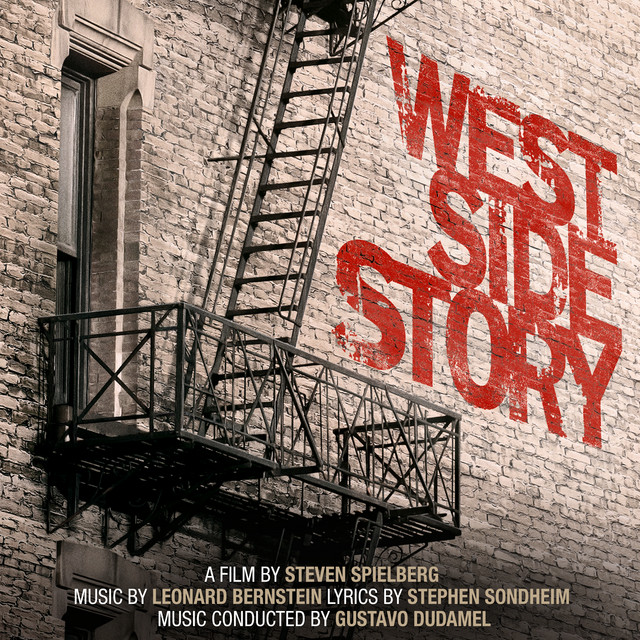
West Side Story (Original Motion Picture Soundtrack)
Leonard Bernstein
Orchestral Performance
Musical
2018
1
/5
Symphony No. 3 in D minor
Gustav Mahler
Choral Symphony
Choral
Symphony
2018
1
/5
Symphony No. 2 in C minor "The Resurrection Symphony"
Gustav Mahler
Choral Symphony
Choral
Symphony
2017
1
/5
The Planets
Gustav Holst / New York Philharmonic / Leonard Bernstein
Symphonic Poem
2017
1
/5
Peter and the Wolf / Nutcracker Suite
Sergei Prokofiev Сергей Прокофьев / Pyotr Tchaikovsky Пётр Чайковский
Fairy Tale
2017
3
/5
Symphony No. 5, Op. 47
Dmitri Shostakovich Дмитрий Шостакович / New York Philharmonic / Leonard Bernst…
Symphony
Modern Classical
Classical
2016
1
/5
Peter and the Wolf - Classic for Kids
Leonard Bernstein
Orchestral Performance
2015
1
/5
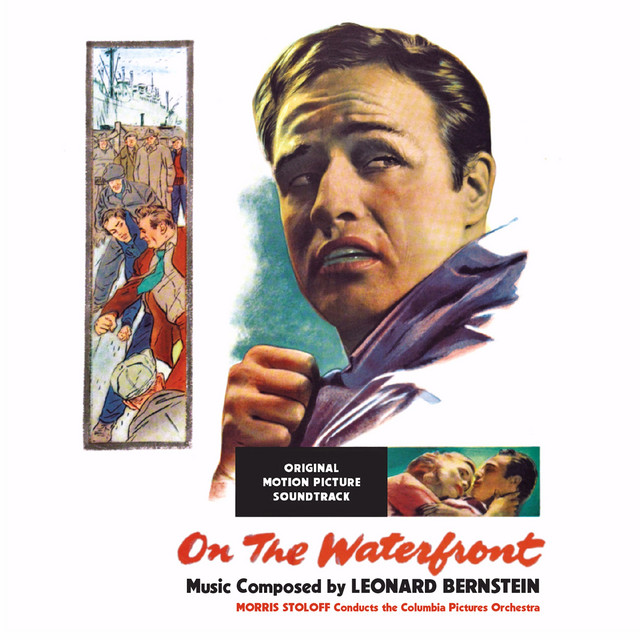
On the Waterfront (Original Motion Picture Soundtrack)
Leonard Bernstein
Orchestral Performance
1990
1
/5
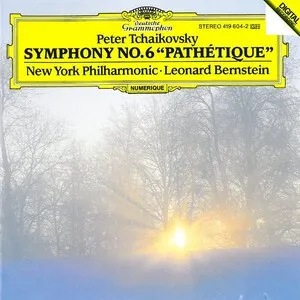
Symphony No. 5; Romeo & Juliet
Pyotr Tchaikovsky Пётр Чайковский / New York Philharmonic / Leonard Bernstein
Moscow School
1987
2
/5
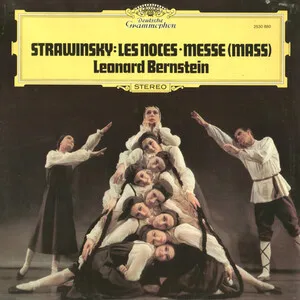
Symphony No. 6 "Pathétique"
Pyotr Tchaikovsky Пётр Чайковский / New York Philharmonic / Leonard Bernstein
Moscow School
Symphony
1977
1
/5
Les noces; Mass
Igor Stravinsky / Leonard Bernstein
Neoclassicism
1967
1
/5
Das Lied von der Erde
Gustav Mahler
Orchestral Song
Art Song
1966
1
/5
Symphony No. 8
Gustav Mahler
Choral Symphony
1964
2
/5
Bernstein: Fancy Free Ballet & Three Dance Episodes (From "On the Town") & More [Remastered]
Leonard Bernstein
Orchestral Performance
1962
1
/5
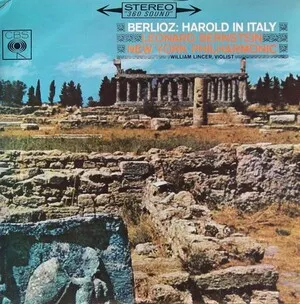
Harold in Italy
Hector Berlioz
Sinfonia Concertante
Classical
1960
1
/5
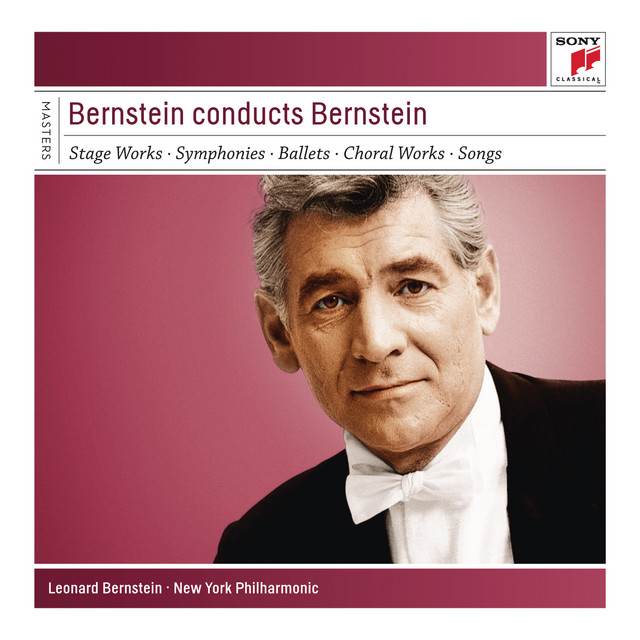
Leonard Bernstein conducts Bernstein
Leonard Bernstein
Orchestral Performance
1959
1
/5
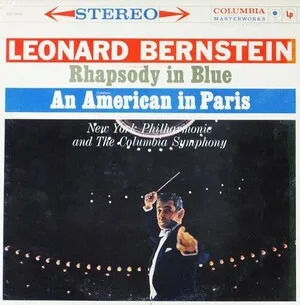
Rhapsody in Blue; An American in Paris
George Gershwin
Modern Classical
Classical
1958
2
/5
Tchaikovsky: 1812 Overture; Marche Slave; Romeo & Juliet Overture
Pyotr Tchaikovsky Пётр Чайковский / New York Philharmonic / Leonard Bernstein
Overture
1958
2
/5
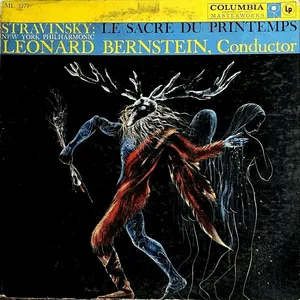
Le sacre du printemps
Igor Stravinsky / New York Philharmonic / Leonard Bernstein
Ballet
Modern Classical
Classical
1956
1
/5
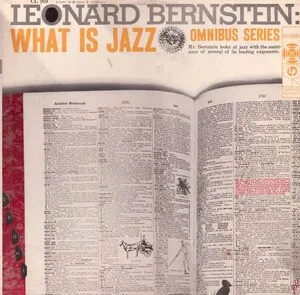
What Is Jazz?
Leonard Bernstein
Lecture
Audio Documentary
Prelude, Fnugg & Riffs
Leonard Bernstein
Concert Band
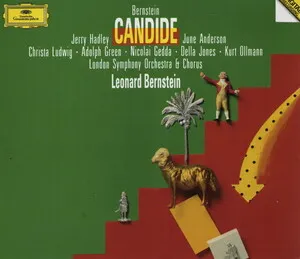
Candide
Leonard Bernstein
Operetta
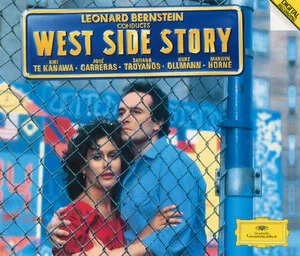
West Side Story (Kiri Te Kanawa, Jose Carreras and others)
Leonard Bernstein
Show Tunes
Similar artists
4
/5
Herbert von Karajan
Classical
Symphonic Poem
Symphony
4
/5
New York Philharmonic
Classical
Symphony
Choral
3
/5
Sir Georg Solti
Classical
Romantic Classical
Romanticism
4
/5
Berliner Philharmoniker
Classical
Romantic Classical
Romanticism
2
/5
Otto Klemperer
Choral
Classical
Opera
3
/5
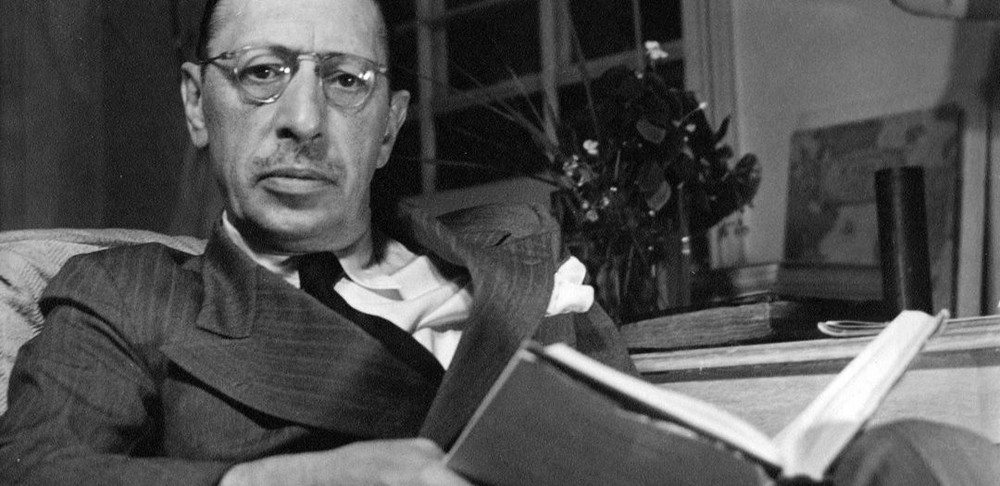
Igor Stravinsky
Neoclassicism
Classical
Ballet
3
/5
Antoni Wit
Classical
Requiem
Choral Symphony
4
/5
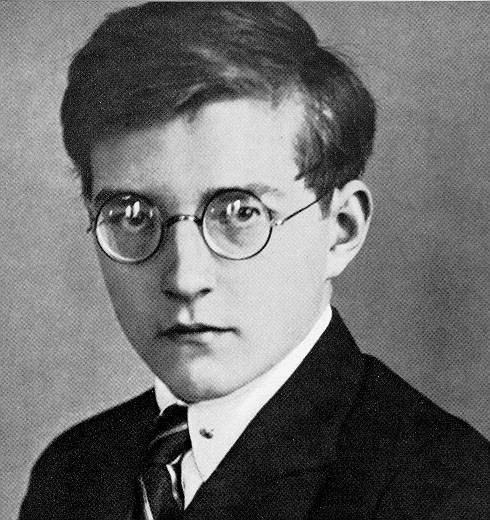
Dmitri Shostakovich
Classical
Chamber Music
Fugue
2
/5
Edo de Waart
Classical
Minimalism
Opera
4
/5
Ludwig van Beethoven
Classical
Classical Period
Romantic Classical
Download our mobile app
Get the Melodigging app and start digging for new genres on the go
Download on the App Store
Get it on Google Play
© 2026 Melodigging
Give feedback
Legal
Melodding was created as a tribute to
Every Noise at Once
, which inspired us to help curious minds keep digging into music's ever-evolving genres.