
Genres
Artists
Albums
Make Music
Sign in
Sign in
Artists
Neoclassicism
Artists
Neoclassicism
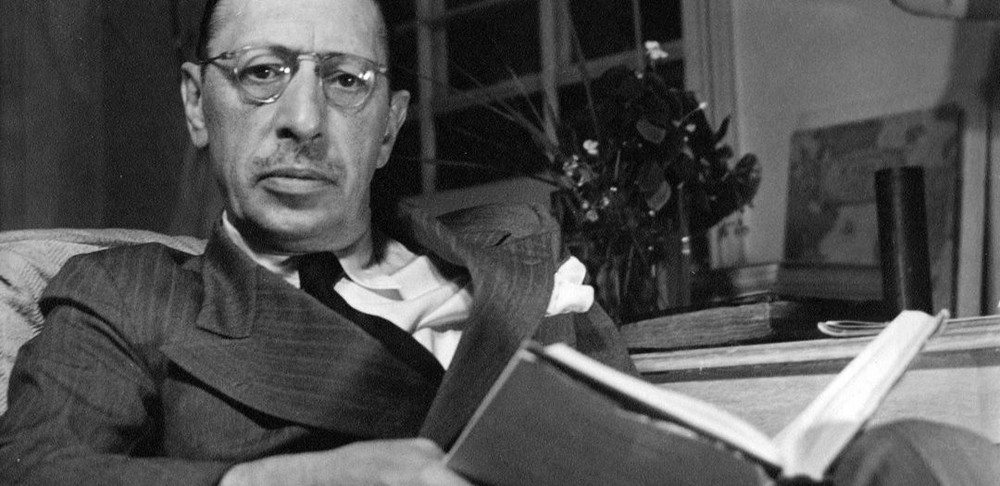
Igor Stravinsky
1940–2010
·
24 albums
Listen
3
/5
Genres
Modern Classical
Modern classical is a contemporary strand of instrumental music that applies classical composition techniques to intimate, cinematic settings. It typically foregrounds piano and strings, is sparsely orchestrated, and embraces ambience, repetition, and timbral detail. Rather than the academic modernism of the early 20th century, modern classical as used today refers to accessible, mood-driven works that sit between classical, ambient, and film music. Felt pianos, close‑miked string quartets, tape hiss, drones, soft electronics, and minimal harmonic movement are common, producing a contemplative, emotionally direct sound that translates well to headphones, streaming playlists, and screen media.
Discover
Listen
Contemporary Classical
Contemporary classical is the broad field of Western art music created after World War II. It embraces an array of aesthetics—from serialism and indeterminacy to minimalism, spectralism, electroacoustic practices, and post‑tonal lyricism—while retaining a concern for notated composition and timbral innovation. Unlike the unified styles of earlier eras, contemporary classical is pluralistic. Composers freely mix acoustic and electronic sound, expand instrumental techniques, adopt non‑Western tuning and rhythm, and explore new forms, from process-based structures to open and graphic scores. The result is a music that can be rigorously complex or radically simple, technologically experimental or intimately acoustic, yet consistently focused on extending how musical time, timbre, and form can be shaped.
Discover
Listen
Neoclassicism
Neoclassicism in music is a 20th‑century movement that revived forms, genres, and aesthetics from the Baroque and Classical eras, but reframed them with modern harmony, rhythm, and orchestration. It emphasizes clarity, balance, objectivity, and contrapuntal craft, often rejecting late‑Romantic excess while retaining a tonal or modal center enriched by dissonance, bitonality, and crisp rhythmic drive. Typical hallmarks include neobaroque dance suites, neoclassical sonatas and concerti, chamber‑oriented scoring, clean textures, and a dry, anti‑rhetorical performance style.
Discover
Listen
Impressionism
Impressionism in music is a late-19th- and early-20th-century style that prioritizes color, atmosphere, and suggestion over overt drama and functional harmonic progressions. Originating in France, it parallels the visual arts movement in its fascination with light, timbre, and fleeting impressions. Musically, the style favors modal, pentatonic, and whole‑tone materials; parallel (planed) chords; unresolved dissonances; and ambiguous tonal centers. Rhythms are flexible and often blur a sense of strong meter, while textures shimmer through delicate orchestration, pedal tones, and arpeggiated figures. Rather than strict sonata designs, impressionist works tend to be episodic, evocative, and programmatic, conjuring landscapes, water, night, and dreamlike states.
Discover
Listen
Choral Symphony
A choral symphony is a large-scale symphonic work that integrates chorus (and often vocal soloists) into the symphonic fabric, rather than treating the voices as an add-on or separate cantata-like appendix. Pioneered most famously by Beethoven’s Symphony No. 9 (1824), the genre fuses the instrumental architecture of the symphony with texted, choral expression drawn from sacred and secular traditions. Composers use the chorus to broaden timbral range, intensify climaxes, and articulate philosophical or narrative ideas that purely instrumental music cannot directly convey. Across the 19th and 20th centuries, choral symphonies ranged from liturgical meditations (Stravinsky’s Symphony of Psalms) to epic, humanistic statements (Mahler’s Symphonies Nos. 2 and 8; Vaughan Williams’s A Sea Symphony), and politically charged works (Shostakovich’s Symphony No. 13).
Discover
Listen
Symphony
A symphony is a large-scale composition for orchestra, typically cast in multiple movements that contrast in tempo, key, and character. In the Classical era, the most common layout was four movements: a fast opening movement (often in sonata form), a slow movement, a dance-like movement (minuet or later scherzo), and a fast finale. Over time, the symphony evolved from compact works of the mid-18th century into expansive, architecturally ambitious statements in the 19th and 20th centuries. Composers increasingly treated the symphony as a vehicle for thematic development, cyclical unity, and dramatic narrative—sometimes programmatic, sometimes abstract—using the full coloristic range of the modern orchestra. While rooted in Classical balance and clarity, symphonies incorporate a wide spectrum of harmonic languages and orchestral techniques. From Haydn’s wit and structural innovation to Beethoven’s heroic scope, Mahler’s cosmic breadth, and Shostakovich’s modern intensity, the symphony has remained a central pillar of Western concert music.
Discover
Listen
Ballet
Ballet (as a musical genre) refers to orchestral music written to accompany choreographed dance on stage. It prioritizes clear tempi, strongly articulated rhythms, and memorable leitmotifs to support narrative, character, and movement. While rooted in court entertainment, ballet music evolved into a sophisticated, self-sufficient concert art: many ballets yield popular orchestral suites that are performed independently. Typical numbers include adagios, variations, codas, divertissements, character dances, and large ensemble scenes that mirror the dramatic arc of the choreography. Stylistically, ballet spans Baroque courtly idioms, Classical clarity, Romantic lyricism, and 20th‑century modernism and neoclassicism. It is predominantly instrumental (full orchestra), but can occasionally include choral or vocal parts when dramaturgy requires it.
Discover
Listen
Orchestral
Orchestral music refers to compositions written for an orchestra—a large ensemble typically built around a string section (violins, violas, cellos, double basses), complemented by woodwinds, brass, percussion, and often harp, keyboard, or other auxiliary instruments. A conductor coordinates the ensemble, shaping balance, phrasing, and expression. The style emphasizes coloristic timbre combinations, dynamic range from the softest pianissimo to explosive tuttis, and textures that can shift seamlessly between transparent chamber-like writing and monumental masses of sound. Orchestral writing underpins concert genres such as symphonies, overtures, and tone poems, as well as opera, ballet, and modern film and game scores. While orchestral writing evolved across centuries, its core craft centers on melody, counterpoint, harmony, register, and orchestration—the art of assigning musical ideas to instruments to achieve clarity, contrast, and narrative impact.
Discover
Listen
Opera
Opera is a large-scale theatrical genre that combines music, drama, and visual spectacle, in which the story is primarily conveyed through singing accompanied by an orchestra. It unites solo voices, ensembles, and chorus with staging, costumes, and often dance to create a total artwork. Emerging in late Renaissance Italy and flourishing in the Baroque era, opera developed signature forms such as recitative (speech-like singing that advances the plot) and aria (lyrical numbers that explore character and emotion). Over the centuries it evolved diverse national styles—Italian bel canto, French grand opéra, German music drama—while continually experimenting with orchestration, harmony, narrative structure, and stagecraft.
Discover
Listen
Classical
Classical music is the notated art-music tradition of Europe and its global descendants, characterized by durable forms, carefully codified harmony and counterpoint, and a literate score-based practice. The term “classical” can refer broadly to the entire Western art-music lineage from the Medieval era to today, not just the Classical period (c. 1750s–1820s). It privileges long-form structures (such as symphonies, sonatas, concertos, masses, and operas), functional or modal harmony, thematic development, and timbral nuance across ensembles ranging from solo instruments to full orchestras and choirs. Across centuries, the style evolved from chant and modal polyphony to tonal harmony, and later to post-tonal idioms, while maintaining a shared emphasis on written notation, performance practice, and craft.
Discover
Listen
Western Classical
Western classical is the notated art-music tradition that developed in Europe from medieval Christian chant into the large-scale secular and sacred forms of the Baroque, Classical, Romantic, and modern eras. It is characterized by staff notation, evolving systems of modality and tonality, and forms such as symphony, sonata, concerto, mass, opera, and chamber music. Across its history, Western classical established an extensive theory of harmony and counterpoint, refined orchestration across strings, winds, brass, and percussion, and cultivated performance practices from a cappella chant to full symphonic and operatic forces. Its repertoire, pedagogy, and institutions (conservatories, orchestras, opera houses) made it a global reference point for compositional craft and instrumental technique.
Discover
Listen
Choral
Choral refers to music written for and performed by a choir—an ensemble of voices organized into sections such as soprano, alto, tenor, and bass (SATB), or same-voice groupings (SSA, TTBB). It encompasses both sacred and secular repertoire and may be sung a cappella or with accompaniment by organ, piano, or full orchestra. Stylistically, choral music ranges from chant-like monophony to intricate polyphony and rich homophonic textures. Texts are drawn from liturgy, scripture, poetry, and vernacular sources, and are set in many languages. Performance contexts include church services, concert halls, and community events, making choral one of the most socially embedded and widely practiced forms of ensemble music. Across history, choral music has served as a laboratory for vocal counterpoint, word painting, and text-driven form, while functioning as a cultural bridge among religious rites, national traditions, and contemporary concert practice.
Discover
Listen
Show all 12 genres
Albums
2010
1
/5
The Firebird Suite
Igor Stravinsky
Neoclassicism
2005
1
/5
Three Greek Ballets
Igor Stravinsky
Neoclassicism
Ballet
Classical
2001
1
/5
The Rite of Spring / The Poem of Ecstasy
Igor Stravinsky / Alexander Scriabin Александр Скрябин
Ballet
1999
2
/5
Symphony of Psalms; Symphony in Three Movements; Symphonies of Wind Instruments
Igor Stravinsky / Berliner Philharmoniker / Pierre Boulez
Neoclassicism
1995
1
/5
The Rite of Spring; Card Game; Concerto in D major
Igor Stravinsky
Neoclassicism
1994
1
/5
Oedipus Rex
Igor Stravinsky
Neoclassicism
1992
1
/5
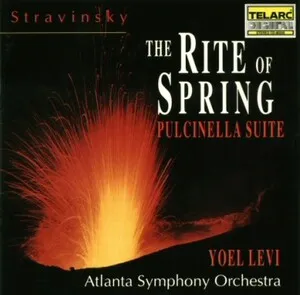
The Rite of Spring; Pulcinela Suite
Igor Stravinsky / Atlanta Symphony Orchestra / Yoel Levi
Neoclassicism
1992
1
/5
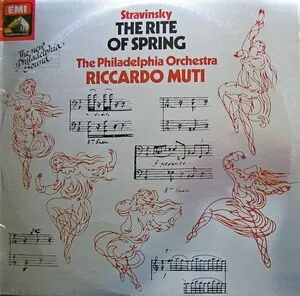
The Rite of Spring
Igor Stravinsky / The Philadelphia Orchestra / Riccardo Muti
Ballet
Classical
1992
2
/5
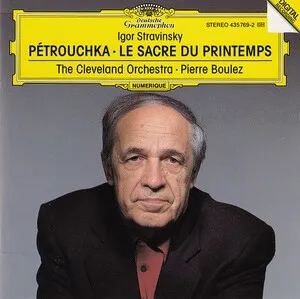
Pétrouchka; Le sacre du printemps
Igor Stravinsky / Cleveland Orchestra / Pierre Boulez
Ballet
Modern Classical
1991
1
/5
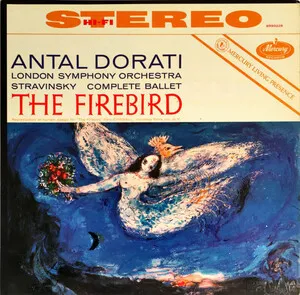
The Firebird (Complete Ballet)
Igor Stravinsky / London Symphony Orchestra / Antal Doráti
Ballet
1981
1
/5
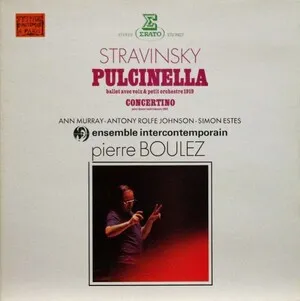
Pulcinella; Concertino
Igor Stravinsky
Neoclassicism
1977
1
/5
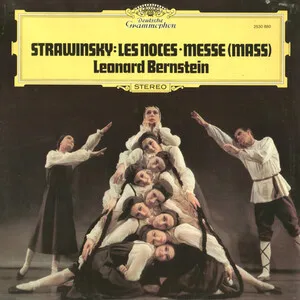
Les noces; Mass
Igor Stravinsky / Leonard Bernstein
Neoclassicism
1970
1
/5
Boulez Conducts Stravinsky's Le sacre du printemps
Igor Stravinsky / Cleveland Orchestra / Pierre Boulez
Ballet
Modern Classical
Classical
1968
1
/5
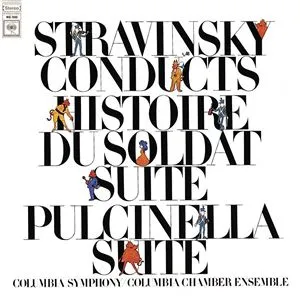
Stravinsky Conducts Histoire du soldat Suite; Pulcinella Suite
Igor Stravinsky
Neoclassicism
1964
1
/5
Stravinsky Conducts: Symphony of Psalms; Symphony in C
Igor Stravinsky
Neoclassicism
Choral Symphony
Choral
1963
1
/5
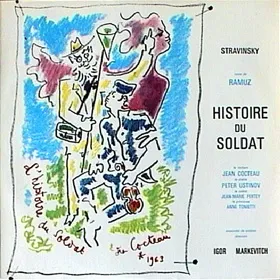
Histoire du soldat
Igor Stravinsky
Neoclassicism
Classical
1962
1
/5
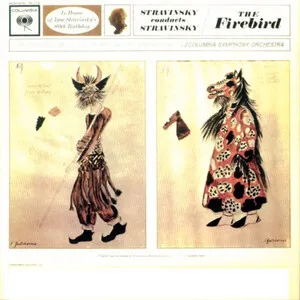
Stravinsky Conducts Stravinsky: The Firebird
Igor Stravinsky / Columbia Symphony Orchestra
Ballet
1962
1
/5
Stravinsky Conducts Le sacre du printemps
Igor Stravinsky / Columbia Symphony Orchestra
Ballet
Modern Classical
Classical
1962
1
/5
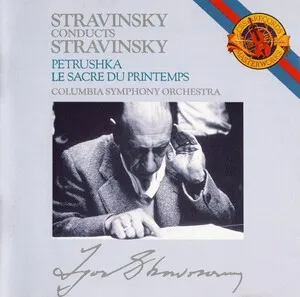
Stravinsky Conducts Stravinsky: Petrushka; Le sacre du printemps
Igor Stravinsky / Columbia Symphony Orchestra
Modern Classical
Ballet
Classical
1960
1
/5
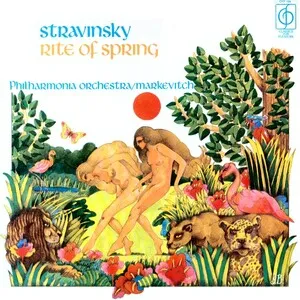
Rite of Spring
Igor Stravinsky / Philharmonia Orchestra / Igor Markevitch
Ballet
1958
2
/5
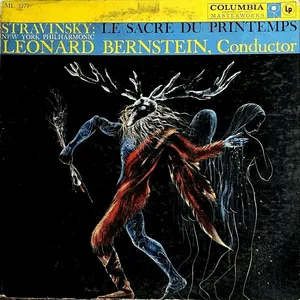
Le sacre du printemps
Igor Stravinsky / New York Philharmonic / Leonard Bernstein
Ballet
Modern Classical
Classical
1950
1
/5
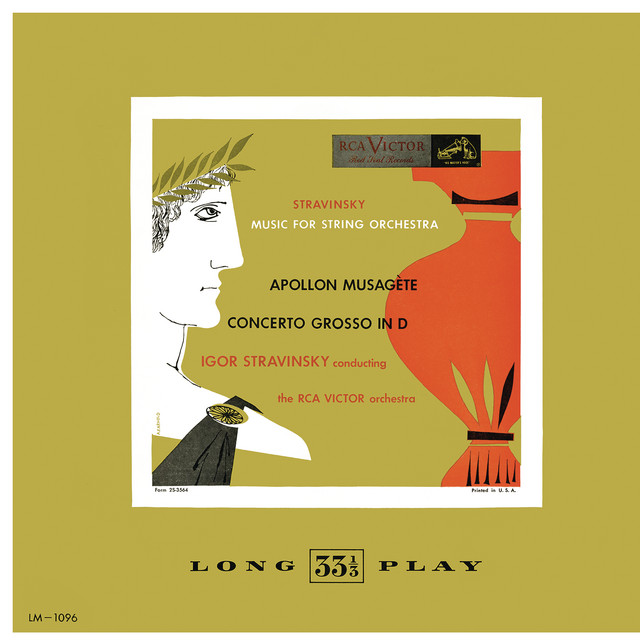
Stravinsky: Apollon musagète - Concerto in D Major "Basle Concerto"
Igor Stravinsky
Neoclassicism
1940
1
/5
Le sacre du printemps
Igor Stravinsky / New York Philharmonic
Ballet
Symphonie des psaumes
Igor Stravinsky
Choral Symphony
Similar artists
4
/5
Berliner Philharmoniker
Classical
Romantic Classical
Romanticism
4
/5
Philip Glass
Classical
Minimalism
Modern Classical
4
/5
Herbert von Karajan
Classical
Symphonic Poem
Symphony
3
/5
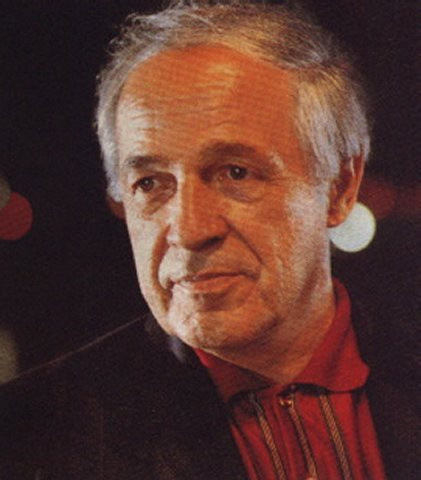
Pierre Boulez
Classical
Serialism
Second Viennese School
4
/5
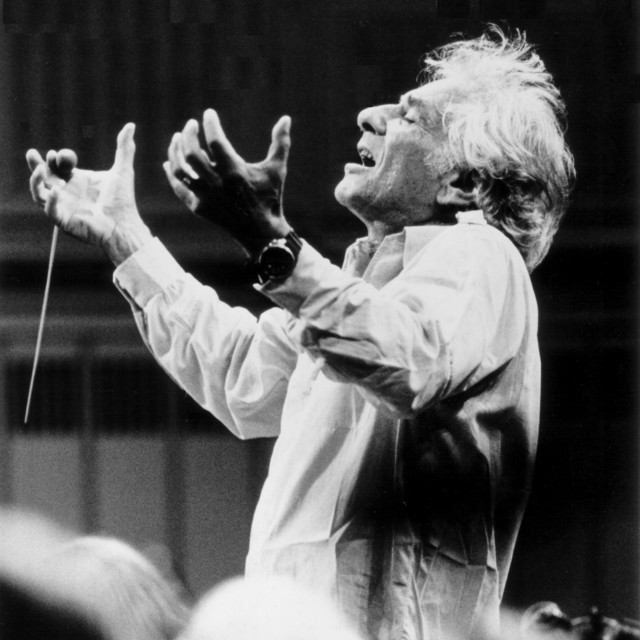
Leonard Bernstein
Orchestral Performance
Classical
Symphony
3
/5
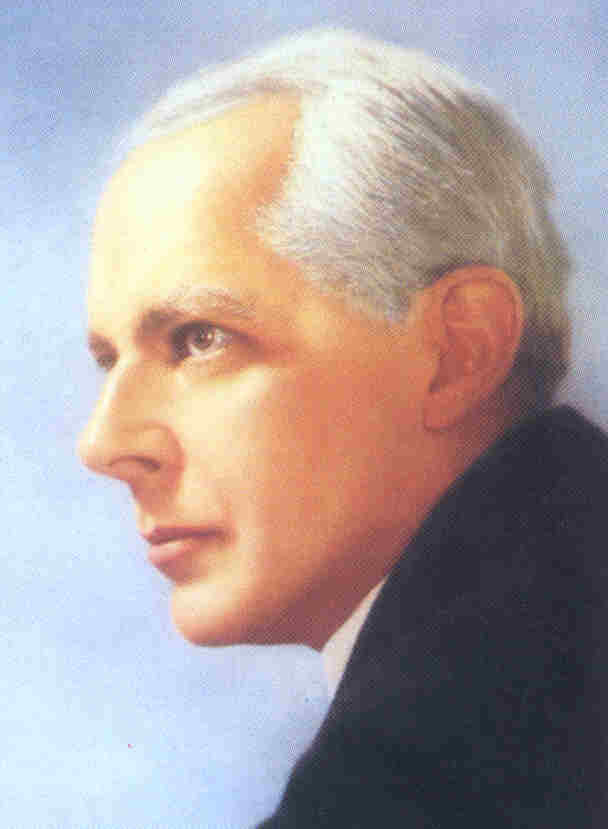
Béla Bartók
Classical
Concerto For Orchestra
Chamber Music
4
/5
Ludovico Einaudi
Classical
Contemporary Classical
Compositional Ambient
4
/5
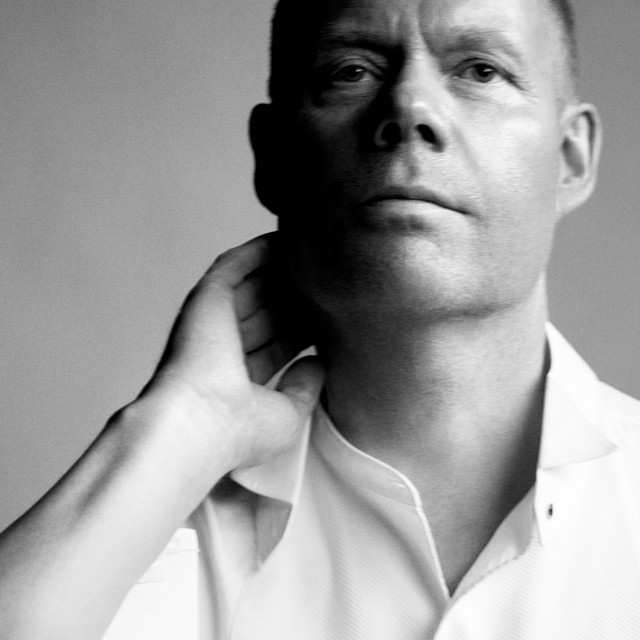
Max Richter
Post-Minimalism
Classical
Contemporary Classical
4
/5
Maurice Ravel
Impressionism
Classical
Neoclassicism
4
/5
Erik Satie
Impressionism
Classical
Neoclassicism
Download our mobile app
Get the Melodigging app and start digging for new genres on the go
Download on the App Store
Get it on Google Play
© 2026 Melodigging
Give feedback
Legal
Melodding was created as a tribute to
Every Noise at Once
, which inspired us to help curious minds keep digging into music's ever-evolving genres.