Genres
Artists
Albums
Make Music
Sign in
Sign in
Artists
Classical
Artists
Classical
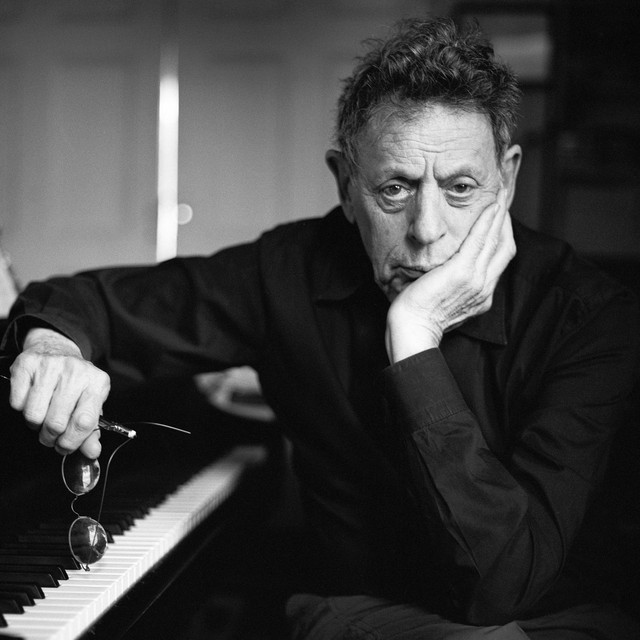
Philip Glass
1979–2017
·
16 albums
Listen
4
/5
Genres
Spectra
Spectra is a contemporary, internet-native microgenre of moody alternative electronic and R&B-adjacent music characterized by spectral, hazy textures, soft-focus vocals, and lush, wide stereo sound design. It blends downtempo grooves with post-dubstep sound palettes, dreamy pads, and understated, melancholic songwriting. Production often favors granular and time-stretched atmospheres, filtered synths, submerged bass, and delicate percussion patterns that feel intimate yet cinematic. Vocals are commonly breathy and layered with subtle pitch/formant processing, while harmony leans toward extended, suspended, and add-color chords that emphasize bittersweet, nocturnal moods.
Discover
Listen
Deep Soundtrack
Deep soundtrack is a modern, cinematic substyle that emphasizes low, immersive textures, slow-moving harmony, and spacious ambience over bombast. It sits at the intersection of ambient music, post-classical scoring, and contemporary film/TV/game underscore, favoring drones, soft pulses, and intimate instruments (piano, strings, analog synths) treated with generous space and subtle sound design. Rather than foregrounding memorable themes or trailer-scale crescendos, deep soundtrack cultivates mood: tense, melancholic, or quietly hopeful. It is designed to sit under narrative, visuals, or concentration—music that breathes, evolves slowly, and suggests emotion without overwhelming it.
Discover
Listen
Pet Calming
Pet calming is a functional micro‑genre designed to reduce stress and arousal in companion animals—primarily dogs and cats—during triggering situations such as owner absence, fireworks, vet visits, thunderstorms, or travel. Musically it favors very slow tempos, sparse arrangements, soft timbres (piano, pads, gentle strings, warm guitars), long sustains, smooth envelopes, and stable, consonant harmonies. Dynamics are kept narrow and transients are tamed to avoid startle responses. Many releases add gentle environmental ambiences (rain, ocean, rustling leaves) or unobtrusive pink/white‑noise beds to mask external sounds. Structures are highly repetitive with gradual variation so the soundscape feels predictable and safe. While aimed at non‑human listeners, the genre is informed by animal‑behavior findings (e.g., predictable low‑arousal sound reduces stress) and by human relaxation idioms (ambient, new age, lullaby). It is commonly delivered as long‑form, streaming‑friendly content that owners can loop for hours.
Discover
Listen
Broken Transmission
Broken transmission is a vaporwave-adjacent microgenre built from fragmented, channel-surfing collages of analog broadcast ephemera. Producers splice together tiny shards of TV idents, news stingers, commercials, interstitial music, and dead air, emphasizing tape hiss, static, dropouts, and tuning noise as musical material. Often beatless or only loosely pulsed, tracks unfold like late-night flipping through channels: abrupt cuts, fleeting jingles, station sign‑offs, and half-heard voiceovers that dissolve into snow. The result is a liminal, hauntological mood—nostalgia filtered through the mechanical errors and material decay of VHS, cable boxes, and broadcast tape. Where classic vaporwave slows and loops pop smoothness, broken transmission foregrounds the texture of the medium itself. It treats errors, transitions, and broadcast artifacts as hooks, creating an uncanny documentary of mediated memory.
Discover
Listen
Fluxwork
Fluxwork is a contemporary microgenre of electronic music optimized for sustained concentration and “flow state” listening. It blends the warmth and space of ambient with the pulse and structure of minimal techno and microhouse, emphasizing unobtrusive rhythms and gradual, textural movement. Tracks usually feature understated four-on-the-floor or gently broken patterns, soft sidechained pads, subtle arpeggios, and carefully filtered transitions. Vocals, if present at all, are sparse and textural. The result is music that feels propulsive yet calm—capable of fading into the background while quietly supplying kinetic focus.
Discover
Listen
Modern Classical
Modern classical is a contemporary strand of instrumental music that applies classical composition techniques to intimate, cinematic settings. It typically foregrounds piano and strings, is sparsely orchestrated, and embraces ambience, repetition, and timbral detail. Rather than the academic modernism of the early 20th century, modern classical as used today refers to accessible, mood-driven works that sit between classical, ambient, and film music. Felt pianos, close‑miked string quartets, tape hiss, drones, soft electronics, and minimal harmonic movement are common, producing a contemplative, emotionally direct sound that translates well to headphones, streaming playlists, and screen media.
Discover
Listen
Post-Minimalism
Post-minimalism is a strand of contemporary classical music that grows out of 1960s minimalism but permits greater harmonic variety, expressive shaping, and formal narrative. It retains hallmarks such as steady pulse, repetitive patterns, and clear tonal or modal centers, yet loosens strict process rules, welcomes richer orchestration, and often draws on influences from rock, jazz, and non-Western musics. Compared with early minimalism’s austere procedures, post-minimalist works tend to feature long-arching climaxes, brighter triadic harmony, layered ostinati, and dynamic textural changes, yielding music that can be both hypnotic and overtly dramatic. The style appears in concert works, opera, chamber music, and film, where its driving pulse and luminous harmonies translate into compelling narrative momentum.
Discover
Listen
Minimalism
Minimalism is a style of Western art music that emerged in the United States during the 1960s, characterized by the use of very limited musical materials, steady pulse, and extensive repetition. Composers often build pieces from short cells or motifs that are repeated and slowly transformed through additive or subtractive processes, phase shifting, and gradual changes in harmony, texture, or register. Harmony is typically consonant (often modal or diatonic), though just intonation and extended drones are also common. The result is music that foregrounds process, clarity, audibility of structure, and a hypnotic sense of stasis and flow. Typical ensembles include keyboards, mallet percussion, strings, winds, voices, and electronics or tape. Minimalism influenced a wide array of later styles, from ambient and new age to post-minimalism and minimal techno.
Discover
Listen
Process Music
Process music is a movement in which a composition is generated by a clearly defined procedure or rule-set. Sometimes this procedure is made audible—so the listener can follow the gradual changes as they unfold—and sometimes the process remains hidden behind the surface of the sound. Typical processes include phasing (two identical patterns drifting out of sync), additive or subtractive procedures (expanding or contracting a pattern by fixed steps), iterative feedback (repeating an operation so the output becomes the next input), permutations, stochastic or probabilistic rules, or instruction-based performance systems. The aesthetic ranges from hypnotic and pulse-driven to fragile and static, but the core idea remains: the music arises from the process.
Discover
Listen
Contemporary Classical
Contemporary classical is the broad field of Western art music created after World War II. It embraces an array of aesthetics—from serialism and indeterminacy to minimalism, spectralism, electroacoustic practices, and post‑tonal lyricism—while retaining a concern for notated composition and timbral innovation. Unlike the unified styles of earlier eras, contemporary classical is pluralistic. Composers freely mix acoustic and electronic sound, expand instrumental techniques, adopt non‑Western tuning and rhythm, and explore new forms, from process-based structures to open and graphic scores. The result is a music that can be rigorously complex or radically simple, technologically experimental or intimately acoustic, yet consistently focused on extending how musical time, timbre, and form can be shaped.
Discover
Listen
Soundtrack
Soundtrack is music created to accompany and enhance visual media such as film, television, and video games. It includes original scores (instrumental or vocal music composed specifically for the picture) and, at times, curated compilations of pre-existing songs. Stylistically, soundtrack is a meta-genre that can encompass orchestral symphonic writing, jazz, electronic and synth-driven textures, choral forces, popular song, and experimental sound design. Its defining trait is functional storytelling: themes, motifs, harmony, rhythm, and timbre are shaped by narrative needs, character psychology, pacing, and editing. Common features include leitmotifs for characters or ideas, modular cues that can be edited to picture, dynamic orchestration for dramatic range, and production approaches that sit well under dialogue and sound effects. Because it must synchronize to picture, soundtrack often uses clear dramatic arcs, tempo maps, and hit points.
Discover
Listen
Neoclassicism
Neoclassicism in music is a 20th‑century movement that revived forms, genres, and aesthetics from the Baroque and Classical eras, but reframed them with modern harmony, rhythm, and orchestration. It emphasizes clarity, balance, objectivity, and contrapuntal craft, often rejecting late‑Romantic excess while retaining a tonal or modal center enriched by dissonance, bitonality, and crisp rhythmic drive. Typical hallmarks include neobaroque dance suites, neoclassical sonatas and concerti, chamber‑oriented scoring, clean textures, and a dry, anti‑rhetorical performance style.
Discover
Listen
Electronic
Electronic is a broad umbrella genre defined by the primary use of electronically generated or electronically processed sound. It encompasses music made with synthesizers, drum machines, samplers, computers, and studio/tape techniques, as well as electroacoustic manipulation of recorded or synthetic sources. The genre ranges from academic and experimental traditions to popular and dance-oriented forms. While its sonic palette is rooted in electricity and circuitry, its aesthetics span minimal and textural explorations, structured song forms, and beat-driven club permutations. Electronic emphasizes sound design, timbre, and studio-as-instrument practices as much as melody and harmony.
Discover
Listen
Art Song
Art song is an intimate, concert-music genre in which a poetic text is set for solo voice with an equally integral piano accompaniment. Unlike popular song, it is composed for attentive listening in the recital hall or salon, and unlike opera, it does not require staging or multiple characters. The genre privileges prosody, word-painting, and subtle harmonic color to illuminate imagery and emotion in the poem. Forms range from strophic and modified strophic to fully through-composed designs, and the piano often supplies prelude, interludes, and a telling postlude that extends or reframes the text’s sentiment. German Lieder, French mélodie, and English-language art song are the best-known national currents within this tradition.
Discover
Listen
Étude
An étude is a short solo instrumental piece, most commonly for piano, designed to develop a specific technical skill while also standing as a musically satisfying work. Emerging in the early 19th century from pedagogical "studies," the concert étude transformed drill-like patterns (arpeggios, octaves, double notes, leaps, rapid scales, polyrhythms) into expressive miniatures suitable for the stage. Typical études are through-composed or ternary in shape, last a few minutes, and center on a single technical focus that is woven into the musical fabric. Although most associated with the piano, the étude tradition extends to violin, winds, brass, and other instruments, where sets of studies target instrument-specific techniques. Over time the genre has ranged from classical tonality (Czerny, Chopin) to late-Romantic and modern harmonic languages (Rachmaninoff, Scriabin, Debussy) and into avant-garde textures and extended techniques (Ligeti).
Discover
Listen
String Quartet
The string quartet is a cornerstone chamber-music genre scored for two violins, viola, and cello. It typically features a conversational texture where four independent voices share thematic material, balancing melody, harmony, and counterpoint. The classic four‑movement plan (fast sonata‑form, slow movement, minuet/scherzo, and a lively finale) became a hallmark in the Classical era, while later composers expanded and transformed the form, harmony, rhythm, and timbre. From Haydn and Mozart through Beethoven and Schubert to Bartók and Shostakovich, the quartet has served as a laboratory for compositional craft and expressive depth, ranging from intimate lyricism to rigorous structure and avant‑garde experimentation.
Discover
Listen
Ballet
Ballet (as a musical genre) refers to orchestral music written to accompany choreographed dance on stage. It prioritizes clear tempi, strongly articulated rhythms, and memorable leitmotifs to support narrative, character, and movement. While rooted in court entertainment, ballet music evolved into a sophisticated, self-sufficient concert art: many ballets yield popular orchestral suites that are performed independently. Typical numbers include adagios, variations, codas, divertissements, character dances, and large ensemble scenes that mirror the dramatic arc of the choreography. Stylistically, ballet spans Baroque courtly idioms, Classical clarity, Romantic lyricism, and 20th‑century modernism and neoclassicism. It is predominantly instrumental (full orchestra), but can occasionally include choral or vocal parts when dramaturgy requires it.
Discover
Listen
Cantata
A cantata is a multi-movement vocal composition with instrumental accompaniment, typically written for one or more soloists, choir, and a continuo or small orchestra. It may be sacred (for liturgical use) or secular (for courtly or domestic performance). Emerging in early 17th-century Italy, the cantata adopts the expressive recitative–aria contrast of opera on a smaller scale. Baroque church cantatas—especially in the German Lutheran tradition—often weave congregational chorales, contrapuntal choruses, and solo arias into a coherent cycle tied to the liturgical calendar. Stylistically, cantatas use tonal Baroque harmony, basso continuo, and movement types such as recitativo secco/accompagnato, da capo arias, choruses, and sinfonias. The genre later broadened into concert and scenic cantatas in the 19th and 20th centuries.
Discover
Listen
Chamber Music
Chamber music is a tradition of composed music for small ensembles—typically one player per part—intended for intimate spaces such as courts, salons, and private rooms rather than large public halls. Its aesthetic emphasizes clarity of texture, conversational interplay among parts, and balance without a conductor. Hallmark formations include the string quartet, piano trio, wind quintet, string quintet, and various mixed ensembles. Multi‑movement cycles (often in sonata form) and finely wrought counterpoint are common, ranging from Baroque trio sonatas to Classical string quartets and modern works with expanded timbres and techniques. Because of its scale and transparency, chamber music has long been a proving ground for compositional craft and ensemble musicianship, shaping the core of Western art music from the Baroque through the present.
Discover
Listen
Opera
Opera is a large-scale theatrical genre that combines music, drama, and visual spectacle, in which the story is primarily conveyed through singing accompanied by an orchestra. It unites solo voices, ensembles, and chorus with staging, costumes, and often dance to create a total artwork. Emerging in late Renaissance Italy and flourishing in the Baroque era, opera developed signature forms such as recitative (speech-like singing that advances the plot) and aria (lyrical numbers that explore character and emotion). Over the centuries it evolved diverse national styles—Italian bel canto, French grand opéra, German music drama—while continually experimenting with orchestration, harmony, narrative structure, and stagecraft.
Discover
Listen
Indian Classical
Indian classical music (Shastriya Sangeet / Mārga Sangeet) is the art-music tradition of the Indian subcontinent, organized around melodic frameworks called raga and cyclical meters called tala. It has two major streams: Hindustani music in the North, which foregrounds extended improvisation and raga exploration, and Carnatic music in the South, which is composition-centric with structured but highly sophisticated improvisation. A related eastern tradition is Odissi (from present-day Odisha), whose classical lineage spans roughly two millennia. Despite regional distinctions, these systems share common theoretical roots, performance aesthetics, and a spiritual-philosophical view of music as a vehicle for rasa (embodied aesthetic emotion).
Discover
Listen
South Asian Classical Music
South Asian classical music is the art-music tradition of the Indian subcontinent built around raga (melodic frameworks) and tala (cyclical rhythmic structures). It emphasizes microtonal nuance, ornamentation (gamaka), and a continuous drone, producing a highly expressive, meditative, and often devotional soundworld. The tradition cohered from ancient liturgical and courtly practices and later diverged into two major streams: Hindustani (North Indian) and Carnatic (South Indian). Both systems share the raga–tala grammar but differ in repertoire, performance format, instrumentation, and stylistic emphasis. Improvisation is central in both, balancing formal compositions with spontaneous exploration.
Discover
Listen
Classical
Classical music is the notated art-music tradition of Europe and its global descendants, characterized by durable forms, carefully codified harmony and counterpoint, and a literate score-based practice. The term “classical” can refer broadly to the entire Western art-music lineage from the Medieval era to today, not just the Classical period (c. 1750s–1820s). It privileges long-form structures (such as symphonies, sonatas, concertos, masses, and operas), functional or modal harmony, thematic development, and timbral nuance across ensembles ranging from solo instruments to full orchestras and choirs. Across centuries, the style evolved from chant and modal polyphony to tonal harmony, and later to post-tonal idioms, while maintaining a shared emphasis on written notation, performance practice, and craft.
Discover
Listen
Western Classical
Western classical is the notated art-music tradition that developed in Europe from medieval Christian chant into the large-scale secular and sacred forms of the Baroque, Classical, Romantic, and modern eras. It is characterized by staff notation, evolving systems of modality and tonality, and forms such as symphony, sonata, concerto, mass, opera, and chamber music. Across its history, Western classical established an extensive theory of harmony and counterpoint, refined orchestration across strings, winds, brass, and percussion, and cultivated performance practices from a cappella chant to full symphonic and operatic forces. Its repertoire, pedagogy, and institutions (conservatories, orchestras, opera houses) made it a global reference point for compositional craft and instrumental technique.
Discover
Listen
Show all 24 genres
Albums
2017
3
/5
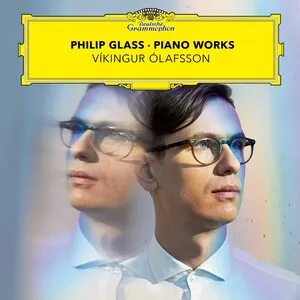
Piano Works
Philip Glass / Víkingur Ólafsson
Étude
Classical
Modern Classical
2014
2
/5
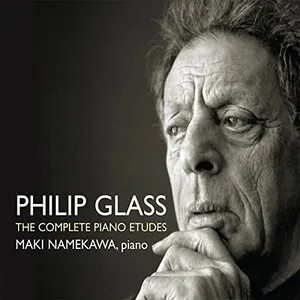
The Complete Piano Etudes
Philip Glass / Maki Namekawa
Étude
Classical
2005
1
/5
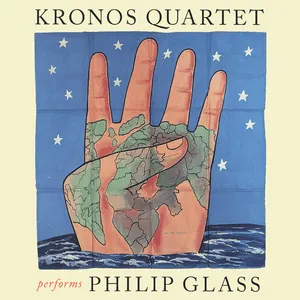
Kronos Quartet Performs Philip Glass
Philip Glass / Kronos Quartet
Post-Minimalism
String Quartet
Chamber Music
2001
3
/5
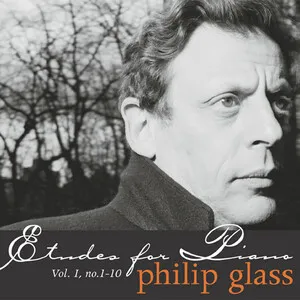
Etudes for Piano, Vol. I, No.1-10
Philip Glass
Étude
Classical
2000
1
/5
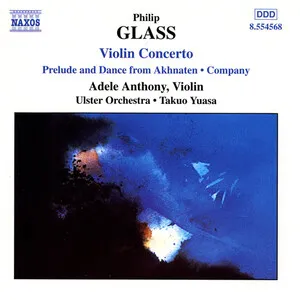
Violin Concerto; Prelude and Dance From Akhnaten; Company
Philip Glass
Minimalism
Classical
1999
2
/5
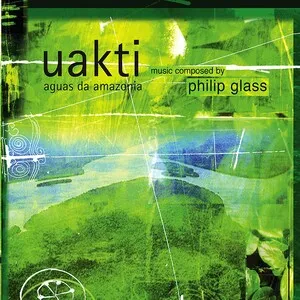
Águas da Amazônia
Philip Glass / Uakti / Marco Antônio Guimarães
Post-Minimalism
Ballet
Classical
1998
2
/5
Koyaanisqatsi
Philip Glass
Minimalism
Modern Classical
1994
1
/5
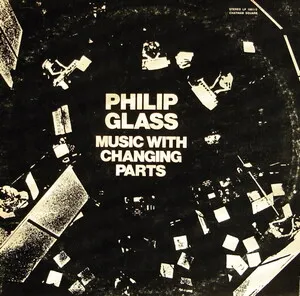
Music With Changing Parts
Philip Glass
Process Music
1993
1
/5
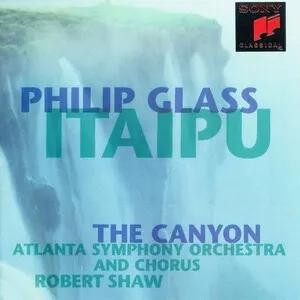
Itaipu; The Canyon
Philip Glass
Cantata
Classical
Soundtrack
1990
2
/5
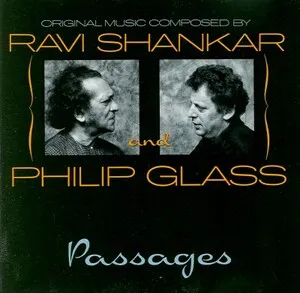
Passages
Philip Glass / Ravi Shankar
Post-Minimalism
Indian Classical
South Asian Classical Music
1989
2
/5
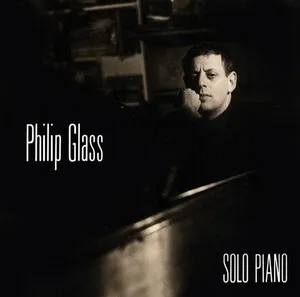
Solo Piano
Philip Glass
Minimalism
Classical
1987
2
/5
Akhnaten
Philip Glass
Post-Minimalism
1986
2
/5
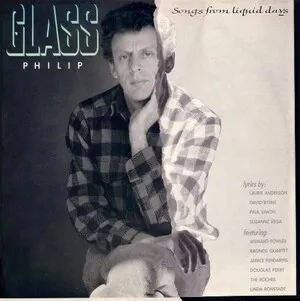
Songs From Liquid Days
Philip Glass / The Philip Glass Ensemble / Michael Riesman
Art Song
Classical
Electronic
1982
1
/5
Glassworks
Philip Glass
Minimalism
Modern Classical
Classical
1979
2
/5
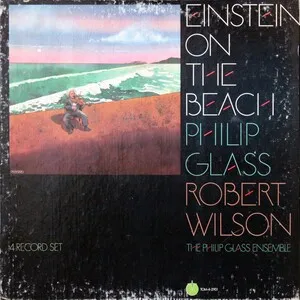
Einstein on the Beach
Philip Glass / Robert Wilson
Minimalism
Music in Similar Motion; Music in Fifths
Philip Glass
Process Music
Similar artists
4
/5
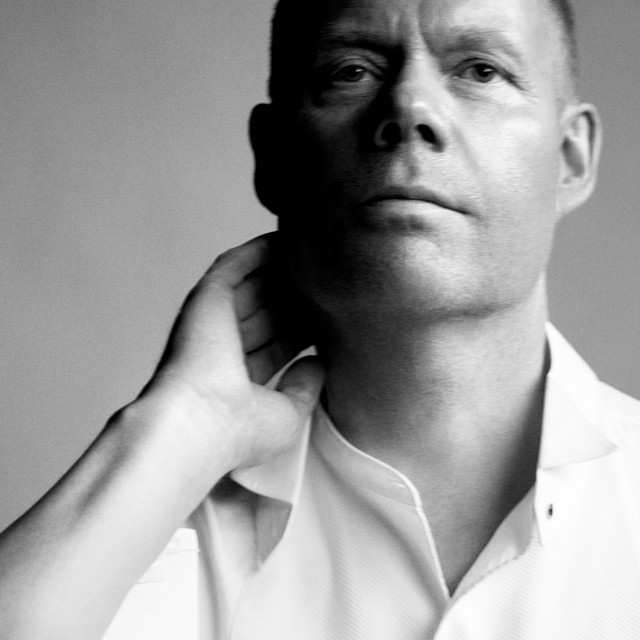
Max Richter
Post-Minimalism
Classical
Contemporary Classical
3
/5
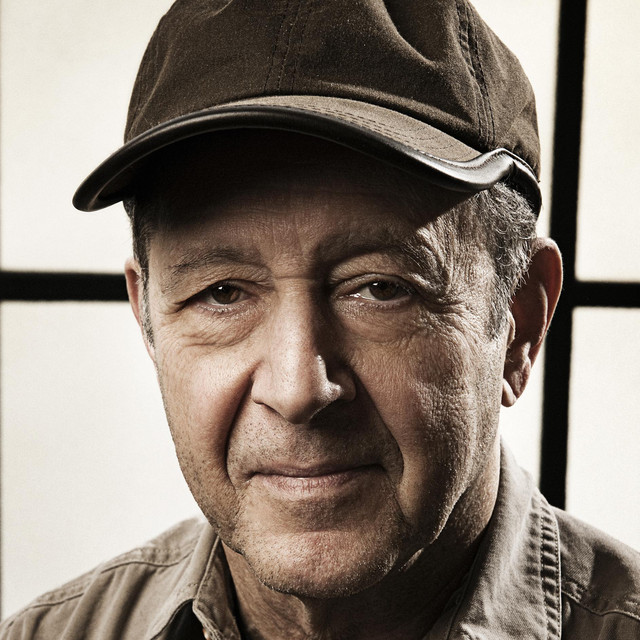
Steve Reich
Minimalism
Classical
Modern Classical
4
/5
Víkingur Ólafsson
Classical
Classical Piano
Minimalism
4
/5
Claude Debussy
Impressionism
Classical
Classical Piano
2
/5
Dennis Russell Davies
Classical
Minimalism
Modern Classical
2
/5
Ensemble Modern
Minimalism
Avant-Garde
Classical
4
/5
Andre de Ridder
Classical
Deep Soundtrack
Indian Indie
3
/5
Wim Mertens
Post-Minimalism
Minimalism
Neoclassicism
2
/5
György Ligeti
Avant-Garde
Étude
Minimalism
2
/5
Karlheinz Stockhausen
Integral Serialism
Serialism
Darmstadt School
Download our mobile app
Get the Melodigging app and start digging for new genres on the go
Download on the App Store
Get it on Google Play
© 2026 Melodigging
Give feedback
Legal
Melodding was created as a tribute to
Every Noise at Once
, which inspired us to help curious minds keep digging into music's ever-evolving genres.