Genres
Make Music
Artists
Albums
Challenges
Sign in
Sign in
Albums
By Philip Glass
Albums
By Philip Glass
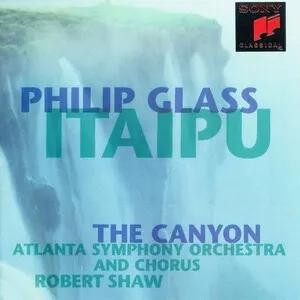
Itaipu; The Canyon
June 24, 1993
Listen
1
/5
Genres
Soundtrack
Soundtrack is music created to accompany and enhance visual media such as film, television, and video games. It includes original scores (instrumental or vocal music composed specifically for the picture) and, at times, curated compilations of pre-existing songs. Stylistically, soundtrack is a meta-genre that can encompass orchestral symphonic writing, jazz, electronic and synth-driven textures, choral forces, popular song, and experimental sound design. Its defining trait is functional storytelling: themes, motifs, harmony, rhythm, and timbre are shaped by narrative needs, character psychology, pacing, and editing. Common features include leitmotifs for characters or ideas, modular cues that can be edited to picture, dynamic orchestration for dramatic range, and production approaches that sit well under dialogue and sound effects. Because it must synchronize to picture, soundtrack often uses clear dramatic arcs, tempo maps, and hit points.
Discover
Listen
Cantata
A cantata is a multi-movement vocal composition with instrumental accompaniment, typically written for one or more soloists, choir, and a continuo or small orchestra. It may be sacred (for liturgical use) or secular (for courtly or domestic performance). Emerging in early 17th-century Italy, the cantata adopts the expressive recitative–aria contrast of opera on a smaller scale. Baroque church cantatas—especially in the German Lutheran tradition—often weave congregational chorales, contrapuntal choruses, and solo arias into a coherent cycle tied to the liturgical calendar. Stylistically, cantatas use tonal Baroque harmony, basso continuo, and movement types such as recitativo secco/accompagnato, da capo arias, choruses, and sinfonias. The genre later broadened into concert and scenic cantatas in the 19th and 20th centuries.
Discover
Listen
Classical
Classical music is the notated art-music tradition of Europe and its global descendants, characterized by durable forms, carefully codified harmony and counterpoint, and a literate score-based practice. The term “classical” can refer broadly to the entire Western art-music lineage from the Medieval era to today, not just the Classical period (c. 1750s–1820s). It privileges long-form structures (such as symphonies, sonatas, concertos, masses, and operas), functional or modal harmony, thematic development, and timbral nuance across ensembles ranging from solo instruments to full orchestras and choirs. Across centuries, the style evolved from chant and modal polyphony to tonal harmony, and later to post-tonal idioms, while maintaining a shared emphasis on written notation, performance practice, and craft.
Discover
Listen
Similar albums
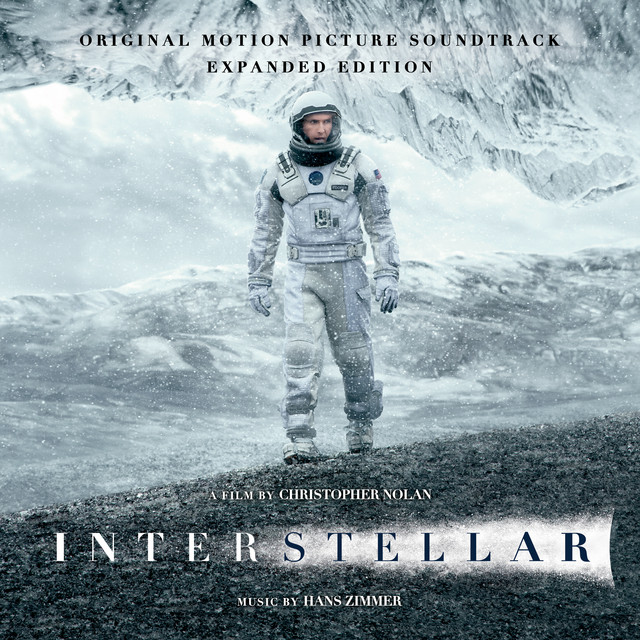
2014
Interstellar (Original Motion Picture Soundtrack) [Expanded Edition]
Hans Zimmer
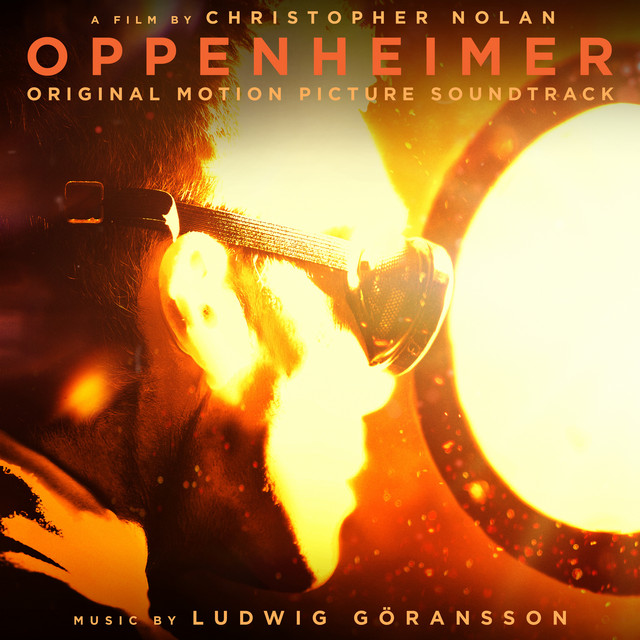
2023
Oppenheimer (Original Motion Picture Soundtrack)
Ludwig Goransson
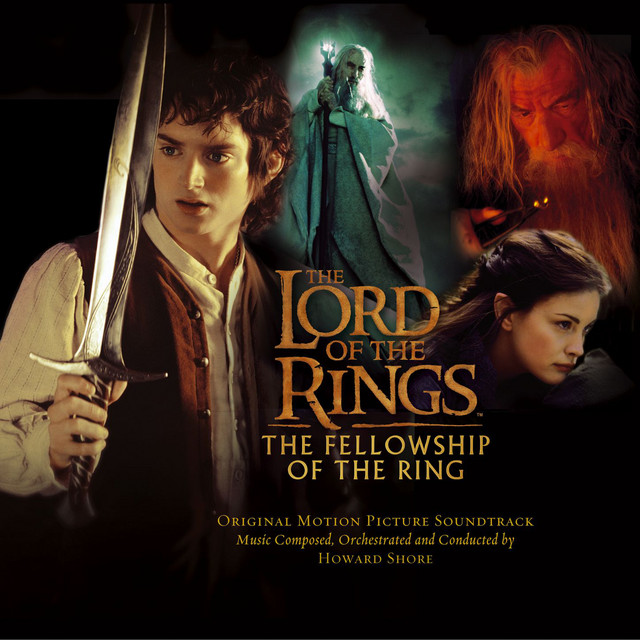
2001
The Lord of the Rings: The Fellowship of the Ring (Original Motion Picture Soundtrack)
Enya
2001
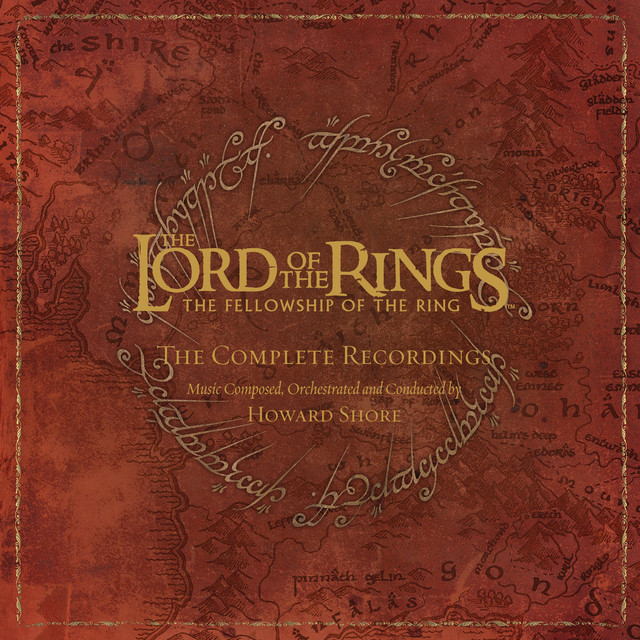
The Lord of the Rings: The Fellowship of the Ring - the Complete Recordings
Enya
2017
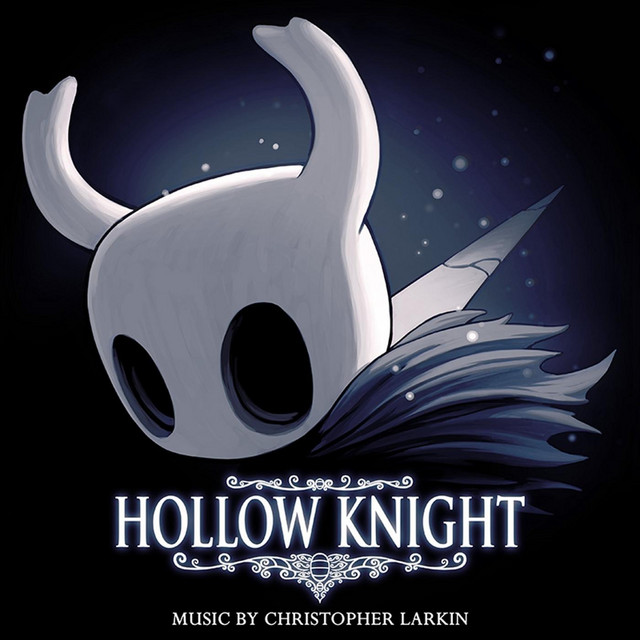
Hollow Knight (Original Soundtrack)
Christopher Larkin
2001
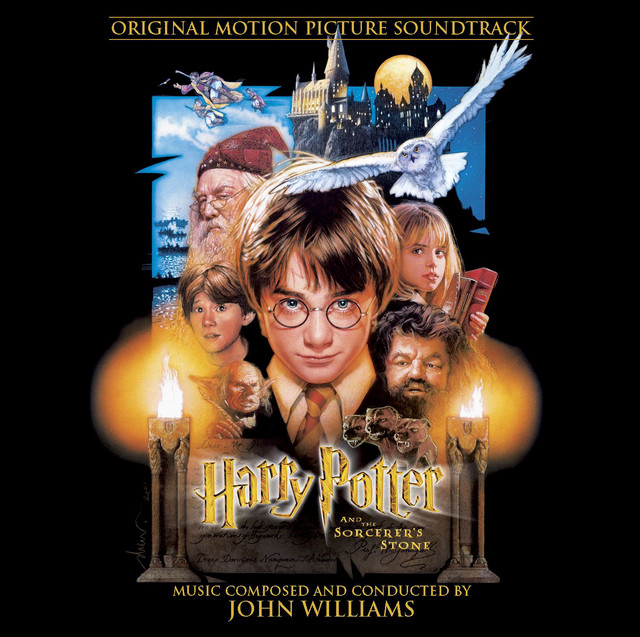
Harry Potter and The Sorcerer's Stone Original Motion Picture Soundtrack
John Williams
2010
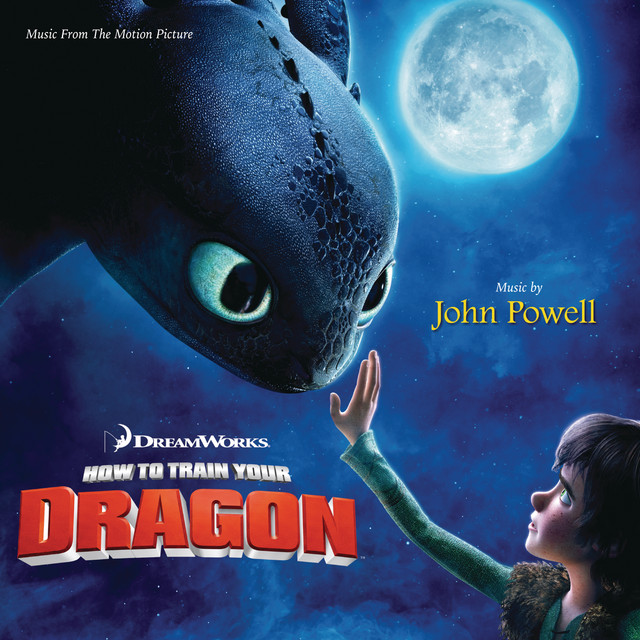
How To Train Your Dragon (Music From The Motion Picture)
Jónsi
2005
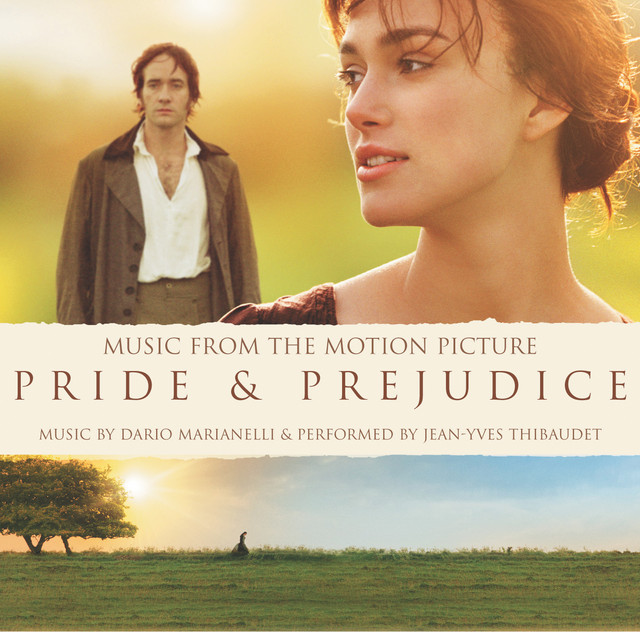
Pride and Prejudice OST
Jean-Yves Thibaudet
1995
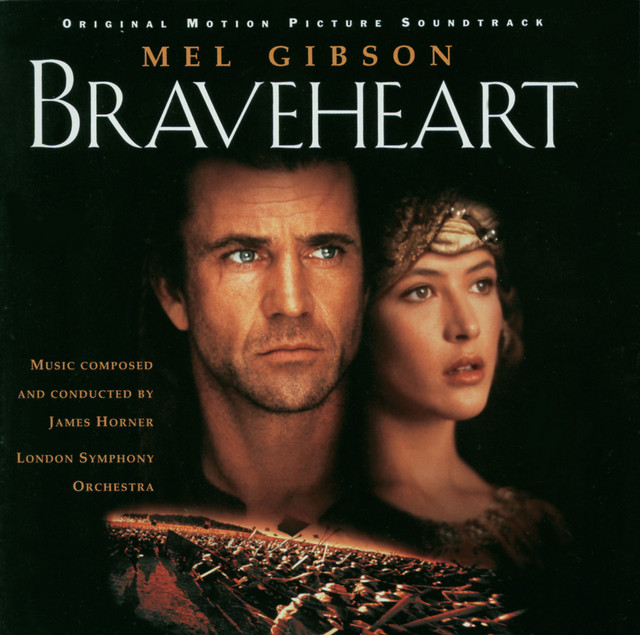
Braveheart (Original Motion Picture Soundtrack)
James Horner
2012
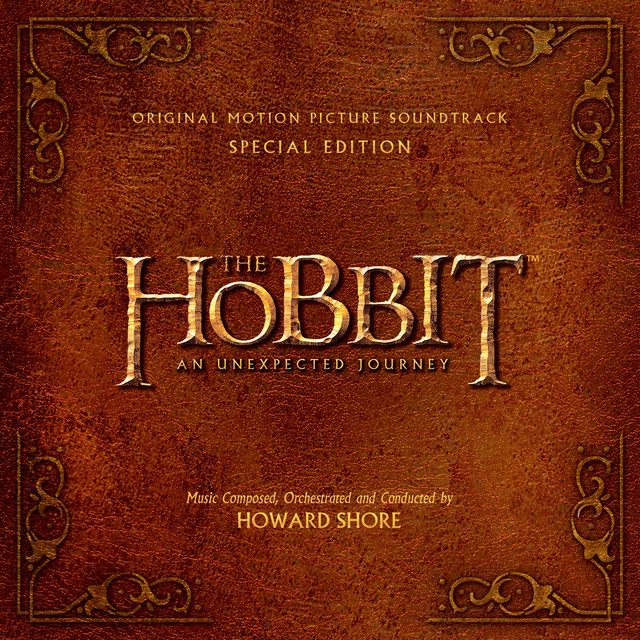
The Hobbit: An Unexpected Journey (Original Motion Picture Soundtrack) [Special Edition]
Neil Finn
Download our mobile app
Get the Melodigging app and start digging for new genres on the go
Download on the App Store
Get it on Google Play
© 2026 Melodigging
Give feedback
Legal
Melodding was created as a tribute to
Every Noise at Once
, which inspired us to help curious minds keep digging into music's ever-evolving genres.