Genres
Artists
Albums
Make Music
Sign in
Sign in
Artists
Post-Minimalism
Artists
Post-Minimalism
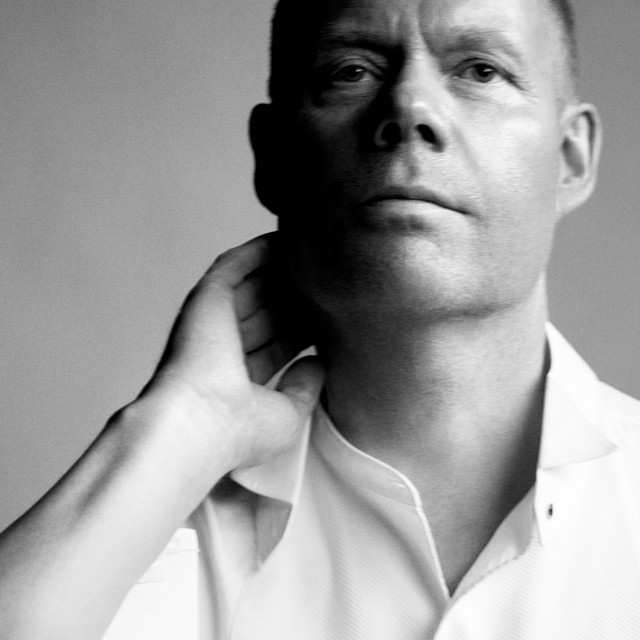
Max Richter
2014–2025
·
39 albums
Listen
4
/5
Genres
Deep Soundtrack
Deep soundtrack is a modern, cinematic substyle that emphasizes low, immersive textures, slow-moving harmony, and spacious ambience over bombast. It sits at the intersection of ambient music, post-classical scoring, and contemporary film/TV/game underscore, favoring drones, soft pulses, and intimate instruments (piano, strings, analog synths) treated with generous space and subtle sound design. Rather than foregrounding memorable themes or trailer-scale crescendos, deep soundtrack cultivates mood: tense, melancholic, or quietly hopeful. It is designed to sit under narrative, visuals, or concentration—music that breathes, evolves slowly, and suggests emotion without overwhelming it.
Discover
Listen
Indian Indie
Indian indie is the umbrella for independent, non-film music made in India across languages such as Hindi, English, and numerous regional tongues. It is defined more by its DIY production and artist-led release model than by a single sound. Musically, it spans indie pop and rock, folk-fusion, singer‑songwriter ballads, dream‑pop/shoegaze textures, and electronic‑leaning productions. Artists often blend Western harmony and song forms with raga‑tinged melodies, Indian rhythmic feels, and occasional use of traditional instruments like tabla, bansuri, or sitar. The scene grew rapidly with college festivals, small venues, and digital platforms (YouTube, streaming services, Bandcamp), plus boutique labels and festivals such as NH7 Weekender that created national visibility. Lyrically, it tends to be intimate and contemporary—touching on romance, urban life, identity, and nostalgia—while maintaining accessible hooks and warm, organic sonics.
Discover
Listen
Melancholia
Melancholia is an internet-era microgenre centered on soft-focus, sorrow-tinged pop and indie songs that foreground intimacy, space, and emotional candor. Tracks are typically slow to mid‑tempo, sung in a close, almost confessional register, and framed by sparse, reverb‑soaked textures. Sonically it lives between dream pop, bedroom pop, and slowcore: shimmering guitars or wistful synth pads drift over understated beats; piano, acoustic guitar, and low‑key electronic drums carry muted, pulsing grooves. Harmonies often favor minor keys, suspended chords, and gentle extensions (7ths/9ths) that heighten a bittersweet glow. Lyrically, melancholia lingers on solitude, late‑night self‑reflection, breakups, and fragile hope. The genre coalesced through streaming playlists and social media, where its hush, negative space, and diaristic tone translate into a cohesive, instantly recognizable mood.
Discover
Listen
Modern Downshift
Modern downshift is a contemporary, playlist-era microgenre that blends hushed alternative pop and alt‑R&B sensibilities with the spaciousness of downtempo and ambient pop. Songs are typically slow to mid‑tempo, minimal in arrangement, and intimate in vocal delivery—often breathy, close‑miked, and confessional. Production emphasizes warmth and negative space: soft sub‑bass, restrained percussion, reverb‑washed pads or guitars, and gentle saturation that keeps the overall texture velvety and nocturnal. Lyrically, the style skews introspective and late‑night: relationships, vulnerability, quiet self‑reflection, and the emotional afterglow of parties or city drives. The result is music that feels low‑key and cinematic—designed as much for solitary listening as for low‑light social settings.
Discover
Listen
Shimmer Psych
Shimmer psych is a contemporary strand of neo‑psychedelia that pairs sparkling, chorus‑washed guitars and gauzy vocal harmonies with dreamy pop songcraft. It emphasizes high‑end "shimmer," tape‑soft saturation, hypnagogic textures, and melodic hooks, sitting between dream pop, jangle pop, and classic psychedelic rock. Typical tracks are mid‑tempo, built on warm bass lines, gentle motorik or laid‑back breakbeats, and drenched in reverb, phaser, and delay. The result is sun‑bleached, nostalgic, and kaleidoscopic rather than heavy or jam‑oriented.
Discover
Listen
New Isolationism
New isolationism is a contemporary strain of isolationist ambient and post-industrial minimalism that emerged in the 2010s, particularly around Scandinavian experimental labels and studios. It foregrounds intimate, close-mic’d sound, negative space, and a quiet-but-present noise floor; its pieces feel both internal and architectural, like rooms built from reverb tails, tape hiss, and soft electronics. Sonically, the style blends glacial drones, fragile chamber timbres (strings, organ, piano), lo‑fi electronics, and field recordings into stark, slow-evolving tableaux. Melodic information is sparse—often only a few tones or gestures—while rhythm is either absent or reduced to distant pulses, heartbeats, or mechanical cycles. Vocals, when they appear, are murmured, diaristic, or abstracted by pitch and time manipulation. Aesthetically, new isolationism is post‑internet and diaristic: it captures solitude, memory, and dislocation with a palette that feels personal yet estranged, drawing as much from contemporary gallery sound practice as from classic dark ambient.
Discover
Listen
Christmas Product
“Christmas product” is a meta‑category of holiday recordings designed primarily as functional, keyword‑optimized music products rather than as artist‑driven albums. These releases are typically studio or library sessions that package public‑domain carols and well‑known seasonal standards in accessible styles, often under generic ensemble names, for use in playlists, in‑store ambience, television bumpers, ads, and low‑cost compilations. Sonically, the style leans on bright, welcoming arrangements (strings, choir pads, sleigh bells, glockenspiel, light rhythm sections) and familiar melodic treatments that evoke classic Christmas sentimentality. Tracks are usually mastered for consistency and utility (clean intros, sting endings, tidy cut‑downs), enabling seamless placement across media and streaming contexts.
Discover
Listen
Erotik
Erotik is a German-language audio genre centered on erotic storytelling, narration, and audio drama. Rather than songs, its core works are spoken-word performances—often duet or ensemble radio-play style—with sensual Foley, ambient beds, and intimate vocal delivery that aims to evoke desire and immersion. The genre spans short-form vignettes to long-form serialized narratives. Production ranges from dry, close-miked voices to richly designed soundscapes with binaural techniques, ASMR-inspired whispering, and suggestive environmental cues (bedsheets, footsteps, city nights). Releases appear on streaming platforms alongside music and audiobooks, typically tagged for adult audiences.
Discover
Listen
Focus Trance
Focus trance is a modern, low‑drama branch of trance tailored for concentration, study, coding, and deep work. It borrows trance’s hypnotic pulse and long-form structure, but softens the edges: fewer big drops, restrained builds, minimal vocals, and a narrow dynamic range that lets listeners sink into a steady flow state. Sonically, it tends to sit between ambient trance and progressive trance: warm pads, subtly modulated arps, muted kicks and basslines that groove without dominating, and gently evolving textures. Most tracks avoid abrupt transitions, extreme high‑frequency content, or dense mid‑range clutter, making them ideal as a musical backdrop that sustains attention over long sessions.
Discover
Listen
Modern Uplift
Modern uplift is a streaming‑era microgenre label for contemporary, radio‑friendly pop/rock that emphasizes optimistic, motivational songwriting and anthemic, sing‑along choruses. It sits at the intersection of post‑grunge sheen and arena‑rock scale, updated with modern pop production touches. Compared with darker alternative strains, modern uplift favors major‑key progressions, mid‑tempo grooves, layered guitars and keys, and polished mixes designed to translate from headphones to large venues. Its lineage runs through 1990s–2000s post‑grunge’s radio‑ready polish and 1970s–1980s arena rock’s big, melodic hooks, reframed in the 2010s by streaming and playlist culture that grouped kindred artists under fine‑grained microgenre tags.
Discover
Listen
Pop Urbaine
Pop urbaine is a French mainstream pop style that blends contemporary R&B, hip hop, Afrobeats, dancehall, zouk, raï, and reggaeton with chart‑friendly songwriting. It emphasizes melodic hooks, mid‑tempo grooves, and sleek vocal production (often with Auto‑Tune) while foregrounding everyday, romantic, and nightlife themes in colloquial French. Rhythmically it favors syncopated Afro‑Caribbean patterns, sparse but bouncy 808 drums, and light guitar or synth plucks, creating a buoyant, danceable feel without the aggressiveness of club music. Vocals typically alternate between sung refrains and rap‑influenced verses, with catchy refrains designed for streaming and social media virality. The genre became a defining sound of French popular culture in the late 2010s, driven by a new generation of Francophone artists with diasporic roots who globalized French pop while keeping its language and local slang at the center.
Discover
Listen
Compositional Ambient
Compositional ambient is a strand of ambient music that foregrounds written, motif‑driven structures and classical instrumentation while preserving the spaciousness and timbral subtlety of ambient sound design. It typically blends slow, consonant harmony with post‑minimalist processes, using piano, strings, and soft electronics to build gentle arcs, ostinati, and long decays. Unlike purely generative or texture‑only ambient, it emphasizes form, counterpoint, and thematic development—often with cinematic pacing and intimate production aimed at close, contemplative listening.
Discover
Listen
Modern Classical
Modern classical is a contemporary strand of instrumental music that applies classical composition techniques to intimate, cinematic settings. It typically foregrounds piano and strings, is sparsely orchestrated, and embraces ambience, repetition, and timbral detail. Rather than the academic modernism of the early 20th century, modern classical as used today refers to accessible, mood-driven works that sit between classical, ambient, and film music. Felt pianos, close‑miked string quartets, tape hiss, drones, soft electronics, and minimal harmonic movement are common, producing a contemplative, emotionally direct sound that translates well to headphones, streaming playlists, and screen media.
Discover
Listen
Post-Minimalism
Post-minimalism is a strand of contemporary classical music that grows out of 1960s minimalism but permits greater harmonic variety, expressive shaping, and formal narrative. It retains hallmarks such as steady pulse, repetitive patterns, and clear tonal or modal centers, yet loosens strict process rules, welcomes richer orchestration, and often draws on influences from rock, jazz, and non-Western musics. Compared with early minimalism’s austere procedures, post-minimalist works tend to feature long-arching climaxes, brighter triadic harmony, layered ostinati, and dynamic textural changes, yielding music that can be both hypnotic and overtly dramatic. The style appears in concert works, opera, chamber music, and film, where its driving pulse and luminous harmonies translate into compelling narrative momentum.
Discover
Listen
Ambient
Ambient is a form of electronic and electroacoustic music that prioritizes tone, atmosphere, and texture over conventional song structures and rhythmic drive. It typically features slow-moving harmonies, sustained drones, gentle timbral shifts, and extensive use of space and silence. Rather than drawing attention to itself through hooks or beats, ambient is designed to be as ignorable as it is interesting, rewarding both background listening and focused immersion. Artists often employ synthesizers, samplers, tape loops, field recordings, and subtle acoustic instruments, with reverb and delay creating a sense of place. Substyles range from luminous, consonant soundscapes to darker, more dissonant atmospheres.
Discover
Listen
Minimalism
Minimalism is a style of Western art music that emerged in the United States during the 1960s, characterized by the use of very limited musical materials, steady pulse, and extensive repetition. Composers often build pieces from short cells or motifs that are repeated and slowly transformed through additive or subtractive processes, phase shifting, and gradual changes in harmony, texture, or register. Harmony is typically consonant (often modal or diatonic), though just intonation and extended drones are also common. The result is music that foregrounds process, clarity, audibility of structure, and a hypnotic sense of stasis and flow. Typical ensembles include keyboards, mallet percussion, strings, winds, voices, and electronics or tape. Minimalism influenced a wide array of later styles, from ambient and new age to post-minimalism and minimal techno.
Discover
Listen
Contemporary Classical
Contemporary classical is the broad field of Western art music created after World War II. It embraces an array of aesthetics—from serialism and indeterminacy to minimalism, spectralism, electroacoustic practices, and post‑tonal lyricism—while retaining a concern for notated composition and timbral innovation. Unlike the unified styles of earlier eras, contemporary classical is pluralistic. Composers freely mix acoustic and electronic sound, expand instrumental techniques, adopt non‑Western tuning and rhythm, and explore new forms, from process-based structures to open and graphic scores. The result is a music that can be rigorously complex or radically simple, technologically experimental or intimately acoustic, yet consistently focused on extending how musical time, timbre, and form can be shaped.
Discover
Listen
Soundtrack
Soundtrack is music created to accompany and enhance visual media such as film, television, and video games. It includes original scores (instrumental or vocal music composed specifically for the picture) and, at times, curated compilations of pre-existing songs. Stylistically, soundtrack is a meta-genre that can encompass orchestral symphonic writing, jazz, electronic and synth-driven textures, choral forces, popular song, and experimental sound design. Its defining trait is functional storytelling: themes, motifs, harmony, rhythm, and timbre are shaped by narrative needs, character psychology, pacing, and editing. Common features include leitmotifs for characters or ideas, modular cues that can be edited to picture, dynamic orchestration for dramatic range, and production approaches that sit well under dialogue and sound effects. Because it must synchronize to picture, soundtrack often uses clear dramatic arcs, tempo maps, and hit points.
Discover
Listen
Score
Score refers to original music composed to synchronize with and shape the narrative of visual media—primarily film, television, and, later, video games. Unlike a “soundtrack,” which often compiles pre-existing songs, a score is written to picture, uses timing cues to support storytelling beat by beat, and develops recurring themes (leitmotifs) for characters, settings, or ideas. The palette ranges from late‑Romantic orchestration and modernist harmony to jazz idioms, electronic sound design, and global instrumentation. Hallmarks include thematic development, hit points, motif variation, orchestration color, and a close relationship with sound effects and dialogue in the final mix.
Discover
Listen
Neoclassicism
Neoclassicism in music is a 20th‑century movement that revived forms, genres, and aesthetics from the Baroque and Classical eras, but reframed them with modern harmony, rhythm, and orchestration. It emphasizes clarity, balance, objectivity, and contrapuntal craft, often rejecting late‑Romantic excess while retaining a tonal or modal center enriched by dissonance, bitonality, and crisp rhythmic drive. Typical hallmarks include neobaroque dance suites, neoclassical sonatas and concerti, chamber‑oriented scoring, clean textures, and a dry, anti‑rhetorical performance style.
Discover
Listen
Avant-Garde
Avant-garde music is an umbrella term for boundary-pushing practices that challenge prevailing norms of harmony, rhythm, timbre, form, and performance. It privileges experimentation, conceptual rigor, and a willingness to reframe what counts as music at all. Historically tied to early 20th‑century artistic modernism, avant-garde music introduced atonality, the emancipation of noise, and new forms of notation and process. It embraces indeterminacy, extended techniques, electronics, spatialization, and multimedia performance, treating sound as material to be sculpted, questioned, and reinvented.
Discover
Listen
Electronic
Electronic is a broad umbrella genre defined by the primary use of electronically generated or electronically processed sound. It encompasses music made with synthesizers, drum machines, samplers, computers, and studio/tape techniques, as well as electroacoustic manipulation of recorded or synthetic sources. The genre ranges from academic and experimental traditions to popular and dance-oriented forms. While its sonic palette is rooted in electricity and circuitry, its aesthetics span minimal and textural explorations, structured song forms, and beat-driven club permutations. Electronic emphasizes sound design, timbre, and studio-as-instrument practices as much as melody and harmony.
Discover
Listen
Ballet
Ballet (as a musical genre) refers to orchestral music written to accompany choreographed dance on stage. It prioritizes clear tempi, strongly articulated rhythms, and memorable leitmotifs to support narrative, character, and movement. While rooted in court entertainment, ballet music evolved into a sophisticated, self-sufficient concert art: many ballets yield popular orchestral suites that are performed independently. Typical numbers include adagios, variations, codas, divertissements, character dances, and large ensemble scenes that mirror the dramatic arc of the choreography. Stylistically, ballet spans Baroque courtly idioms, Classical clarity, Romantic lyricism, and 20th‑century modernism and neoclassicism. It is predominantly instrumental (full orchestra), but can occasionally include choral or vocal parts when dramaturgy requires it.
Discover
Listen
Classical
Classical music is the notated art-music tradition of Europe and its global descendants, characterized by durable forms, carefully codified harmony and counterpoint, and a literate score-based practice. The term “classical” can refer broadly to the entire Western art-music lineage from the Medieval era to today, not just the Classical period (c. 1750s–1820s). It privileges long-form structures (such as symphonies, sonatas, concertos, masses, and operas), functional or modal harmony, thematic development, and timbral nuance across ensembles ranging from solo instruments to full orchestras and choirs. Across centuries, the style evolved from chant and modal polyphony to tonal harmony, and later to post-tonal idioms, while maintaining a shared emphasis on written notation, performance practice, and craft.
Discover
Listen
Show all 24 genres
Albums
2025
4
/5
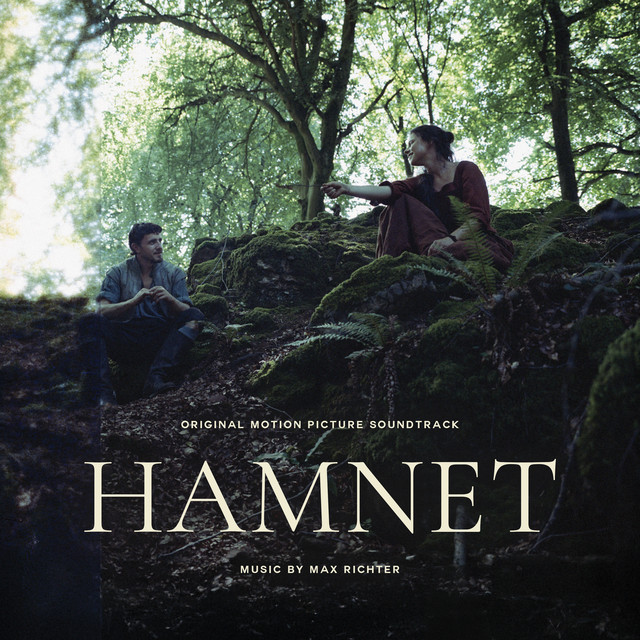
Hamnet (Original Motion Picture Soundtrack)
Max Richter
Post-Minimalism
Classical
Score
2025
3
/5
Of the undiscovered country (From The Original Motion Picture "Hamnet")
Max Richter
Post-Minimalism
Minimalism
Contemporary Classical
2024
2
/5
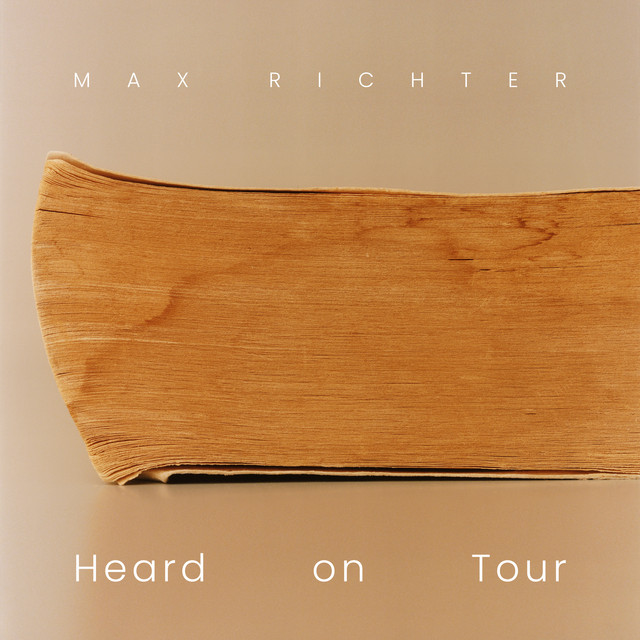
Heard On Tour
Max Richter
Post-Minimalism
2024
2
/5
On the Nature of Daylight (Piano Version)
Max Richter
Post-Minimalism
2024
2
/5
River (It's Coming On Christmas)
Max Richter
Post-Minimalism
Contemporary Classical
Compositional Ambient
2024
3
/5
A Colour Field (Piano Version)
Max Richter
Post-Minimalism
Compositional Ambient
Contemporary Classical
2024
2
/5
My Brilliant Friend, Season 4 (Original Soundtrack)
Max Richter
Post-Minimalism
Score
2024
3
/5
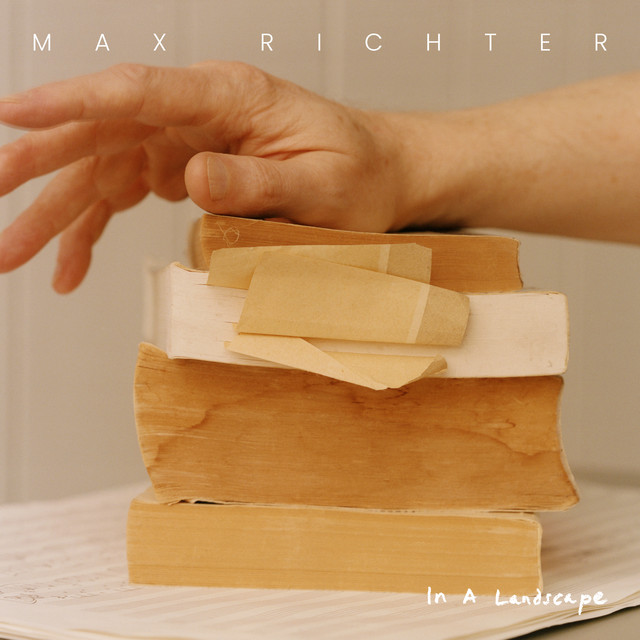
In A Landscape
Max Richter
Post-Minimalism
2024
2
/5
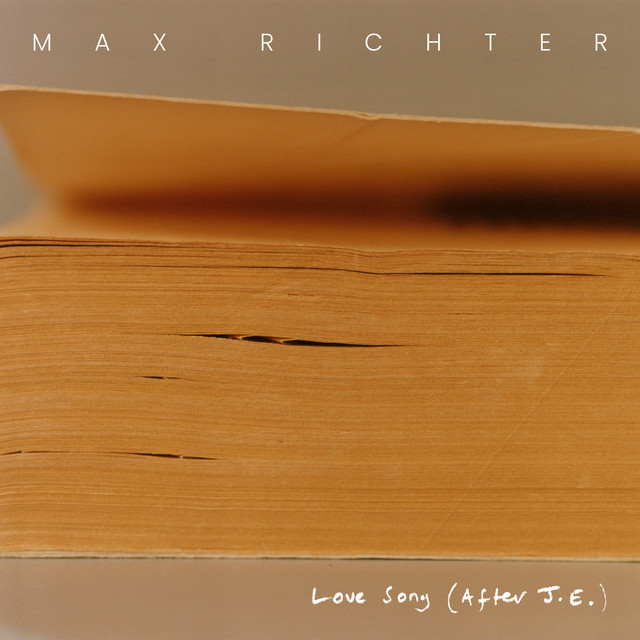
Love Song (After JE)
Max Richter
Post-Minimalism
2024
2
/5
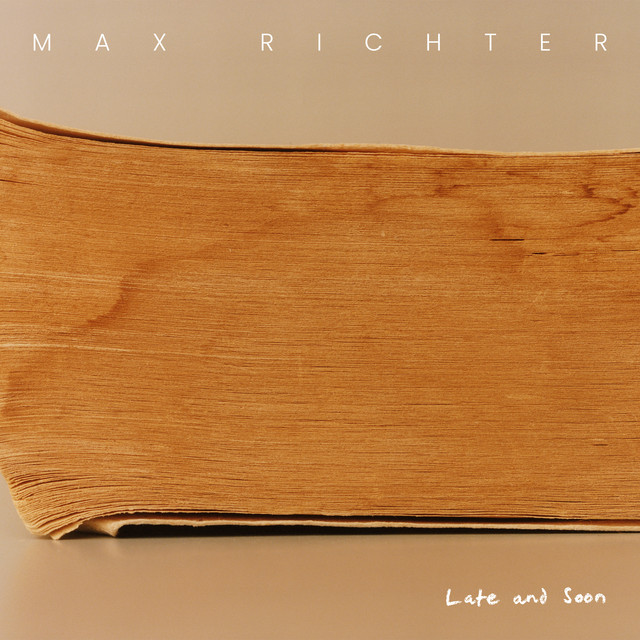
Late and Soon
Max Richter
Post-Minimalism
2024
3
/5
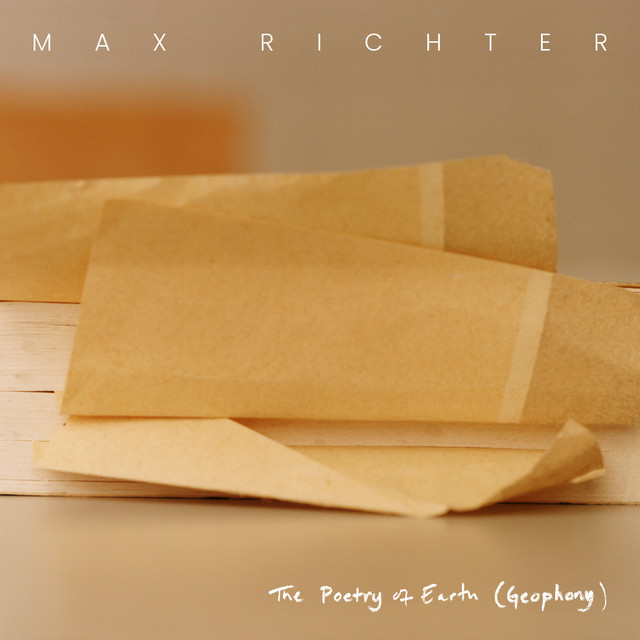
The Poetry of Earth (Geophony)
Max Richter
Post-Minimalism
Minimalism
Compositional Ambient
2024
3
/5
Movement, Before All Flowers
Max Richter
Post-Minimalism
Minimalism
Contemporary Classical
2024
2
/5
The Veil (Original Soundtrack)
Max Richter
Post-Minimalism
2024
2
/5
Sleep (Piano Edition)
Max Richter
Post-Minimalism
2024
1
/5
Return 2 (song) [Piano Short Edit]
Max Richter
Post-Minimalism
Minimalism
Contemporary Classical
2024
3
/5
Spaceman (Original Motion Picture Soundtrack)
Max Richter
Post-Minimalism
Score
2024
2
/5
Non-eternal (Piano Short Edit)
Max Richter
Post-Minimalism
2024
3
/5
Dream 0 (till break of day) [Piano Short Edit]
Max Richter
Post-Minimalism
2021
2
/5
Invasion Main Title (From "Invasion")
Max Richter
Post-Minimalism
2021
3
/5
Voices 2
Max Richter
Post-Minimalism
Ambient
Electronic
2021
2
/5
Mirrors
Max Richter
Post-Minimalism
2020
2
/5
Voices
Max Richter
Post-Minimalism
2019
3
/5
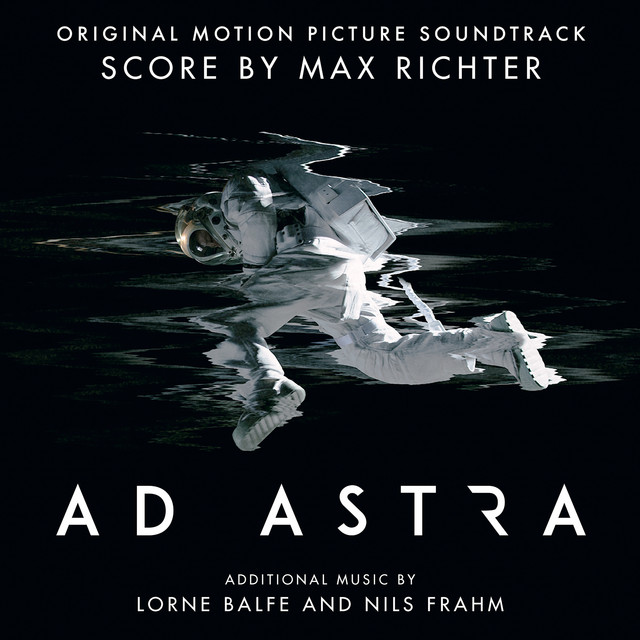
Ad Astra (Original Motion Picture Soundtrack)
Max Richter
Post-Minimalism
Modern Classical
Score
2019
3
/5
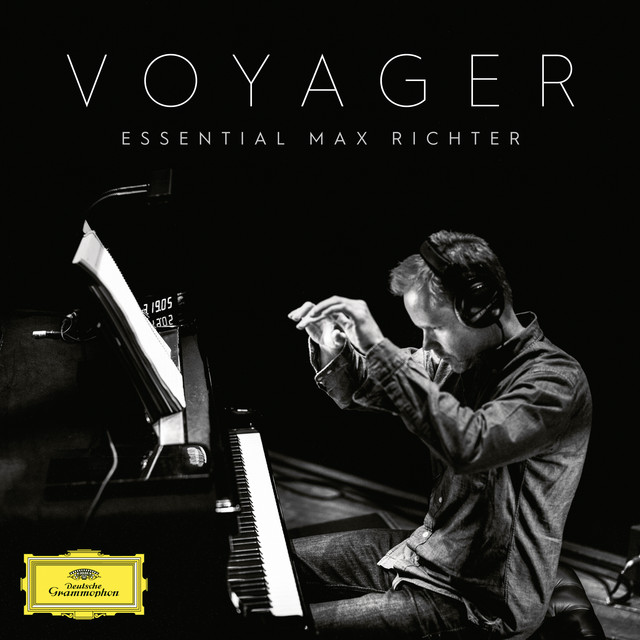
Voyager - Essential Max Richter
Max Richter
Post-Minimalism
2019
3
/5
To The Stars (From "Ad Astra" Soundtrack)
Max Richter
Post-Minimalism
Minimalism
Contemporary Classical
2019
2
/5
Richter: Dream Solo
Max Richter
Post-Minimalism
2018
3
/5
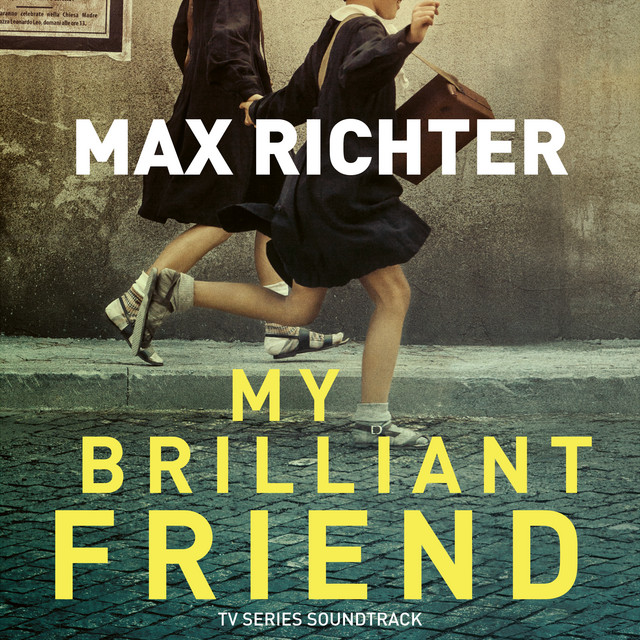
My Brilliant Friend (TV Series Soundtrack)
Max Richter
Post-Minimalism
2018
4
/5
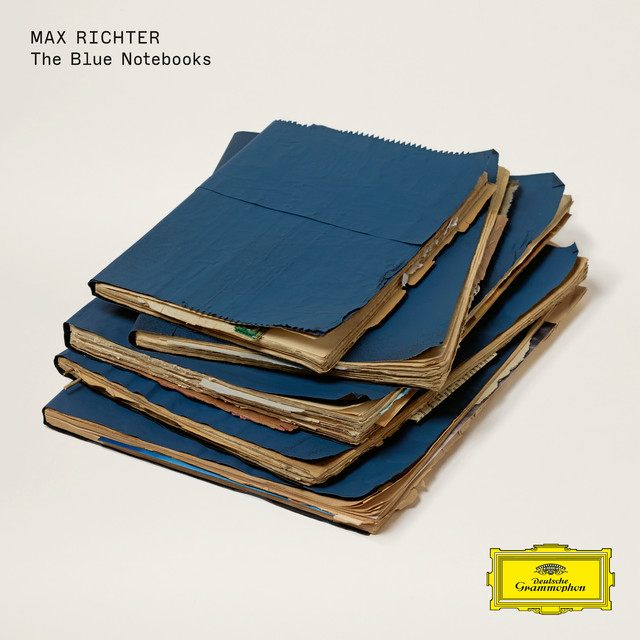
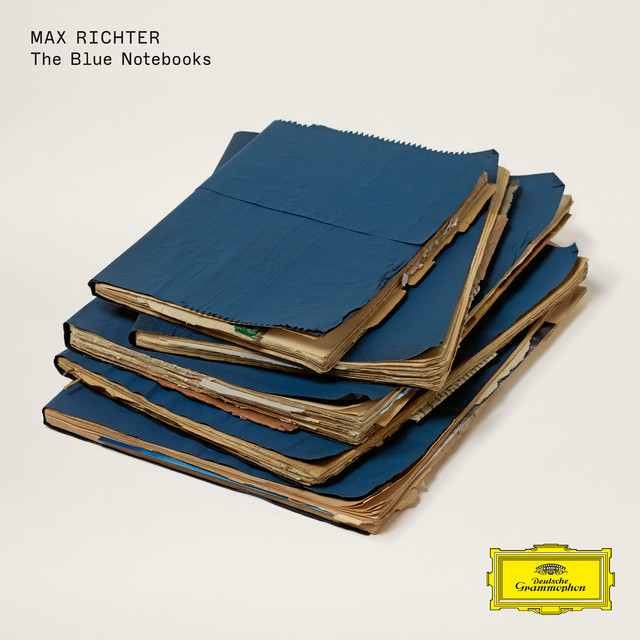
The Blue Notebooks (15 Years)
Max Richter
Post-Minimalism
Minimalism
Contemporary Classical
2018
2
/5
A Catalogue Of Afternoons
Max Richter
Post-Minimalism
2017
3
/5
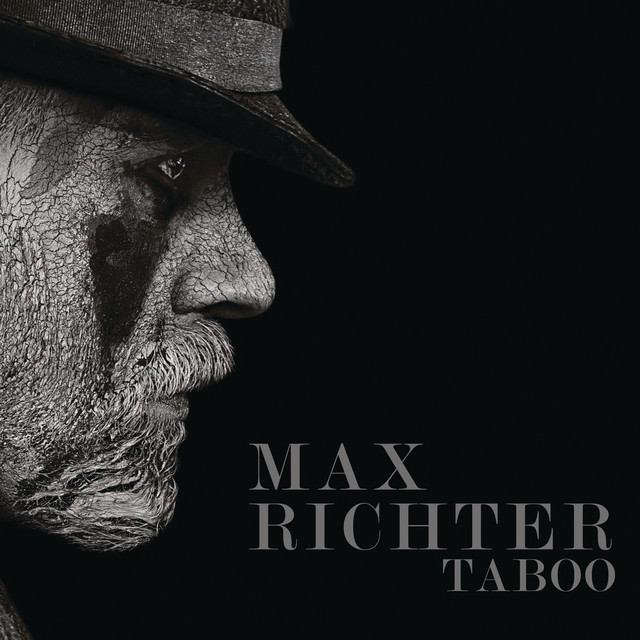
Taboo (Music From The Original TV Series)
Max Richter
Post-Minimalism
2017
3
/5
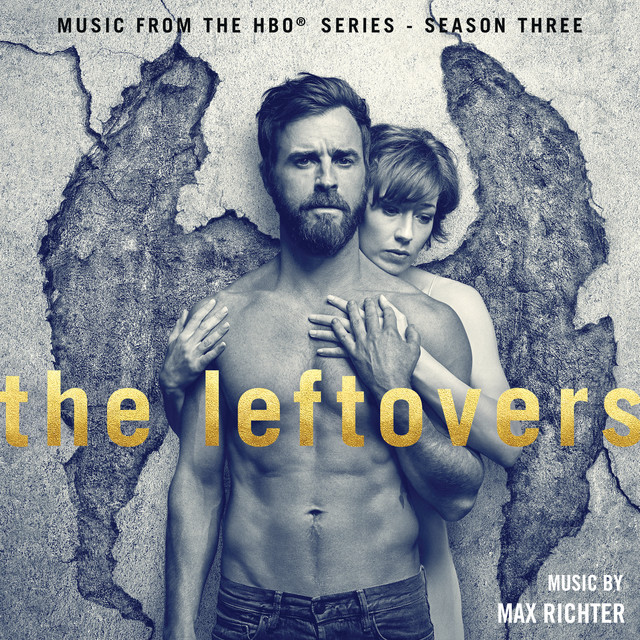
The Leftovers: Season 3 (Music from the HBO Series)
Max Richter
Post-Minimalism
2017
2
/5
Spotify Singles
Max Richter
Post-Minimalism
2017
3
/5
Three Worlds: Music From Woolf Works
Max Richter
Ballet
Modern Classical
2016
3
/5
Black Mirror - Nosedive (Music From The Original TV Series)
Max Richter
Post-Minimalism
2016
3
/5
The Leftovers: Season 2 (Music from the HBO Series)
Max Richter
Post-Minimalism
2015
3
/5
From Sleep
Max Richter
Post-Minimalism
2015
4
/5
Sleep
Max Richter
Post-Minimalism
Classical
Electronic
2014
4
/5
The Leftovers: Season 1 (Music from the HBO Series)
Max Richter
Post-Minimalism
2014
3
/5
Recomposed By Max Richter: Vivaldi, The Four Seasons
Max Richter
Post-Minimalism
Classical
Modern Classical
Similar artists
4
/5
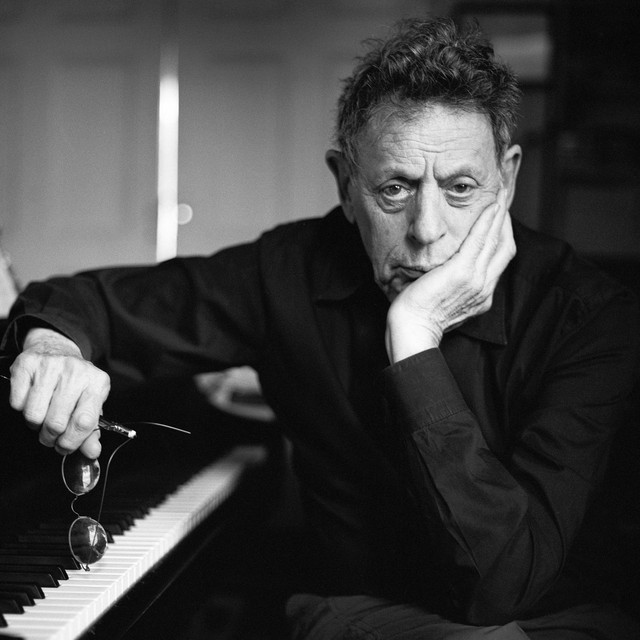
Philip Glass
Classical
Minimalism
Modern Classical
3
/5
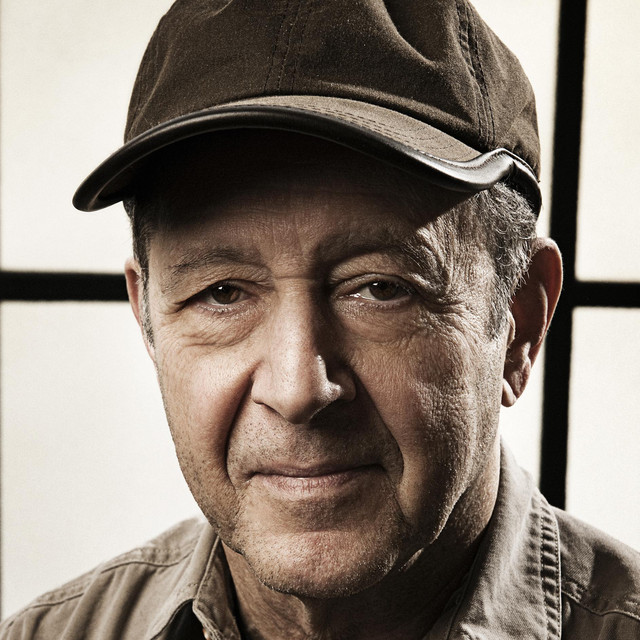
Steve Reich
Minimalism
Classical
Modern Classical
3
/5
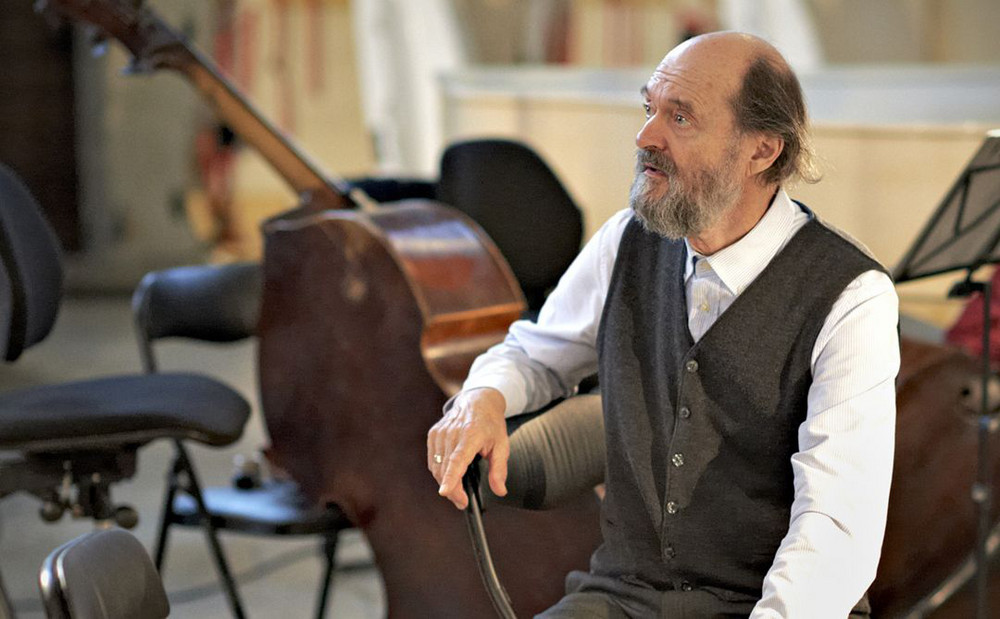
Arvo Pärt
Minimalism
Classical
Holy Minimalism
3
/5
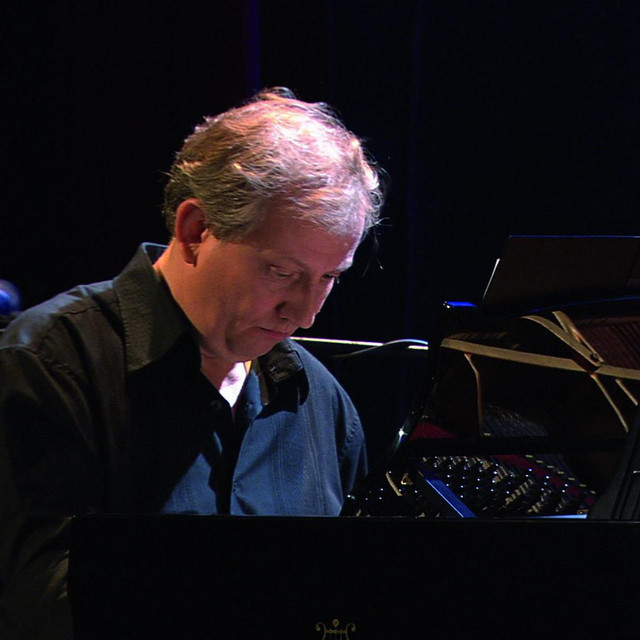
Wim Mertens
Post-Minimalism
Minimalism
Neoclassicism
4
/5
Nils Frahm
Minimalism
Contemporary Classical
Ambient
3
/5
Kronos Quartet
Classical
Chamber Music
Latin American Classical Music
2
/5
Dennis Russell Davies
Classical
Minimalism
Modern Classical
4
/5
Andre de Ridder
Classical
Deep Soundtrack
Indian Indie
2
/5
Uakti
Minimalism
Nova Musica Paulista
Ballet
4
/5
Ludovico Einaudi
Classical
Contemporary Classical
Compositional Ambient
Download our mobile app
Get the Melodigging app and start digging for new genres on the go
Download on the App Store
Get it on Google Play
© 2026 Melodigging
Give feedback
Legal
Melodding was created as a tribute to
Every Noise at Once
, which inspired us to help curious minds keep digging into music's ever-evolving genres.