Genres
Artists
Albums
Make Music
Sign in
Sign in
Artists
Classical
Artists
Classical
Ludovico Einaudi
1988–2026
·
63 albums
Listen
4
/5
Genres
Deep Soundtrack
Deep soundtrack is a modern, cinematic substyle that emphasizes low, immersive textures, slow-moving harmony, and spacious ambience over bombast. It sits at the intersection of ambient music, post-classical scoring, and contemporary film/TV/game underscore, favoring drones, soft pulses, and intimate instruments (piano, strings, analog synths) treated with generous space and subtle sound design. Rather than foregrounding memorable themes or trailer-scale crescendos, deep soundtrack cultivates mood: tense, melancholic, or quietly hopeful. It is designed to sit under narrative, visuals, or concentration—music that breathes, evolves slowly, and suggests emotion without overwhelming it.
Discover
Listen
Fake
“Fake” is an informal, streaming-era genre tag used for sound‑alike covers, karaoke takes, tribute recordings, and generic instrumental remakes that closely mimic current or classic hits. Rather than foregrounding the original songwriter’s concept, these recordings prioritize recognizability, search optimization, and fast turnaround. Session singers and studio players reproduce the hook, tempo, and arrangement with minimal reinterpretation; track and artist names often echo the original title or lyrical catchphrase to capture search traffic.
Discover
Listen
Flint Sound
Flint sound is a contemporary Michigan rap style centered in Flint, United States. It is characterized by fast, minimal, piano- or organ-led beats, dry and upfront vocals, and bar-by-bar “punch‑in” delivery that often rides slightly ahead of or behind the grid for a conversational, off‑kilter feel. The production typically favors bright piano loops, staccato 808 slides, crisp claps or rimshots, and sparse percussion, leaving plenty of space for relentless punchlines, gritty street reportage, and mischievous humor. While hard-edged and streetwise, the style frequently leans into charismatic personality and wit, making it both aggressive and infectious for dancing.
Discover
Listen
Indian Indie
Indian indie is the umbrella for independent, non-film music made in India across languages such as Hindi, English, and numerous regional tongues. It is defined more by its DIY production and artist-led release model than by a single sound. Musically, it spans indie pop and rock, folk-fusion, singer‑songwriter ballads, dream‑pop/shoegaze textures, and electronic‑leaning productions. Artists often blend Western harmony and song forms with raga‑tinged melodies, Indian rhythmic feels, and occasional use of traditional instruments like tabla, bansuri, or sitar. The scene grew rapidly with college festivals, small venues, and digital platforms (YouTube, streaming services, Bandcamp), plus boutique labels and festivals such as NH7 Weekender that created national visibility. Lyrically, it tends to be intimate and contemporary—touching on romance, urban life, identity, and nostalgia—while maintaining accessible hooks and warm, organic sonics.
Discover
Listen
Isekai
Isekai (lit. "another world") in music refers to songs and scores written for anime and games where characters are transported—often accidentally or involuntarily—into a parallel universe or fantasy world. In practice, it is a sub-current of Japanese anisong and soundtrack culture whose soundworld emphasizes the wonder, peril, and empowerment arcs typical of isekai narratives. Musically, isekai blends high-impact J‑pop/J‑rock openings (OPs) with hybrid orchestral scores: soaring string ostinati, heroic brass, choir pads, and EDM/rock rhythm sections used to frame battles, leveling-up sequences, and portal moments. Endings (EDs) often pivot to lyrical, nostalgic or bittersweet pop to reflect homesickness, found-family bonds, or the protagonist’s inner monologue.
Discover
Listen
Melancholia
Melancholia is an internet-era microgenre centered on soft-focus, sorrow-tinged pop and indie songs that foreground intimacy, space, and emotional candor. Tracks are typically slow to mid‑tempo, sung in a close, almost confessional register, and framed by sparse, reverb‑soaked textures. Sonically it lives between dream pop, bedroom pop, and slowcore: shimmering guitars or wistful synth pads drift over understated beats; piano, acoustic guitar, and low‑key electronic drums carry muted, pulsing grooves. Harmonies often favor minor keys, suspended chords, and gentle extensions (7ths/9ths) that heighten a bittersweet glow. Lyrically, melancholia lingers on solitude, late‑night self‑reflection, breakups, and fragile hope. The genre coalesced through streaming playlists and social media, where its hush, negative space, and diaristic tone translate into a cohesive, instantly recognizable mood.
Discover
Listen
Modern Downshift
Modern downshift is a contemporary, playlist-era microgenre that blends hushed alternative pop and alt‑R&B sensibilities with the spaciousness of downtempo and ambient pop. Songs are typically slow to mid‑tempo, minimal in arrangement, and intimate in vocal delivery—often breathy, close‑miked, and confessional. Production emphasizes warmth and negative space: soft sub‑bass, restrained percussion, reverb‑washed pads or guitars, and gentle saturation that keeps the overall texture velvety and nocturnal. Lyrically, the style skews introspective and late‑night: relationships, vulnerability, quiet self‑reflection, and the emotional afterglow of parties or city drives. The result is music that feels low‑key and cinematic—designed as much for solitary listening as for low‑light social settings.
Discover
Listen
Weightless
Weightless is a minimalist, beatless offshoot of grime and UK club music that emphasizes negative space, texture, and atmospherics over traditional drum patterns. Rather than driving on a kick–snare grid, tracks hover at grime-adjacent tempos while using sub-bass swells, icy pads, atonal stabs, and carefully placed percussive flickers. The result feels suspended and disorienting—dense in sound design yet sparse in rhythm—creating a floating, zero-gravity sensation. The style foregrounds sound design and spatial mixing: long decays, reverb tails, and silence are treated as compositional elements. It’s club-informed but introspective, often sitting between ambient, experimental electronic music, and deconstructed grime.
Discover
Listen
Workout Product
Workout product is a functional, production-oriented music micro-genre built for high-energy exercise contexts—HIIT, cardio, strength circuits, spin, and bootcamps. Rather than being artist-led, it is library- and catalog-driven: concise, loop-friendly tracks emphasize a steady, powerful four-on-the-floor pulse, simple hyping hooks, and drop-focused structures that sustain intensity. Typical tempos fall in the 120–150 BPM range (often synced to rep cadence or interval timers), with bright, compressed sonics, sidechained bass, and clear transitional cues for work/rest blocks. It draws from mainstream EDM and dance-pop (big-room builds, future-bass lift, electro-house grit) and modern pop/rap percussion. The result is highly motivational, durable background music that helps pace workouts and energize group classes, digital fitness content, and gym environments.
Discover
Listen
Compositional Ambient
Compositional ambient is a strand of ambient music that foregrounds written, motif‑driven structures and classical instrumentation while preserving the spaciousness and timbral subtlety of ambient sound design. It typically blends slow, consonant harmony with post‑minimalist processes, using piano, strings, and soft electronics to build gentle arcs, ostinati, and long decays. Unlike purely generative or texture‑only ambient, it emphasizes form, counterpoint, and thematic development—often with cinematic pacing and intimate production aimed at close, contemplative listening.
Discover
Listen
Neo-Classical
Neo-classical (often called post-classical in the streaming era) is a contemporary branch of classical-adjacent music that blends salon- and chamber-style writing with minimalist repetition, ambient textures, and cinematic production. It typically centres on intimate, close-miked piano and small string ensembles, augmented by subtle electronics (synth pads, tape hiss, granular textures) and restrained percussion. Pieces tend to favour consonant harmony, slow harmonic rhythm, and memorable ostinati over extended development, and are commonly crafted as short vignettes suitable for both active listening and background use. A key aesthetic is warmth and proximity: felted pianos, bow noise, room tone, and soft tape saturation underline a human, handcrafted atmosphere. While rooted in classical craft, the genre is oriented toward 21st‑century listening contexts (film/TV sync, playlists, and focused work).
Discover
Listen
Modern Classical
Modern classical is a contemporary strand of instrumental music that applies classical composition techniques to intimate, cinematic settings. It typically foregrounds piano and strings, is sparsely orchestrated, and embraces ambience, repetition, and timbral detail. Rather than the academic modernism of the early 20th century, modern classical as used today refers to accessible, mood-driven works that sit between classical, ambient, and film music. Felt pianos, close‑miked string quartets, tape hiss, drones, soft electronics, and minimal harmonic movement are common, producing a contemplative, emotionally direct sound that translates well to headphones, streaming playlists, and screen media.
Discover
Listen
Classical Crossover
Classical crossover blends elements of Western classical music with popular styles to create accessible, cinematic, and vocally forward repertoire. It typically keeps classical vocal technique or orchestral timbres while adopting pop song structures, contemporary production, and ear‑catching hooks. Arrangements often feature lush strings, piano, and choir, with dramatic dynamic arcs and key changes. Repertoire may include pop-influenced originals, classical themes with new lyrics, and reinterpretations of opera arias or film melodies, frequently sung in English, Italian, or Latin. The genre is designed for broad appeal without abandoning the polish and gravitas of classical performance, bridging concert hall aesthetics and mainstream listening contexts.
Discover
Listen
New Age
New age is a largely instrumental, mood-driven genre that emphasizes calm, spacious textures and a sense of spiritual or contemplative uplift. It blends gentle electronic timbres, acoustic instruments, and global/folk influences to create immersive soundscapes intended for relaxation, meditation, and introspection. Hallmarks include slow tempos or free time, long sustaining pads, modal and consonant harmonies, nature field recordings, and unobtrusive rhythms. The music often avoids dramatic tension in favor of openness and continuity, conveying themes of inner peace, nature, and the transcendent.
Discover
Listen
Ambient
Ambient is a form of electronic and electroacoustic music that prioritizes tone, atmosphere, and texture over conventional song structures and rhythmic drive. It typically features slow-moving harmonies, sustained drones, gentle timbral shifts, and extensive use of space and silence. Rather than drawing attention to itself through hooks or beats, ambient is designed to be as ignorable as it is interesting, rewarding both background listening and focused immersion. Artists often employ synthesizers, samplers, tape loops, field recordings, and subtle acoustic instruments, with reverb and delay creating a sense of place. Substyles range from luminous, consonant soundscapes to darker, more dissonant atmospheres.
Discover
Listen
Contemporary Classical
Contemporary classical is the broad field of Western art music created after World War II. It embraces an array of aesthetics—from serialism and indeterminacy to minimalism, spectralism, electroacoustic practices, and post‑tonal lyricism—while retaining a concern for notated composition and timbral innovation. Unlike the unified styles of earlier eras, contemporary classical is pluralistic. Composers freely mix acoustic and electronic sound, expand instrumental techniques, adopt non‑Western tuning and rhythm, and explore new forms, from process-based structures to open and graphic scores. The result is a music that can be rigorously complex or radically simple, technologically experimental or intimately acoustic, yet consistently focused on extending how musical time, timbre, and form can be shaped.
Discover
Listen
Folk
Folk is a song-centered acoustic tradition rooted in community storytelling, everyday life, and social history. It emphasizes clear melodies, simple harmonies, and lyrics that foreground narrative, protest, and personal testimony. As a modern recorded genre, folk coalesced in the early-to-mid 20th century in the United States out of older ballad, work song, and rural dance traditions. It typically features acoustic instruments (guitar, banjo, fiddle, mandolin, harmonica), strophic song forms, and participatory singing (choruses, call-and-response).
Discover
Listen
Neoclassicism
Neoclassicism in music is a 20th‑century movement that revived forms, genres, and aesthetics from the Baroque and Classical eras, but reframed them with modern harmony, rhythm, and orchestration. It emphasizes clarity, balance, objectivity, and contrapuntal craft, often rejecting late‑Romantic excess while retaining a tonal or modal center enriched by dissonance, bitonality, and crisp rhythmic drive. Typical hallmarks include neobaroque dance suites, neoclassical sonatas and concerti, chamber‑oriented scoring, clean textures, and a dry, anti‑rhetorical performance style.
Discover
Listen
Score
Score refers to original music composed to synchronize with and shape the narrative of visual media—primarily film, television, and, later, video games. Unlike a “soundtrack,” which often compiles pre-existing songs, a score is written to picture, uses timing cues to support storytelling beat by beat, and develops recurring themes (leitmotifs) for characters, settings, or ideas. The palette ranges from late‑Romantic orchestration and modernist harmony to jazz idioms, electronic sound design, and global instrumentation. Hallmarks include thematic development, hit points, motif variation, orchestration color, and a close relationship with sound effects and dialogue in the final mix.
Discover
Listen
Electronic
Electronic is a broad umbrella genre defined by the primary use of electronically generated or electronically processed sound. It encompasses music made with synthesizers, drum machines, samplers, computers, and studio/tape techniques, as well as electroacoustic manipulation of recorded or synthetic sources. The genre ranges from academic and experimental traditions to popular and dance-oriented forms. While its sonic palette is rooted in electricity and circuitry, its aesthetics span minimal and textural explorations, structured song forms, and beat-driven club permutations. Electronic emphasizes sound design, timbre, and studio-as-instrument practices as much as melody and harmony.
Discover
Listen
Instrumental
Instrumental is music created and performed without sung lyrics, placing the expressive weight on melody, rhythm, harmony, and timbre produced by instruments. As an umbrella practice it appears in many cultures, but its modern identity cohered in Baroque-era Europe when purely instrumental forms such as the sonata, concerto, and dance suites began to flourish. Since then, instrumental thinking—developing motives, structuring form without text, and showcasing timbral contrast—has informed everything from orchestral music and solo piano repertoire to post-rock, film scores, and beat-driven electronic styles. Instrumental works can be intimate (solo or chamber) or expansive (full orchestra), narrative (programmatic) or abstract (absolute music). The absence of lyrics invites listeners to project imagery and emotion, making the style a natural fit for cinema, games, and contemplative listening.
Discover
Listen
Baroque
Baroque is a period and style of Western art music spanning roughly 1600–1750. It is characterized by the birth of functional tonality, the widespread use of basso continuo (figured bass), and a love of contrast—between soloist and ensemble, loud and soft, and different timbres. Hallmark genres and forms of the era include opera, cantata, oratorio, concerto (especially the concerto grosso), dance suite, sonata, and fugue. Textures range from expressive monody to intricate counterpoint, and melodies are richly ornamented with trills, mordents, and appoggiaturas. Baroque music flourished in churches, courts, and theaters across Europe, with regional styles (Italian, French, German, English) shaping distinctive approaches to rhythm, dance, harmony, and ornamentation.
Discover
Listen
Classical
Classical music is the notated art-music tradition of Europe and its global descendants, characterized by durable forms, carefully codified harmony and counterpoint, and a literate score-based practice. The term “classical” can refer broadly to the entire Western art-music lineage from the Medieval era to today, not just the Classical period (c. 1750s–1820s). It privileges long-form structures (such as symphonies, sonatas, concertos, masses, and operas), functional or modal harmony, thematic development, and timbral nuance across ensembles ranging from solo instruments to full orchestras and choirs. Across centuries, the style evolved from chant and modal polyphony to tonal harmony, and later to post-tonal idioms, while maintaining a shared emphasis on written notation, performance practice, and craft.
Discover
Listen
Western Classical
Western classical is the notated art-music tradition that developed in Europe from medieval Christian chant into the large-scale secular and sacred forms of the Baroque, Classical, Romantic, and modern eras. It is characterized by staff notation, evolving systems of modality and tonality, and forms such as symphony, sonata, concerto, mass, opera, and chamber music. Across its history, Western classical established an extensive theory of harmony and counterpoint, refined orchestration across strings, winds, brass, and percussion, and cultivated performance practices from a cappella chant to full symphonic and operatic forces. Its repertoire, pedagogy, and institutions (conservatories, orchestras, opera houses) made it a global reference point for compositional craft and instrumental technique.
Discover
Listen
Show all 24 genres
Albums
2026
Solo Piano
Ludovico Einaudi
Classical
2025
Timeless Horizons
Ludovico Einaudi; Trio Fibonacci
Classical
Compositional Ambient
Contemporary Classical
2025
Einaudi vs. Einaudi
Ludovico Einaudi
Classical
Compositional Ambient
Contemporary Classical
2025
4
/5
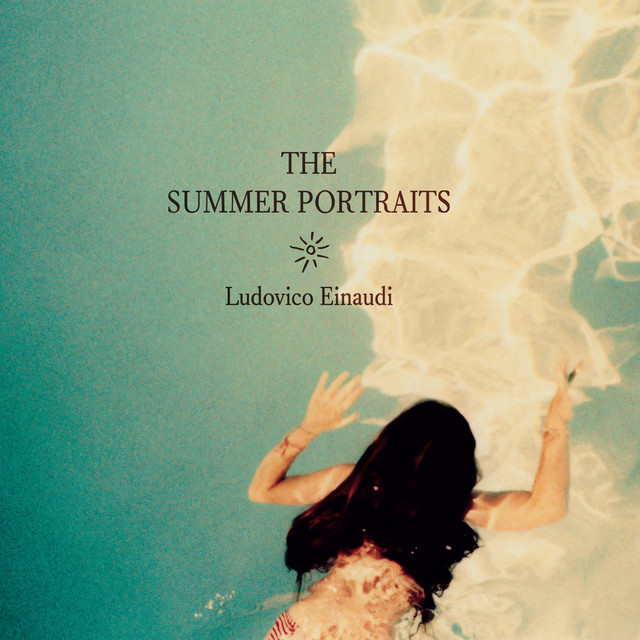
The Summer Portraits
Ludovico Einaudi
Contemporary Classical
Compositional Ambient
Classical
2025
3
/5
Jay
Ludovico Einaudi
Compositional Ambient
Contemporary Classical
Classical
2024
2
/5
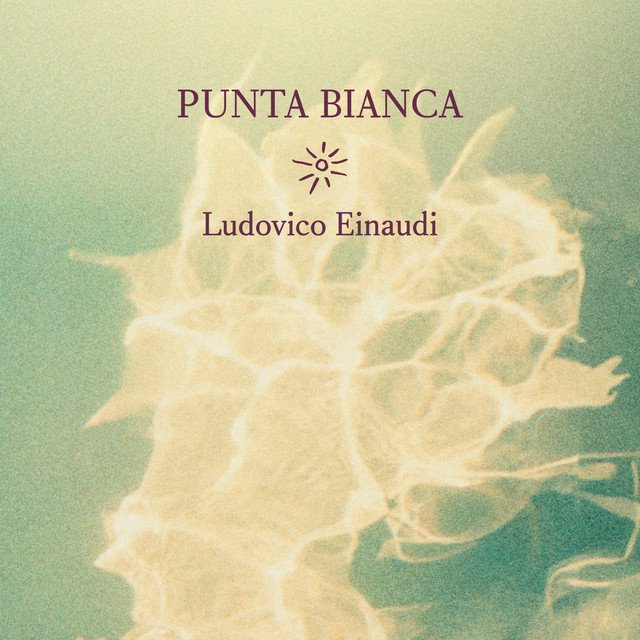
Punta Bianca
Ludovico Einaudi
Compositional Ambient
Contemporary Classical
Classical
2024
3
/5
Pathos (Theme)
Ludovico Einaudi
Contemporary Classical
Classical
Compositional Ambient
2024
3
/5
Pathos
Ludovico Einaudi
Compositional Ambient
Contemporary Classical
Classical
2024
3
/5
Rose Bay
Ludovico Einaudi
Contemporary Classical
Classical
Compositional Ambient
2024
Experience
Ludovico Einaudi
Classical
Compositional Ambient
Contemporary Classical
2024
La Tresse: Original Motion Picture Soundtrack
Ludovico Einaudi
Classical
2024
3
/5
Adieux
Ludovico Einaudi
Classical
Compositional Ambient
Contemporary Classical
2023
La Petite (Original Motion Picture Soundtrack)
Ludovico Einaudi
Classical
Compositional Ambient
Contemporary Classical
2023
3
/5
The Dark Bank Of Clouds
Ludovico Einaudi
Contemporary Classical
Compositional Ambient
2023
Clouds
Ludovico Einaudi; Jeroen van Veen
Classical
Compositional Ambient
Contemporary Classical
2023
Einaudi: Music
Ludovico Einaudi; Alessandro Simonetto
Classical
Compositional Ambient
Contemporary Classical
2023
2
/5
85mm
Ludovico Einaudi
Contemporary Classical
2023
3
/5
Experience (Solo Piano)
Ludovico Einaudi
Contemporary Classical
Classical
Compositional Ambient
2023
Moments of Peace
Ludovico Einaudi
Classical
Compositional Ambient
Contemporary Classical
2023
The Einaudi Experience
Ludovico Einaudi
Classical
Compositional Ambient
Contemporary Classical
2023
3
/5
The Tree
Ludovico Einaudi
Compositional Ambient
Contemporary Classical
Classical
2022
Solstice
Ludovico Einaudi
Classical
Compositional Ambient
Contemporary Classical
2022
4
/5
Underwater
Ludovico Einaudi
Contemporary Classical
Compositional Ambient
Classical
2022
2
/5
Rolling Like A Ball
Ludovico Einaudi
Contemporary Classical
Compositional Ambient
Classical
2021
3
/5
Natural Light
Ludovico Einaudi
Contemporary Classical
Compositional Ambient
Classical
2021
3
/5
Luminous
Ludovico Einaudi
Compositional Ambient
Contemporary Classical
Classical
2021
The Father
Ludovico Einaudi
Classical
Compositional Ambient
Contemporary Classical
2020
Musique de chambre
Ludovico Einaudi; Cameron Crozman, Quatuor Molinari, Pentaèdre
Classical
Compositional Ambient
Contemporary Classical
2020
12 Songs From Home
Ludovico Einaudi
Classical
New Age
Western Classical
2019
Seven Days Walking: Day 7
Ludovico Einaudi
Classical
Compositional Ambient
Contemporary Classical
2019
Seven Days Walking: Day 6
Ludovico Einaudi
Classical
Compositional Ambient
Contemporary Classical
2019
Seven Days Walking: Day 5
Ludovico Einaudi
Classical
Compositional Ambient
Contemporary Classical
2019
Seven Days Walking: Day 4
Ludovico Einaudi
Classical
Compositional Ambient
Contemporary Classical
2019
Seven Days Walking: Day 3
Ludovico Einaudi
Classical
Compositional Ambient
Contemporary Classical
2019
Seven Days Walking: Day 2
Ludovico Einaudi
Classical
2019
2
/5
Birdsong
Ludovico Einaudi
Contemporary Classical
Compositional Ambient
Classical
2019
Seven Days Walking: Day 1
Ludovico Einaudi
Classical
2019
The Einaudi Sound
Einaudi; Dalal
Classical
Compositional Ambient
Contemporary Classical
2018
Fly
Einaudi; Dalal
Classical
Compositional Ambient
Contemporary Classical
2018
Einaudi: I giorni
Einaudi; Dalal
Classical
Compositional Ambient
Contemporary Classical
2016
2
/5
Elegy For The Arctic
Ludovico Einaudi
Contemporary Classical
Compositional Ambient
Classical
2016
Giorni dispari: Original Motion Picture Soundtrack
Ludovico Einaudi
Classical
Compositional Ambient
Contemporary Classical
2015
Elements
Ludovico Einaudi
Classical
Modern Classical
Western Classical
2015
Taranta Project
Ludovico Einaudi
Baroque
Classical
2015
Ludovico Einaudi: Portrait
Ludovico Einaudi; Angèle Dubeau, La Pietà
Classical
2013
3
/5
Einaudi: In a time lapse
Ludovico Einaudi
Contemporary Classical
Compositional Ambient
Classical
2013
4
/5
In a Time Lapse
Ludovico Einaudi
Classical Crossover
Contemporary Classical
Compositional Ambient
2013
Ludovico Einaudi: Nightbook
Ludovico Einaudi; Hanna Devich
Classical
Compositional Ambient
Contemporary Classical
2009
Nightbook
Ludovico Einaudi
Classical
Contemporary Classical
Neo-Classical
2006
3
/5
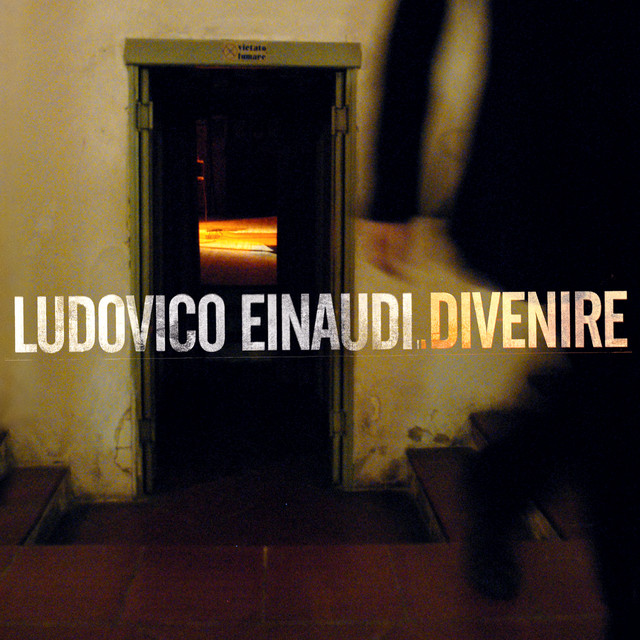
Divenire
Ludovico Einaudi
Contemporary Classical
Compositional Ambient
Classical
2005
Ludovico Einaudi - 4CD Collection
Ludovico Einaudi
Classical
Compositional Ambient
Contemporary Classical
2004
4
/5
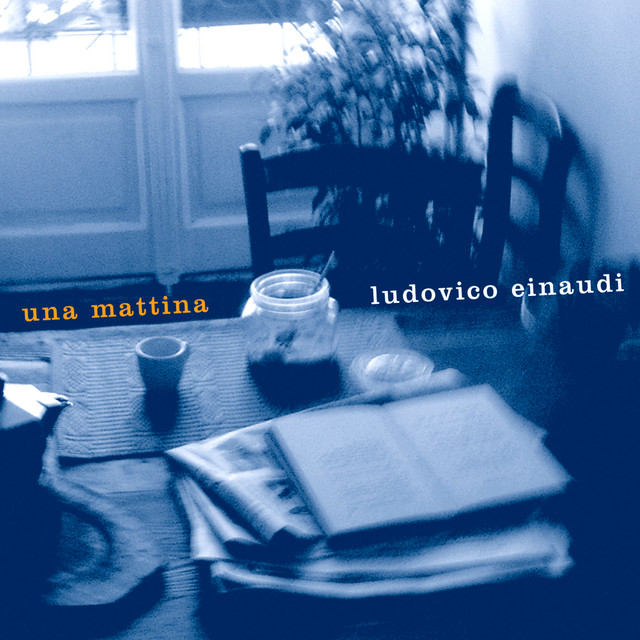
Una Mattina
Ludovico Einaudi
Compositional Ambient
Contemporary Classical
Classical
2004
Sotto falso nome
Ludovico Einaudi
Score
2003
Diario Mali
Ludovico Einaudi & Ballaké Sissoko
Folk
2002
Doctor Zhivago
Ludovico Einaudi
Classical
2002
Alexandria
Ludovico Einaudi
Classical
Instrumental
2001
Le parole di mio padre
Ludovico Einaudi
Classical
Compositional Ambient
Contemporary Classical
2001
I giorni
Ludovico Einaudi
Classical
1999
Eden Roc
Ludovico Einaudi
Classical
Modern Classical
1996
Le onde
Ludovico Einaudi
Classical
Modern Classical
Similar artists
4
/5
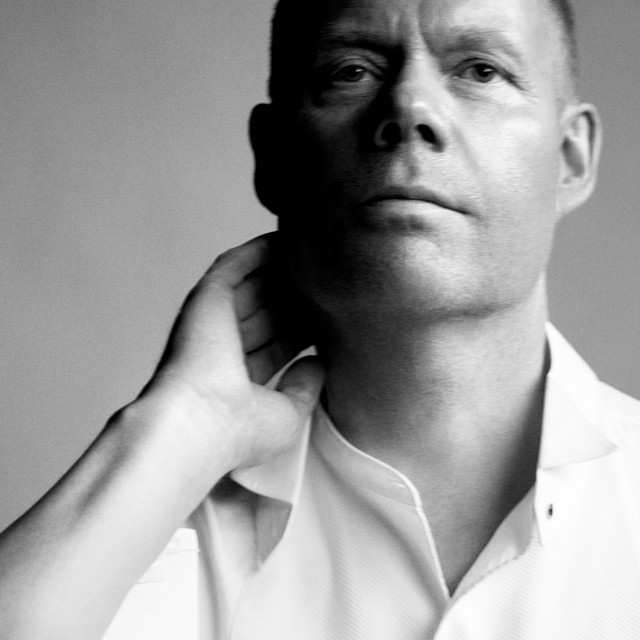
Max Richter
Post-Minimalism
Classical
Contemporary Classical
4
/5
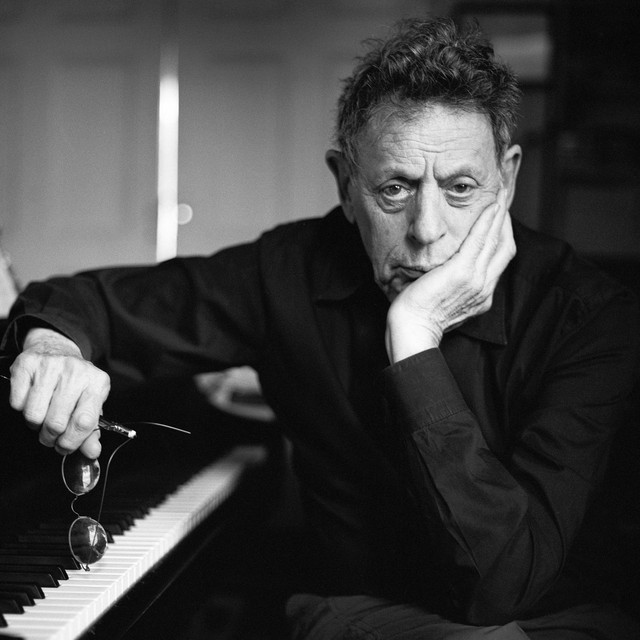
Philip Glass
Classical
Minimalism
Modern Classical
3
/5
Igor Stravinsky
Neoclassicism
Classical
Ballet
3
/5
Steve Reich
Minimalism
Classical
Modern Classical
3
/5
Arvo Pärt
Minimalism
Classical
Holy Minimalism
1
/5
Various Artists
Afro-Funk
Alternative Rock
Ambient
4
/5
Dmitri Shostakovich
Classical
Chamber Music
Fugue
2
/5
Olivier Messiaen
Classical
Mélodie
Chamber Music
4
/5
Nils Frahm
Minimalism
Contemporary Classical
Ambient
4
/5
Ryuichi Sakamoto
Drone
Japanese Classical
Ambient
Download our mobile app
Get the Melodigging app and start digging for new genres on the go
Download on the App Store
Get it on Google Play
© 2026 Melodigging
Give feedback
Legal
Melodding was created as a tribute to
Every Noise at Once
, which inspired us to help curious minds keep digging into music's ever-evolving genres.