Genres
Artists
Albums
Make Music
Sign in
Sign in
Artists
Classical
Artists
Classical
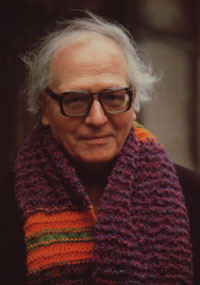
Olivier Messiaen
1976–2024
·
13 albums
Listen
2
/5
Genres
New Isolationism
New isolationism is a contemporary strain of isolationist ambient and post-industrial minimalism that emerged in the 2010s, particularly around Scandinavian experimental labels and studios. It foregrounds intimate, close-mic’d sound, negative space, and a quiet-but-present noise floor; its pieces feel both internal and architectural, like rooms built from reverb tails, tape hiss, and soft electronics. Sonically, the style blends glacial drones, fragile chamber timbres (strings, organ, piano), lo‑fi electronics, and field recordings into stark, slow-evolving tableaux. Melodic information is sparse—often only a few tones or gestures—while rhythm is either absent or reduced to distant pulses, heartbeats, or mechanical cycles. Vocals, when they appear, are murmured, diaristic, or abstracted by pitch and time manipulation. Aesthetically, new isolationism is post‑internet and diaristic: it captures solitude, memory, and dislocation with a palette that feels personal yet estranged, drawing as much from contemporary gallery sound practice as from classic dark ambient.
Discover
Listen
Modern Classical
Modern classical is a contemporary strand of instrumental music that applies classical composition techniques to intimate, cinematic settings. It typically foregrounds piano and strings, is sparsely orchestrated, and embraces ambience, repetition, and timbral detail. Rather than the academic modernism of the early 20th century, modern classical as used today refers to accessible, mood-driven works that sit between classical, ambient, and film music. Felt pianos, close‑miked string quartets, tape hiss, drones, soft electronics, and minimal harmonic movement are common, producing a contemplative, emotionally direct sound that translates well to headphones, streaming playlists, and screen media.
Discover
Listen
Darmstadt School
The Darmstadt School refers to the post–World War II circle of composers who gathered around the Internationale Ferienkurse für Neue Musik (International Summer Courses for New Music) in Darmstadt, West Germany. Characterized by rigorous serial and post-serial techniques, extreme control of musical parameters (pitch, rhythm, dynamics, timbre), and a rejection of tonal and romantic idioms, the style prized structural clarity, pointillist textures, and an ascetic, laboratory-like approach to sound. While aesthetically diverse, its core ethos was a modernist drive toward formal innovation, often engaging electronic media and advanced notation, and deeply influenced by the Second Viennese School—especially Webern’s concise, atomized writing.
Discover
Listen
Integral Serialism
Integral serialism (also called total serialism) is a post–World War II compositional approach that extends the serial ordering principle beyond pitch to other musical parameters such as duration, dynamics, timbre, articulation, and register. Instead of relying on tonal harmony or freely atonal gestures, the composer constructs one or more ordered sets (series) for each parameter and subjects them to systematic transformations (inversion, retrograde, transposition, permutation) and cross-mappings. The result is highly controlled, pointillistic textures and tightly organized forms whose coherence derives from parametric organization rather than tonal function. Its sound world often features fragmented gestures, rapid contrasts of dynamics and articulation, and intricate rhythmic structures. While perceived as austere or rigorous, it enabled composers to craft micro-detailed musical behaviors and helped forge the postwar European avant-garde’s language.
Discover
Listen
Contemporary Classical
Contemporary classical is the broad field of Western art music created after World War II. It embraces an array of aesthetics—from serialism and indeterminacy to minimalism, spectralism, electroacoustic practices, and post‑tonal lyricism—while retaining a concern for notated composition and timbral innovation. Unlike the unified styles of earlier eras, contemporary classical is pluralistic. Composers freely mix acoustic and electronic sound, expand instrumental techniques, adopt non‑Western tuning and rhythm, and explore new forms, from process-based structures to open and graphic scores. The result is a music that can be rigorously complex or radically simple, technologically experimental or intimately acoustic, yet consistently focused on extending how musical time, timbre, and form can be shaped.
Discover
Listen
Avant-Garde
Avant-garde music is an umbrella term for boundary-pushing practices that challenge prevailing norms of harmony, rhythm, timbre, form, and performance. It privileges experimentation, conceptual rigor, and a willingness to reframe what counts as music at all. Historically tied to early 20th‑century artistic modernism, avant-garde music introduced atonality, the emancipation of noise, and new forms of notation and process. It embraces indeterminacy, extended techniques, electronics, spatialization, and multimedia performance, treating sound as material to be sculpted, questioned, and reinvented.
Discover
Listen
Mélodie
Mélodie is the French tradition of art song, typically for solo voice and piano, that blossomed in the mid-to-late 19th century. It places exceptional emphasis on the natural inflection and clarity of the French language, marrying refined poetry to nuanced melodic lines and sensitive accompaniments. Compared to the German Lied, mélodie is often more restrained and speech-like in phrasing, prioritizing text intelligibility, elegance of line, and subtle harmonic shading. Composers frequently set poems by major French writers—particularly from the Parnassian and Symbolist movements—resulting in music that is intimate, evocative, and rich in coloristic detail. The piano part in mélodie is not merely supportive; it participates actively in the narrative and atmosphere, with delicate figurations, harmonic ambiguity, and timbral nuance that paint the poem’s imagery. While most mélodies are for voice and piano, notable cycles were later orchestrated, expanding the genre’s palette without sacrificing its core intimacy.
Discover
Listen
Art Song
Art song is an intimate, concert-music genre in which a poetic text is set for solo voice with an equally integral piano accompaniment. Unlike popular song, it is composed for attentive listening in the recital hall or salon, and unlike opera, it does not require staging or multiple characters. The genre privileges prosody, word-painting, and subtle harmonic color to illuminate imagery and emotion in the poem. Forms range from strophic and modified strophic to fully through-composed designs, and the piano often supplies prelude, interludes, and a telling postlude that extends or reframes the text’s sentiment. German Lieder, French mélodie, and English-language art song are the best-known national currents within this tradition.
Discover
Listen
Symphony
A symphony is a large-scale composition for orchestra, typically cast in multiple movements that contrast in tempo, key, and character. In the Classical era, the most common layout was four movements: a fast opening movement (often in sonata form), a slow movement, a dance-like movement (minuet or later scherzo), and a fast finale. Over time, the symphony evolved from compact works of the mid-18th century into expansive, architecturally ambitious statements in the 19th and 20th centuries. Composers increasingly treated the symphony as a vehicle for thematic development, cyclical unity, and dramatic narrative—sometimes programmatic, sometimes abstract—using the full coloristic range of the modern orchestra. While rooted in Classical balance and clarity, symphonies incorporate a wide spectrum of harmonic languages and orchestral techniques. From Haydn’s wit and structural innovation to Beethoven’s heroic scope, Mahler’s cosmic breadth, and Shostakovich’s modern intensity, the symphony has remained a central pillar of Western concert music.
Discover
Listen
Chamber Music
Chamber music is a tradition of composed music for small ensembles—typically one player per part—intended for intimate spaces such as courts, salons, and private rooms rather than large public halls. Its aesthetic emphasizes clarity of texture, conversational interplay among parts, and balance without a conductor. Hallmark formations include the string quartet, piano trio, wind quintet, string quintet, and various mixed ensembles. Multi‑movement cycles (often in sonata form) and finely wrought counterpoint are common, ranging from Baroque trio sonatas to Classical string quartets and modern works with expanded timbres and techniques. Because of its scale and transparency, chamber music has long been a proving ground for compositional craft and ensemble musicianship, shaping the core of Western art music from the Baroque through the present.
Discover
Listen
Oratorio
An oratorio is a large‑scale, multi‑movement work for voices and orchestra, typically on a sacred narrative subject, performed without staging, costumes, or scenery. It combines solo recitatives and arias with powerful choruses and instrumental movements, using a dramatic arc similar to opera but presented as a concert work. Languages and styles vary by era and region (Italian and Latin in early Roman oratorios, German for Lutheran works such as Bach’s, and English for Handel’s). While most are sacred, secular oratorios also exist. Across the Baroque, Classical, Romantic, and modern eras, the oratorio evolved from intimate devotional storytelling to monumental public concert pieces, often intended for festivals and large choirs.
Discover
Listen
Classical
Classical music is the notated art-music tradition of Europe and its global descendants, characterized by durable forms, carefully codified harmony and counterpoint, and a literate score-based practice. The term “classical” can refer broadly to the entire Western art-music lineage from the Medieval era to today, not just the Classical period (c. 1750s–1820s). It privileges long-form structures (such as symphonies, sonatas, concertos, masses, and operas), functional or modal harmony, thematic development, and timbral nuance across ensembles ranging from solo instruments to full orchestras and choirs. Across centuries, the style evolved from chant and modal polyphony to tonal harmony, and later to post-tonal idioms, while maintaining a shared emphasis on written notation, performance practice, and craft.
Discover
Listen
Show all 12 genres
Albums
2024
1
/5
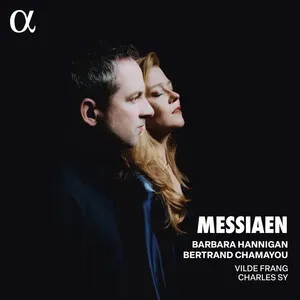
Messiaen
Olivier Messiaen
Mélodie
2023
1
/5
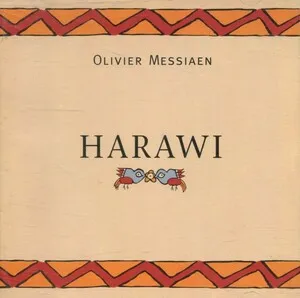
Harawi: Chant d'amour et de mort pour soprano et piano
Olivier Messiaen / Rachel Yakar / Yvonne Loriod
Mélodie
Art Song
2009
1
/5
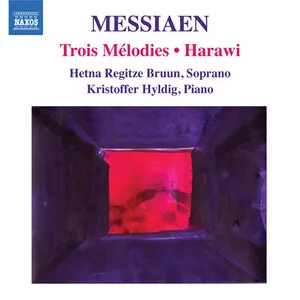
Trois mélodies; Harawi
Olivier Messiaen / Hetna Regitze Bruun / Kristoffer Hyldig
Mélodie
2006
1
/5
Mélodies, Complete
Olivier Messiaen / Yvonne Loriod
Mélodie
2002
2
/5
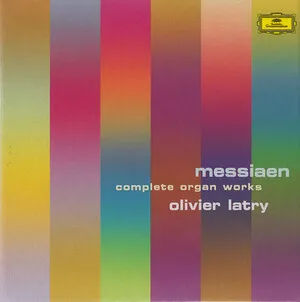
Complete Organ Works
Olivier Messiaen / Olivier Latry
Modern Classical
2002
1
/5
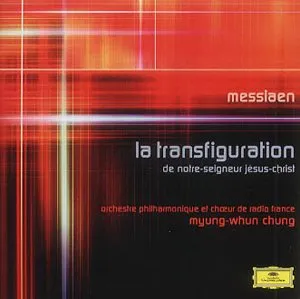
La transfiguration de notre-seigneur Jésus-Christ
Olivier Messiaen
Oratorio
2001
1
/5
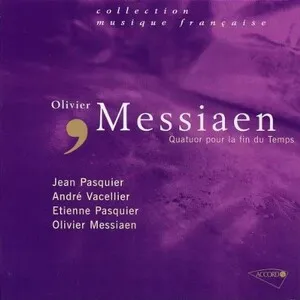
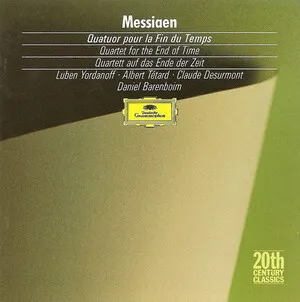
Quatuor pour la fin du temps
Olivier Messiaen
Chamber Music
2000
1
/5
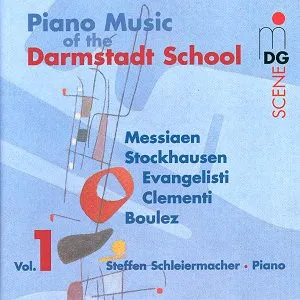
Piano Music of the Darmstadt School Vol. 1
Olivier Messiaen / Steffen Schleiermacher
Darmstadt School
Integral Serialism
Classical
2000
1
/5
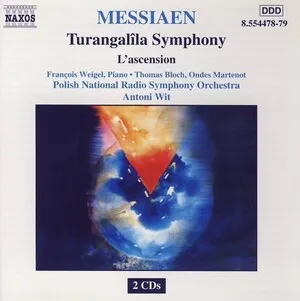
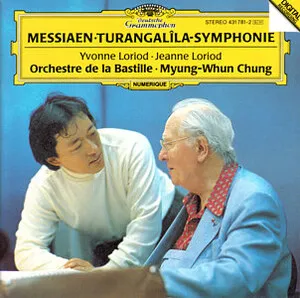
Turangalîla Symphony; L'ascension
Olivier Messiaen
Symphony
1993
1
/5
Harawi
Olivier Messiaen / Sigune von Osten / Pi-hsien Chen
Mélodie
1991
1
/5
Turangalîla-Symphonie
Olivier Messiaen
Symphony
Classical
Contemporary Classical
1979
1
/5
Quatuor pour la fin du temps
Olivier Messiaen
Chamber Music
1976
1
/5
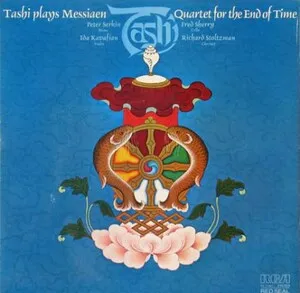
Tashi Plays Messiaen: Quartet for the End of Time
Olivier Messiaen / Tashi
Chamber Music
Similar artists
4
/5
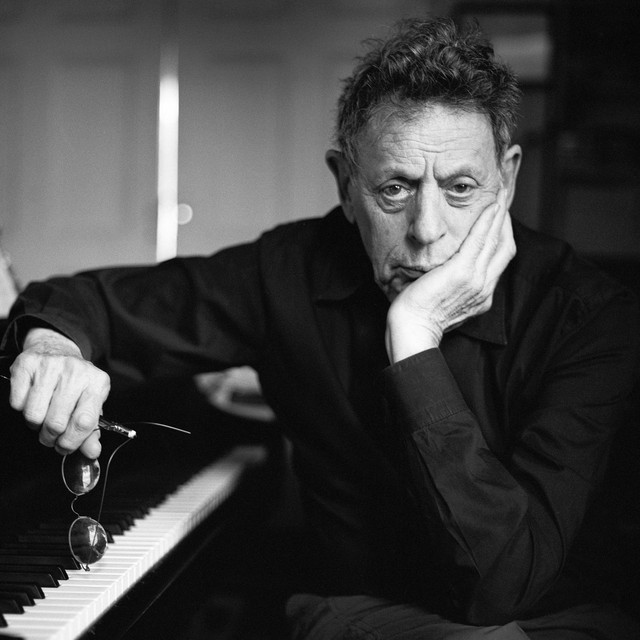
Philip Glass
Classical
Minimalism
Modern Classical
3
/5
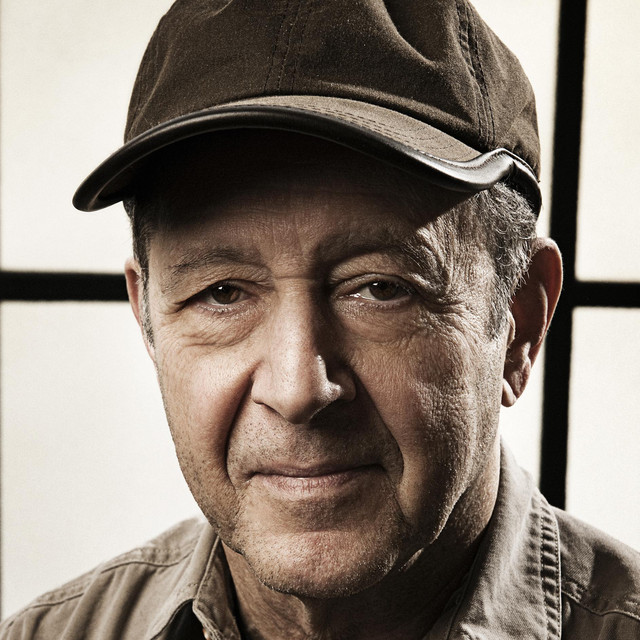
Steve Reich
Minimalism
Classical
Modern Classical
3
/5
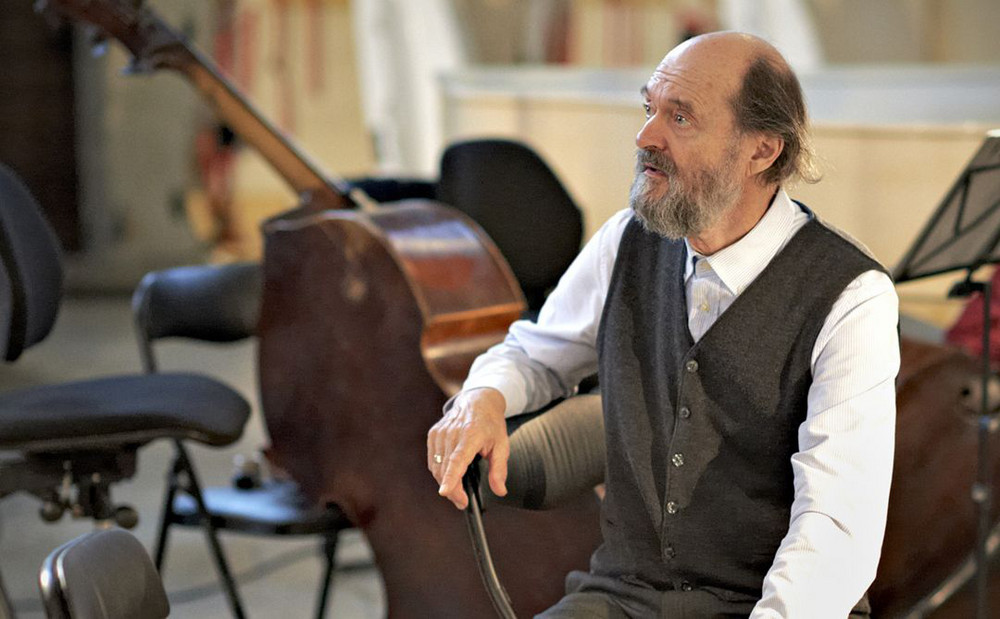
Arvo Pärt
Minimalism
Classical
Holy Minimalism
4
/5
Ludovico Einaudi
Classical
Contemporary Classical
Compositional Ambient
4
/5
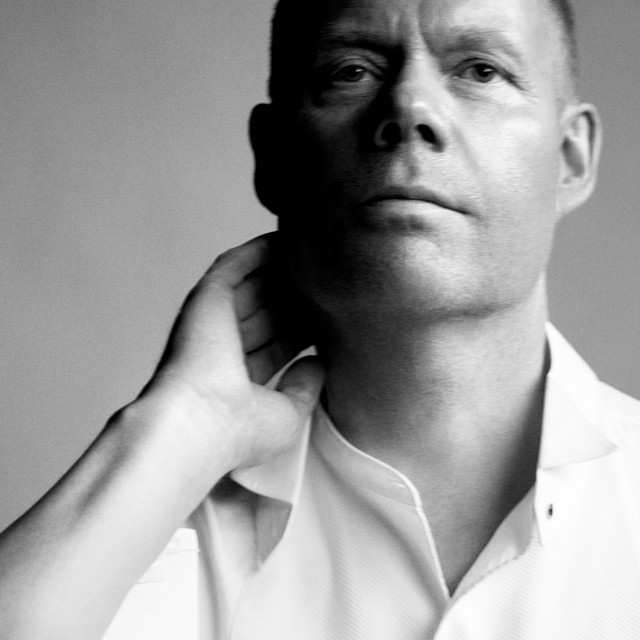
Max Richter
Post-Minimalism
Classical
Contemporary Classical
4
/5
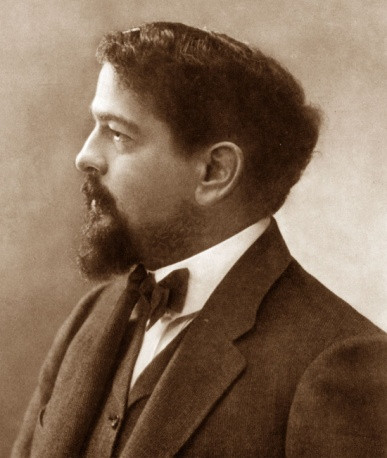
Claude Debussy
Impressionism
Classical
Classical Piano
3
/5
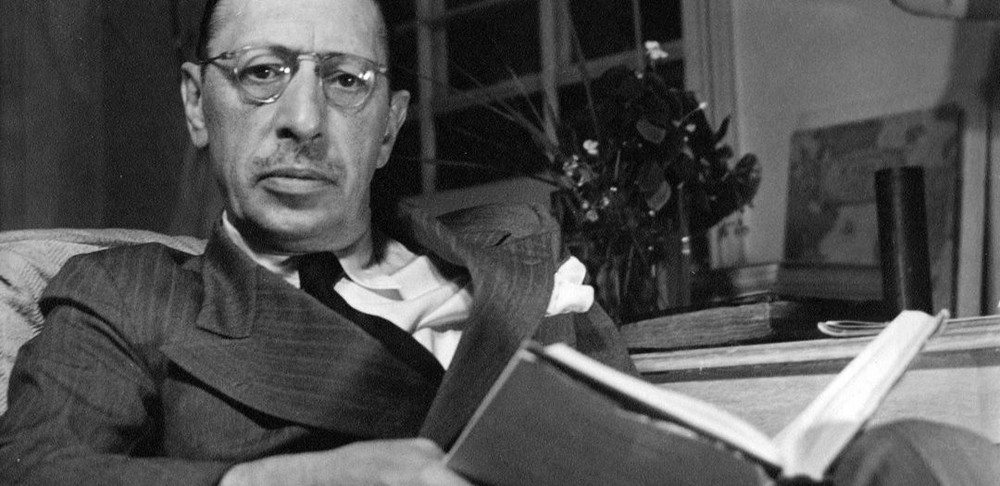
Igor Stravinsky
Neoclassicism
Classical
Ballet
4
/5
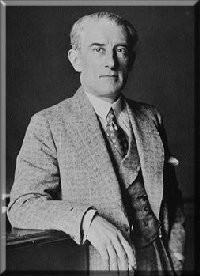
Maurice Ravel
Impressionism
Classical
Neoclassicism
3
/5
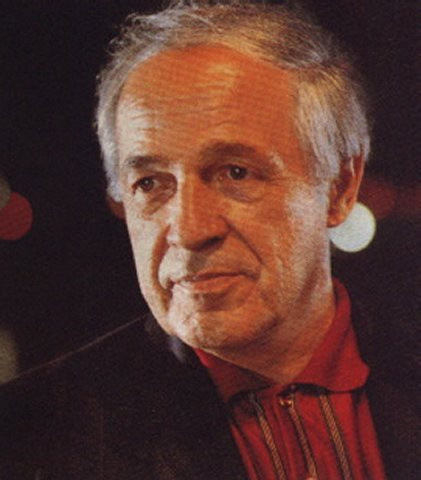
Pierre Boulez
Classical
Serialism
Second Viennese School
1
/5
Arditti Quartet
Chamber Music
Classical
String Quartet
Download our mobile app
Get the Melodigging app and start digging for new genres on the go
Download on the App Store
Get it on Google Play
© 2026 Melodigging
Give feedback
Legal
Melodding was created as a tribute to
Every Noise at Once
, which inspired us to help curious minds keep digging into music's ever-evolving genres.