Genres
Artists
Albums
Make Music
Sign in
Sign in
Artists
Impressionism
Artists
Impressionism
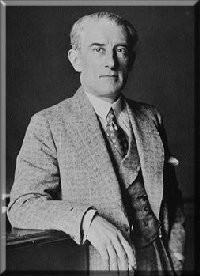
Maurice Ravel
1955–2024
·
17 albums
Listen
4
/5
Genres
Pet Calming
Pet calming is a functional micro‑genre designed to reduce stress and arousal in companion animals—primarily dogs and cats—during triggering situations such as owner absence, fireworks, vet visits, thunderstorms, or travel. Musically it favors very slow tempos, sparse arrangements, soft timbres (piano, pads, gentle strings, warm guitars), long sustains, smooth envelopes, and stable, consonant harmonies. Dynamics are kept narrow and transients are tamed to avoid startle responses. Many releases add gentle environmental ambiences (rain, ocean, rustling leaves) or unobtrusive pink/white‑noise beds to mask external sounds. Structures are highly repetitive with gradual variation so the soundscape feels predictable and safe. While aimed at non‑human listeners, the genre is informed by animal‑behavior findings (e.g., predictable low‑arousal sound reduces stress) and by human relaxation idioms (ambient, new age, lullaby). It is commonly delivered as long‑form, streaming‑friendly content that owners can loop for hours.
Discover
Listen
Beats
Beats is a loose, producer-driven category for rhythm-forward instrumentals built around hip‑hop drum patterns without necessarily being rap songs or featuring vocals. It functions as an umbrella for stock, "type," and backing tracks used by rappers, singers, streamers, and content creators, spanning boom‑bap swing to trap hi‑hat grids and R&B‑leaning grooves. On streaming platforms it often appears as standalone instrumentals packaged by tempo, mood, or artist style (e.g., “trap type beat,” “R&B instrumental,” “club beat”), prioritizing portability and utility over artist identity. While rooted in hip‑hop production aesthetics—kicks, snares, 808s, chopped samples—Beats blends downtempo, electronic, and contemporary R&B sensibilities, aiming for clarity, loopability, and immediate vibe.
Discover
Listen
Doble Paso
Doble paso is a high‑tempo reggaetón variant characterized by running the classic dembow groove at double speed, creating a frenetic, hard‑hitting feel aimed squarely at the dance floor. Compared with standard reggaetón drum patterns (typically around 90–100 BPM), doble paso accelerates the same rhythmic skeleton to roughly 120–140 BPM, often accompanying a club dance of the same name. Producers keep the core syncopation and low‑end punch of reggaetón while tightening hi‑hats, adding denser percussion fills, and favoring short, chant‑like hooks that match the breathless pace. The result is intense, perreo‑ready energy that bridges classic reggaetón, Dominican dembow’s urgency, and club‑forward editing trends.
Discover
Listen
Gufeng
Gufeng (古风, literally “ancient style”) is a modern Chinese pop-adjacent style that evokes the sound-world, imagery, and poetics of premodern China. It blends traditional instruments, pentatonic melodies, and classical literary diction with contemporary songwriting, recording, and distribution practices. Emerging largely from online communities and ACG (anime–comics–games/donghua) fandoms, Gufeng favors lyrical themes such as mountains-and-rivers landscapes, courtly romance, martial-arts chivalry, and historical fantasy. The production commonly combines guzheng, pipa, dizi, xiao, and erhu with soft pop arrangements, cinematic pads, and subtle electronic beats, resulting in a nostalgic yet fresh sound that is distinct from mainstream Mandopop.
Discover
Listen
Pianissimo
Pianissimo is a contemporary micro‑genre centered on very soft, intimate piano music designed for calm focus, rest, and reflection. It borrows the classical dynamic marking “pp” (very soft) as an aesthetic principle: close‑miked, felt‑damped pianos, sparse harmonies, slow tempos, and generous ambience. Emerging alongside the streaming era’s focus/sleep/reading playlists, the style sits between post‑classical minimalism and ambient music. Pieces are typically short miniatures, diatonic and melodic, with unobtrusive movement—music that can live comfortably in the background yet rewards attentive listening. Occasional cello or soft strings, subtle tape hiss, and long reverbs are common textural companions. Historically it traces a line from Satie’s quiet piano idiom and the American minimalist school to the 2000s–2010s “neo‑classical” wave (Einaudi, Frahm, Arnalds), but with an explicitly hushed, domestic sound that foregrounds tenderness, space, and restraint.
Discover
Listen
Modern Classical
Modern classical is a contemporary strand of instrumental music that applies classical composition techniques to intimate, cinematic settings. It typically foregrounds piano and strings, is sparsely orchestrated, and embraces ambience, repetition, and timbral detail. Rather than the academic modernism of the early 20th century, modern classical as used today refers to accessible, mood-driven works that sit between classical, ambient, and film music. Felt pianos, close‑miked string quartets, tape hiss, drones, soft electronics, and minimal harmonic movement are common, producing a contemplative, emotionally direct sound that translates well to headphones, streaming playlists, and screen media.
Discover
Listen
Neoclassicism
Neoclassicism in music is a 20th‑century movement that revived forms, genres, and aesthetics from the Baroque and Classical eras, but reframed them with modern harmony, rhythm, and orchestration. It emphasizes clarity, balance, objectivity, and contrapuntal craft, often rejecting late‑Romantic excess while retaining a tonal or modal center enriched by dissonance, bitonality, and crisp rhythmic drive. Typical hallmarks include neobaroque dance suites, neoclassical sonatas and concerti, chamber‑oriented scoring, clean textures, and a dry, anti‑rhetorical performance style.
Discover
Listen
Impressionism
Impressionism in music is a late-19th- and early-20th-century style that prioritizes color, atmosphere, and suggestion over overt drama and functional harmonic progressions. Originating in France, it parallels the visual arts movement in its fascination with light, timbre, and fleeting impressions. Musically, the style favors modal, pentatonic, and whole‑tone materials; parallel (planed) chords; unresolved dissonances; and ambiguous tonal centers. Rhythms are flexible and often blur a sense of strong meter, while textures shimmer through delicate orchestration, pedal tones, and arpeggiated figures. Rather than strict sonata designs, impressionist works tend to be episodic, evocative, and programmatic, conjuring landscapes, water, night, and dreamlike states.
Discover
Listen
Saint Petersburg School
The Saint Petersburg school refers to interrelated circles of 19th-century Russian Western Classical composers centered in Saint Petersburg. Its core aim was to develop a distinctly Russian national style within Western art-music forms, blending European conservatory craft (symphony, opera, chamber music) with Russian-language declamation, folk-like melodic turns, Orthodox-tinged sonorities, and programmatic subjects drawn from Russian history and literature. In practice, the term often overlaps with the so‑called “Mighty Handful” (Balakirev’s circle) and their broader St. Petersburg milieu, where national-romantic aesthetics were pursued alongside vigorous debate with more academically oriented musicians.
Discover
Listen
Mélodie
Mélodie is the French tradition of art song, typically for solo voice and piano, that blossomed in the mid-to-late 19th century. It places exceptional emphasis on the natural inflection and clarity of the French language, marrying refined poetry to nuanced melodic lines and sensitive accompaniments. Compared to the German Lied, mélodie is often more restrained and speech-like in phrasing, prioritizing text intelligibility, elegance of line, and subtle harmonic shading. Composers frequently set poems by major French writers—particularly from the Parnassian and Symbolist movements—resulting in music that is intimate, evocative, and rich in coloristic detail. The piano part in mélodie is not merely supportive; it participates actively in the narrative and atmosphere, with delicate figurations, harmonic ambiguity, and timbral nuance that paint the poem’s imagery. While most mélodies are for voice and piano, notable cycles were later orchestrated, expanding the genre’s palette without sacrificing its core intimacy.
Discover
Listen
Orchestral Song
Orchestral song is an art-song tradition in which a solo voice is accompanied by a full orchestra rather than piano or a small chamber ensemble. It preserves the intimate, text-led focus of lieder and mélodie while expanding the expressive palette with orchestral color, timbral contrast, and large-scale dynamic shaping. Unlike opera, it is not staged and typically sets discrete poems or groups of poems, often assembled into cycles. Forms range from strophic to through-composed, and the style spans late-Romantic tonal idioms to early modernist harmonies. Central to the genre is the careful balance between textual clarity and orchestral richness, with the orchestra acting as a commentator and colorist—introducing motives, painting imagery, and framing the vocal line with preludes, interludes, and postludes.
Discover
Listen
Character Piece
A character piece (German: Charakterstück) is a short, single-movement work—most often for solo piano—designed to evoke a specific mood, scene, or persona. Typically lasting one to five minutes, it prioritizes vivid expression and atmosphere over large-scale form. Titles are often descriptive (e.g., Nocturne, Impromptu, Romance, Intermezzo, Barcarolle), guiding the listener’s imagination. Musically, character pieces favor singable melodies, rich but economical harmony, clear textures, and flexible tempo (rubato). Common plans include ternary (ABA) or through-composed designs, with coloristic pedaling and nuanced dynamic shaping to paint the intended character. While the piano repertory dominates, the aesthetic extends to other instruments and small ensembles, and it remains central in pedagogy and concert encores.
Discover
Listen
Nocturne
A nocturne is a short, lyrical character piece that evokes the atmosphere of night, most commonly written for solo piano. It features a cantabile, song-like melody that floats over a gentle, arpeggiated or broken-chord accompaniment, inviting rubato and nuanced pedaling. Originating with the Irish composer John Field and canonized by Frédéric Chopin, nocturnes typically explore intimate emotions—tenderness, melancholy, and reverie—through expressive harmony, chromatic inflections, and spacious pacing. While the piano nocturne is the norm, later composers also wrote orchestral and vocal "nocturnes" that broaden the palette while retaining the essential nocturnal mood.
Discover
Listen
Classical Piano
Classical piano is the tradition of composing and performing music for the acoustic piano within the Western classical lineage. It emphasizes formal clarity, tonal harmony, contrapuntal writing, and expressive nuance across the full compass of the instrument. Its core repertoire ranges from Classical-era sonatas and variations to Romantic character pieces, études, dances, and 20th-century impressionistic and modernist works. Pianists exploit dynamics, articulation, pedaling, and touch to shape phrases, imitate orchestral textures, and project both intimate lyricism and large-scale drama.
Discover
Listen
Ballet
Ballet (as a musical genre) refers to orchestral music written to accompany choreographed dance on stage. It prioritizes clear tempi, strongly articulated rhythms, and memorable leitmotifs to support narrative, character, and movement. While rooted in court entertainment, ballet music evolved into a sophisticated, self-sufficient concert art: many ballets yield popular orchestral suites that are performed independently. Typical numbers include adagios, variations, codas, divertissements, character dances, and large ensemble scenes that mirror the dramatic arc of the choreography. Stylistically, ballet spans Baroque courtly idioms, Classical clarity, Romantic lyricism, and 20th‑century modernism and neoclassicism. It is predominantly instrumental (full orchestra), but can occasionally include choral or vocal parts when dramaturgy requires it.
Discover
Listen
Opera
Opera is a large-scale theatrical genre that combines music, drama, and visual spectacle, in which the story is primarily conveyed through singing accompanied by an orchestra. It unites solo voices, ensembles, and chorus with staging, costumes, and often dance to create a total artwork. Emerging in late Renaissance Italy and flourishing in the Baroque era, opera developed signature forms such as recitative (speech-like singing that advances the plot) and aria (lyrical numbers that explore character and emotion). Over the centuries it evolved diverse national styles—Italian bel canto, French grand opéra, German music drama—while continually experimenting with orchestration, harmony, narrative structure, and stagecraft.
Discover
Listen
Classical
Classical music is the notated art-music tradition of Europe and its global descendants, characterized by durable forms, carefully codified harmony and counterpoint, and a literate score-based practice. The term “classical” can refer broadly to the entire Western art-music lineage from the Medieval era to today, not just the Classical period (c. 1750s–1820s). It privileges long-form structures (such as symphonies, sonatas, concertos, masses, and operas), functional or modal harmony, thematic development, and timbral nuance across ensembles ranging from solo instruments to full orchestras and choirs. Across centuries, the style evolved from chant and modal polyphony to tonal harmony, and later to post-tonal idioms, while maintaining a shared emphasis on written notation, performance practice, and craft.
Discover
Listen
Western Classical
Western classical is the notated art-music tradition that developed in Europe from medieval Christian chant into the large-scale secular and sacred forms of the Baroque, Classical, Romantic, and modern eras. It is characterized by staff notation, evolving systems of modality and tonality, and forms such as symphony, sonata, concerto, mass, opera, and chamber music. Across its history, Western classical established an extensive theory of harmony and counterpoint, refined orchestration across strings, winds, brass, and percussion, and cultivated performance practices from a cappella chant to full symphonic and operatic forces. Its repertoire, pedagogy, and institutions (conservatories, orchestras, opera houses) made it a global reference point for compositional craft and instrumental technique.
Discover
Listen
Show all 18 genres
Albums
2024
1
/5
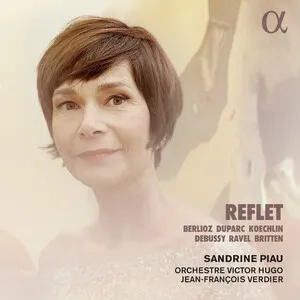
Reflet
Hector Berlioz
Mélodie
2016
4
/5
Erik Satie & Friends
Francis Poulenc
Neoclassicism
2013
1
/5
Maurice Ravel Plays His Finest Works
Maurice Ravel
Neoclassicism
2013
2
/5
Synthesizer Greatest 2
Maurice Ravel
Neoclassicism
2012
1
/5
Nocturnes / Daphnis et Chloé Suite No. 2; Pavane / Le poème de l'extase
Claude Debussy / Boston Symphony Orchestra / Claudio Abbado
Nocturne
Character Piece
2004
1
/5
Songs for Voice and Piano
Maurice Ravel
Mélodie
Classical
2003
1
/5
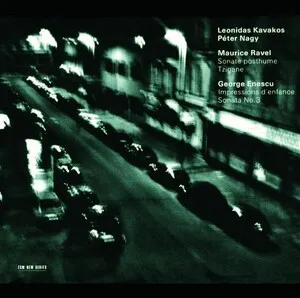
Sonate posthume; Tzigane / Impressions d'enfance; Sonata No.3
Maurice Ravel / George Enescu
Impressionism
1998
3
/5
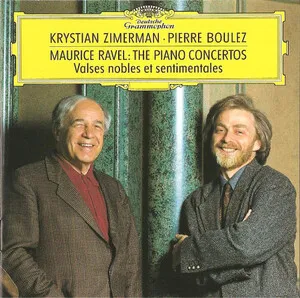
The Piano Concertos; Valses nobles et sentimentales
Maurice Ravel / Pierre Boulez / Krystian Zimerman
Impressionism
1995
2
/5
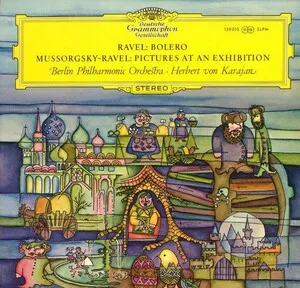
Bolero / Pictures at an Exhibition
Modest Mussorgsky Модест Мусоргский / Maurice Ravel
Saint Petersburg School
Classical
1995
3
/5
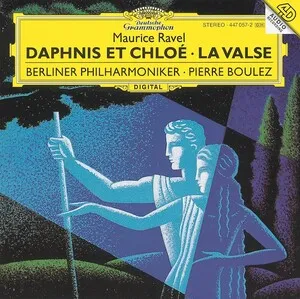
Daphnis et Chloé; La valse
Maurice Ravel / Berliner Philharmoniker / Pierre Boulez
Impressionism
Ballet
1994
3
/5
Miroirs; Jeux d'eau; Pavane pour une infante défunte
Maurice Ravel / André Laplante
Impressionism
Modern Classical
1984
1
/5
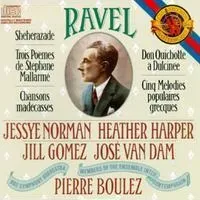
Sheherazade; Trois poémes de Stephane Mallarme; Chansons madecasses; Don Quichotte a dulcinée; Cinq mélodies populaires…
Maurice Ravel
Mélodie
Orchestral Song
1982
1
/5
Boléro; La valse; Pavane pour une infante défunte; Daphnis et Chloé: Suite No.2
Maurice Ravel / Orchestre de Paris / Daniel Barenboim
Impressionism
Ballet
1981
2
/5
Daphnis et Chloé
Maurice Ravel
Impressionism
Ballet
1965
1
/5
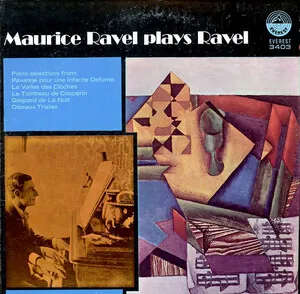
Maurice Ravel Plays Ravel
Maurice Ravel
Impressionism
1955
1
/5
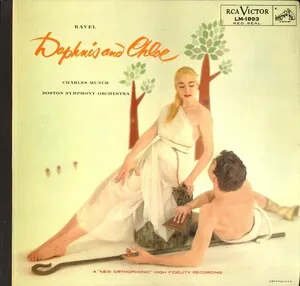
Daphnis and Chloe
Maurice Ravel / Boston Symphony Orchestra / Charles Munch
Ballet
Classical
Mélodies
Maurice Ravel
Mélodie
Similar artists
4
/5
Berliner Philharmoniker
Classical
Romantic Classical
Romanticism
3
/5
Pierre Boulez
Classical
Serialism
Second Viennese School
4
/5
Claude Debussy
Impressionism
Classical
Classical Piano
4
/5
Erik Satie
Impressionism
Classical
Neoclassicism
3
/5
Igor Stravinsky
Neoclassicism
Classical
Ballet
4
/5
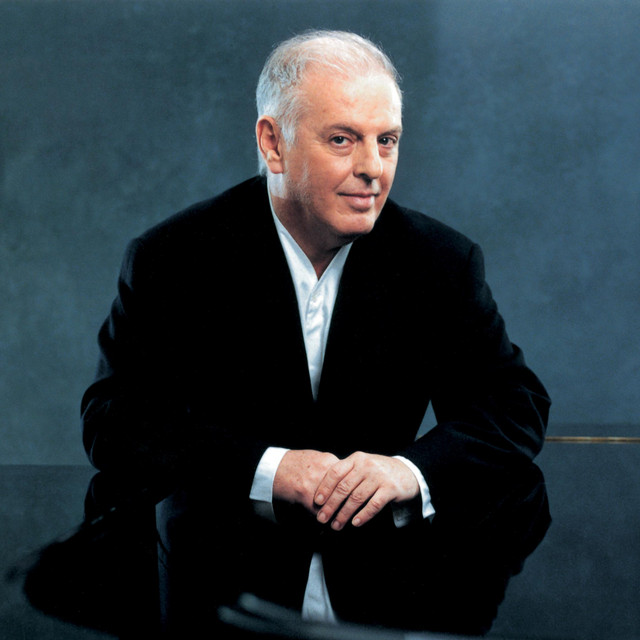
Daniel Barenboim
Impressionism
Classical
Chamber Music
3
/5
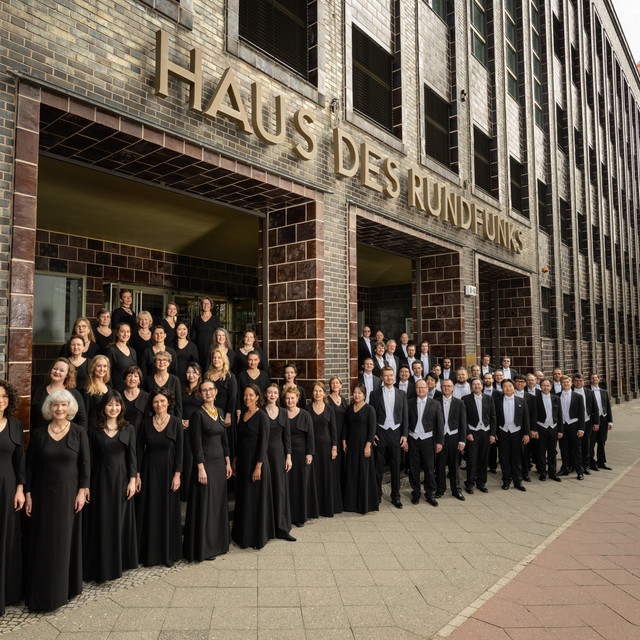
Rundfunkchor Berlin
Choral
Classical
Opera
3
/5
Francis Poulenc
Neoclassicism
Classical
Monodrama
3
/5
The Cleveland Orchestra
Classical
Impressionism
Ballet
2
/5
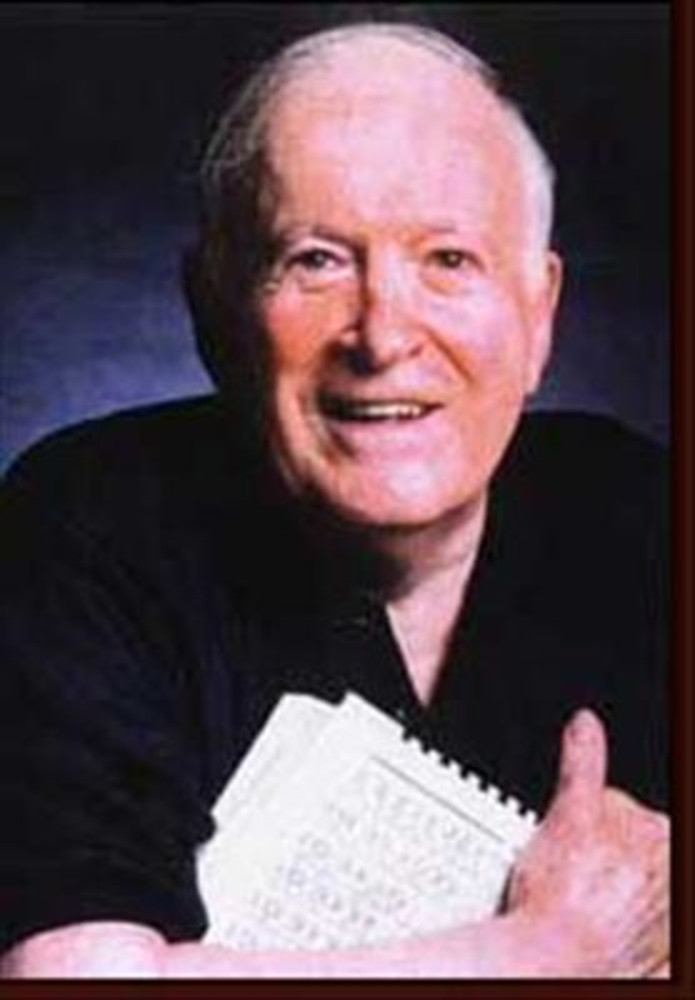
Robert Craft
Classical
Neoclassicism
Ballet
Download our mobile app
Get the Melodigging app and start digging for new genres on the go
Download on the App Store
Get it on Google Play
© 2026 Melodigging
Give feedback
Legal
Melodding was created as a tribute to
Every Noise at Once
, which inspired us to help curious minds keep digging into music's ever-evolving genres.