Genres
Artists
Albums
Make Music
Sign in
Sign in
Artists
Neoclassicism
Artists
Neoclassicism
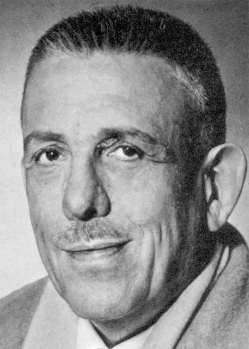
Francis Poulenc
1950–2023
·
12 albums
Listen
3
/5
Genres
Neoclassicism
Neoclassicism in music is a 20th‑century movement that revived forms, genres, and aesthetics from the Baroque and Classical eras, but reframed them with modern harmony, rhythm, and orchestration. It emphasizes clarity, balance, objectivity, and contrapuntal craft, often rejecting late‑Romantic excess while retaining a tonal or modal center enriched by dissonance, bitonality, and crisp rhythmic drive. Typical hallmarks include neobaroque dance suites, neoclassical sonatas and concerti, chamber‑oriented scoring, clean textures, and a dry, anti‑rhetorical performance style.
Discover
Listen
Mélodie
Mélodie is the French tradition of art song, typically for solo voice and piano, that blossomed in the mid-to-late 19th century. It places exceptional emphasis on the natural inflection and clarity of the French language, marrying refined poetry to nuanced melodic lines and sensitive accompaniments. Compared to the German Lied, mélodie is often more restrained and speech-like in phrasing, prioritizing text intelligibility, elegance of line, and subtle harmonic shading. Composers frequently set poems by major French writers—particularly from the Parnassian and Symbolist movements—resulting in music that is intimate, evocative, and rich in coloristic detail. The piano part in mélodie is not merely supportive; it participates actively in the narrative and atmosphere, with delicate figurations, harmonic ambiguity, and timbral nuance that paint the poem’s imagery. While most mélodies are for voice and piano, notable cycles were later orchestrated, expanding the genre’s palette without sacrificing its core intimacy.
Discover
Listen
Monodrama
Monodrama is a staged musical work centered on a single character whose thoughts, memories, or actions unfold in real time. It typically features one singer (or sometimes a speaking actor) accompanied by orchestra, chamber ensemble, or piano, turning the solitary voice into the sole onstage protagonist. While it shares DNA with opera, cantata, and melodrama, monodrama narrows the dramatic lens to an intimate psychological drama. The music is often through-composed, allowing uninterrupted narrative flow, and the orchestra frequently functions as an "invisible second character," projecting scenery, memory, and subtext through color and motif.
Discover
Listen
Classical
Classical music is the notated art-music tradition of Europe and its global descendants, characterized by durable forms, carefully codified harmony and counterpoint, and a literate score-based practice. The term “classical” can refer broadly to the entire Western art-music lineage from the Medieval era to today, not just the Classical period (c. 1750s–1820s). It privileges long-form structures (such as symphonies, sonatas, concertos, masses, and operas), functional or modal harmony, thematic development, and timbral nuance across ensembles ranging from solo instruments to full orchestras and choirs. Across centuries, the style evolved from chant and modal polyphony to tonal harmony, and later to post-tonal idioms, while maintaining a shared emphasis on written notation, performance practice, and craft.
Discover
Listen
Albums
2023
1
/5
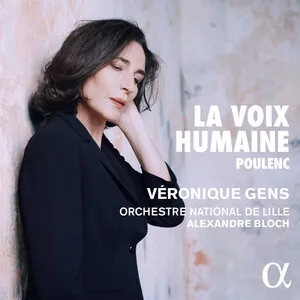
La voix humaine
Francis Poulenc
Monodrama
2016
4
/5
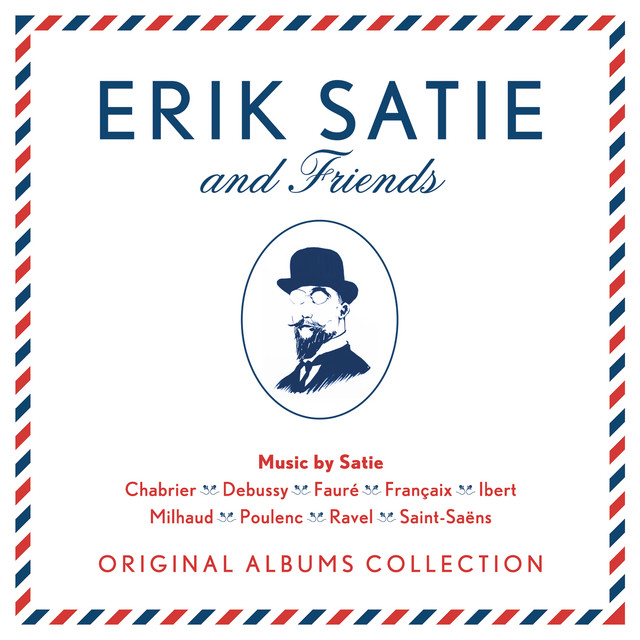
Erik Satie & Friends
Francis Poulenc
Neoclassicism
2010
1
/5
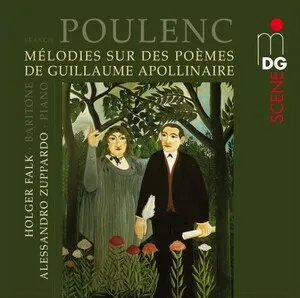
Mélodies sur des poëmes de Guillaume Apollinaire
Francis Poulenc / Holger Falk / Alessandro Zuppardo
Mélodie
2001
1
/5
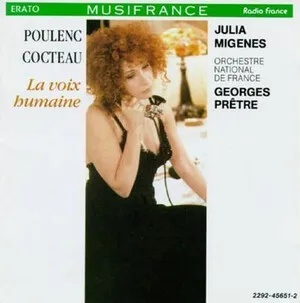
La Voix humaine
Francis Poulenc
Monodrama
2000
1
/5
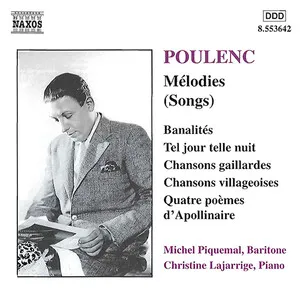
Mélodies
Francis Poulenc / Michel Piquemal / Christine Lajarrige
Mélodie
1993
2
/5
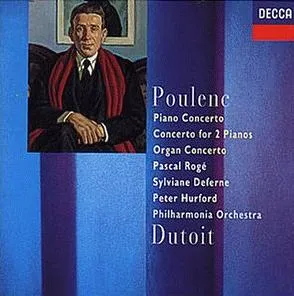
Piano Concerto; Concerto for 2 Pianos; Organ Concerto
Francis Poulenc
Neoclassicism
1989
2
/5
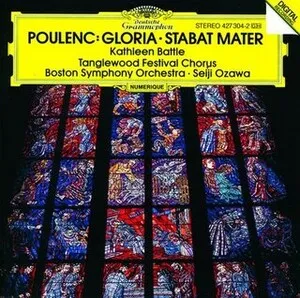
Gloria; Stabat Mater
Francis Poulenc
Neoclassicism
1989
2
/5
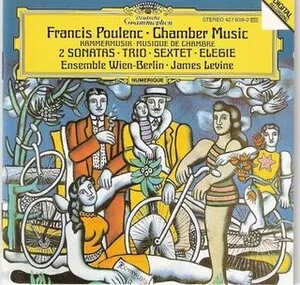
Chamber Music: 2 Sonatas; Trio; Sextet; Elegie
Francis Poulenc / Ensemble Wien-Berlin / James Levine
Neoclassicism
1951
1
/5
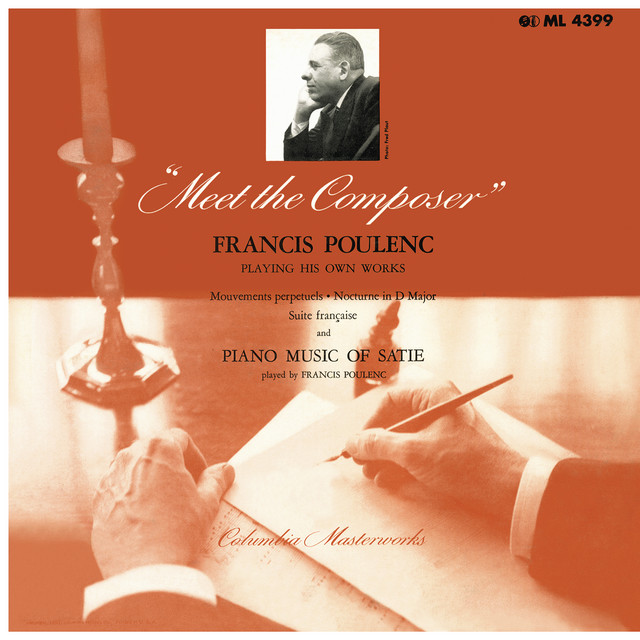
Meet the Composer - Francis Poulenc Playing His Own Works
Francis Poulenc
Neoclassicism
1950
2
/5
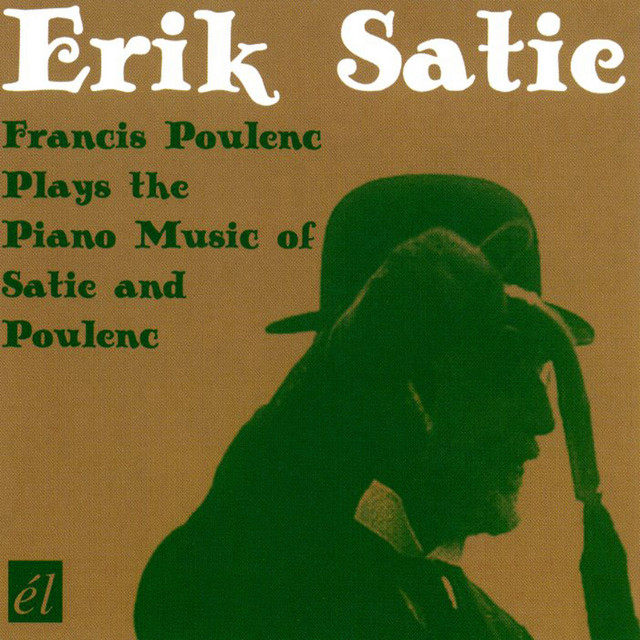
Erik Satie - Francis Poulenc Plays the Piano Music of Satie and Poulenc
Francis Poulenc
Neoclassicism
Classical
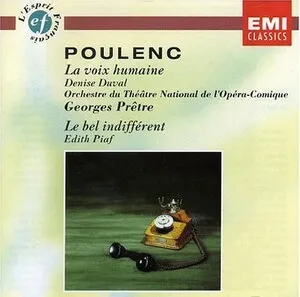
La voix humaine / Le bel indifférent [Dir. Georges Prêtre]
Francis Poulenc
Monodrama
La voix humaine
Francis Poulenc
Monodrama
Similar artists
4
/5
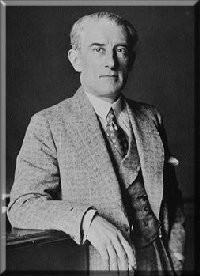
Maurice Ravel
Impressionism
Classical
Neoclassicism
4
/5
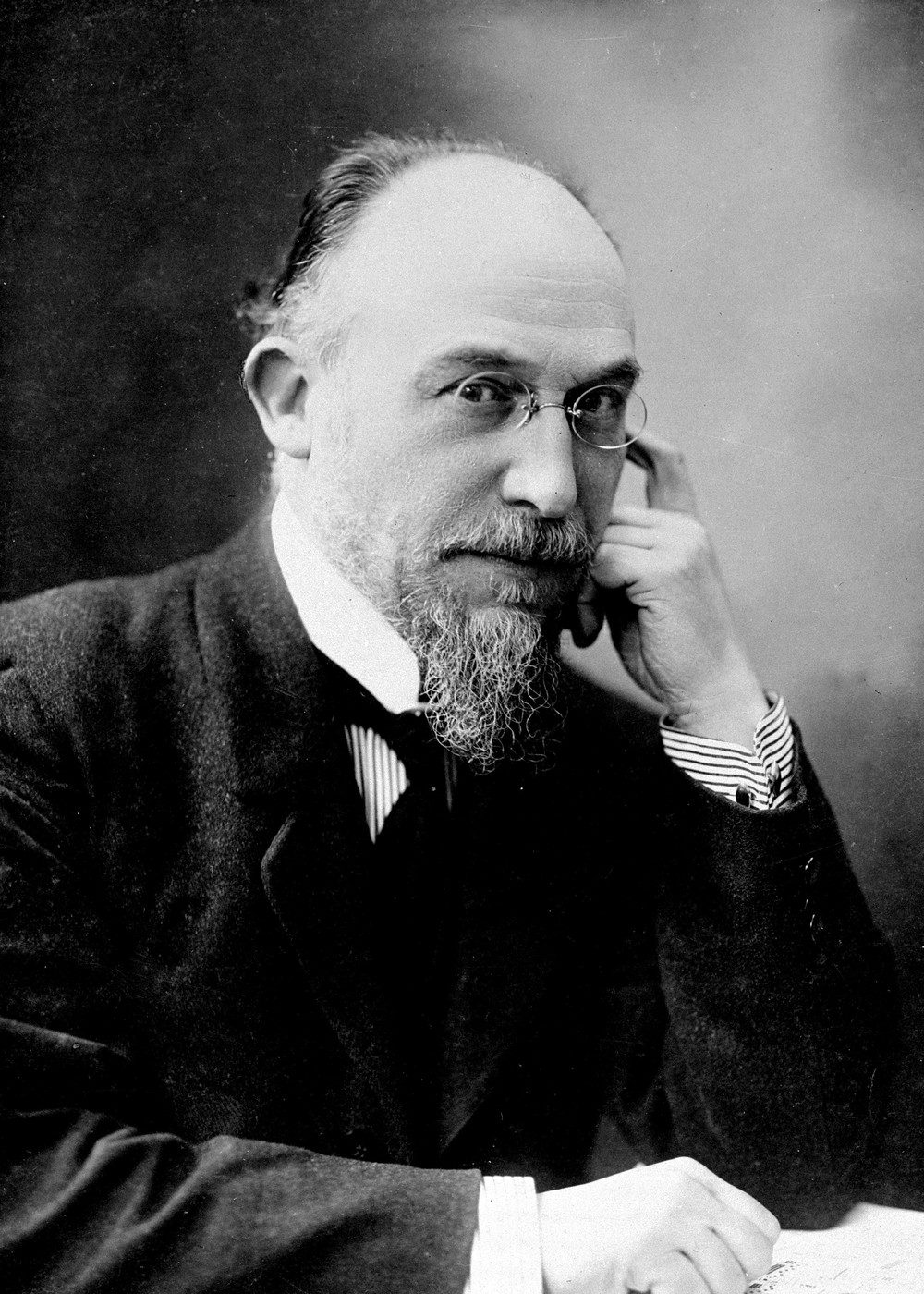
Erik Satie
Impressionism
Classical
Neoclassicism
3
/5
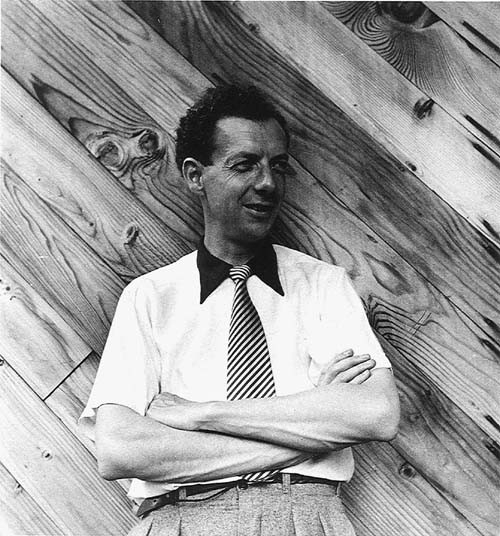
Benjamin Britten
Neoclassicism
Requiem
Choral
4
/5
Berliner Philharmoniker
Classical
Romantic Classical
Romanticism
4
/5
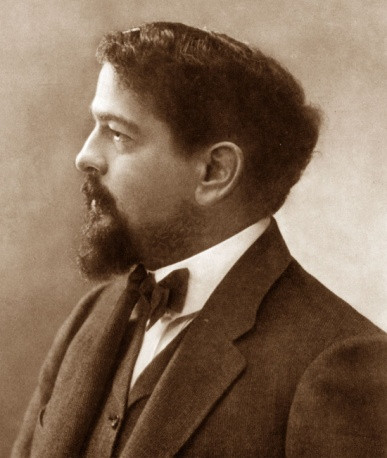
Claude Debussy
Impressionism
Classical
Classical Piano
3
/5
Pierre Boulez
Classical
Serialism
Second Viennese School
3
/5
James Levine
Classical
Opera
Mélodie
2
/5
Véronique Gens
Classical
Tragédie En Musique
Baroque
4
/5
Camille Saint-Saëns
Grand Opera
Classical
Deep Soundtrack
2
/5
Håkon Austbø
Classical
Classical Piano
Mélodie
Download our mobile app
Get the Melodigging app and start digging for new genres on the go
Download on the App Store
Get it on Google Play
© 2026 Melodigging
Give feedback
Legal
Melodding was created as a tribute to
Every Noise at Once
, which inspired us to help curious minds keep digging into music's ever-evolving genres.