Genres
Artists
Albums
Make Music
Sign in
Sign in
Artists
Classical
Artists
Classical
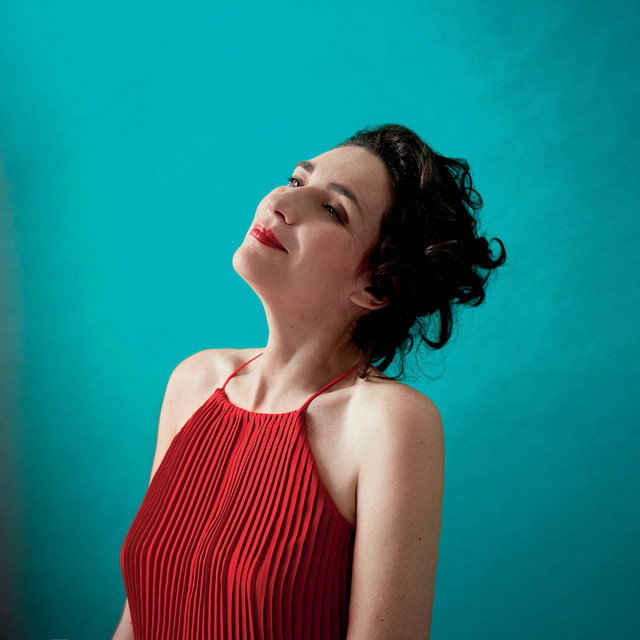
Véronique Gens
1994–2025
·
8 albums
Listen
2
/5
Genres
Operetta
Operetta is a light, theatrical form of musical drama that blends spoken dialogue with tuneful, dance-inflected numbers and comic plots. It favors memorable melodies, witty wordplay, and a buoyant orchestral palette over the heavy dramatic weight of grand opera. Emerging in mid-19th-century Paris and quickly flourishing in Vienna and beyond, operetta draws on popular dance rhythms (especially the waltz and march), satirical or romantic storylines, and clear, lyrical vocal writing. It serves as a bridge between opera and modern musical theatre, balancing classical technique with popular appeal.
Discover
Listen
Mélodie
Mélodie is the French tradition of art song, typically for solo voice and piano, that blossomed in the mid-to-late 19th century. It places exceptional emphasis on the natural inflection and clarity of the French language, marrying refined poetry to nuanced melodic lines and sensitive accompaniments. Compared to the German Lied, mélodie is often more restrained and speech-like in phrasing, prioritizing text intelligibility, elegance of line, and subtle harmonic shading. Composers frequently set poems by major French writers—particularly from the Parnassian and Symbolist movements—resulting in music that is intimate, evocative, and rich in coloristic detail. The piano part in mélodie is not merely supportive; it participates actively in the narrative and atmosphere, with delicate figurations, harmonic ambiguity, and timbral nuance that paint the poem’s imagery. While most mélodies are for voice and piano, notable cycles were later orchestrated, expanding the genre’s palette without sacrificing its core intimacy.
Discover
Listen
Monodrama
Monodrama is a staged musical work centered on a single character whose thoughts, memories, or actions unfold in real time. It typically features one singer (or sometimes a speaking actor) accompanied by orchestra, chamber ensemble, or piano, turning the solitary voice into the sole onstage protagonist. While it shares DNA with opera, cantata, and melodrama, monodrama narrows the dramatic lens to an intimate psychological drama. The music is often through-composed, allowing uninterrupted narrative flow, and the orchestra frequently functions as an "invisible second character," projecting scenery, memory, and subtext through color and motif.
Discover
Listen
Opera-Ballet
Opera-ballet (opéra-ballet) is a French Baroque stage genre that blends sung opera with extensive, self-contained dance episodes. Typically organized as a prologue followed by several independent entrées linked by a loose theme, it favors variety, spectacle, and graceful movement over the strict tragic unity of earlier French opera. Emerging in Paris at the close of the 17th century, the form cultivated elegant divertissements, richly orchestrated choruses, and expressive French recitative, all designed to showcase star singers and dancers. Its subjects range from pastoral and mythological to exotic and festive, creating a refined, courtly entertainment that balances dramatic singing with choreographic display.
Discover
Listen
Tragédie En Musique
Tragédie en musique (also called tragédie lyrique) is a French Baroque operatic genre forged at the court of Louis XIV by composer Jean-Baptiste Lully and librettist Philippe Quinault. It blends a solemn, heroic or mythological subject with a distinctive five-act plan plus a ceremonial prologue, abundant choral writing, instrumental interludes, and elaborate danced divertissements. The music features the French overture (majestically dotted rhythms), supple French récitatif tailored to the nuances of the language, brief airs rather than showpiece arias, and rich orchestral colors shaped by a five-part string band and basso continuo. Its overall aesthetic is one of noble declamation, dramatic clarity, and courtly spectacle—where text, dance, chorus, and stagecraft combine into a unified theatrical experience.
Discover
Listen
Baroque
Baroque is a period and style of Western art music spanning roughly 1600–1750. It is characterized by the birth of functional tonality, the widespread use of basso continuo (figured bass), and a love of contrast—between soloist and ensemble, loud and soft, and different timbres. Hallmark genres and forms of the era include opera, cantata, oratorio, concerto (especially the concerto grosso), dance suite, sonata, and fugue. Textures range from expressive monody to intricate counterpoint, and melodies are richly ornamented with trills, mordents, and appoggiaturas. Baroque music flourished in churches, courts, and theaters across Europe, with regional styles (Italian, French, German, English) shaping distinctive approaches to rhythm, dance, harmony, and ornamentation.
Discover
Listen
Opera
Opera is a large-scale theatrical genre that combines music, drama, and visual spectacle, in which the story is primarily conveyed through singing accompanied by an orchestra. It unites solo voices, ensembles, and chorus with staging, costumes, and often dance to create a total artwork. Emerging in late Renaissance Italy and flourishing in the Baroque era, opera developed signature forms such as recitative (speech-like singing that advances the plot) and aria (lyrical numbers that explore character and emotion). Over the centuries it evolved diverse national styles—Italian bel canto, French grand opéra, German music drama—while continually experimenting with orchestration, harmony, narrative structure, and stagecraft.
Discover
Listen
Motet
A motet is a polyphonic vocal composition, usually on a sacred Latin text, that emerged in the High Middle Ages and became a central genre of European art music during the Renaissance. Early motets layered different texts and rhythms above a chant-derived tenor, while later Renaissance motets favored smooth, imitative counterpoint shared among voice parts. Across its long history the motet served both liturgical and devotional functions, typically performed a cappella by small choirs. Stylistically it ranges from the rhythmically intricate, isorhythmic constructions of the 13th–14th centuries to the balanced, text-sensitive writing of the 16th century, and onward to concerted and chorale-based treatments in the Baroque and beyond.
Discover
Listen
Classical
Classical music is the notated art-music tradition of Europe and its global descendants, characterized by durable forms, carefully codified harmony and counterpoint, and a literate score-based practice. The term “classical” can refer broadly to the entire Western art-music lineage from the Medieval era to today, not just the Classical period (c. 1750s–1820s). It privileges long-form structures (such as symphonies, sonatas, concertos, masses, and operas), functional or modal harmony, thematic development, and timbral nuance across ensembles ranging from solo instruments to full orchestras and choirs. Across centuries, the style evolved from chant and modal polyphony to tonal harmony, and later to post-tonal idioms, while maintaining a shared emphasis on written notation, performance practice, and craft.
Discover
Listen
Show all 9 genres
Albums
2025
2
/5
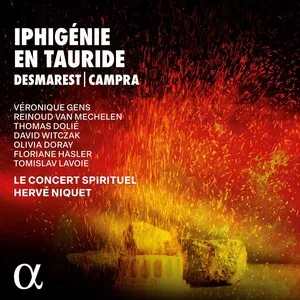
Iphigénie en Tauride
Henry Desmarest / André Campra
Tragédie En Musique
2024
2
/5
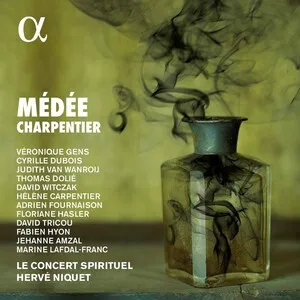
Médée
Marc-Antoine Charpentier
Tragédie En Musique
2023
1
/5
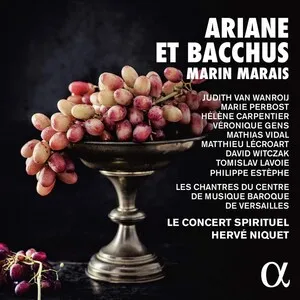
Ariane et Bacchus
Marin Marais
Tragédie En Musique
Baroque
Classical
2023
1
/5
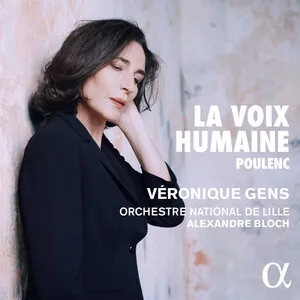
La voix humaine
Francis Poulenc
Monodrama
2015
2
/5
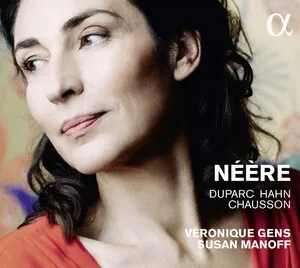
Néère
Reynaldo Hahn / Véronique Gens / Susan Manoff
Mélodie
Classical
1999
1
/5
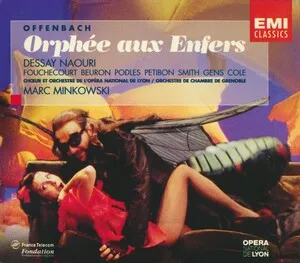
Orphée aux enfers
Jacques Offenbach
Operetta
1997
1
/5
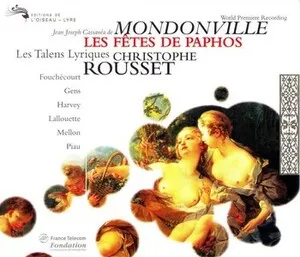
Les fêtes de Paphos
Jean-Joseph Cassanéa de Mondonville
Opera-Ballet
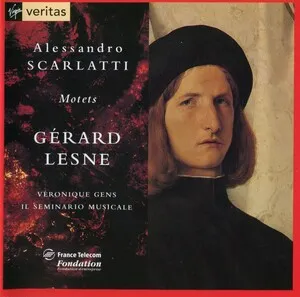
1994
1
/5
Motets
Alessandro Scarlatti
Motet
Baroque
Classical
Similar artists
3
/5
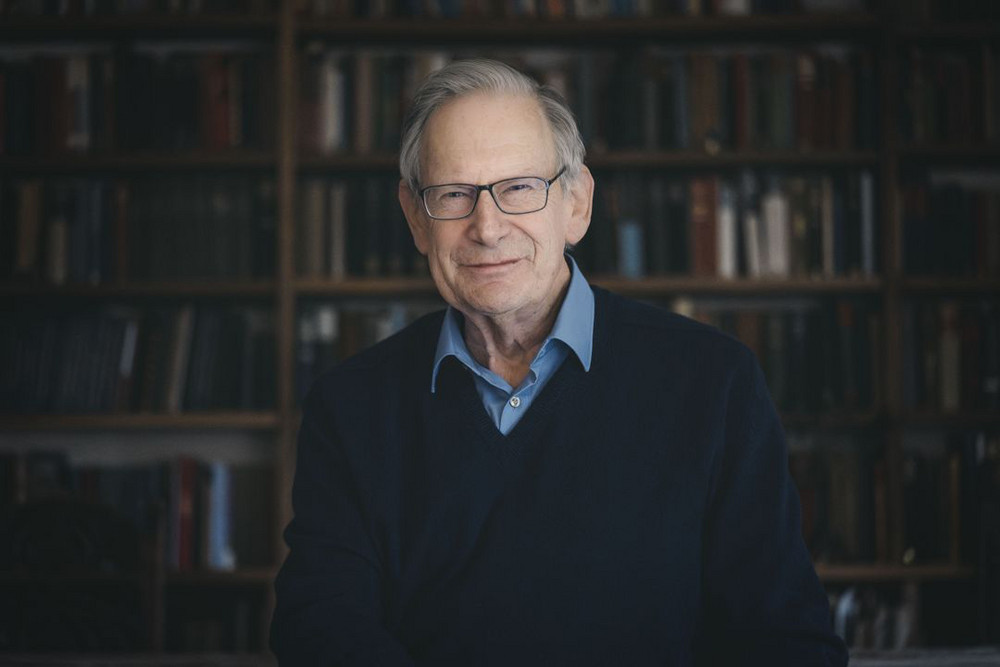
John Eliot Gardiner
Classical
Choral
Requiem
3
/5
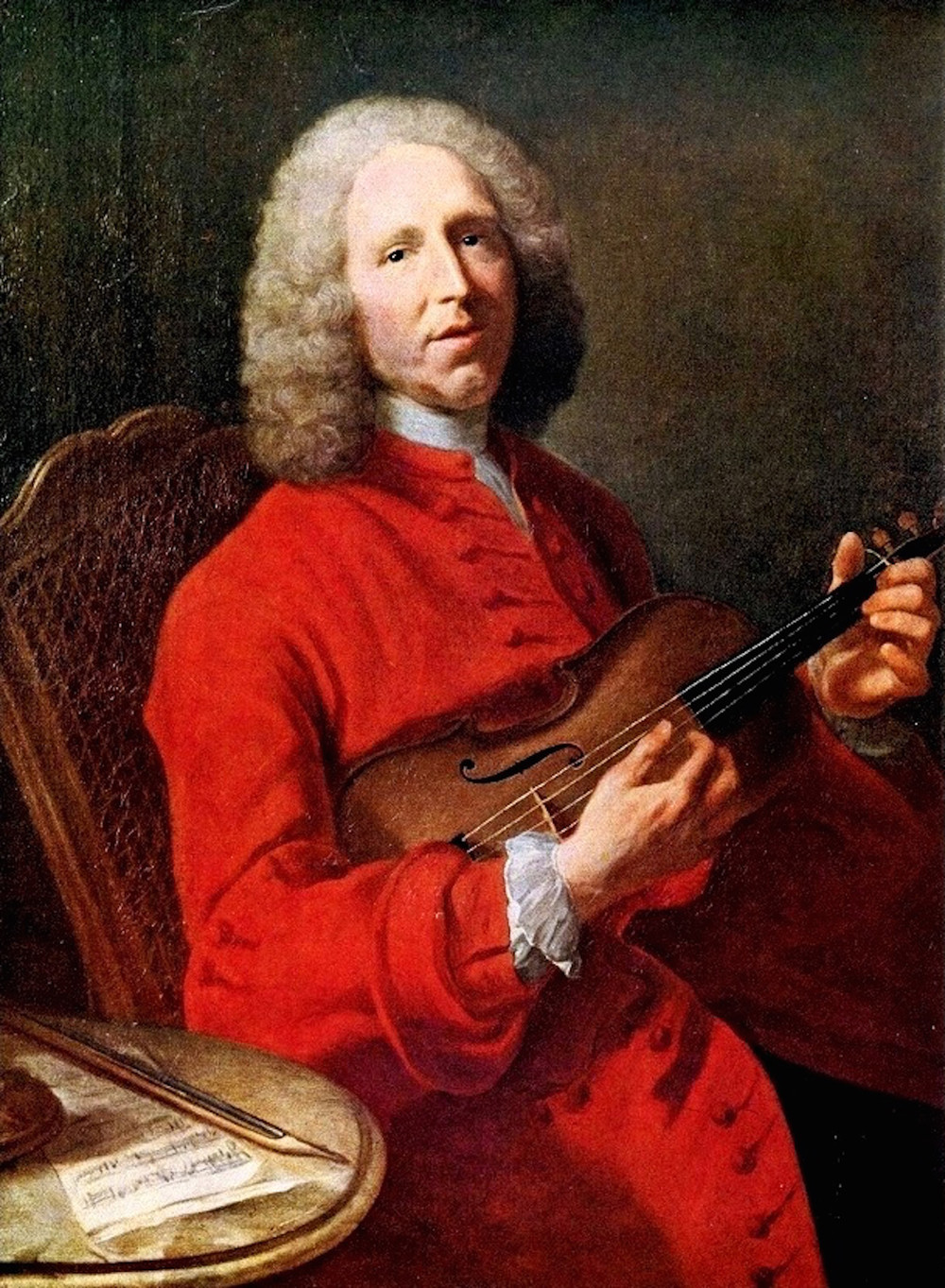
Jean-Philippe Rameau
Classical
Opera-Ballet
Tragédie En Musique
3
/5
William Christie
Classical
Opera
Tragédie En Musique
3
/5
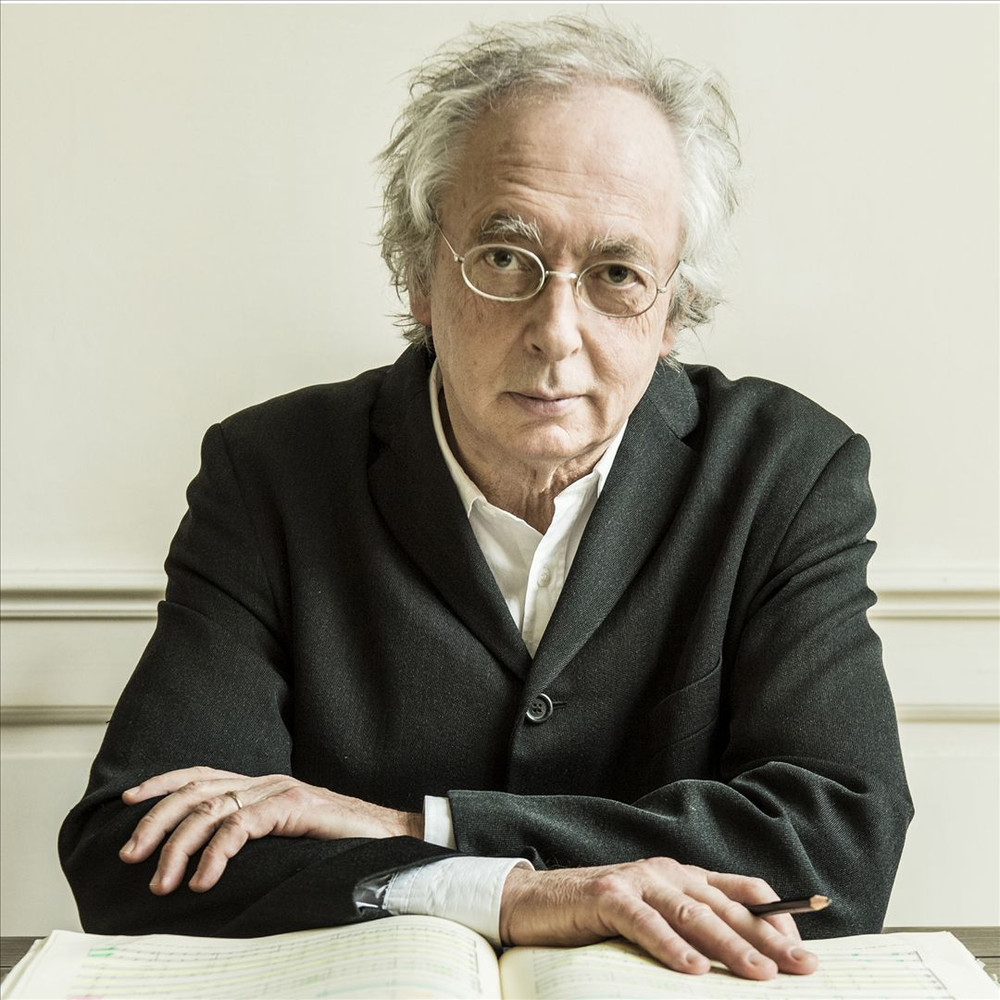
Philippe Herreweghe
Classical
Baroque
Choral
3
/5
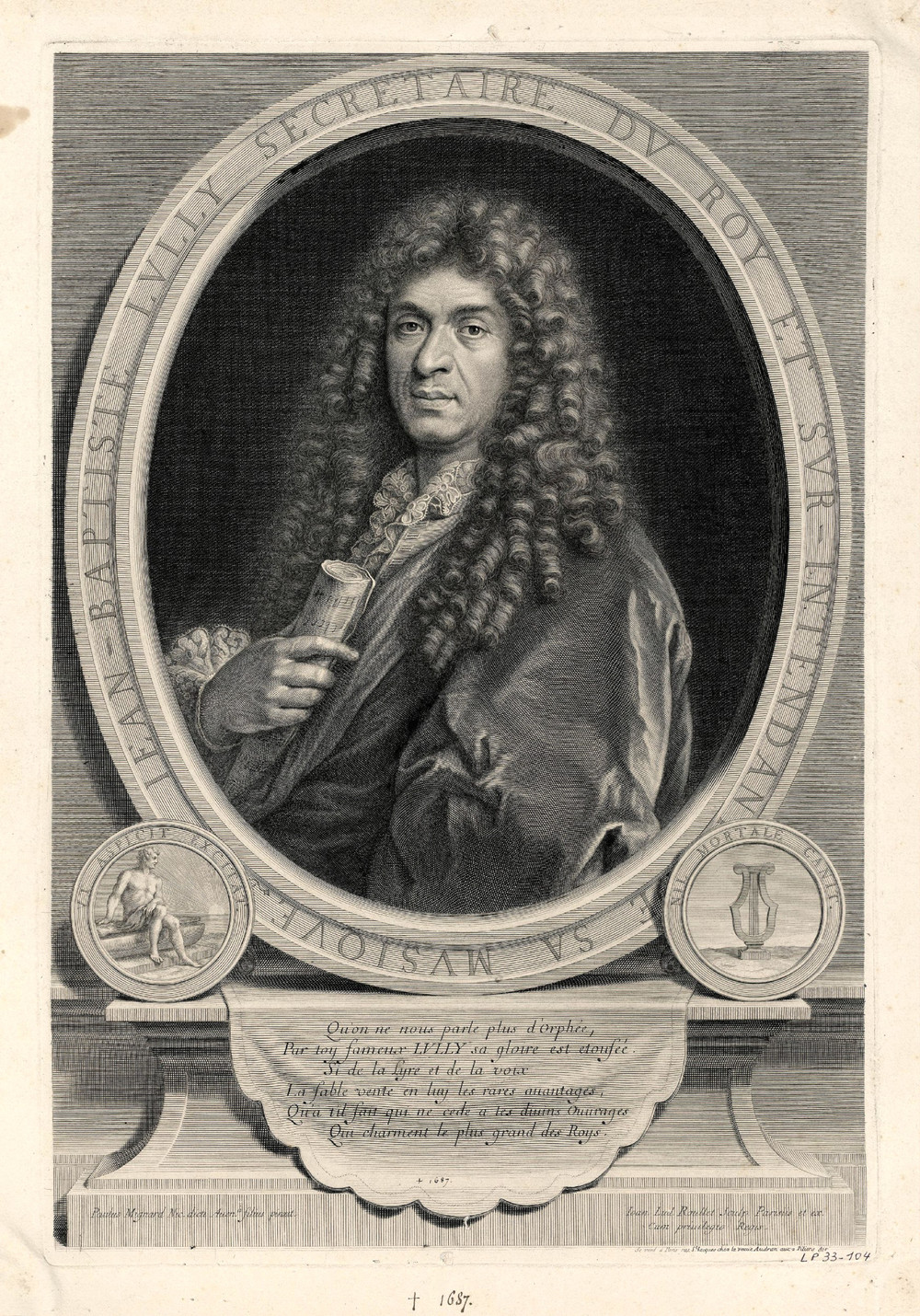
Jean-Baptiste Lully
Tragédie En Musique
Classical
Opera
3
/5
Christophe Rousset
Classical
Opera
Tragédie En Musique
3
/5
Les Arts Florissants
Opera
Tragédie En Musique
Classical
2
/5
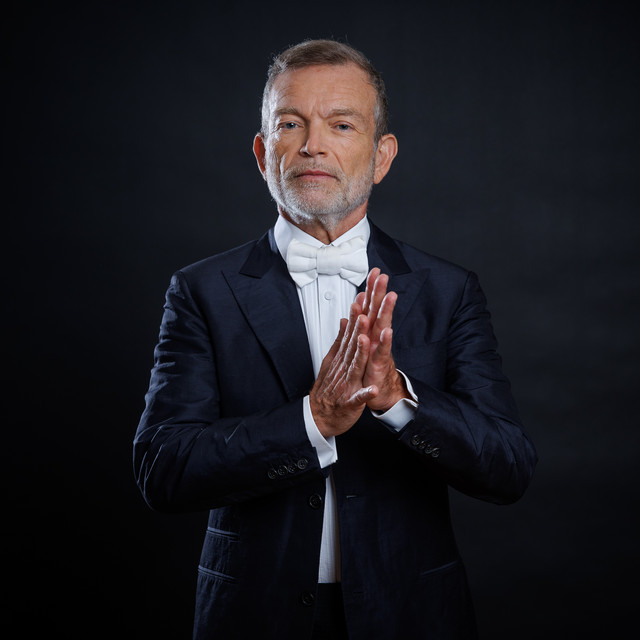
Herve Niquet
Tragédie En Musique
Opera
Baroque
2
/5
Le Concert Spirituel
Opera
Tragédie En Musique
Baroque
3
/5
Marc Minkowski
Classical
Opera
Baroque
Download our mobile app
Get the Melodigging app and start digging for new genres on the go
Download on the App Store
Get it on Google Play
© 2026 Melodigging
Give feedback
Legal
Melodding was created as a tribute to
Every Noise at Once
, which inspired us to help curious minds keep digging into music's ever-evolving genres.