Genres
Artists
Albums
Make Music
Sign in
Sign in
Artists
Tragédie En Musique
Artists
Tragédie En Musique
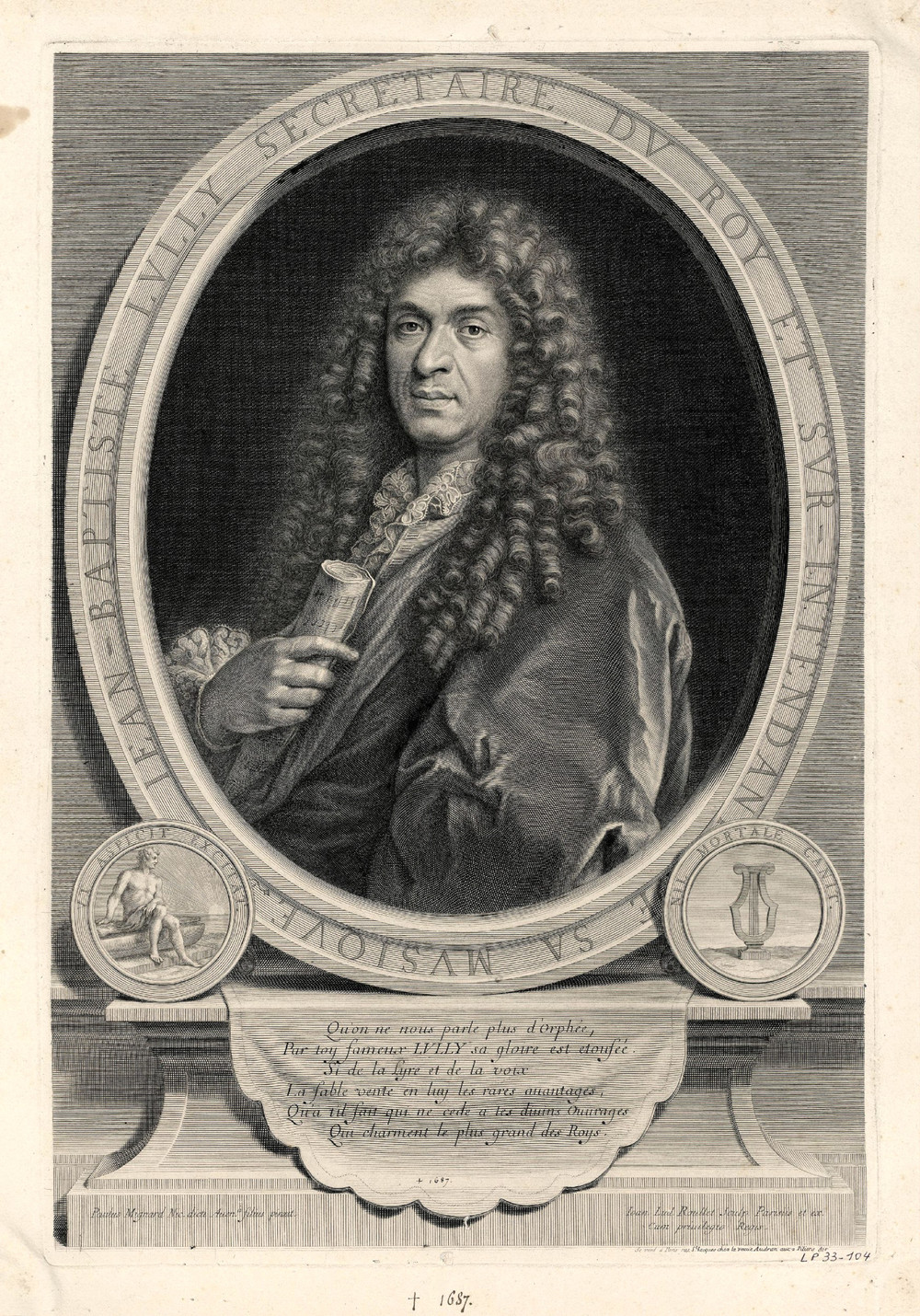
Jean-Baptiste Lully
1979–2024
·
14 albums
Listen
3
/5
Genres
Tragédie En Musique
Tragédie en musique (also called tragédie lyrique) is a French Baroque operatic genre forged at the court of Louis XIV by composer Jean-Baptiste Lully and librettist Philippe Quinault. It blends a solemn, heroic or mythological subject with a distinctive five-act plan plus a ceremonial prologue, abundant choral writing, instrumental interludes, and elaborate danced divertissements. The music features the French overture (majestically dotted rhythms), supple French récitatif tailored to the nuances of the language, brief airs rather than showpiece arias, and rich orchestral colors shaped by a five-part string band and basso continuo. Its overall aesthetic is one of noble declamation, dramatic clarity, and courtly spectacle—where text, dance, chorus, and stagecraft combine into a unified theatrical experience.
Discover
Listen
Divertissement
Divertissement is a French Baroque theatrical-music genre denoting a self-contained sequence of light, spectacular numbers—dances, choruses, instrumental interludes, and short vocal airs—inserted within larger stage works. It emerged at the court of Louis XIV and was codified in French tragédie en musique and comédie-ballet, where it often furnished the act endings or festive scenes, emphasizing spectacle, dance rhythms, and clear, elegant vocal writing. Stylistically, divertissements draw on court dance types (minuet, gavotte, bourrée, chaconne, passacaille), five-part French string writing, woodwinds (oboes, bassoons), and continuo, with characteristic French agréments (ornaments) and notes inégales. The mood is celebratory, pastoral, or allegorical rather than dramatically conflicted.
Discover
Listen
Comédie-Ballet
Comédie-ballet is a French Baroque theatrical form that fuses spoken comedy with music and dance in an integrated, plot-driven spectacle. It was devised to entertain courtly audiences with witty dialogue, elegant dancing, and richly scored intermèdes that commented on or extended the action. Developed by Molière in close collaboration with Jean-Baptiste Lully and choreographer Pierre Beauchamp under the patronage of Louis XIV, the genre balances dramatic scenes with sequences of airs, choruses, and court dances (gavotte, bourrée, sarabande, gigue), framed by the characteristic French overture. Its tone ranges from satirical to farcical, but its musical language remains refined, ornamented, and distinctly French.
Discover
Listen
Baroque
Baroque is a period and style of Western art music spanning roughly 1600–1750. It is characterized by the birth of functional tonality, the widespread use of basso continuo (figured bass), and a love of contrast—between soloist and ensemble, loud and soft, and different timbres. Hallmark genres and forms of the era include opera, cantata, oratorio, concerto (especially the concerto grosso), dance suite, sonata, and fugue. Textures range from expressive monody to intricate counterpoint, and melodies are richly ornamented with trills, mordents, and appoggiaturas. Baroque music flourished in churches, courts, and theaters across Europe, with regional styles (Italian, French, German, English) shaping distinctive approaches to rhythm, dance, harmony, and ornamentation.
Discover
Listen
Opera
Opera is a large-scale theatrical genre that combines music, drama, and visual spectacle, in which the story is primarily conveyed through singing accompanied by an orchestra. It unites solo voices, ensembles, and chorus with staging, costumes, and often dance to create a total artwork. Emerging in late Renaissance Italy and flourishing in the Baroque era, opera developed signature forms such as recitative (speech-like singing that advances the plot) and aria (lyrical numbers that explore character and emotion). Over the centuries it evolved diverse national styles—Italian bel canto, French grand opéra, German music drama—while continually experimenting with orchestration, harmony, narrative structure, and stagecraft.
Discover
Listen
Ballet De Cour
Ballet de cour (court ballet) was a lavish French courtly entertainment that fused dance, vocal and instrumental music, spoken allegory, poetry, and spectacular stagecraft. Emerging in the late Renaissance and flourishing into the early Baroque, it was performed by a mixture of professional musicians and noble amateurs in large ceremonial halls, tennis courts, or improvised theaters at court. Its dramaturgy revolved around sequences of contrasting entrées (self-contained numbers) unified by mythological or allegorical themes that celebrated dynastic power, diplomacy, and ideals of order and harmony. The musical language bridged modal Renaissance practices and early tonal tendencies, drawing on popular and court dance types (branles, pavanes, galliards, courantes) and on courtly song traditions such as the air de cour.
Discover
Listen
Classical
Classical music is the notated art-music tradition of Europe and its global descendants, characterized by durable forms, carefully codified harmony and counterpoint, and a literate score-based practice. The term “classical” can refer broadly to the entire Western art-music lineage from the Medieval era to today, not just the Classical period (c. 1750s–1820s). It privileges long-form structures (such as symphonies, sonatas, concertos, masses, and operas), functional or modal harmony, thematic development, and timbral nuance across ensembles ranging from solo instruments to full orchestras and choirs. Across centuries, the style evolved from chant and modal polyphony to tonal harmony, and later to post-tonal idioms, while maintaining a shared emphasis on written notation, performance practice, and craft.
Discover
Listen
Show all 7 genres
Albums
2024
1
/5
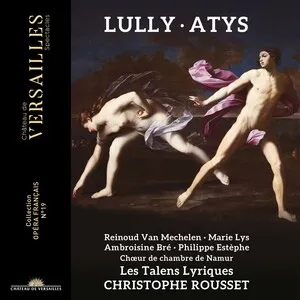
Atys
Jean-Baptiste Lully
Tragédie En Musique
Baroque
Classical
2022
2
/5
Le bourgeois gentilhomme
Jean-Baptiste Lully / Le Poème Harmonique / Vincent Dumestre
Comédie-Ballet
2021
1
/5
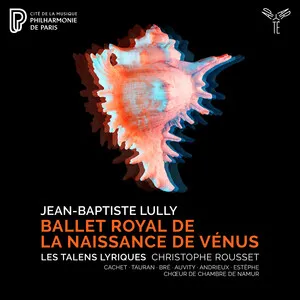
Ballet royal de la naissance de Vénus
Jean-Baptiste Lully
Ballet De Cour
Classical
2019
1
/5
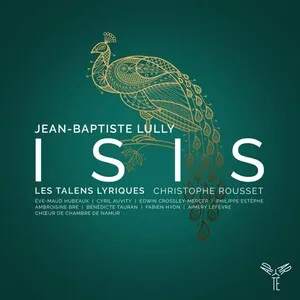
Isis
Jean-Baptiste Lully
Tragédie En Musique
2017
1
/5
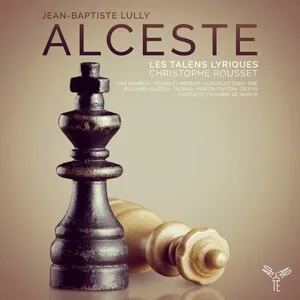
Alceste
Jean-Baptiste Lully
Tragédie En Musique
Classical
Opera
2008
1
/5
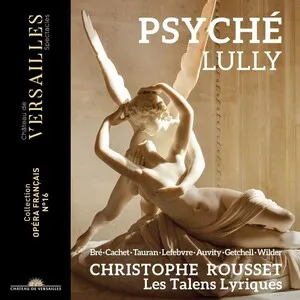
Psyché
Jean-Baptiste Lully
Comédie-Ballet
Tragédie En Musique
2007
1
/5
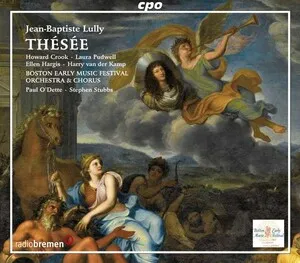
Thésée
Jean-Baptiste Lully
Tragédie En Musique
Baroque
Classical
1999
1
/5
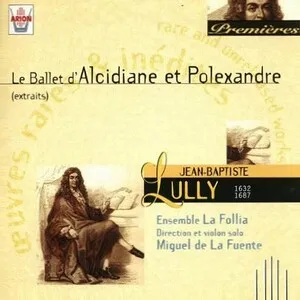
Le ballet d'Alcidiane et Polexandre (extraits) (Ensemble La Follia/Miguel de La Fuente)
Jean-Baptiste Lully
Ballet De Cour
1998
1
/5
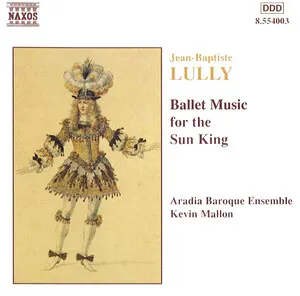
Ballet Music for the Sun King
Jean-Baptiste Lully / Aradia Ensemble / Kevin Mallon
Ballet De Cour
1994
1
/5
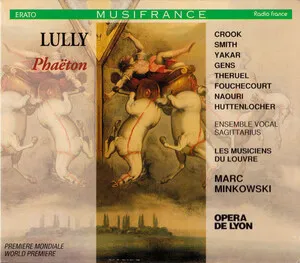
Phaëton
Jean-Baptiste Lully
Tragédie En Musique
Baroque
Classical
1993
2
/5
Armide
Jean-Baptiste Lully
Tragédie En Musique
1987
2
/5
Atys
Jean-Baptiste Lully
Tragédie En Musique
1979
1
/5
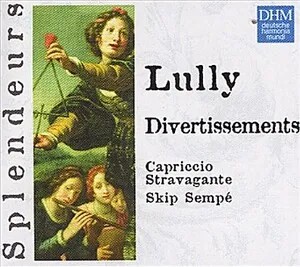
Divertissements [Laurens / Capriccio Stravagante / Sempé]
Jean-Baptiste Lully
Divertissement
Psyché
Jean-Baptiste Lully
Comédie-Ballet
Similar artists
3
/5
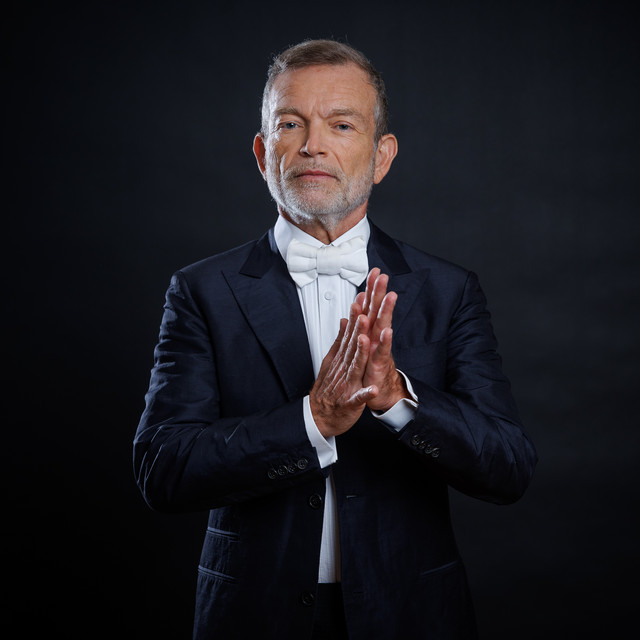
Christophe Rousset
Classical
Opera
Tragédie En Musique
2
/5
Les Talens Lyriques
Opera
Tragédie En Musique
Classical
2
/5
Chœur De Chambre De Namur
Opera
Classical
Tragédie En Musique
3
/5
William Christie
Classical
Opera
Tragédie En Musique
3
/5
Jean-Philippe Rameau
Classical
Opera-Ballet
Tragédie En Musique
3
/5
Les Arts Florissants
Opera
Tragédie En Musique
Classical
2
/5
Herve Niquet
Tragédie En Musique
Opera
Baroque
2
/5
Le Concert Spirituel
Opera
Tragédie En Musique
Baroque
2
/5
Véronique Gens
Classical
Tragédie En Musique
Baroque
3
/5
John Eliot Gardiner
Classical
Choral
Requiem
Download our mobile app
Get the Melodigging app and start digging for new genres on the go
Download on the App Store
Get it on Google Play
© 2026 Melodigging
Give feedback
Legal
Melodding was created as a tribute to
Every Noise at Once
, which inspired us to help curious minds keep digging into music's ever-evolving genres.