Genres
Artists
Albums
Make Music
Sign in
Sign in
Artists
Choral
Artists
Choral
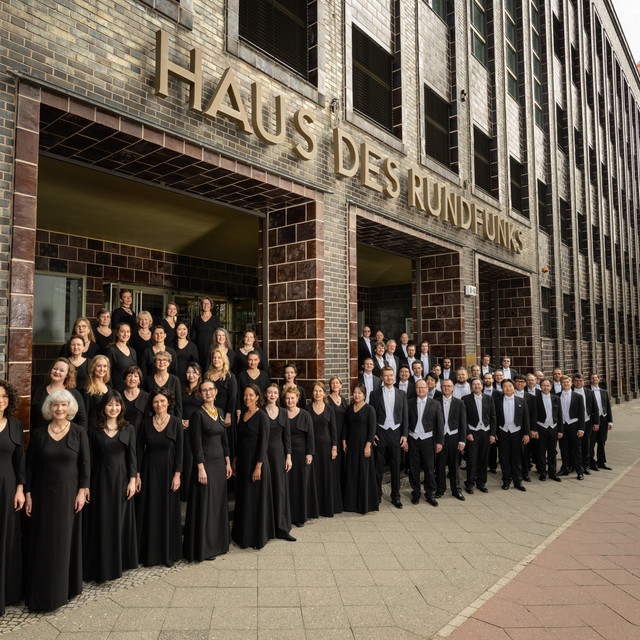
Rundfunkchor Berlin
1978–1999
·
3 albums
Listen
3
/5
Genres
Neoclassicism
Neoclassicism in music is a 20th‑century movement that revived forms, genres, and aesthetics from the Baroque and Classical eras, but reframed them with modern harmony, rhythm, and orchestration. It emphasizes clarity, balance, objectivity, and contrapuntal craft, often rejecting late‑Romantic excess while retaining a tonal or modal center enriched by dissonance, bitonality, and crisp rhythmic drive. Typical hallmarks include neobaroque dance suites, neoclassical sonatas and concerti, chamber‑oriented scoring, clean textures, and a dry, anti‑rhetorical performance style.
Discover
Listen
Impressionism
Impressionism in music is a late-19th- and early-20th-century style that prioritizes color, atmosphere, and suggestion over overt drama and functional harmonic progressions. Originating in France, it parallels the visual arts movement in its fascination with light, timbre, and fleeting impressions. Musically, the style favors modal, pentatonic, and whole‑tone materials; parallel (planed) chords; unresolved dissonances; and ambiguous tonal centers. Rhythms are flexible and often blur a sense of strong meter, while textures shimmer through delicate orchestration, pedal tones, and arpeggiated figures. Rather than strict sonata designs, impressionist works tend to be episodic, evocative, and programmatic, conjuring landscapes, water, night, and dreamlike states.
Discover
Listen
Romantische Oper
Romantische Oper (Romantic Opera) is an early nineteenth‑century German operatic genre that blends folkloric subject matter, medieval or fantastic settings, and a heightened orchestral role with the number‑opera practices inherited from the late Classical era. Rather than growing directly out of the eighteenth‑century Singspiel, it was decisively shaped by the French opéra comique of the Revolutionary and Napoleonic eras. Characteristic are reminiscence motifs—recognizable musical phrases tied to characters, ideas, or places—that recur across a work to bind drama and music, prefiguring later leitmotivic techniques. Orchestration becomes vivid and dramaturgical (hunting horns, nature painting, offstage ensembles), while choruses and folk‑like tunes reinforce themes of the supernatural, heroism, nationhood, and the poetic power of nature. Typical libretti draw on German folk tales, legends, and medieval romance; musically, the style favors singable, diatonic melodies colored by chromatic harmony and striking timbral effects to depict magic and terror alongside lyric intimacy.
Discover
Listen
Ballet
Ballet (as a musical genre) refers to orchestral music written to accompany choreographed dance on stage. It prioritizes clear tempi, strongly articulated rhythms, and memorable leitmotifs to support narrative, character, and movement. While rooted in court entertainment, ballet music evolved into a sophisticated, self-sufficient concert art: many ballets yield popular orchestral suites that are performed independently. Typical numbers include adagios, variations, codas, divertissements, character dances, and large ensemble scenes that mirror the dramatic arc of the choreography. Stylistically, ballet spans Baroque courtly idioms, Classical clarity, Romantic lyricism, and 20th‑century modernism and neoclassicism. It is predominantly instrumental (full orchestra), but can occasionally include choral or vocal parts when dramaturgy requires it.
Discover
Listen
Opera
Opera is a large-scale theatrical genre that combines music, drama, and visual spectacle, in which the story is primarily conveyed through singing accompanied by an orchestra. It unites solo voices, ensembles, and chorus with staging, costumes, and often dance to create a total artwork. Emerging in late Renaissance Italy and flourishing in the Baroque era, opera developed signature forms such as recitative (speech-like singing that advances the plot) and aria (lyrical numbers that explore character and emotion). Over the centuries it evolved diverse national styles—Italian bel canto, French grand opéra, German music drama—while continually experimenting with orchestration, harmony, narrative structure, and stagecraft.
Discover
Listen
Classical
Classical music is the notated art-music tradition of Europe and its global descendants, characterized by durable forms, carefully codified harmony and counterpoint, and a literate score-based practice. The term “classical” can refer broadly to the entire Western art-music lineage from the Medieval era to today, not just the Classical period (c. 1750s–1820s). It privileges long-form structures (such as symphonies, sonatas, concertos, masses, and operas), functional or modal harmony, thematic development, and timbral nuance across ensembles ranging from solo instruments to full orchestras and choirs. Across centuries, the style evolved from chant and modal polyphony to tonal harmony, and later to post-tonal idioms, while maintaining a shared emphasis on written notation, performance practice, and craft.
Discover
Listen
Choral
Choral refers to music written for and performed by a choir—an ensemble of voices organized into sections such as soprano, alto, tenor, and bass (SATB), or same-voice groupings (SSA, TTBB). It encompasses both sacred and secular repertoire and may be sung a cappella or with accompaniment by organ, piano, or full orchestra. Stylistically, choral music ranges from chant-like monophony to intricate polyphony and rich homophonic textures. Texts are drawn from liturgy, scripture, poetry, and vernacular sources, and are set in many languages. Performance contexts include church services, concert halls, and community events, making choral one of the most socially embedded and widely practiced forms of ensemble music. Across history, choral music has served as a laboratory for vocal counterpoint, word painting, and text-driven form, while functioning as a cultural bridge among religious rites, national traditions, and contemporary concert practice.
Discover
Listen
Show all 7 genres
Albums
1999
2
/5
Symphony of Psalms; Symphony in Three Movements; Symphonies of Wind Instruments
Igor Stravinsky / Berliner Philharmoniker / Pierre Boulez
Neoclassicism
1995
3
/5
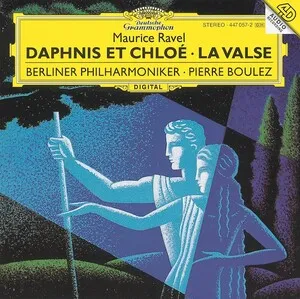
Daphnis et Chloé; La valse
Maurice Ravel / Berliner Philharmoniker / Pierre Boulez
Impressionism
Ballet
1978
1
/5
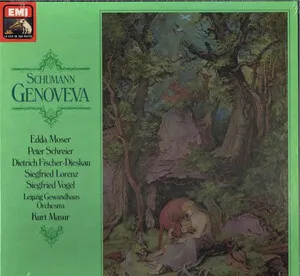
Genoveva
Robert Schumann
Romantische Oper
Similar artists
4
/5
Berliner Philharmoniker
Classical
Romantic Classical
Romanticism
4
/5
London Symphony Orchestra
Classical
Ballet
Concerto
4
/5
Herbert von Karajan
Classical
Symphonic Poem
Symphony
4
/5
Philharmonia Orchestra
Classical
Opera
Choral
1
/5
Various Artists
Afro-Funk
Alternative Rock
Ambient
4
/5
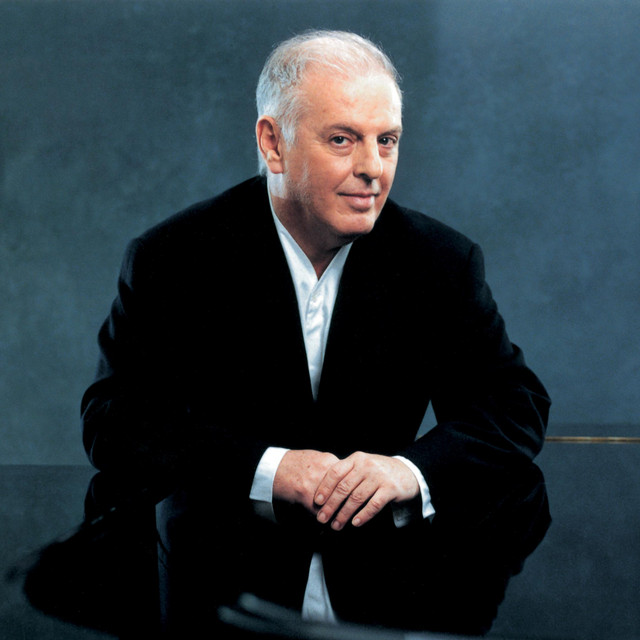
Daniel Barenboim
Impressionism
Classical
Chamber Music
3
/5
Orchestre de Paris
Classical
Opera
Ballet
3
/5
Charles Dutoit
Classical
Deep Soundtrack
Symphonic Poem
3
/5
Orchestre Symphonique de Montréal
Classical
Ballet
Impressionism
3
/5
Igor Stravinsky
Neoclassicism
Classical
Ballet
Download our mobile app
Get the Melodigging app and start digging for new genres on the go
Download on the App Store
Get it on Google Play
© 2026 Melodigging
Give feedback
Legal
Melodding was created as a tribute to
Every Noise at Once
, which inspired us to help curious minds keep digging into music's ever-evolving genres.