Genres
Artists
Albums
Make Music
Sign in
Sign in
Artists
Drone
Artists
Drone
Ryuichi Sakamoto
1978–2022
·
9 albums
Listen
4
/5
Genres
Anime Lo-Fi
Anime lo-fi is a microstyle of lo-fi hip hop that pairs mellow, dusty boom‑bap beats with melodies and textures associated with Japanese animation. Producers often sample or emulate anime soundtracks, dialogue snippets, and sentimental J‑pop/VGM harmonies, then filter them through tape hiss, vinyl crackle, detuned keys, and softly sidechained drums. Beyond sound, the genre is inseparable from a visual culture of looping anime scenes (e.g., the iconic "study girl"), cozy late‑night ambience, and pastel palettes. The result is intimate, unobtrusive "study beats" designed for focus, calm, and gentle nostalgia—an internet-native mood music that sits between chillhop and vaporwave aesthetics.
Discover
Listen
Deep Soundtrack
Deep soundtrack is a modern, cinematic substyle that emphasizes low, immersive textures, slow-moving harmony, and spacious ambience over bombast. It sits at the intersection of ambient music, post-classical scoring, and contemporary film/TV/game underscore, favoring drones, soft pulses, and intimate instruments (piano, strings, analog synths) treated with generous space and subtle sound design. Rather than foregrounding memorable themes or trailer-scale crescendos, deep soundtrack cultivates mood: tense, melancholic, or quietly hopeful. It is designed to sit under narrative, visuals, or concentration—music that breathes, evolves slowly, and suggests emotion without overwhelming it.
Discover
Listen
Isekai
Isekai (lit. "another world") in music refers to songs and scores written for anime and games where characters are transported—often accidentally or involuntarily—into a parallel universe or fantasy world. In practice, it is a sub-current of Japanese anisong and soundtrack culture whose soundworld emphasizes the wonder, peril, and empowerment arcs typical of isekai narratives. Musically, isekai blends high-impact J‑pop/J‑rock openings (OPs) with hybrid orchestral scores: soaring string ostinati, heroic brass, choir pads, and EDM/rock rhythm sections used to frame battles, leveling-up sequences, and portal moments. Endings (EDs) often pivot to lyrical, nostalgic or bittersweet pop to reflect homesickness, found-family bonds, or the protagonist’s inner monologue.
Discover
Listen
Melancholia
Melancholia is an internet-era microgenre centered on soft-focus, sorrow-tinged pop and indie songs that foreground intimacy, space, and emotional candor. Tracks are typically slow to mid‑tempo, sung in a close, almost confessional register, and framed by sparse, reverb‑soaked textures. Sonically it lives between dream pop, bedroom pop, and slowcore: shimmering guitars or wistful synth pads drift over understated beats; piano, acoustic guitar, and low‑key electronic drums carry muted, pulsing grooves. Harmonies often favor minor keys, suspended chords, and gentle extensions (7ths/9ths) that heighten a bittersweet glow. Lyrically, melancholia lingers on solitude, late‑night self‑reflection, breakups, and fragile hope. The genre coalesced through streaming playlists and social media, where its hush, negative space, and diaristic tone translate into a cohesive, instantly recognizable mood.
Discover
Listen
Nu Age
Nu age is a 2010s revival and reimagining of 1980s/90s New Age aesthetics through the lens of contemporary ambient, experimental electronics, and internet-era sensibilities. It favors lush synthesizer pads, soft-focus textures, gently pulsing arpeggios, field recordings, and spacious reverbs that evoke nature, healing, and contemplative states. Unlike classic New Age, nu age often embraces subtle digital artifacts, cassette warmth, and post-vaporwave nostalgia, weaving fourth-world timbres and Balearic calm into minimalist, slow-evolving forms. The result is a dreamlike, restorative sound that sits between ambient, meditative music, and modern sound design, appealing equally to wellness cultures and adventurous electronic listeners.
Discover
Listen
Shimmer Pop
Shimmer pop is a glossy, hook-forward offshoot of indie pop that emphasizes bright, “glassy” textures and dreamy atmospheres. Its sound is defined by clean, chorus‑drenched guitars or twinkling synth arpeggios, lush pads, and wide, sparkling high‑end detail that gives the music a literal sense of shimmer. Production often merges retro new‑wave and synth‑pop colors with modern indietronica polish, pairing side‑chained synths and gated reverbs with crisp, contemporary drum programming. Melodies are unabashedly pop, while the lyrics frequently explore romantic longing, youthful nostalgia, and late‑night introspection. Tempos typically sit in the mid‑tempo range, with steady 4/4 grooves or lightly syncopated patterns that keep the music buoyant and danceable without becoming aggressive. The overall mood balances optimism and wistfulness, creating a sound that feels both neon‑bright and emotionally tender.
Discover
Listen
Shimmer Psych
Shimmer psych is a contemporary strand of neo‑psychedelia that pairs sparkling, chorus‑washed guitars and gauzy vocal harmonies with dreamy pop songcraft. It emphasizes high‑end "shimmer," tape‑soft saturation, hypnagogic textures, and melodic hooks, sitting between dream pop, jangle pop, and classic psychedelic rock. Typical tracks are mid‑tempo, built on warm bass lines, gentle motorik or laid‑back breakbeats, and drenched in reverb, phaser, and delay. The result is sun‑bleached, nostalgic, and kaleidoscopic rather than heavy or jam‑oriented.
Discover
Listen
Workout Product
Workout product is a functional, production-oriented music micro-genre built for high-energy exercise contexts—HIIT, cardio, strength circuits, spin, and bootcamps. Rather than being artist-led, it is library- and catalog-driven: concise, loop-friendly tracks emphasize a steady, powerful four-on-the-floor pulse, simple hyping hooks, and drop-focused structures that sustain intensity. Typical tempos fall in the 120–150 BPM range (often synced to rep cadence or interval timers), with bright, compressed sonics, sidechained bass, and clear transitional cues for work/rest blocks. It draws from mainstream EDM and dance-pop (big-room builds, future-bass lift, electro-house grit) and modern pop/rap percussion. The result is highly motivational, durable background music that helps pace workouts and energize group classes, digital fitness content, and gym environments.
Discover
Listen
Compositional Ambient
Compositional ambient is a strand of ambient music that foregrounds written, motif‑driven structures and classical instrumentation while preserving the spaciousness and timbral subtlety of ambient sound design. It typically blends slow, consonant harmony with post‑minimalist processes, using piano, strings, and soft electronics to build gentle arcs, ostinati, and long decays. Unlike purely generative or texture‑only ambient, it emphasizes form, counterpoint, and thematic development—often with cinematic pacing and intimate production aimed at close, contemplative listening.
Discover
Listen
Modern Classical
Modern classical is a contemporary strand of instrumental music that applies classical composition techniques to intimate, cinematic settings. It typically foregrounds piano and strings, is sparsely orchestrated, and embraces ambience, repetition, and timbral detail. Rather than the academic modernism of the early 20th century, modern classical as used today refers to accessible, mood-driven works that sit between classical, ambient, and film music. Felt pianos, close‑miked string quartets, tape hiss, drones, soft electronics, and minimal harmonic movement are common, producing a contemplative, emotionally direct sound that translates well to headphones, streaming playlists, and screen media.
Discover
Listen
Classical Crossover
Classical crossover blends elements of Western classical music with popular styles to create accessible, cinematic, and vocally forward repertoire. It typically keeps classical vocal technique or orchestral timbres while adopting pop song structures, contemporary production, and ear‑catching hooks. Arrangements often feature lush strings, piano, and choir, with dramatic dynamic arcs and key changes. Repertoire may include pop-influenced originals, classical themes with new lyrics, and reinterpretations of opera arias or film melodies, frequently sung in English, Italian, or Latin. The genre is designed for broad appeal without abandoning the polish and gravitas of classical performance, bridging concert hall aesthetics and mainstream listening contexts.
Discover
Listen
Electro-Funk
Electro-funk is a dance-music style that fuses the syncopated grooves and bass-forward feel of funk with the drum machines, sequencers, and analog synthesizers of early electronic music. It is defined by TR-808 drum programming, robotic textures, vocoder or talkbox vocals, angular synth-bass lines, and sparse, futuristic arrangements designed for breakdancing. Claps often double the snare, off-beat open hi-hats add momentum, and synthetic percussion (cowbells, toms, zaps) punctuates the groove. Compared with boogie/post-disco, electro-funk relies more on machine-driven rhythms than live drums, and it emphasizes minimal, mechanical funk with DJ-friendly structures. Canonical tracks include Afrika Bambaataa & The Soulsonic Force’s “Planet Rock” (1982), Herbie Hancock’s “Rockit” (1983), and Hashim’s “Al-Naafiysh (The Soul)” (1983).
Discover
Listen
Minimal Synth
Minimal synth is a sparse, DIY strand of early electronic music built around a small palette of analog synthesizers, drum machines, and austere melodies. It favors economy: short, hook-like motifs; rigid, metronomic rhythms; and cool, detached vocals that sit in stark relief against the electronics. The sound is defined by dry drum machine patterns (often 2–4 bar loops), monophonic basslines, simple minor-key harmonies, and limited effects—typically delay and reverb used tastefully rather than lavishly. Emerging from post-punk and new wave’s experimental fringes, it captured a mood that was simultaneously intimate and mechanical, melancholic yet danceable. Originally circulated on cassettes and 7" singles via small independent labels, minimal synth has since become a collectors’ and archivists’ favorite, with a 2000s revival highlighting how its disciplined restraint and analog textures anticipated later retro-synth and underground electronic movements.
Discover
Listen
Minimal Wave
Minimal wave is a retroactive label for a strain of late-1970s and early-1980s DIY electronic new wave defined by sparse analog synthesizers, primitive drum machines, and austere, repetitive song structures. Its sound is cold yet melodic: dry, metronomic rhythms; simple bass sequences; monochrome pads or strings; and detached, often deadpan vocals recorded on modest home or small-studio setups. Releases were typically issued on small European labels or as private cassette editions, sitting at the intersection of synth-pop, post-punk, and French/Belgian coldwave. The genre’s contemporary identity coalesced in the mid-2000s through dedicated archival labels and compilations that highlighted this minimal, lo‑fi, and emotionally distant approach to early electronic pop.
Discover
Listen
Neo-Medieval Folk
Neo-medieval folk is a modern revivalist style that reimagines the sounds of medieval and early Renaissance Europe through contemporary folk aesthetics. It favors acoustic, historically inspired instruments (hurdy-gurdy, bagpipes, lute, harp, nyckelharpa, recorders, shawms, frame drums) and modal melodies, often sung in historical or reconstructed languages. While rooted in academic early-music practice, the genre is more atmospheric and narrative-driven than strictly scholarly. Artists blend courtly songs, dance forms (such as estampie and saltarello), drone-based textures, and ballad traditions with modern songwriting and subtle production. Depending on the act, it may lean toward dark wave and gothic timbres or toward pastoral, festival-ready folk.
Discover
Listen
Ambient
Ambient is a form of electronic and electroacoustic music that prioritizes tone, atmosphere, and texture over conventional song structures and rhythmic drive. It typically features slow-moving harmonies, sustained drones, gentle timbral shifts, and extensive use of space and silence. Rather than drawing attention to itself through hooks or beats, ambient is designed to be as ignorable as it is interesting, rewarding both background listening and focused immersion. Artists often employ synthesizers, samplers, tape loops, field recordings, and subtle acoustic instruments, with reverb and delay creating a sense of place. Substyles range from luminous, consonant soundscapes to darker, more dissonant atmospheres.
Discover
Listen
Progressive Electronic
Progressive electronic is a 1970s-born branch of electronic music that applies the exploratory ethos of progressive rock to synthesizers, sequencers, and studio-as-instrument techniques. It favors long-form structures, evolving textures, and thematic development over verse–chorus song forms. Hallmarks include analog synth timbres (Moog, ARP), step-sequenced ostinatos, spacious tape and plate reverbs, and gradual modulation of filters and envelopes. The music often embraces minimalistic repetition, cosmic and cinematic atmospheres, and a sense of narrative journey, connecting it to krautrock’s experimentalism and early ambient’s focus on tone and space.
Discover
Listen
New Age
New age is a largely instrumental, mood-driven genre that emphasizes calm, spacious textures and a sense of spiritual or contemplative uplift. It blends gentle electronic timbres, acoustic instruments, and global/folk influences to create immersive soundscapes intended for relaxation, meditation, and introspection. Hallmarks include slow tempos or free time, long sustaining pads, modal and consonant harmonies, nature field recordings, and unobtrusive rhythms. The music often avoids dramatic tension in favor of openness and continuity, conveying themes of inner peace, nature, and the transcendent.
Discover
Listen
Drone
Drone is a minimalist music genre defined by sustained tones, long durations, and extremely gradual change. Harmony is often static or centered on a single fundamental with subtle overtone shifts, while rhythm tends toward stasis or very slow pulses. Sound sources range from acoustic instruments (e.g., strings, organ, bagpipes, shruti box, tambura) to electronics (sine waves, oscillators, feedback, tape loops, and later digital synthesis and processing). Many composers favor just intonation or other alternative tuning systems to emphasize beating patterns, psychoacoustic effects, and the internal life of sound. Although drone as a sonic principle is ancient and global, the modern experimental genre cohered in the 1960s through the New York minimalists and related avant‑garde circles, then spread into ambient, experimental, and heavy music scenes. The focus is less on melody and more on timbre, resonance, and the phenomenology of listening.
Discover
Listen
Pop
Pop is a broad, hook-driven style of popular music designed for wide appeal. It emphasizes memorable melodies, concise song structures, polished vocals, and production intended for radio, charts, and mass media. While pop continually absorbs elements from other styles, its core remains singable choruses, accessible harmonies, and rhythmic clarity. Typical forms include verse–pre-chorus–chorus, frequent use of bridges and middle-eights, and ear-catching intros and outros. Pop is not defined by a single instrumentation. It flexibly incorporates acoustic and electric instruments, drum machines, synthesizers, and increasingly digital production techniques, always in service of the song and the hook.
Discover
Listen
Electronic
Electronic is a broad umbrella genre defined by the primary use of electronically generated or electronically processed sound. It encompasses music made with synthesizers, drum machines, samplers, computers, and studio/tape techniques, as well as electroacoustic manipulation of recorded or synthetic sources. The genre ranges from academic and experimental traditions to popular and dance-oriented forms. While its sonic palette is rooted in electricity and circuitry, its aesthetics span minimal and textural explorations, structured song forms, and beat-driven club permutations. Electronic emphasizes sound design, timbre, and studio-as-instrument practices as much as melody and harmony.
Discover
Listen
Impressionism
Impressionism in music is a late-19th- and early-20th-century style that prioritizes color, atmosphere, and suggestion over overt drama and functional harmonic progressions. Originating in France, it parallels the visual arts movement in its fascination with light, timbre, and fleeting impressions. Musically, the style favors modal, pentatonic, and whole‑tone materials; parallel (planed) chords; unresolved dissonances; and ambiguous tonal centers. Rhythms are flexible and often blur a sense of strong meter, while textures shimmer through delicate orchestration, pedal tones, and arpeggiated figures. Rather than strict sonata designs, impressionist works tend to be episodic, evocative, and programmatic, conjuring landscapes, water, night, and dreamlike states.
Discover
Listen
Classical
Classical music is the notated art-music tradition of Europe and its global descendants, characterized by durable forms, carefully codified harmony and counterpoint, and a literate score-based practice. The term “classical” can refer broadly to the entire Western art-music lineage from the Medieval era to today, not just the Classical period (c. 1750s–1820s). It privileges long-form structures (such as symphonies, sonatas, concertos, masses, and operas), functional or modal harmony, thematic development, and timbral nuance across ensembles ranging from solo instruments to full orchestras and choirs. Across centuries, the style evolved from chant and modal polyphony to tonal harmony, and later to post-tonal idioms, while maintaining a shared emphasis on written notation, performance practice, and craft.
Discover
Listen
Japanese Classical
Japanese classical refers to the courtly, religious, theatrical, and chamber traditions that crystallized in Japan from the Nara and Heian periods onward. It encompasses Gagaku (imperial court music), Shinto ritual music (kagura), Buddhist chant (shōmyō), Noh and Kabuki repertories (e.g., nagauta, jōruri), and chamber music for koto, shamisen, and shakuhachi (sankyoku). The style emphasizes modal color (ryō and ritsu modes, along with later in/yo pentatonic variants), the dramatic architecture of jo–ha–kyū (slow introduction, development, swift conclusion), and the aesthetic of ma (meaningful silence/space). Textures are often heterophonic or layered, timbres are cultivated for breathy, reedy, and bell-like colors (e.g., shō, hichiriki, ryūteki), and rhythm can range from free-flowing chant to stately ceremonial cycles. The result is a contemplative yet ceremonially powerful sound world distinct from Western common-practice tonality.
Discover
Listen
Show all 24 genres
Albums
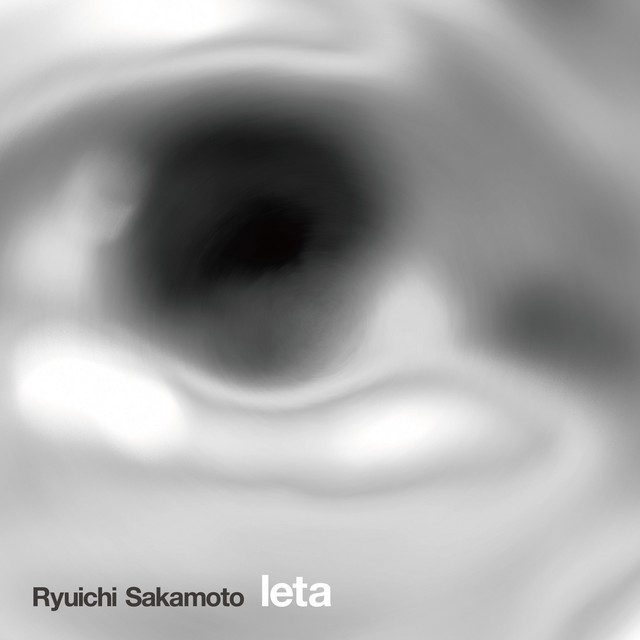
2022
2
/5
Ieta
Ryuichi Sakamoto
Japanese Classical
Drone
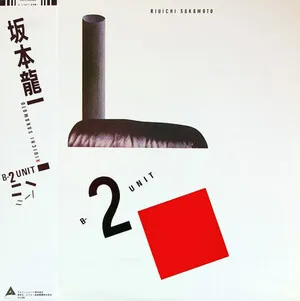
2019
2
/5
B-2 Unit
Riuichi Sakamoto
Minimal Synth
Minimal Wave
Electro-Funk
2011
2
/5
1996
Ryuichi Sakamoto 坂本龍一
Chamber Music
Modern Classical
Classical
2010
3
/5
Utau
Taeko Ohnuki 大貫妙子 & Ryuichi Sakamoto 坂本龍一
Classical Crossover
Classical
Pop
2008
3
/5
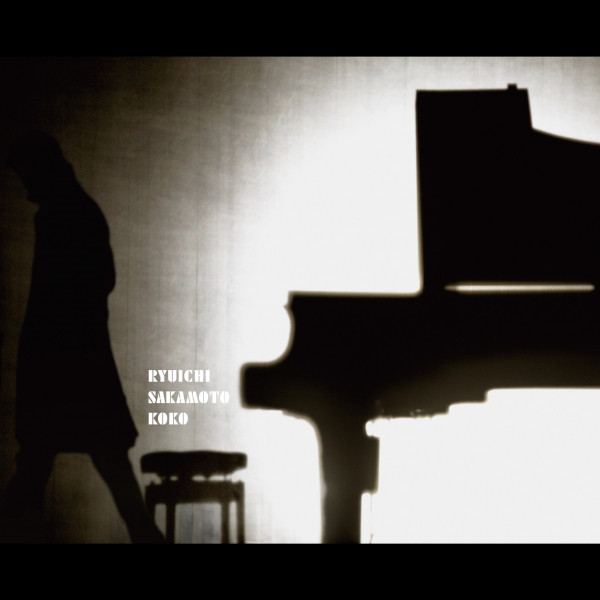
Koko
Ryuichi Sakamoto
Japanese Classical
Drone
Classical
1999
1
/5
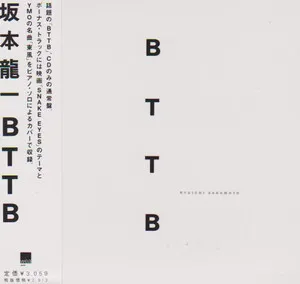
BTTB
Ryuichi Sakamoto 坂本龍一
Impressionism
Ambient
Modern Classical
1997
2
/5
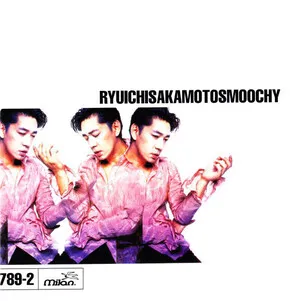
Smoochy
Ryuichi Sakamoto 坂本龍一
Sophisti-Pop
Electronic
1982
1
/5
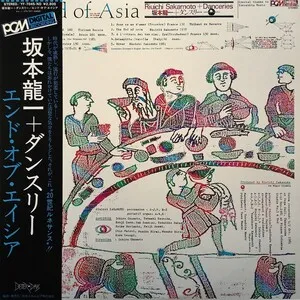
The End of Asia
Ryuichi Sakamoto 坂本龍一 & Danceries
Renaissance
Neo-Medieval Folk
New Age
1978
2
/5
Thousand Knives of Ryuichi Sakamoto 千のナイフ
Ryuichi Sakamoto 坂本龍一
Progressive Electronic
Electronic
Pop
Similar artists
1
/5
Éliane Radigue
Drone
Experimental
Ambient
4
/5
Brian Eno
Ambient
Krautrock
Experimental
3
/5
Toshifumi Hinata
Japanese Classical
Ambient
Electronic
1
/5
Various Artists
Afro-Funk
Alternative Rock
Ambient
3
/5
The Caretaker
Hauntology
Electronic
Ambient
2
/5
Terry Riley
Minimalism
Classical
Experimental
2
/5
Old Saw
Ambient
Drone
Ambient Americana
4
/5
Harold Budd
Ambient
Minimalism
Drone
3
/5
Hammock
Ambient Post-Rock
Space Ambient
Ambient
Dale Cooper Quartet & the Dictaphones
Ambient
Dark Jazz
Electronic
Download our mobile app
Get the Melodigging app and start digging for new genres on the go
Download on the App Store
Get it on Google Play
© 2026 Melodigging
Give feedback
Legal
Melodding was created as a tribute to
Every Noise at Once
, which inspired us to help curious minds keep digging into music's ever-evolving genres.