Genres
Artists
Albums
Make Music
Sign in
Sign in
Artists
Ambient Post-Rock
Artists
Ambient Post-Rock
Hammock
2013–2025
·
11 albums
Listen
3
/5
Genres
Deep Soundtrack
Deep soundtrack is a modern, cinematic substyle that emphasizes low, immersive textures, slow-moving harmony, and spacious ambience over bombast. It sits at the intersection of ambient music, post-classical scoring, and contemporary film/TV/game underscore, favoring drones, soft pulses, and intimate instruments (piano, strings, analog synths) treated with generous space and subtle sound design. Rather than foregrounding memorable themes or trailer-scale crescendos, deep soundtrack cultivates mood: tense, melancholic, or quietly hopeful. It is designed to sit under narrative, visuals, or concentration—music that breathes, evolves slowly, and suggests emotion without overwhelming it.
Discover
Listen
Modern Downshift
Modern downshift is a contemporary, playlist-era microgenre that blends hushed alternative pop and alt‑R&B sensibilities with the spaciousness of downtempo and ambient pop. Songs are typically slow to mid‑tempo, minimal in arrangement, and intimate in vocal delivery—often breathy, close‑miked, and confessional. Production emphasizes warmth and negative space: soft sub‑bass, restrained percussion, reverb‑washed pads or guitars, and gentle saturation that keeps the overall texture velvety and nocturnal. Lyrically, the style skews introspective and late‑night: relationships, vulnerability, quiet self‑reflection, and the emotional afterglow of parties or city drives. The result is music that feels low‑key and cinematic—designed as much for solitary listening as for low‑light social settings.
Discover
Listen
Ambient Worship
Ambient worship is a devotional offshoot of ambient and post-rock aesthetics that foregrounds sustained pads, guitar swells, and slowly unfolding harmonies to create a space for prayer, contemplation, and corporate worship. Rather than driving rhythms and sing-along choruses, it emphasizes texture, silence, and long-decay reverbs (often with shimmer) that evoke a sense of awe and stillness. Lyrics—when present—are sparse, Scripture-based, or mantra-like refrains; many tracks are instrumental. The result is a contemplative soundscape used in church prayer rooms, soaking worship, liturgical settings, and personal devotion.
Discover
Listen
Christmas Product
“Christmas product” is a meta‑category of holiday recordings designed primarily as functional, keyword‑optimized music products rather than as artist‑driven albums. These releases are typically studio or library sessions that package public‑domain carols and well‑known seasonal standards in accessible styles, often under generic ensemble names, for use in playlists, in‑store ambience, television bumpers, ads, and low‑cost compilations. Sonically, the style leans on bright, welcoming arrangements (strings, choir pads, sleigh bells, glockenspiel, light rhythm sections) and familiar melodic treatments that evoke classic Christmas sentimentality. Tracks are usually mastered for consistency and utility (clean intros, sting endings, tidy cut‑downs), enabling seamless placement across media and streaming contexts.
Discover
Listen
Dreamgaze
Dreamgaze is a contemporary, internet-era blend of shoegaze and dream pop that emphasizes hazy guitar textures, soft vocals, and a nostalgic, romantic atmosphere. The style favors slow-to-mid tempos, chorus- and reverb-drenched guitars, gauzy synth pads, and pillow-soft drum programming or lightly compressed live drums. Vocals tend to be breathy and mixed as part of the texture rather than as a dominant lead, with lyrics that evoke memory, distance, and intimate, cinematic imagery. Production leans toward lush ambience and gentle saturation—think washed-out delays, shimmering modulations, side-chained pads, and layers of stereo width—creating a weightless, dreamlike sound field.
Discover
Listen
New Isolationism
New isolationism is a contemporary strain of isolationist ambient and post-industrial minimalism that emerged in the 2010s, particularly around Scandinavian experimental labels and studios. It foregrounds intimate, close-mic’d sound, negative space, and a quiet-but-present noise floor; its pieces feel both internal and architectural, like rooms built from reverb tails, tape hiss, and soft electronics. Sonically, the style blends glacial drones, fragile chamber timbres (strings, organ, piano), lo‑fi electronics, and field recordings into stark, slow-evolving tableaux. Melodic information is sparse—often only a few tones or gestures—while rhythm is either absent or reduced to distant pulses, heartbeats, or mechanical cycles. Vocals, when they appear, are murmured, diaristic, or abstracted by pitch and time manipulation. Aesthetically, new isolationism is post‑internet and diaristic: it captures solitude, memory, and dislocation with a palette that feels personal yet estranged, drawing as much from contemporary gallery sound practice as from classic dark ambient.
Discover
Listen
Ambient Post-Rock
Ambient post-rock is a hybrid style that combines the slow-building, guitar-and-band dynamics of post-rock with the spacious textures and immersive atmosphere of ambient music. Songs typically favor long-form development over verse/chorus songwriting, using repetition, gradual layering, and evolving timbre to create a cinematic sense of scale. Common traits include shimmering or heavily effected guitars, sustained drones, restrained percussion, and a focus on mood and sound design rather than lyrics or virtuoso solos.
Discover
Listen
Instrumental Post-Rock
Instrumental post-rock is a guitar- and texture-centered style of rock music that emphasizes atmosphere, dynamics, and long-form development over traditional verse–chorus songwriting. It typically features mostly or entirely instrumental tracks built from repeated motifs, gradual layering, and dramatic crescendos, often blending rock instrumentation with orchestral, ambient, or experimental timbres. The sound is commonly characterized by clean or delayed guitars, spacious reverb, evolving drum patterns, and cinematic arrangement arcs that create a narrative feeling without relying on lyrics.
Discover
Listen
Post-Rock
Post-rock is a style that uses traditional rock instrumentation—guitars, bass, drums, and often piano or strings—to create expansive textures, evolving soundscapes, and dynamic arcs rather than conventional verse–chorus songs. It emphasizes timbre, atmosphere, and gradual development: clean or lightly overdriven guitars drenched in delay and reverb, cyclical ostinatos, layered crescendos, and pronounced quiet–loud dynamics. Vocals, if present, are often sparse, wordless, or treated as another textural layer. The genre draws heavily from ambient, minimalism, krautrock, progressive and space rock, shoegaze, noise rock, and experimental practices, yielding music that can feel cinematic, contemplative, and emotionally cathartic.
Discover
Listen
Space Ambient
Space ambient is a substyle of ambient music devoted to evoking cosmic scale, interstellar travel, and the vastness of outer space. It emphasizes expansive soundscapes, slow-evolving drones, and a strong sense of spatial depth created by long reverbs, delays, and careful stereo imaging. The music typically avoids overt rhythm and melody in favor of sustained pads, subtly shifting harmonies, and quiet textural details. Analog and digital synthesizers, modular systems, and granular processing are common tools, often complemented by found sounds, radio/space transmissions, and gentle field recordings. The result is immersive, contemplative listening that suggests weightlessness, distance, and awe.
Discover
Listen
Ambient
Ambient is a form of electronic and electroacoustic music that prioritizes tone, atmosphere, and texture over conventional song structures and rhythmic drive. It typically features slow-moving harmonies, sustained drones, gentle timbral shifts, and extensive use of space and silence. Rather than drawing attention to itself through hooks or beats, ambient is designed to be as ignorable as it is interesting, rewarding both background listening and focused immersion. Artists often employ synthesizers, samplers, tape loops, field recordings, and subtle acoustic instruments, with reverb and delay creating a sense of place. Substyles range from luminous, consonant soundscapes to darker, more dissonant atmospheres.
Discover
Listen
Space Music
Space music is an ambient-leaning form of electronic and acoustic soundscaping designed to evoke vastness, weightlessness, and the mystery of the cosmos. It favors long, slowly evolving textures, deep drones, and luminous harmonies over conventional song structure, rhythm, or melody. The style grew around sustained synthesizer pads, sequencer patterns, and expansive reverberation, often integrating field recordings or processed acoustic instruments. Whether contemplative or awe‑struck, its intent is to transport the listener into a spacious, imaginal soundfield—akin to drifting through celestial environments and deep time.
Discover
Listen
Drone
Drone is a minimalist music genre defined by sustained tones, long durations, and extremely gradual change. Harmony is often static or centered on a single fundamental with subtle overtone shifts, while rhythm tends toward stasis or very slow pulses. Sound sources range from acoustic instruments (e.g., strings, organ, bagpipes, shruti box, tambura) to electronics (sine waves, oscillators, feedback, tape loops, and later digital synthesis and processing). Many composers favor just intonation or other alternative tuning systems to emphasize beating patterns, psychoacoustic effects, and the internal life of sound. Although drone as a sonic principle is ancient and global, the modern experimental genre cohered in the 1960s through the New York minimalists and related avant‑garde circles, then spread into ambient, experimental, and heavy music scenes. The focus is less on melody and more on timbre, resonance, and the phenomenology of listening.
Discover
Listen
Rock
Rock is a broad family of popular music centered on amplified instruments, a strong backbeat, and song forms that foreground riffs, choruses, and anthemic hooks. Emerging from mid‑20th‑century American styles like rhythm & blues, country, and gospel-inflected rock and roll, rock quickly expanded in scope—absorbing folk, blues, and psychedelic ideas—while shaping global youth culture. Core sonic markers include electric guitar (often overdriven), electric bass, drum kit emphasizing beats 2 and 4, and emotive lead vocals. Rock songs commonly use verse–chorus structures, blues-derived harmony, and memorable melodic motifs, ranging from intimate ballads to high‑energy, stadium‑sized performances.
Discover
Listen
Instrumental Rock
Instrumental rock is a branch of rock music in which the featured melodies and hooks are carried by instruments—most famously the electric guitar—rather than a lead singer. Emerging in the late 1950s, it emphasizes memorable riffs, strong rhythmic backbeats, and distinctive guitar tones (twang, tremolo picking, and spring reverb), often supported by bass, drums, and sometimes organ or saxophone. It ranges from raw, riff-driven singles to more sophisticated, jazz-tinged or studio-crafted pieces. While closely associated with early surf sounds, instrumental rock is broader, encompassing twangy rock-and-roll, R&B-rooted combo instrumentals, and later virtuoso guitar showcases.
Discover
Listen
Score
Score refers to original music composed to synchronize with and shape the narrative of visual media—primarily film, television, and, later, video games. Unlike a “soundtrack,” which often compiles pre-existing songs, a score is written to picture, uses timing cues to support storytelling beat by beat, and develops recurring themes (leitmotifs) for characters, settings, or ideas. The palette ranges from late‑Romantic orchestration and modernist harmony to jazz idioms, electronic sound design, and global instrumentation. Hallmarks include thematic development, hit points, motif variation, orchestration color, and a close relationship with sound effects and dialogue in the final mix.
Discover
Listen
Electronic
Electronic is a broad umbrella genre defined by the primary use of electronically generated or electronically processed sound. It encompasses music made with synthesizers, drum machines, samplers, computers, and studio/tape techniques, as well as electroacoustic manipulation of recorded or synthetic sources. The genre ranges from academic and experimental traditions to popular and dance-oriented forms. While its sonic palette is rooted in electricity and circuitry, its aesthetics span minimal and textural explorations, structured song forms, and beat-driven club permutations. Electronic emphasizes sound design, timbre, and studio-as-instrument practices as much as melody and harmony.
Discover
Listen
Chamber Music
Chamber music is a tradition of composed music for small ensembles—typically one player per part—intended for intimate spaces such as courts, salons, and private rooms rather than large public halls. Its aesthetic emphasizes clarity of texture, conversational interplay among parts, and balance without a conductor. Hallmark formations include the string quartet, piano trio, wind quintet, string quintet, and various mixed ensembles. Multi‑movement cycles (often in sonata form) and finely wrought counterpoint are common, ranging from Baroque trio sonatas to Classical string quartets and modern works with expanded timbres and techniques. Because of its scale and transparency, chamber music has long been a proving ground for compositional craft and ensemble musicianship, shaping the core of Western art music from the Baroque through the present.
Discover
Listen
Classical
Classical music is the notated art-music tradition of Europe and its global descendants, characterized by durable forms, carefully codified harmony and counterpoint, and a literate score-based practice. The term “classical” can refer broadly to the entire Western art-music lineage from the Medieval era to today, not just the Classical period (c. 1750s–1820s). It privileges long-form structures (such as symphonies, sonatas, concertos, masses, and operas), functional or modal harmony, thematic development, and timbral nuance across ensembles ranging from solo instruments to full orchestras and choirs. Across centuries, the style evolved from chant and modal polyphony to tonal harmony, and later to post-tonal idioms, while maintaining a shared emphasis on written notation, performance practice, and craft.
Discover
Listen
Show all 19 genres
Albums
2025
2
/5
Nevertheless
Hammock
Ambient Post-Rock
Space Ambient
Instrumental Post-Rock
2025
1
/5
Requiem for Johan
Hammock
Space Ambient
Ambient Post-Rock
Instrumental Post-Rock
2024
1
/5
Eschata
Hammock
Ambient Post-Rock
Space Ambient
Instrumental Post-Rock
2024
1
/5
She Likes the Stormy Weather
Hammock
Ambient Post-Rock
Space Ambient
Instrumental Post-Rock
2022
1
/5
Love in the Void
Hammock
Space Ambient
Ambient Post-Rock
Instrumental Post-Rock
2019
2
/5
Silencia
Hammock
Space Ambient
Ambient Post-Rock
2018
2
/5
Universalis
Hammock
Ambient Post-Rock
Ambient
Electronic
2018
3
/5
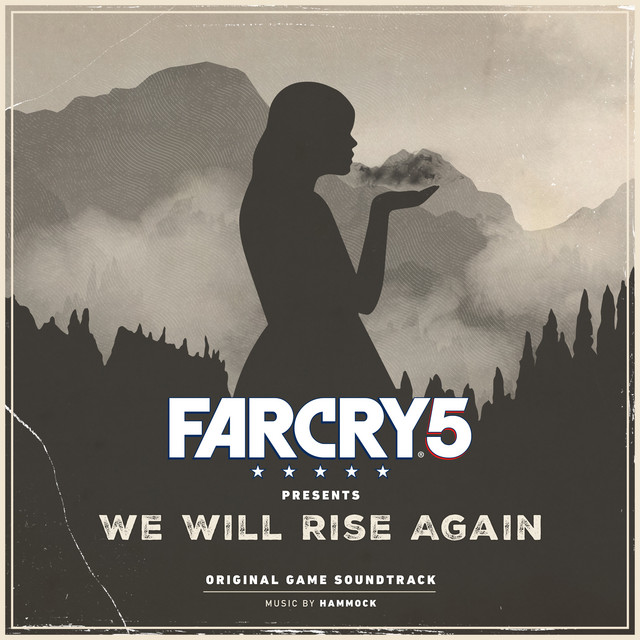
Far Cry 5 Presents: We Will Rise Again (Original Game Soundtrack)
Hammock
Ambient Post-Rock
Space Ambient
Instrumental Post-Rock
2017
2
/5
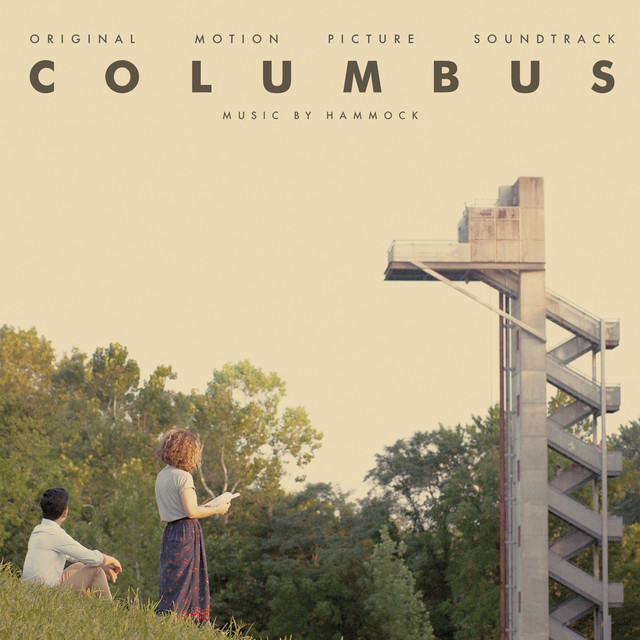
Columbus (Original Motion Picture Soundtrack)
Hammock
Ambient Post-Rock
2017
3
/5
Mysterium
Hammock
Ambient Post-Rock
Space Ambient
2013
3
/5
Oblivion Hymns
Hammock
Space Ambient
Ambient Post-Rock
Instrumental Post-Rock
Similar artists
1
/5
Various Artists
Afro-Funk
Alternative Rock
Ambient
3
/5
This Will Destroy You
Ambient Post-Rock
Doomgaze
Instrumental Post-Rock
3
/5
Stellardrone
Ambient
Space Ambient
Electronic
3
/5
Carbon Based Lifeforms
Ambient
Ambient Trance
Downtempo
2
/5
Steve Roach
Ambient
Electronic
Space Ambient
2
/5
Klaus Schulze
Berlin School
Ambient
Electronic
4
/5
Brian Eno
Ambient
Krautrock
Experimental
3
/5
Oneohtrix Point Never
Hauntology
Plunderphonics
Ambient
2
/5
Jonn Serrie
Ambient
Space Ambient
Drone
1
/5
Thom Brennan
Ambient
Space Ambient
Drone
Download our mobile app
Get the Melodigging app and start digging for new genres on the go
Download on the App Store
Get it on Google Play
© 2026 Melodigging
Give feedback
Legal
Melodding was created as a tribute to
Every Noise at Once
, which inspired us to help curious minds keep digging into music's ever-evolving genres.