Genres
Artists
Albums
Make Music
Sign in
Sign in
Artists
Ambient
Artists
Ambient
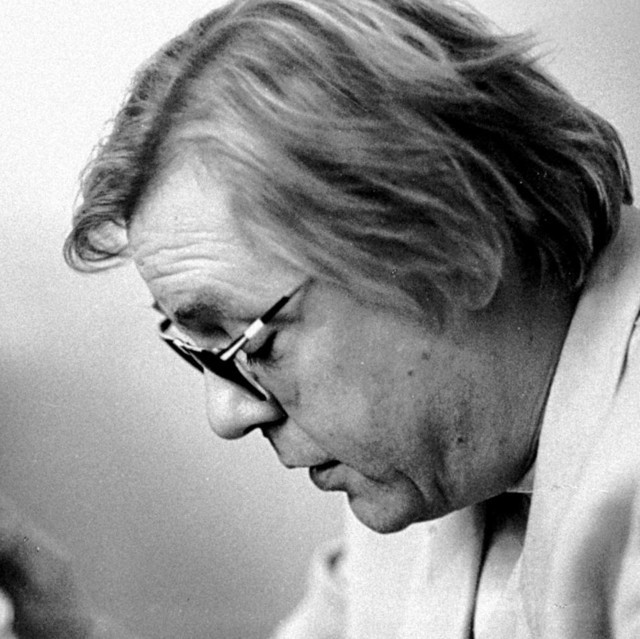
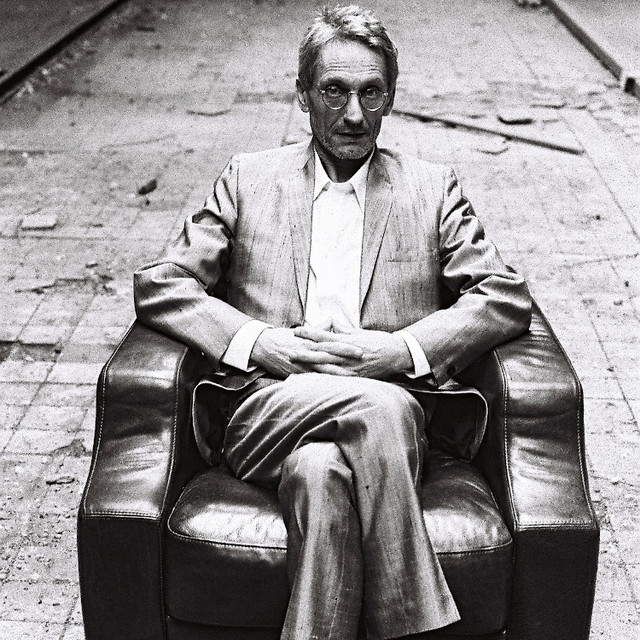
Klaus Schulze
1972–2024
·
55 albums
Listen
2
/5
Genres
Modern Classical
Modern classical is a contemporary strand of instrumental music that applies classical composition techniques to intimate, cinematic settings. It typically foregrounds piano and strings, is sparsely orchestrated, and embraces ambience, repetition, and timbral detail. Rather than the academic modernism of the early 20th century, modern classical as used today refers to accessible, mood-driven works that sit between classical, ambient, and film music. Felt pianos, close‑miked string quartets, tape hiss, drones, soft electronics, and minimal harmonic movement are common, producing a contemplative, emotionally direct sound that translates well to headphones, streaming playlists, and screen media.
Discover
Listen
Trance
Trance is a form of electronic dance music characterized by steady four-on-the-floor beats, long build‑ups and breakdowns, and euphoric, melodic progressions designed to induce a hypnotic or “trance‑like” state. Typical tempos range from about 130 to 142 BPM, with arrangements often stretching 7–10 minutes to allow DJs room for tension, release, and seamless mixing. The sound palette emphasizes shimmering pads, arpeggiated synth motifs, supersaw leads, and wide, reverberant spaces. Harmonically, trance tends to favor minor keys, modal mixture, and extended suspense before cathartic drops. Production hallmarks include sidechain compression (“pumping”), off‑beat open hi‑hats, rolling basslines, and lush delay/reverb tails. While largely instrumental, a major branch—vocal trance—features lyrical toplines and pop‑leaning structures without losing its club‑centric dynamics.
Discover
Listen
Ambient Trance
Ambient trance is a downtempo-leaning branch of trance that softens the club energy into a floating, cinematic space. Emerging in the mid‑1990s, it often began as chillout or "beatless" remixes of trance tracks, taking the genre’s signature arpeggiated synthesizers, evolving pads, and euphoric harmonies and placing them in Ambient and Downtempo contexts. The result favors long reverb tails, slow filter sweeps, and gradual, wave‑like dynamics over big drops, making it ideal for Ibiza chillout terraces, after‑hours rooms, and attentive headphone listening. Typical pieces use four‑on‑the‑floor or half‑time pulses at relaxed tempos, gentle off‑beat accents, and extended harmonic cycles that evoke vast, weightless atmospheres.
Discover
Listen
Downtempo
Downtempo is a mellow, groove-oriented branch of electronic music characterized by slower tempos, plush textures, and a focus on atmosphere over dancefloor intensity. Typical tempos range from about 60–110 BPM, with swung or laid-back rhythms, dub-informed basslines, and warm, jazz-tinged harmonies. Stylistically, it blends the spaciousness of ambient, the head-nodding rhythms of hip hop and breakbeat, and the cosmopolitan smoothness of lounge and acid jazz. Producers often use sampled drums, Rhodes or Wurlitzer electric pianos, guitar licks with delay, and field recordings to create intimate, cinematic soundscapes. The mood spans from soulful and romantic to introspective and dusk-lit, making it a staple of after-hours listening, cafes, and relaxed club back rooms.
Discover
Listen
Electro
Electro is an early 1980s machine-funk style built around drum machines (especially the Roland TR-808), sequenced basslines, and a futuristic, robotic aesthetic. It emphasizes syncopated rhythms, sparse arrangements, and timbres drawn from analog and early digital synthesizers. Vocals, when present, are often delivered via vocoder or rap-style chants, reinforcing a sci‑fi, cyborg persona. Electro’s grooves powered breakdance culture, and its sonic palette—crisp 808 kicks, snappy snares, dry claps, cowbells, and squelchy bass—became foundational to later techno and bass music.
Discover
Listen
Neoclassical New Age
Neoclassical new age is a crossover style that blends contemporary classical writing with the mellow, restorative aesthetics of new age music. It is typically piano-led, harmonically consonant, and minimalist in texture, often supported by soft strings, subtle electronics, and generous ambience. The genre favors lyrical melodies, repeating ostinati, slow builds, and a cinematic sense of space. It trades on intimacy and clarity—close-miked “felt” pianos, warm reverbs, and quiet dynamics—creating music that is contemplative, emotionally direct, and accessible to listeners beyond the traditional classical audience.
Discover
Listen
Techno
Techno is a four-on-the-floor, machine-driven form of electronic dance music that emerged in mid-to-late 1980s Detroit. It is characterized by steady 4/4 kick drums, repetitive and hypnotic rhythmic patterns, synthetic timbres, and an emphasis on texture, groove, and forward momentum over elaborate harmony. Producers typically use drum machines, sequencers, and synthesizers to build layered percussion, pulsing basslines, and evolving motifs. While often dark and minimalistic, techno spans a wide spectrum—from soulful, futuristic Detroit aesthetics to hard, industrially tinged European strains—yet it consistently prioritizes kinetic energy for dancefloors and a sense of machine futurism.
Discover
Listen
Ambient
Ambient is a form of electronic and electroacoustic music that prioritizes tone, atmosphere, and texture over conventional song structures and rhythmic drive. It typically features slow-moving harmonies, sustained drones, gentle timbral shifts, and extensive use of space and silence. Rather than drawing attention to itself through hooks or beats, ambient is designed to be as ignorable as it is interesting, rewarding both background listening and focused immersion. Artists often employ synthesizers, samplers, tape loops, field recordings, and subtle acoustic instruments, with reverb and delay creating a sense of place. Substyles range from luminous, consonant soundscapes to darker, more dissonant atmospheres.
Discover
Listen
Berlin School
Berlin School is a strand of German electronic music built around long, hypnotic sequences, evolving textures, and exploratory improvisation. It foregrounds analog synthesizers, step‑sequencers, and tape delays to create spacious, slowly shifting soundscapes. Emerging from the early 1970s Berlin underground, the style favors extended forms over song structures, minimal harmonic movement anchored by pedal points, and modal or scalar lead lines that weave over pulsing arpeggiations. The result balances mechanistic momentum with cosmic ambience, inviting deep listening and trance-like immersion.
Discover
Listen
Progressive Electronic
Progressive electronic is a 1970s-born branch of electronic music that applies the exploratory ethos of progressive rock to synthesizers, sequencers, and studio-as-instrument techniques. It favors long-form structures, evolving textures, and thematic development over verse–chorus song forms. Hallmarks include analog synth timbres (Moog, ARP), step-sequenced ostinatos, spacious tape and plate reverbs, and gradual modulation of filters and envelopes. The music often embraces minimalistic repetition, cosmic and cinematic atmospheres, and a sense of narrative journey, connecting it to krautrock’s experimentalism and early ambient’s focus on tone and space.
Discover
Listen
New Age
New age is a largely instrumental, mood-driven genre that emphasizes calm, spacious textures and a sense of spiritual or contemplative uplift. It blends gentle electronic timbres, acoustic instruments, and global/folk influences to create immersive soundscapes intended for relaxation, meditation, and introspection. Hallmarks include slow tempos or free time, long sustaining pads, modal and consonant harmonies, nature field recordings, and unobtrusive rhythms. The music often avoids dramatic tension in favor of openness and continuity, conveying themes of inner peace, nature, and the transcendent.
Discover
Listen
Space Ambient
Space ambient is a substyle of ambient music devoted to evoking cosmic scale, interstellar travel, and the vastness of outer space. It emphasizes expansive soundscapes, slow-evolving drones, and a strong sense of spatial depth created by long reverbs, delays, and careful stereo imaging. The music typically avoids overt rhythm and melody in favor of sustained pads, subtly shifting harmonies, and quiet textural details. Analog and digital synthesizers, modular systems, and granular processing are common tools, often complemented by found sounds, radio/space transmissions, and gentle field recordings. The result is immersive, contemplative listening that suggests weightlessness, distance, and awe.
Discover
Listen
Space Music
Space music is an ambient-leaning form of electronic and acoustic soundscaping designed to evoke vastness, weightlessness, and the mystery of the cosmos. It favors long, slowly evolving textures, deep drones, and luminous harmonies over conventional song structure, rhythm, or melody. The style grew around sustained synthesizer pads, sequencer patterns, and expansive reverberation, often integrating field recordings or processed acoustic instruments. Whether contemplative or awe‑struck, its intent is to transport the listener into a spacious, imaginal soundfield—akin to drifting through celestial environments and deep time.
Discover
Listen
Drone
Drone is a minimalist music genre defined by sustained tones, long durations, and extremely gradual change. Harmony is often static or centered on a single fundamental with subtle overtone shifts, while rhythm tends toward stasis or very slow pulses. Sound sources range from acoustic instruments (e.g., strings, organ, bagpipes, shruti box, tambura) to electronics (sine waves, oscillators, feedback, tape loops, and later digital synthesis and processing). Many composers favor just intonation or other alternative tuning systems to emphasize beating patterns, psychoacoustic effects, and the internal life of sound. Although drone as a sonic principle is ancient and global, the modern experimental genre cohered in the 1960s through the New York minimalists and related avant‑garde circles, then spread into ambient, experimental, and heavy music scenes. The focus is less on melody and more on timbre, resonance, and the phenomenology of listening.
Discover
Listen
Krautrock
Krautrock is an experimental form of rock that emerged in late-1960s West Germany, characterized by hypnotic repetition, long-form structures, and a forward-looking embrace of electronics and studio experimentation. It typically features a steady, driving 4/4 “motorik” beat, circular bass ostinatos, sparse harmonic movement, and textural layering that draws from minimalism, free improvisation, and avant-garde composition. Rather than virtuosic solos, the emphasis is on collective groove, trance-inducing momentum, and timbral exploration. The sound ranges from raw, percussive jams to spacious, cosmic electronics, often eschewing conventional Anglo-American blues forms in favor of a distinctly European modernist aesthetic.
Discover
Listen
Space Rock
Space rock is a psychedelic branch of rock characterized by long-form, hypnotic grooves, swirling guitars awash in delay and reverb, and prominent analog synthesizers that evoke cosmic or interstellar imagery. The music often emphasizes texture and atmosphere over conventional song structures, creating expansive soundscapes that feel weightless and otherworldly. Emerging in late-1960s Britain from the overlap of psychedelic rock, early progressive rock, and experimental electronics, space rock frequently employs motorik-leaning rhythms, modal or drone-based harmony, and science-fiction themes. Extended improvisations, phased and fuzz-drenched timbres, and tape or echo effects are common, encouraging a sense of forward drift and cosmic exploration.
Discover
Listen
Experimental
Experimental music is an umbrella term for practices that prioritize exploration, process, and discovery over adherence to established genre norms. It embraces new sound sources, nonstandard tuning systems, indeterminacy and chance operations, graphic and open-form scores, extended techniques, and technology-led sound design (tape, electronics, computers, and live processing). Rather than a single style, it is a methodology and ethos: testing hypotheses about sound, structure, and performance, often blurring boundaries between composition, improvisation, sound art, and performance art. Listeners can expect unfamiliar timbres, unusual forms, and an emphasis on how music is made as much as the resulting sound.
Discover
Listen
Rock
Rock is a broad family of popular music centered on amplified instruments, a strong backbeat, and song forms that foreground riffs, choruses, and anthemic hooks. Emerging from mid‑20th‑century American styles like rhythm & blues, country, and gospel-inflected rock and roll, rock quickly expanded in scope—absorbing folk, blues, and psychedelic ideas—while shaping global youth culture. Core sonic markers include electric guitar (often overdriven), electric bass, drum kit emphasizing beats 2 and 4, and emotive lead vocals. Rock songs commonly use verse–chorus structures, blues-derived harmony, and memorable melodic motifs, ranging from intimate ballads to high‑energy, stadium‑sized performances.
Discover
Listen
Musique Concrète
Musique concrète is an electroacoustic approach to composition that uses recorded real‑world sounds (objets sonores) as primary material rather than traditional instruments or notation. Composers edit, splice, loop, reverse, time‑stretch, filter, and otherwise transform these recordings to create works designed for loudspeakers. Emerging in late‑1940s France, it introduced acousmatic listening—focusing on the sound itself, detached from its source—along with a morphology‑based vocabulary of gesture, texture, and timbre. Historically realized on tape and now on digital audio workstations, musique concrète privileges montage and transformation over conventional harmony and meter, inviting listeners into a rich, tactile world of sonic phenomena.
Discover
Listen
Soundtrack
Soundtrack is music created to accompany and enhance visual media such as film, television, and video games. It includes original scores (instrumental or vocal music composed specifically for the picture) and, at times, curated compilations of pre-existing songs. Stylistically, soundtrack is a meta-genre that can encompass orchestral symphonic writing, jazz, electronic and synth-driven textures, choral forces, popular song, and experimental sound design. Its defining trait is functional storytelling: themes, motifs, harmony, rhythm, and timbre are shaped by narrative needs, character psychology, pacing, and editing. Common features include leitmotifs for characters or ideas, modular cues that can be edited to picture, dynamic orchestration for dramatic range, and production approaches that sit well under dialogue and sound effects. Because it must synchronize to picture, soundtrack often uses clear dramatic arcs, tempo maps, and hit points.
Discover
Listen
Avant-Garde
Avant-garde music is an umbrella term for boundary-pushing practices that challenge prevailing norms of harmony, rhythm, timbre, form, and performance. It privileges experimentation, conceptual rigor, and a willingness to reframe what counts as music at all. Historically tied to early 20th‑century artistic modernism, avant-garde music introduced atonality, the emancipation of noise, and new forms of notation and process. It embraces indeterminacy, extended techniques, electronics, spatialization, and multimedia performance, treating sound as material to be sculpted, questioned, and reinvented.
Discover
Listen
Electronic
Electronic is a broad umbrella genre defined by the primary use of electronically generated or electronically processed sound. It encompasses music made with synthesizers, drum machines, samplers, computers, and studio/tape techniques, as well as electroacoustic manipulation of recorded or synthetic sources. The genre ranges from academic and experimental traditions to popular and dance-oriented forms. While its sonic palette is rooted in electricity and circuitry, its aesthetics span minimal and textural explorations, structured song forms, and beat-driven club permutations. Electronic emphasizes sound design, timbre, and studio-as-instrument practices as much as melody and harmony.
Discover
Listen
Opera
Opera is a large-scale theatrical genre that combines music, drama, and visual spectacle, in which the story is primarily conveyed through singing accompanied by an orchestra. It unites solo voices, ensembles, and chorus with staging, costumes, and often dance to create a total artwork. Emerging in late Renaissance Italy and flourishing in the Baroque era, opera developed signature forms such as recitative (speech-like singing that advances the plot) and aria (lyrical numbers that explore character and emotion). Over the centuries it evolved diverse national styles—Italian bel canto, French grand opéra, German music drama—while continually experimenting with orchestration, harmony, narrative structure, and stagecraft.
Discover
Listen
Classical
Classical music is the notated art-music tradition of Europe and its global descendants, characterized by durable forms, carefully codified harmony and counterpoint, and a literate score-based practice. The term “classical” can refer broadly to the entire Western art-music lineage from the Medieval era to today, not just the Classical period (c. 1750s–1820s). It privileges long-form structures (such as symphonies, sonatas, concertos, masses, and operas), functional or modal harmony, thematic development, and timbral nuance across ensembles ranging from solo instruments to full orchestras and choirs. Across centuries, the style evolved from chant and modal polyphony to tonal harmony, and later to post-tonal idioms, while maintaining a shared emphasis on written notation, performance practice, and craft.
Discover
Listen
Show all 24 genres
Albums
2024
2
/5
101, Milky Way
Klaus Schulze
Berlin School
Electronic
2022
2
/5
Deus Arrakis
Klaus Schulze
Berlin School
Space Ambient
Ambient
2022
Vat Was Dat
Klaus Schulze
Berlin School
Electronic
Progressive Electronic
2019
Next of Kin: Music From the Motion Picture Soundtrack
Klaus Schulze
Electronic
2018
Silhouettes
Klaus Schulze
Ambient
Electronic
2013
Shadowlands
Klaus Schulze
Ambient
Berlin School
Electronic
2013
The Schulze‐Schickert Session
Klaus Schulze & Günter Schickert
Electronic
Krautrock
New Age
2009
Come Quietly
Lisa Gerrard with Klaus Schulze
Ambient
Electronic
Neoclassical New Age
2008
Farscape
Klaus Schulze & Lisa Gerrard
Ambient
Electronic
Progressive Electronic
2008
The Dark Side of the Moog XI
Pete Namlook & Klaus Schulze
Ambient
Electronic
2007
1
/5
Audentity
Klaus Schulze
Berlin School
2007
2
/5
Kontinuum
Klaus Schulze
Berlin School
2005
1
/5
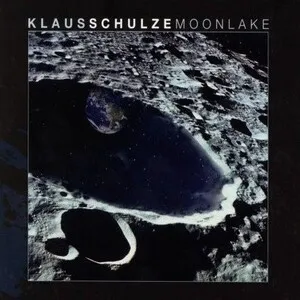
Moonlake
Klaus Schulze
Ambient Trance
Electronic
2005
The Dark Side of the Moog X
Pete Namlook & Klaus Schulze
Ambient
Electronic
2002
1
/5
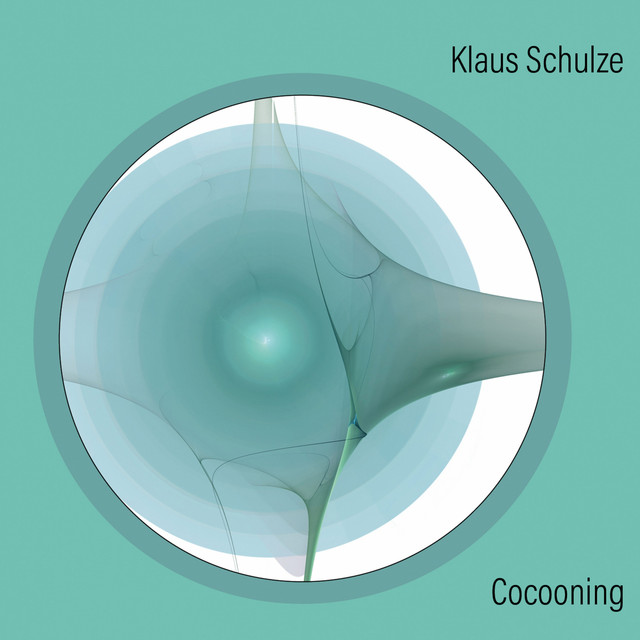
Cocooning
Klaus Schulze
Berlin School
Ambient
Downtempo
2002
The Dark Side of the Moog IX
Pete Namlook & Klaus Schulze
Ambient
Electronic
2002
Contemporary Works II
Klaus Schulze
Ambient
Electronic
2000
Contemporary Works I
Klaus Schulze
Electronic
1999
The Dark Side of the Moog VIII
Pete Namlook & Klaus Schulze
Ambient
Electronic
Experimental
1998
The Dark Side of the Moog VII
Pete Namlook & Klaus Schulze & Bill Laswell
Ambient
Electronic
Experimental
1997
The Dark Side of the Moog VI
Pete Namlook & Klaus Schulze & Bill Laswell
Ambient
Electronic
Trance
1996
The Dark Side of the Moog V
Pete Namlook & Klaus Schulze & Bill Laswell
Ambient
Electronic
Modern Classical
1996
Are You Sequenced?
Klaus Schulze
Electronic
1996
The Dark Side of the Moog IV
Pete Namlook & Klaus Schulze & Bill Laswell
Ambient
Electronic
Techno
1995
The Dark Side of the Moog III
Pete Namlook & Klaus Schulze
Ambient
Electronic
Trance
1995
The Dark Side of the Moog II
Pete Namlook & Klaus Schulze
Ambient
Electronic
Trance
1995
In Blue
Klaus Schulze
Electronic
1994
The Dark Side of the Moog
Pete Namlook & Klaus Schulze
Ambient
Electronic
1994
Totentag
Klaus Schulze
Electronic
Opera
1994
Klaus Schulze Goes Classic
Klaus Schulze
Ambient
Classical
Electronic
1994
Le Moulin de Daudet
Klaus Schulze
Ambient
Electronic
Modern Classical
1991
Beyond Recall
Klaus Schulze
Electronic
Trance
1990
Miditerranean Pads
Klaus Schulze
Ambient
Electronic
1988
En=Trance
Klaus Schulze
Ambient
Electronic
1987
Babel
Klaus Schulze & Andreas Grosser
Ambient
Electronic
Modern Classical
1986
Dreams
Klaus Schulze
Berlin School
Electronic
New Age
1985
Inter*Face
Klaus Schulze
Electronic
1984
Transfer Station Blue
Michael Shrieve with Kevin Shrieve and Klaus Schulze
Berlin School
Electro
Electronic
1984
Aphrica
Klaus Schulze & Rainer Bloss & Ernst Fuchs
Avant-Garde
Berlin School
Electronic
1984
Drive Inn
Rainer Bloss & Klaus Schulze
Ambient
Electronic
1984
Angst
Klaus Schulze
Electronic
1983
Audentity
Klaus Schulze
Ambient
Electronic
Experimental
1981
Trancefer
Klaus Schulze
Electronic
Experimental
1980
Dig It
Klaus Schulze
Ambient
Electronic
1979
Dune
Klaus Schulze
Electronic
1978
1
/5
"X"
Klaus Schulze
Berlin School
Progressive Electronic
Ambient
1977
1
/5
Body Love: Vol.2
Klaus Schulze
Berlin School
Soundtrack
Electronic
1977
1
/5
Mirage
Klaus Schulze
Berlin School
Progressive Electronic
Ambient
1977
Body Love
Klaus Schulze
Berlin School
Electronic
Experimental
1976
1
/5
Moondawn
Klaus Schulze
Berlin School
Progressive Electronic
Electronic
1975
1
/5
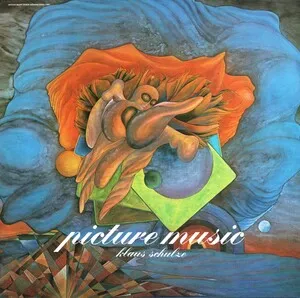
Picture Music
Klaus Schulze
Berlin School
Ambient
Electronic
1975
1
/5
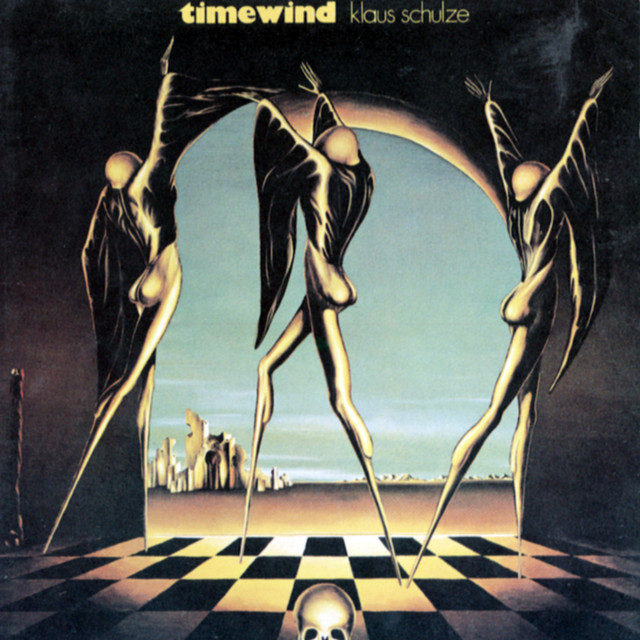
Timewind
Klaus Schulze
Berlin School
Space Ambient
Progressive Electronic
1974
Blackdance
Klaus Schulze
Electronic
1973
1
/5
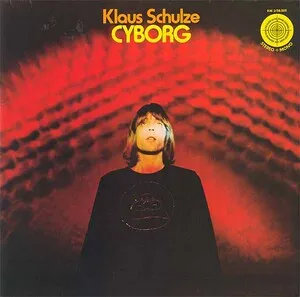
Cyborg
Klaus Schulze
Space Ambient
Progressive Electronic
Electronic
1972
1
/5
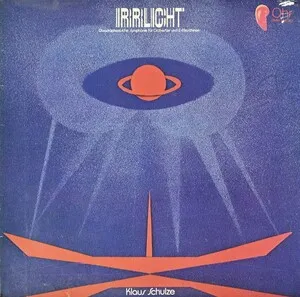
Irrlicht
Klaus Schulze
Space Ambient
Progressive Electronic
Drone
Similar artists
2
/5
Roedelius
Krautrock
Berlin School
Ambient
2
/5
Manuel Göttsching
Krautrock
Berlin School
Progressive Electronic
2
/5
Aleksi Perälä
Ambient
Bleep Techno
Electronic
3
/5
Tangerine Dream
Berlin School
Progressive Electronic
Ambient
3
/5
Oneohtrix Point Never
Hauntology
Plunderphonics
Ambient
2
/5
Robert Rich
Ambient
Electronic
Tribal Ambient
2
/5
Steve Roach
Ambient
Electronic
Space Ambient
2
/5
Terry Riley
Minimalism
Classical
Experimental
3
/5
Hiroshi Yoshimura
Ambient
Fourth World
New Age
3
/5
Mort Garson
Electronic
Moogsploitation
Space Age Pop
Download our mobile app
Get the Melodigging app and start digging for new genres on the go
Download on the App Store
Get it on Google Play
© 2026 Melodigging
Give feedback
Legal
Melodding was created as a tribute to
Every Noise at Once
, which inspired us to help curious minds keep digging into music's ever-evolving genres.