Genres
Artists
Albums
Make Music
Sign in
Sign in
Artists
Ambient
Artists
Ambient
Hiroshi Yoshimura
1986–2020
·
6 albums
Listen
3
/5
Genres
Barber Beats
Barber beats is a vaporwave-adjacent microgenre characterized by slowed, loop-based instrumentals built from lounge, smooth jazz, and easy-listening samples. Producers emphasize a soft, cushiony drum groove, heavy time-stretching, subtle pitch shifting, and warm, dusty textures that evoke waiting rooms, lobbies, and late‑night cable atmospheres. Typical tracks sit around 85–105 BPM, lean on mellow chords, brushed snares or gentle drum-machine kits, and favor tasteful filtering, vinyl crackle, and roomy reverb. The result is hypnotic, low-stakes background music that feels both nostalgic and liminal—less overtly ironic than classic vaporwave, yet still rooted in sample-based moodcraft and retro corporate aesthetics.
Discover
Listen
Organic Ambient
Organic ambient is a strain of ambient music that emphasizes natural, acoustic, and tactile timbres over purely synthetic ones. Its sound world is built from softly mic’d pianos and guitars, mallet percussion, strings, voice layers, and environmental field recordings (wind, water, birds, room tone), then gently processed with spacious reverbs, tape warmth, and subtle granular or delay treatments. Compared with classic electronic ambient, the adjective “organic” points to breath, touch, and the audible presence of rooms and spaces: creaking pedals, bow noise, finger sounds on strings, and a bed of environmental sound. Harmony tends toward consonant, slowly evolving chords; rhythm is minimal or absent; and dynamics are restrained, inviting calm, contemplation, and connection with place.
Discover
Listen
New Isolationism
New isolationism is a contemporary strain of isolationist ambient and post-industrial minimalism that emerged in the 2010s, particularly around Scandinavian experimental labels and studios. It foregrounds intimate, close-mic’d sound, negative space, and a quiet-but-present noise floor; its pieces feel both internal and architectural, like rooms built from reverb tails, tape hiss, and soft electronics. Sonically, the style blends glacial drones, fragile chamber timbres (strings, organ, piano), lo‑fi electronics, and field recordings into stark, slow-evolving tableaux. Melodic information is sparse—often only a few tones or gestures—while rhythm is either absent or reduced to distant pulses, heartbeats, or mechanical cycles. Vocals, when they appear, are murmured, diaristic, or abstracted by pitch and time manipulation. Aesthetically, new isolationism is post‑internet and diaristic: it captures solitude, memory, and dislocation with a palette that feels personal yet estranged, drawing as much from contemporary gallery sound practice as from classic dark ambient.
Discover
Listen
Fourth World
Fourth World is a term coined by trumpeter-composer Jon Hassell to describe a "unified primitive/futuristic sound" that blends ambient minimalism, non-Western traditional musics, and studio electronics into an imagined global music. The style is characterized by modal drones, cyclical hand percussion, and timbral experimentation (often through harmonizers, delays, and pitch-shifting) applied to acoustic instruments—famously Hassell’s processed trumpet—alongside sampled or evoked elements of African, Indian, Southeast Asian, and other traditions. Rather than ethnographic authenticity, Fourth World proposes an imaginative, post-geographic sound world where the studio acts as a cultural crossroads. Musically it favors slow to mid tempos, layered polyrhythms, pentatonic or raga-like modality, microtonal color, spacious reverbs, and textural foregrounding. The result is meditative and sensuous, at once ancient-sounding and hyper-modern.
Discover
Listen
J-Ambient
J-ambient is the Japanese approach to ambient and environmental music, defined by tranquil textures, careful attention to space and silence, and a design-forward sensibility rooted in everyday listening. It favors soft timbres (synth pads, bell-like FM tones, mallet percussion, gentle guitars), field recordings, and slow-evolving harmonic drones that are intended to blend with architecture and daily life rather than dominate it. The style grew alongside Japan’s “environmental music” movement, where artists composed for galleries, shops, museums, and public spaces. Compared with Western ambient, J-ambient often places greater emphasis on the concept of “ma” (間)—the meaningful use of negative space—resulting in understated, contemplative soundscapes that feel functional, humane, and deeply serene.
Discover
Listen
Kankyō Ongaku
Kankyō ongaku (literally “environmental music”) is a Japanese approach to ambient and functional music that blossomed in the 1980s. It is designed to harmonize with a space rather than dominate it, emphasizing unobtrusive, contemplative soundscapes that enhance architecture, interiors, and everyday life. Sonically, it blends gentle synthesizer pads, delicate mallet percussion (marimba, vibraphone), airy woodwinds or shakuhachi timbres (often sampled), and field recordings of water, wind, birds, and room tone. Minimal, slowly evolving patterns and long sustains invite careful listening while remaining suitable as non-intrusive background music. Compared with Western ambient and new age, kankyō ongaku is often more architectural and site-conscious, shaped by commissions for galleries, retailers, and public environments. Its aesthetic balances warmth and clarity, precision and softness, with a focus on texture, spatial imaging, and calm.
Discover
Listen
Ambient
Ambient is a form of electronic and electroacoustic music that prioritizes tone, atmosphere, and texture over conventional song structures and rhythmic drive. It typically features slow-moving harmonies, sustained drones, gentle timbral shifts, and extensive use of space and silence. Rather than drawing attention to itself through hooks or beats, ambient is designed to be as ignorable as it is interesting, rewarding both background listening and focused immersion. Artists often employ synthesizers, samplers, tape loops, field recordings, and subtle acoustic instruments, with reverb and delay creating a sense of place. Substyles range from luminous, consonant soundscapes to darker, more dissonant atmospheres.
Discover
Listen
New Age
New age is a largely instrumental, mood-driven genre that emphasizes calm, spacious textures and a sense of spiritual or contemplative uplift. It blends gentle electronic timbres, acoustic instruments, and global/folk influences to create immersive soundscapes intended for relaxation, meditation, and introspection. Hallmarks include slow tempos or free time, long sustaining pads, modal and consonant harmonies, nature field recordings, and unobtrusive rhythms. The music often avoids dramatic tension in favor of openness and continuity, conveying themes of inner peace, nature, and the transcendent.
Discover
Listen
New Wave
New wave is a broad, pop-oriented umbrella for styles that emerged in the mid-to-late 1970s as a sleeker, more melodic outgrowth of punk culture. Initially, the term varied by region: in the United States it was first used by critics and labels (famously Sire Records’ “Don’t Call It Punk” campaign in 1977) to rebrand punk-associated artists with more radio-friendly aesthetics; in the United Kingdom it encompassed a wider constellation of fresh, stylish post-punk-era sounds. Over time, “new wave” became a catch‑all for hooky guitar pop, synth-driven songs, danceable rhythms, and modernist production sensibilities. Sonically, it blends tight, upbeat rhythms (often disco- and reggae-informed), clean chorus/flanger guitars, prominent synthesizers, and concise, hook-led songwriting. Its visual identity—sharp suits, futurist imagery, and fashion-forward presentation—was integral, aligning with the rise of music television and emphasizing art-school wit, irony, and modern urban themes.
Discover
Listen
Progressive Electronic
Progressive electronic is a 1970s-born branch of electronic music that applies the exploratory ethos of progressive rock to synthesizers, sequencers, and studio-as-instrument techniques. It favors long-form structures, evolving textures, and thematic development over verse–chorus song forms. Hallmarks include analog synth timbres (Moog, ARP), step-sequenced ostinatos, spacious tape and plate reverbs, and gradual modulation of filters and envelopes. The music often embraces minimalistic repetition, cosmic and cinematic atmospheres, and a sense of narrative journey, connecting it to krautrock’s experimentalism and early ambient’s focus on tone and space.
Discover
Listen
Drone
Drone is a minimalist music genre defined by sustained tones, long durations, and extremely gradual change. Harmony is often static or centered on a single fundamental with subtle overtone shifts, while rhythm tends toward stasis or very slow pulses. Sound sources range from acoustic instruments (e.g., strings, organ, bagpipes, shruti box, tambura) to electronics (sine waves, oscillators, feedback, tape loops, and later digital synthesis and processing). Many composers favor just intonation or other alternative tuning systems to emphasize beating patterns, psychoacoustic effects, and the internal life of sound. Although drone as a sonic principle is ancient and global, the modern experimental genre cohered in the 1960s through the New York minimalists and related avant‑garde circles, then spread into ambient, experimental, and heavy music scenes. The focus is less on melody and more on timbre, resonance, and the phenomenology of listening.
Discover
Listen
Minimalism
Minimalism is a style of Western art music that emerged in the United States during the 1960s, characterized by the use of very limited musical materials, steady pulse, and extensive repetition. Composers often build pieces from short cells or motifs that are repeated and slowly transformed through additive or subtractive processes, phase shifting, and gradual changes in harmony, texture, or register. Harmony is typically consonant (often modal or diatonic), though just intonation and extended drones are also common. The result is music that foregrounds process, clarity, audibility of structure, and a hypnotic sense of stasis and flow. Typical ensembles include keyboards, mallet percussion, strings, winds, voices, and electronics or tape. Minimalism influenced a wide array of later styles, from ambient and new age to post-minimalism and minimal techno.
Discover
Listen
Experimental
Experimental music is an umbrella term for practices that prioritize exploration, process, and discovery over adherence to established genre norms. It embraces new sound sources, nonstandard tuning systems, indeterminacy and chance operations, graphic and open-form scores, extended techniques, and technology-led sound design (tape, electronics, computers, and live processing). Rather than a single style, it is a methodology and ethos: testing hypotheses about sound, structure, and performance, often blurring boundaries between composition, improvisation, sound art, and performance art. Listeners can expect unfamiliar timbres, unusual forms, and an emphasis on how music is made as much as the resulting sound.
Discover
Listen
Nature Recordings
Nature recordings are unaccompanied, minimally edited captures of natural soundscapes such as birdsong, wind, rain, surf, rivers, amphibians, insects, and other environmental ambiences. The emphasis is on documentary fidelity, long-form listening, and preserving dynamic range rather than musical composition in the traditional sense. Releases often present extended, uninterrupted tracks from a single habitat or time window (e.g., dawn chorus, coastal storm, tropical rainforest at night), inviting listeners to experience place through sound. While closely related to field recording and soundscape composition, nature recordings typically avoid added instruments or overt sound design, privileging biophony and geophony with as little anthrophony (human-made noise) as possible.
Discover
Listen
Electronic
Electronic is a broad umbrella genre defined by the primary use of electronically generated or electronically processed sound. It encompasses music made with synthesizers, drum machines, samplers, computers, and studio/tape techniques, as well as electroacoustic manipulation of recorded or synthetic sources. The genre ranges from academic and experimental traditions to popular and dance-oriented forms. While its sonic palette is rooted in electricity and circuitry, its aesthetics span minimal and textural explorations, structured song forms, and beat-driven club permutations. Electronic emphasizes sound design, timbre, and studio-as-instrument practices as much as melody and harmony.
Discover
Listen
Field Recording
Field recording is the practice and genre of capturing sounds in situ—outside the studio—using portable recording equipment. It centers on documenting environments, human activities, wildlife, weather, machinery, rituals, and music as they actually occur, often with minimal intervention. As a listening genre, field recording foregrounds place and presence. Releases may present unprocessed, extended takes (e.g., a shoreline at dawn), or carefully edited sequences that map a soundwalk, a village festival, or a factory floor. The results range from documentary-style fidelity to abstract, immersive soundscapes that emphasize texture, spatiality, and the ecology of sound.
Discover
Listen
Show all 16 genres
Albums
2020
1
/5
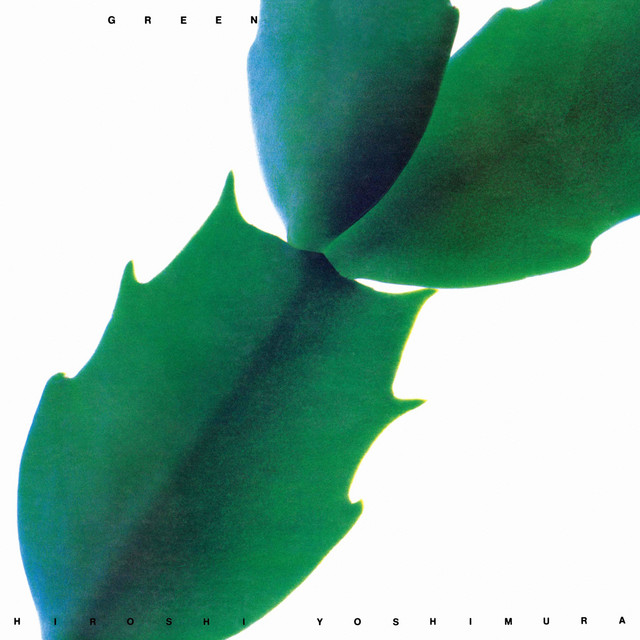
Green
Hiroshi Yoshimura 吉村弘
Field Recording
Nature Recordings
New Age
2020
3
/5
Green
Hiroshi Yoshimura
J-Ambient
Fourth World
Ambient
2020
1
/5
Green
Hiroshi Yoshimura 吉村弘
New Age
Ambient
New Wave
2017
2
/5
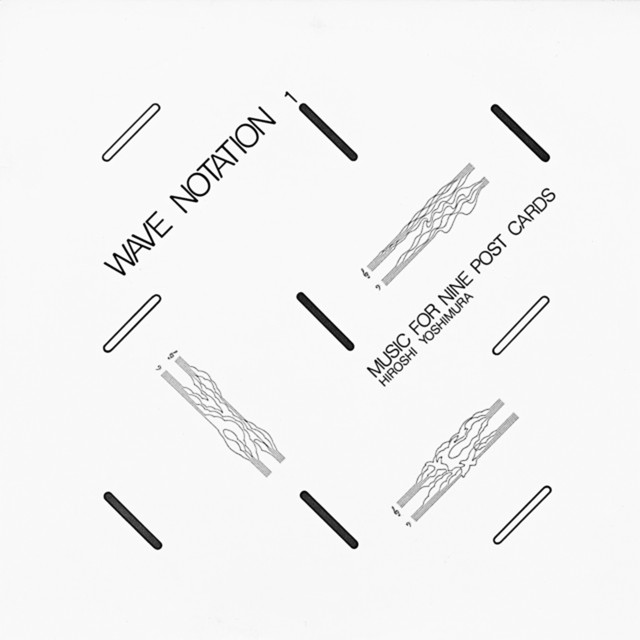
Music for Nine Post Cards
Hiroshi Yoshimura
J-Ambient
Fourth World
Drone
2017
1
/5
Wave Notation 1: Music for Nine Post Cards
Hiroshi Yoshimura 吉村弘
Ambient
Electronic
Experimental
1986
3
/5
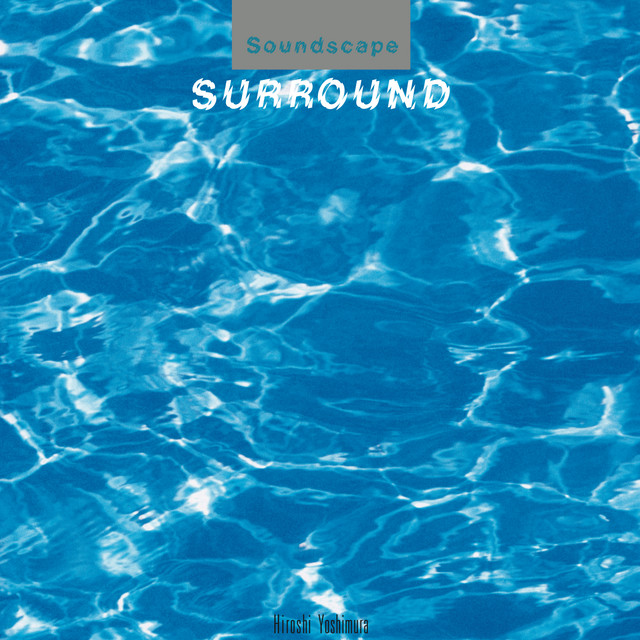
Soundscape 1: Surround
Hiroshi Yoshimura 吉村弘
New Age
J-Ambient
Fourth World
Similar artists
3
/5
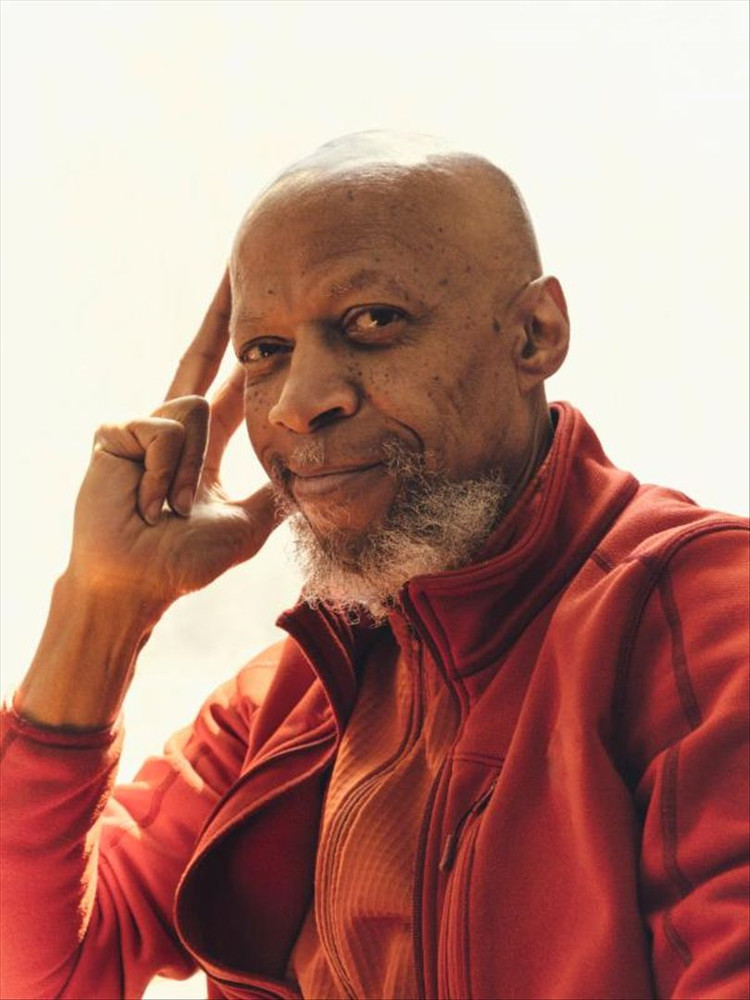
Laraaji
New Age
Ambient
Drone
4
/5
Brian Eno
Ambient
Krautrock
Experimental
2
/5
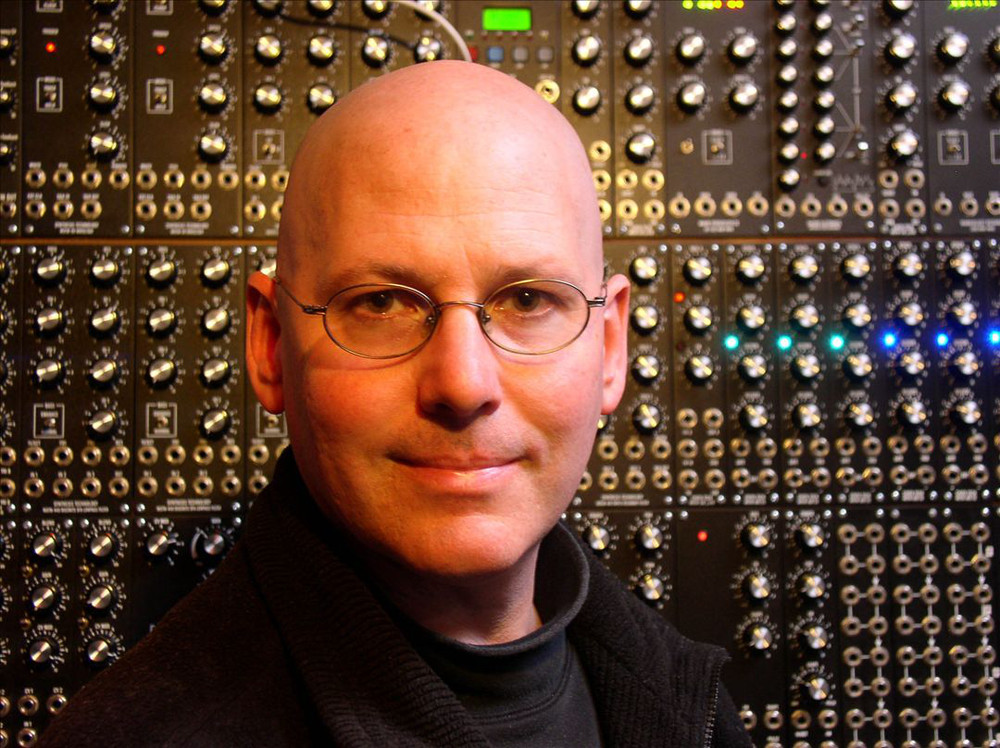
Robert Rich
Ambient
Tribal Ambient
Electronic
3
/5
Oneohtrix Point Never
Hauntology
Plunderphonics
Ambient
2
/5
Steve Roach
Ambient
Electronic
Space Ambient
2
/5
Klaus Schulze
Berlin School
Ambient
Electronic
4
/5
Ryuichi Sakamoto
Drone
Japanese Classical
Ambient
4
/5
Harold Budd
Ambient
Minimalism
Drone
3
/5
Susumu Yokota
Ambient
Fourth World
Drone
2
/5
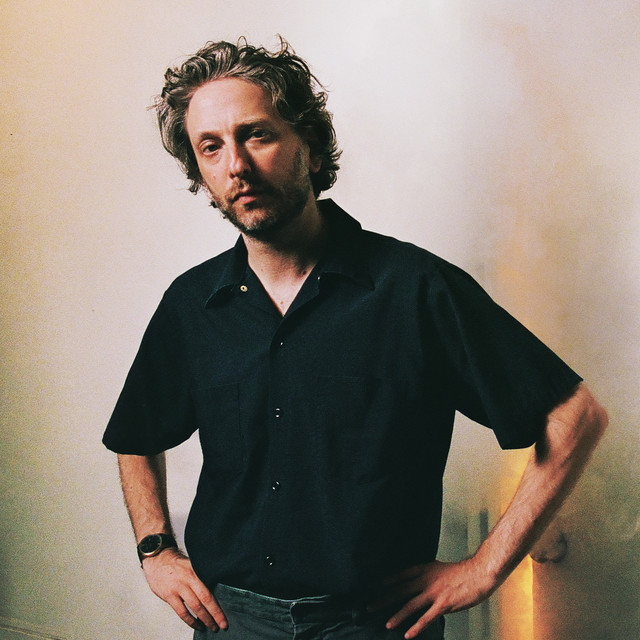
Jefre Cantu-Ledesma
Sound Art
Ambient
Experimental
Download our mobile app
Get the Melodigging app and start digging for new genres on the go
Download on the App Store
Get it on Google Play
© 2026 Melodigging
Give feedback
Legal
Melodding was created as a tribute to
Every Noise at Once
, which inspired us to help curious minds keep digging into music's ever-evolving genres.